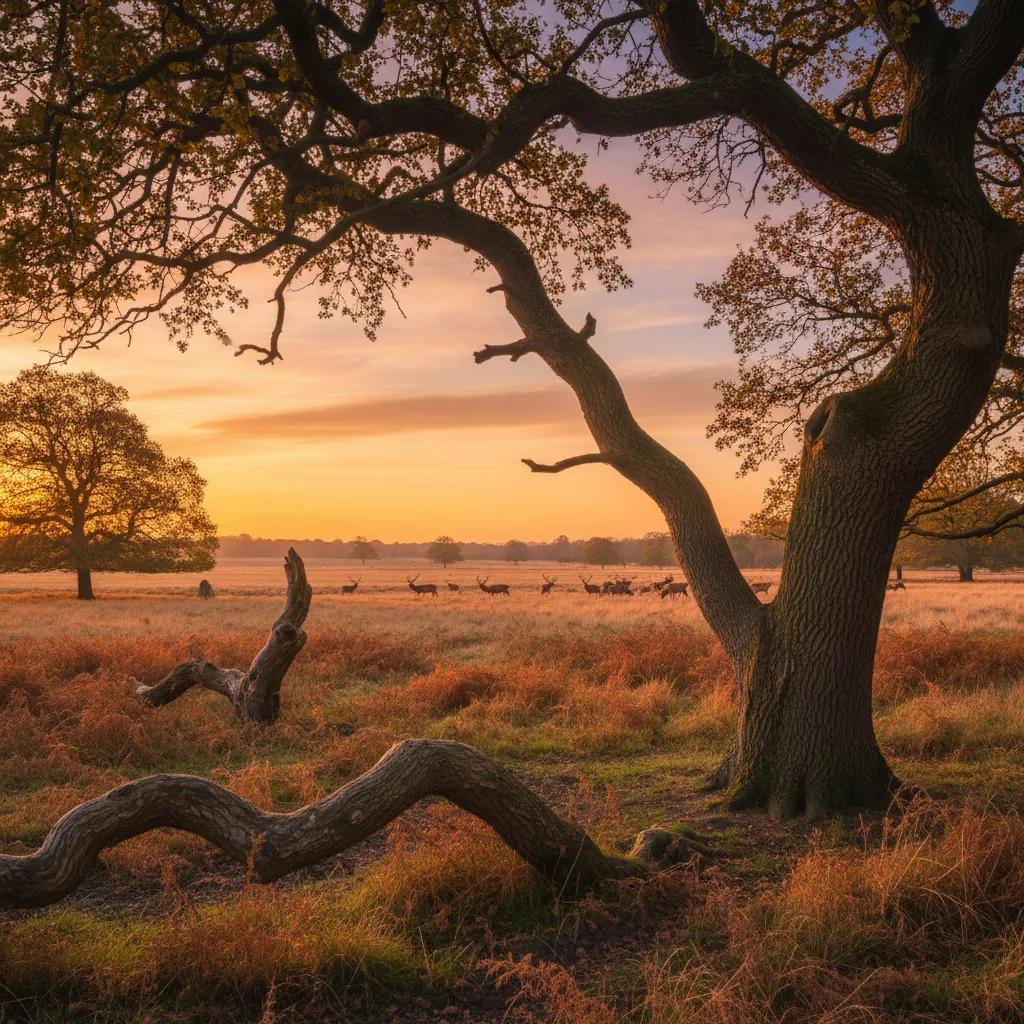
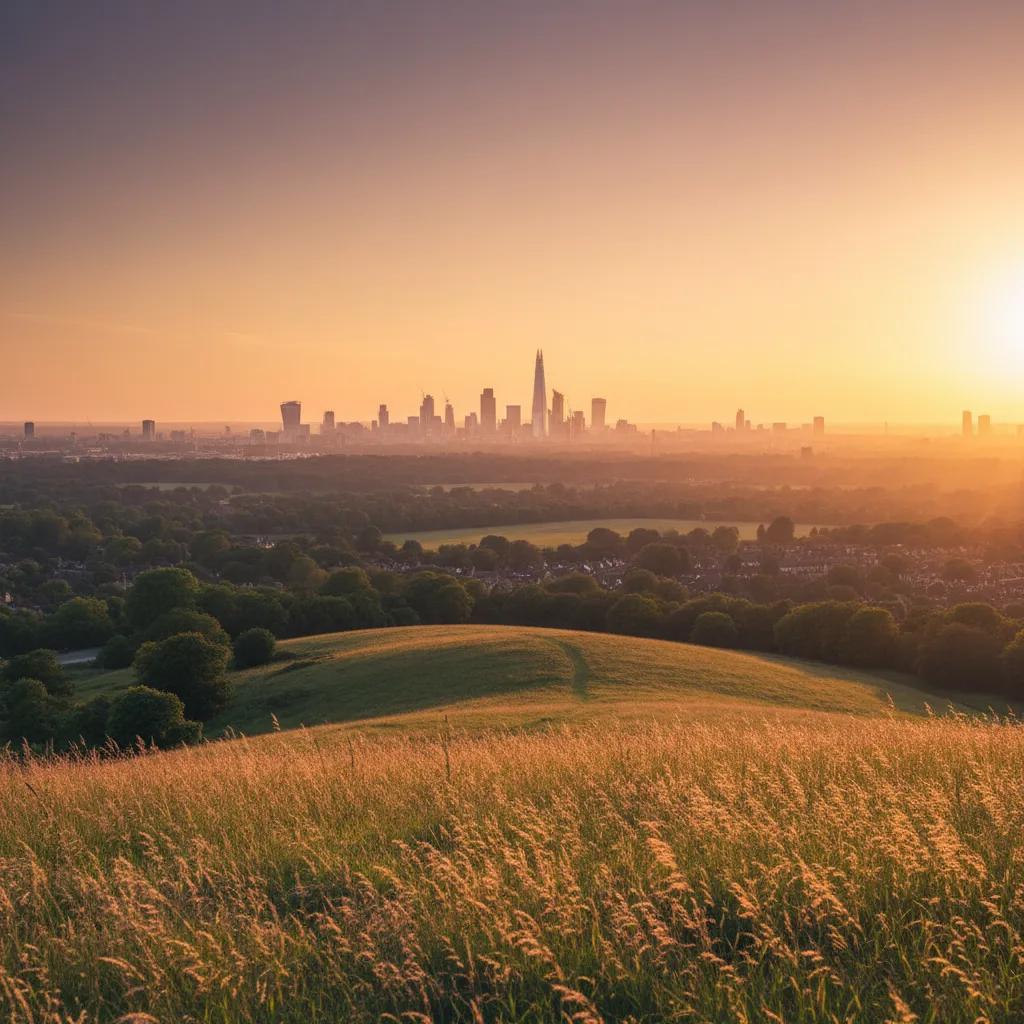
 Richmond Park Sunset Viewing Planner: Deer Meadow Horizons
Weekend Plans
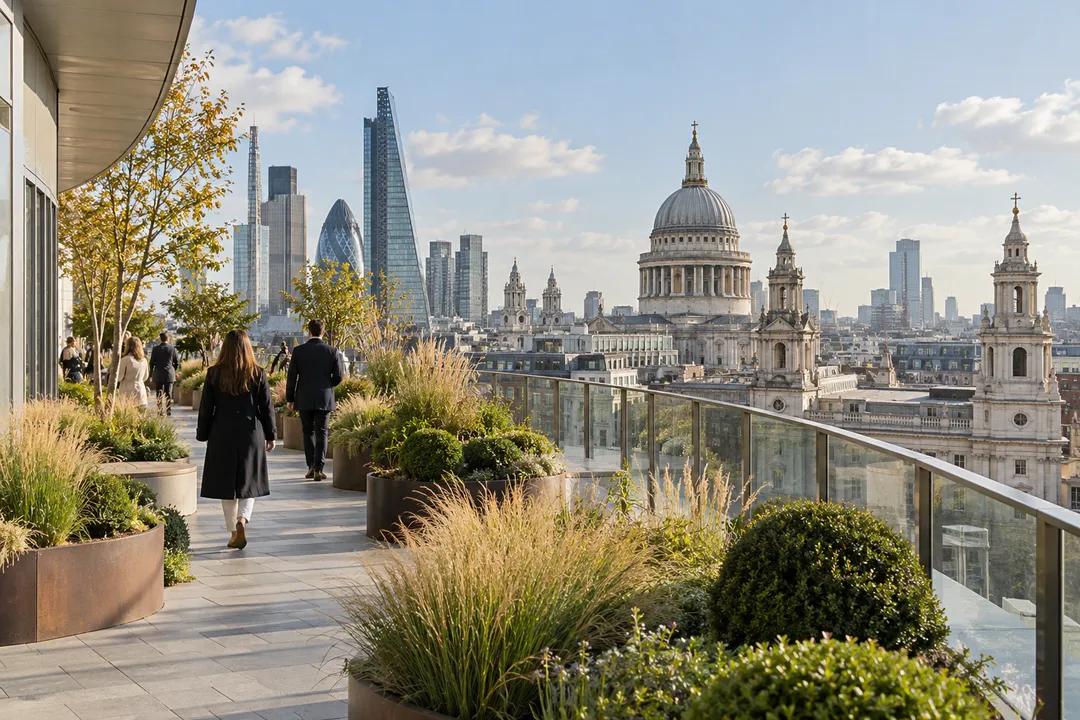
Garden at 120 Rooftop Botanical Terrace: A Quiet Loop
Garden at 120 turns a London rooftop botanical terrace into a quiet City loop, with planted edges, open walking space, and an easy route onward.
Garden at 120 is the right rooftop botanical terrace when you want planted space and a walking loop instead of an enclosed conservatory mood. The roof feels generous: low planting, open sightlines and room to move make it easy to share the view. Start with a simple decision. Are you here to watch the City wake up, to take a quiet break between meetings, or to build a longer route through the eastern financial district? Each goal deserves a different pace.
Read the terrace as a garden
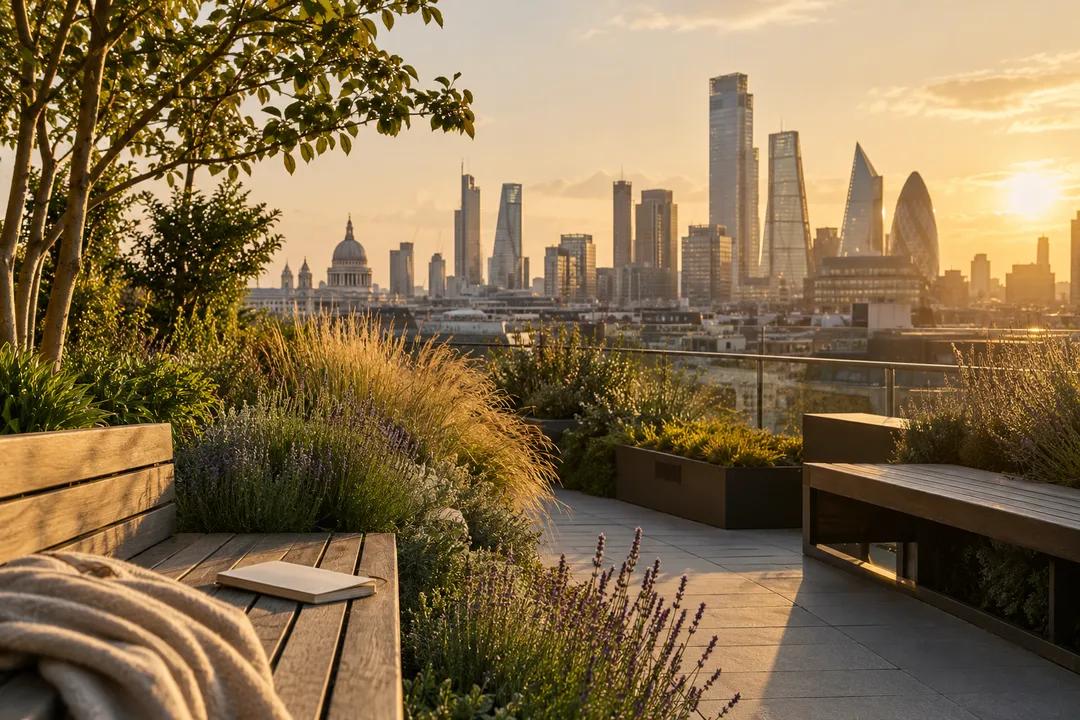
The design rewards attention at walking height. Grasses move in the wind, clipped shrubs create soft borders, and benches offer pauses without forcing a fixed itinerary. Walk the edge once without stopping, then return to the section that caught your eye. That second pass reveals details the first loop misses: a change in texture, a view opening between planters, or a bench aligned with a familiar tower. The garden works because the planting is not decoration around the view; it is the route.
Build a short loop
A practical loop has four beats: entry orientation, planted edge, skyline pause, and exit toward the surrounding streets. Keep the first circuit unhurried and use the second for photographs. This avoids crowding the most obvious viewpoint and gives you a better sense of scale. If you are with a friend, walk side by side on the wider path, then separate naturally at the edge. Regroup at a bench rather than blocking a narrow passage.
Use the view as a compass
From this height, the City becomes a map of shapes rather than a list of attractions. Pick one direction and follow it with your eyes: dense towers, a lower roofscape, a church spire, then the river corridor. The exercise is useful for visitors who get overwhelmed by London’s choices. The terrace gives you a calm orientation point before you descend. Afterward, choose one ground-level destination in the direction you were already looking.
Match the terrace to your group
Garden at 120 suits mixed groups because people can choose their own distance. A child can follow the planted border, an architecture fan can study the skyline, and a tired commuter can sit for ten minutes without ordering anything. The quiet rule is considerate movement: keep the central route open and let faster walkers pass. If everyone wants a photograph, appoint one person to take the group shot, then move on rather than repeating the setup.
Pair it with the eastern City
The terrace fits naturally into a route that includes Leadenhall Market, the lanes near Lloyd’s, or a walk toward the river. Keep those suggestions as options, not obligations. A good plan uses the roof as the midpoint, so the surrounding streets feel like a continuation of the garden’s textures. Notice how paving, stone and metal echo the clean lines of the planters. The shift from open sky to covered market creates a satisfying change of scale.
Wind is part of the experience
Because the terrace is open, wind changes how long you want to stay at the perimeter. On a breezy day, keep the first loop close to the planters and use the sheltered side for conversation. On calmer days, the edge becomes the natural place to linger. This is a better strategy than promising yourself a fixed amount of time. Let comfort set the length, then keep the route flexible enough to end indoors at street level.
Skip the wrong objective
Garden at 120 is not a substitute for a dramatic sunset lookout every evening. Its strength is the combination of movement, planting and a broad but readable city view. Skip it when your group needs a fast, high-impact photo with no walking. Choose it when you want an open-air pause that can expand into a neighbourhood route. That distinction helps the terrace feel generous rather than disappointing.
Make the loop tactile
Ask each person to notice a different surface: grass seed heads, clipped leaves, timber or stone on a bench, and the hard geometry of the towers. A rooftop botanical terrace becomes memorable through these small contrasts. If you are alone, write three words after the loop rather than narrating the whole visit. If you are with children, turn the path into a texture hunt. The exercise keeps attention on the garden rather than on a phone screen.
Plan the next stop in Karpo APP
Karpo APP can use your starting point, walking tolerance and preferred mood to shape the next part of the day. Ask for a calm City loop, a photo-focused route, or a plan that ends near transport. The point is not to produce a fixed tour; it is to make the terrace fit your actual day. Garden at 120 then becomes a useful anchor for decisions about distance, shelter and how much architecture you want afterward.
Practical Notes
Wear shoes that can handle a longer walk after the roof, and carry a layer for the exposed edge. Keep the first circuit light on photography so you understand where the benches and planters sit. For a group, agree whether the priority is conversation or skyline orientation. For a solo visit, one complete loop is enough; a second loop should have a specific purpose. If wind or crowds change the mood, descend and continue at street level without treating that as a failed plan.
Use the second circuit well
A second circuit should answer a new question. Compare the open edge with the planted interior, follow the changing wind, or choose a different skyline direction. Repeating the same photographs adds little, while a purposeful second loop reveals how the roof changes as visitors move through it. This is especially useful for a short break: the first loop settles you, the second gives the visit a clear shape, and the descent feels like a natural finish.
Turn texture into a route
If the grasses and stone made you want more material contrast, head toward a market or historic lane. If the clean roof geometry held your attention, choose a modern architecture walk. If the quiet bench was the best part, look for a calmer indoor stop. Naming the response out loud helps a group agree on the next destination. It also gives Karpo APP a useful preference instead of a vague request for something nearby.
Leave with one clear impression
Garden at 120 works when you leave with a single, precise memory: grasses moving beside a tower, a bench facing an unexpected roofline, or the City opening in one direction. That focus is the value of this rooftop botanical terrace. Use the garden as a quiet loop, let the surrounding streets supply the contrast, and ask Karpo APP to shape the next stop around the mood you actually found.
Ask Karpo for more information.
Keep reading
- Richmond Park Sunset Viewing Planner: Deer Meadow Horizons
 South Bank Sunset Viewing Planner: Thames Riverside Walks
 Parliament Hill Sunset Viewing Planner: London Heath Vistas