 Brixton Christmas Light Up Walk Planner: Rainy Arcades
Free Things to Do
Putney Riverside Walk Planner: Rowers, Towpath and Wetlands
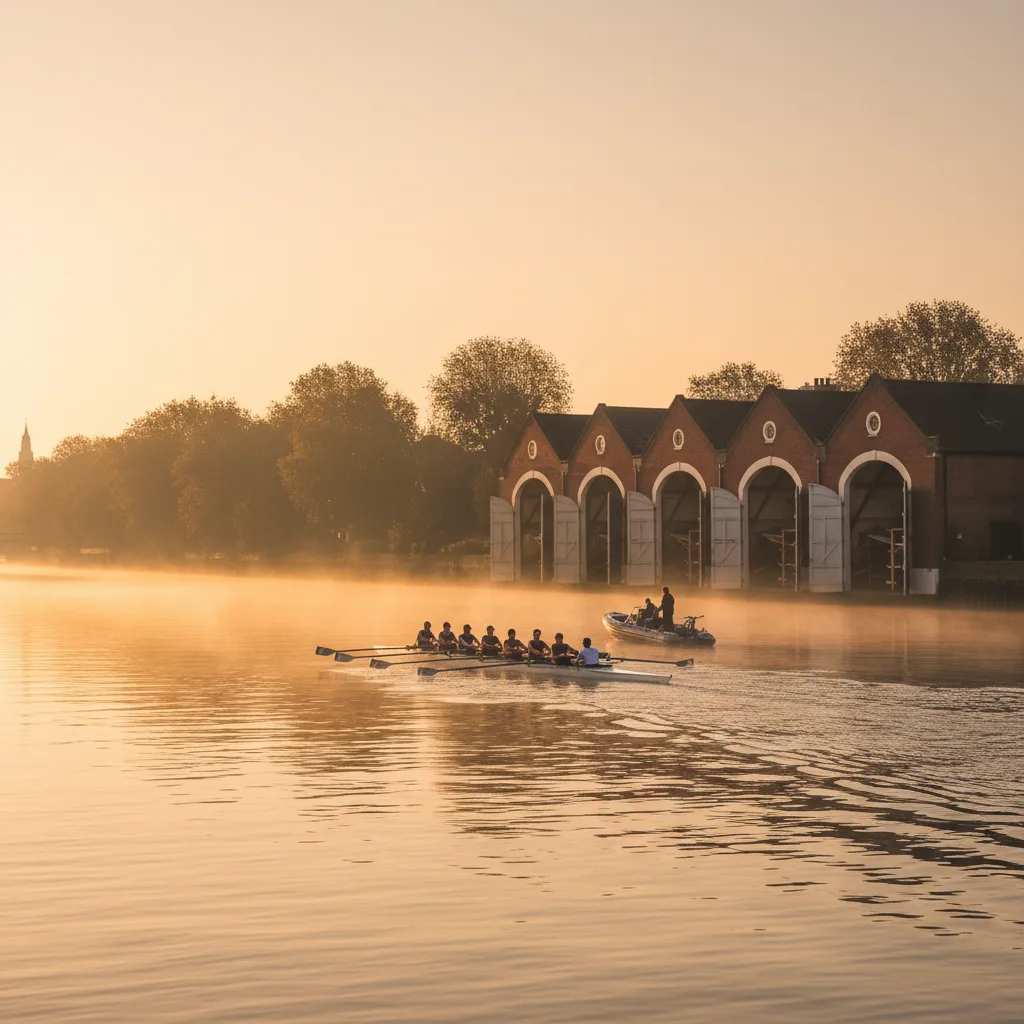
Watch rowing crews launch from the Putney embankment at sunrise, then follow the muddy Thames towpath upstream past willows toward the wetlands near Barnes.
Putney is the riverside walk for early risers. At first light the boathouses along the embankment roll open their doors, crews carry long boats down to the water on their shoulders and coaches call out from small launches as eights slide away upstream. Watch that ritual for a while, then follow the towpath west as the city falls away and the riverbank turns green, muddy and almost rural. It is free, it is calm, and it gives you a London morning most visitors never see.
Why Putney Belongs to the Rowers
This stretch of the Thames has been a home for rowing clubs for generations. The water here is wide and relatively straight, and a long open course runs upriver from the bridge, so schools, universities and local clubs all train from the embankment. The rowers give the place its rhythm. Long before most of London is awake, the slipways are busy, and the sound of oars catching the water carries across the river with surprising clarity.
You do not need to know anything about rowing to enjoy it. Watching a crew lift a boat in perfect time, turn it over and lower it onto the water is oddly hypnotic. Juniors wobble and laugh, veteran crews move with quiet efficiency, and single scullers slip away alone into the mist. Stand back from the slipways and the launch areas, keep the path clear for boats being carried, and you will be welcome to watch for as long as you like.
Start at the Bridge and Stay Early
Begin near the bridge and walk upstream along the embankment road, with the boathouses on your left and the river on your right. The early morning is the key. Within a couple of hours of sunrise the light is soft and low, the water is often flat as glass and the crews are at their busiest. Later in the day the embankment is still pretty, but it becomes a regular riverside street with cars, cyclists and a steadier stream of people.
Bring a warm drink in a flask if you can, because the first boats go out while the streets near the bridge are still asleep. Pick a bench or a low wall and simply watch for ten or fifteen minutes. Notice how the coaches on their launches move alongside the crews, how the boats leave long V-shaped wakes, and how the gulls lift off the water as each eight passes. It is a very gentle way to begin a day.
Onto the Towpath as the City Fades
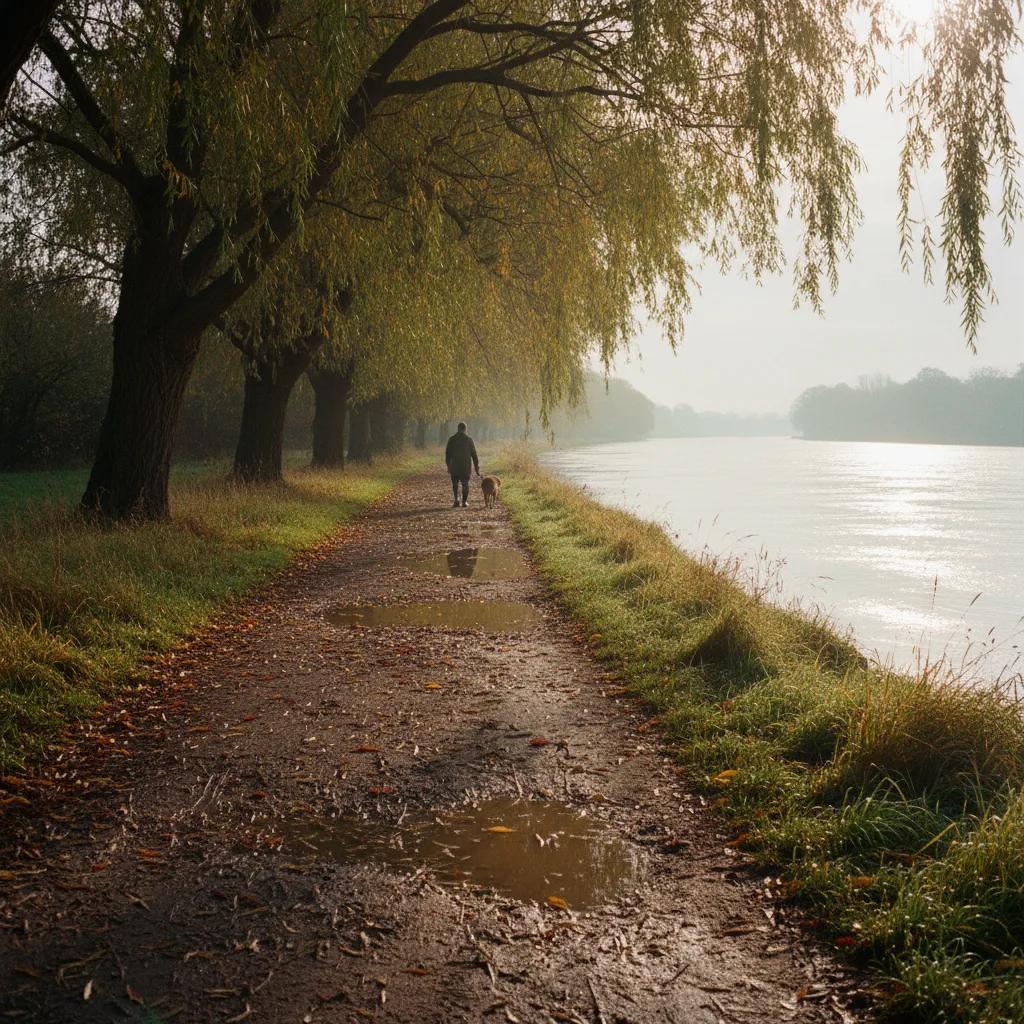
Where the embankment road ends, the riverside path continues as an unpaved towpath, and the atmosphere changes almost immediately. Tall willows lean over the water, the path becomes soft earth and gravel, and you start to hear birdsong more than traffic. On one side you have the river; on the other, playing fields, reservoirs and patches of rough grass. It feels far more like a country walk than a city one, even though you are only a short ride from the centre.
Keep following the path upstream as it bends with the river. You will pass the occasional runner and dog walker, and the rowers will keep appearing on the water beside you, now far from their boathouses. In autumn the leaves turn the path gold and brown, and after rain the puddles reflect the sky. The ground can be very muddy at this time of year, so boots are a much better choice than trainers for this part of the walk.
Where the Wetlands Come Into View
As you head toward Barnes, the land on the inland side opens into a wide area of wetland, ponds and reed beds that attracts ducks, geese and wading birds. Even from the towpath you will see the birds lifting and settling over the water. Many walkers like to pause here, because the contrast between the busy river and the still ponds is striking, especially early in the morning when mist sits over the reeds.
This is also a natural turning point for a moderate walk. From the bridge to the wetland edge and back makes a satisfying morning of gentle exercise. If you have more energy, you can continue along the towpath around the big bend of the river toward the next bridge and the village beyond, then return by bus. Plan your distance before you set off, because the towpath has few exits once you leave the embankment.
Who This Walk Is Best For
This walk is perfect for early birds, for anyone recovering from a busy week who wants space and green, and for dog owners whose dogs love mud and water. It suits runners who want a soft-surface route and families with older children who will enjoy watching the boats. It is also a great choice for visitors who are curious about everyday London life rather than landmarks, since rowing is woven deeply into the local community here.
Honestly, it is not the best choice for buggies or wheelchairs once you leave the paved embankment, because the towpath gets rough and waterlogged. It also loses much of its magic later in the day. If you can only go in the afternoon, consider walking the embankment and the first section of towpath for the willows, and save the rowing for a future early start when the river is at its quiet best.
Breakfast, Warmth and the Way Home
After the walk, head back toward the bridge and the high street, where the cafés and bakeries make an easy last stop. A proper breakfast after an hour by the river feels well earned. If the weather turns, the short streets near the bridge give you shelter quickly. You can also cross the bridge to the north bank and wander along the riverside there for a different view of the boathouses you started from.
Try the Karpo APP once you are back near the bridge to find a café or bakery close by, especially if you are hungry and do not want to wander far in muddy boots. Saving the places you like makes the next early-morning walk easier to plan. Karpo will not track the river or the rowing crews for you, but it is a quick way to pick a warm spot for breakfast after a cold, beautiful start on the towpath.
Practical Notes for Putney by the River
Wear waterproof boots for the towpath, and pack a light extra layer, since mornings by the water are cooler than you expect even in mild weather. Check the forecast after heavy rain, because parts of the towpath can flood at very high tides. Keep dogs on a lead near the boathouses and slipways, and give crews carrying boats plenty of room. The embankment section is flat and paved, so it is fine for everyone.
Bring a small towel or bag for muddy shoes or paws if you plan to take a bus home. Stay alert for cyclists on the shared paths, especially on the embankment road. If you want photographs of the rowers, the soft light within an hour of sunrise gives the best results, and a phone held low by the river wall captures the boats and their reflections beautifully. Most of all, give yourself time to stand still and watch the water.
Ask Karpo for more information.
Keep reading
- Brixton Christmas Light Up Walk Planner: Rainy Arcades
 Hackney Christmas Light Up Walk Planner: Canal Boats
 Islington Christmas Light Up Walk Planner: Square Dates