 Waterloo Cozy Board Game Cafe Finder in South London
Weekend Plans
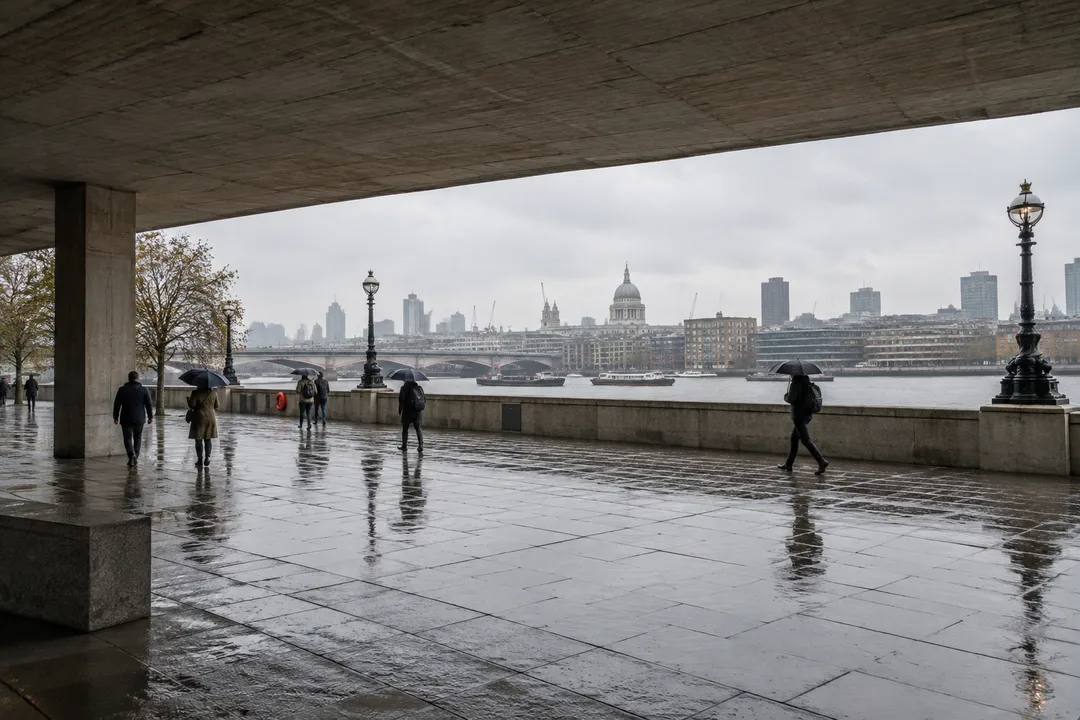
South Bank Rainy Day Plan Comparator: Pick Two Stops
Choose a compact South Bank outing in rain by balancing art, a seated meal and outdoor transfers, with one optional stop instead of an exhausting circuit.
Rain changes the useful question on London's South Bank. Instead of asking how many cultural stops fit beside the river, ask which pair would make the afternoon feel complete even if the walk between them is unpleasant. A rainy day plan comparator should help you choose between concentrated exhibition time, a food-led outing and a longer cultural circuit. Start with your energy, appetite and tolerance for getting wet, then use those priorities to shape a request in the Karpo APP.
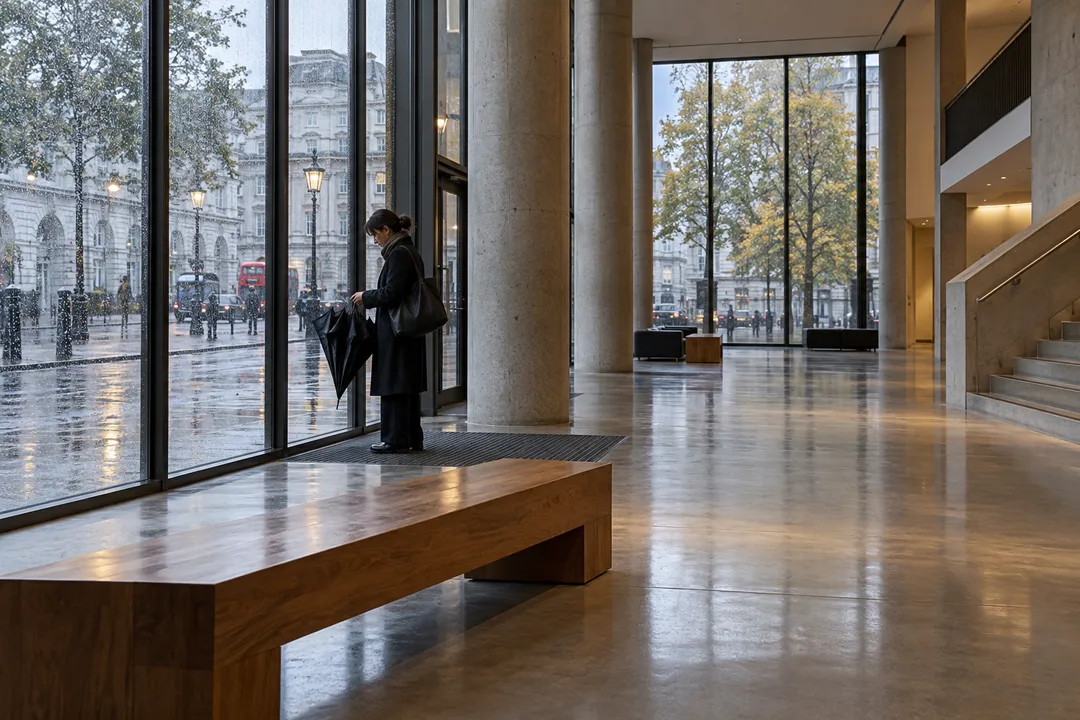
Choose the afternoon you actually want
Picture three versions of the same afternoon. In the first, you spend most of your time looking at art and leave with one strong memory. In the second, lunch provides the centre of gravity and a cultural stop adds interest. In the third, the movement along the Thames matters as much as anything inside. These are different experiences. Comparing them only by the number of attractions rewards the busiest route, even when that route is the least comfortable choice for your group.
Give each version a sentence describing success. An exhibition afternoon might succeed when everyone has enough attention for a single collection. A food-led plan succeeds when you can eat together without carrying a tray through the rain. A river circuit succeeds when the outdoor sections remain enjoyable. This small exercise exposes a common mismatch: someone wants a scenic walk, while someone else has accepted the walk only as the price of reaching a warm room. Resolve that disagreement before adding destinations.
Treat shelter as separate pieces
The stretch between Southbank Centre and Tate Modern is the setting for this comparison, not a promise of continuous cover. A roof over an entrance, a sheltered place to eat and an indoor gallery solve different problems. None proves that the connecting pavement is dry. When sketching an itinerary, write a separate line for each transfer. Include leaving the first building, crossing any exposed space and finding the next public entrance. Those transitions deserve the same attention as the destinations themselves.
Describe your walking limit in terms you can use at a doorway. For example, your group might accept one short wet transfer but dislike repeated departures and arrivals. Another group may enjoy a longer riverside section if it replaces several smaller moves. Avoid presenting an invented walking time as a measured route. Start and end points, pace and entrances all affect it. A useful comparison can say that one option requires more outdoor movement without pretending to know the exact conditions under every canopy.
Build a pair before building a circuit
Select an anchor activity that would justify leaving home on its own. It could be an exhibition, a performance-related visit or a long meal. Then choose a second stop that contributes something different. Two visually demanding exhibitions can compete for the same attention. A cultural anchor followed by a seated food break gives the afternoon a change of pace. A food anchor followed by a short browse keeps the second part optional rather than turning lunch into the beginning of a marathon.
Draw a firm boundary around the optional third stop. It belongs in the plan only if the first two leave spare energy and the transfer still sounds appealing. Do not make the final destination essential for collecting belongings, meeting another person or catching transport unless you are willing to complete the full route. Optionality works when you can leave without breaking the rest of the day. This makes a two-stop outing a complete choice, rather than a failed version of a longer itinerary.
Put the meal where it solves a problem
Covered food stalls and indoor dining are not interchangeable. A roof above a counter does not establish that seats are available or that the route from counter to table stays sheltered. Compare the whole eating task: choosing food, ordering, carrying it, sitting down and leaving. If dry seating matters more than browsing different dishes, make that preference explicit. If everyone is happy eating separately and regrouping, a less structured food stop may suit the group better. Neither arrangement needs a fabricated queue forecast.
Use a personal spending ceiling as an input, not as a claim about a venue's menu. Specify whether that ceiling includes food, drinks, admission and transport. Someone who says they want a cheap afternoon may mean free cultural time with a proper lunch, while another person means spending almost nothing at all. These choices produce different shortlists. Keep any numerical example clearly attached to your own allowance, and include a no-purchase pause in your thinking if buying a drink at every stop would make the route feel expensive.
Ask for a comparison with a clear winner
In the Karpo APP, start with a request such as: “We are planning a South Bank afternoon in rain. We prefer art to shopping, want one seated meal and can tolerate one outdoor transfer. Suggest a compact pair of stops and a longer alternative.” This asks for conversational discovery within a defined task. It does not instruct the app to reserve a table, monitor the weather or guarantee admission. Your preferences are the useful starting material, and the answer is a proposal to assess.
Read the proposal as two competing arrangements rather than a list to collect. Ask yourself which choice protects the activity you care about most. If the longer option adds little beyond another wet transition, remove the extra stop. If the compact option leaves the person who wanted river views disappointed, preserve one deliberate outdoor segment and reduce something else. A good result explains the sacrifice attached to each choice. It should be possible to name the winner and say why it fits this particular group.
Change one decision when the rain changes
Set a simple departure rule before settling into the anchor stop. You might leave only when everyone wants a change, or move once you have finished the specific part you came to see. Avoid repeatedly interrupting the visit to renegotiate the entire afternoon. If conditions outside look worse, shorten the plan by dropping the optional destination. If the weather improves and you still want the river, spend the saved energy on that walk. Neither adjustment requires a claim that an assistant is watching the sky for you.
Keep the return journey attached to your real starting position. A route that looks elegant on a map can feel awkward when it finishes far from where your coats, bags or companions need to go. Before committing to the second stop, decide whether you are happy finishing there. This matters especially when the group may split up. Agree on a meeting arrangement that does not depend on everyone finding the same doorway in rain. A clear finish often improves an afternoon more than an ambitious middle section.
Practical notes for a dry-minded choice
Carry the comparison in a compact form: anchor activity, meal arrangement, acceptable outdoor movement and optional extension. Fold umbrellas away from narrow entrances and leave room for other visitors to pass. For access needs, identify the specific entrance or route information required rather than assuming that a general map settles the question. The final plan should let you explain what happens next in one sentence. Open the Karpo APP with those preferences, ask for a personalised shortlist, and choose the version you would still enjoy if the drizzle lasted.
Ask Karpo for more information.
Keep reading
- Waterloo Cozy Board Game Cafe Finder in South London
 Shoreditch Cozy Board Game Cafe Finder in East London
 Brixton Cozy Board Game Cafe Finder for Warm London Days