 Waterloo Cozy Board Game Cafe Finder in South London
Weekend Plans
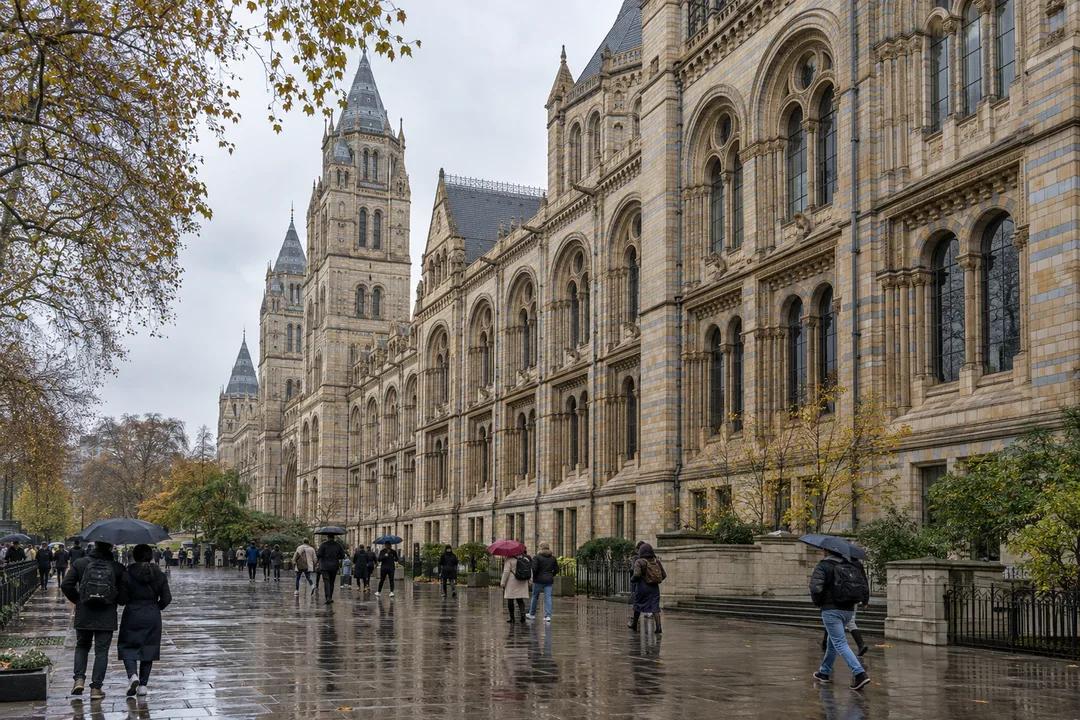
Kensington Rainy Day Plan Comparator: One Museum or Two
Choose one South Kensington museum or add a second in rain by balancing interests, rest and transfers, without turning a cultural afternoon into a race.
The temptation in South Kensington is to turn a rainy afternoon into a museum collection challenge. Three institutions in the same area can look like one convenient indoor itinerary, but each visit still takes attention, energy and a separate decision to move. This rainy day plan comparator starts with a smaller question: would one substantial museum visit satisfy you, or would a carefully chosen second stop add something worthwhile? Use your answer to brief the Karpo APP without relying on imaginary queue data or guaranteed cafe seats.
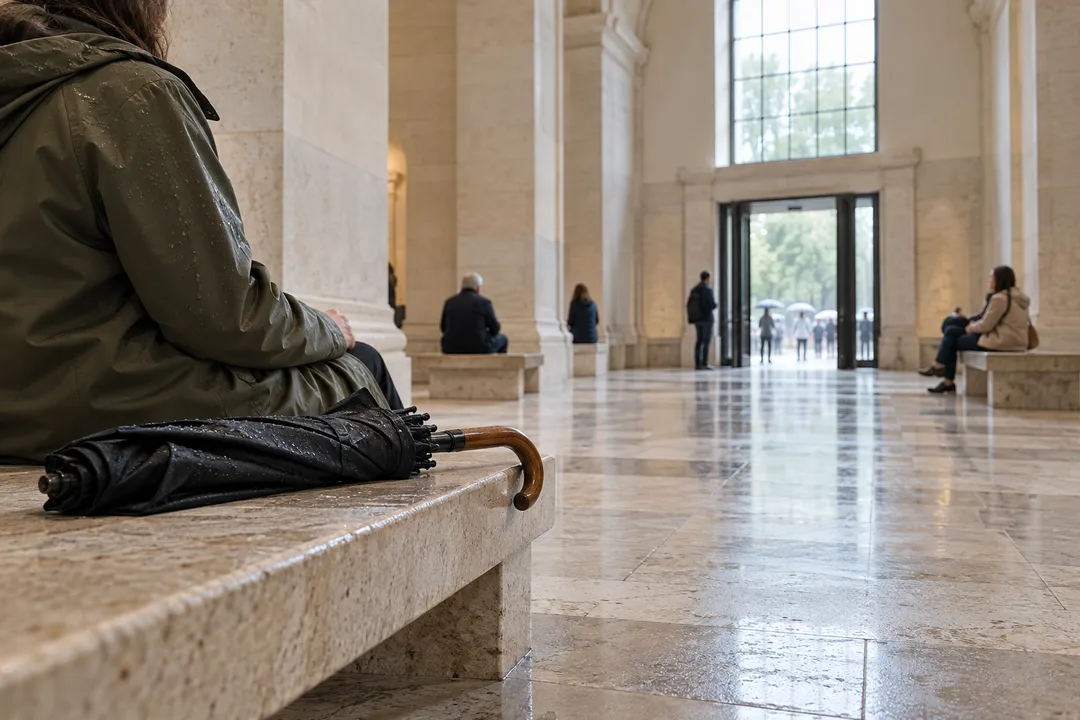
Compare interests before comparing buildings
Begin with the subjects your group wants to spend time on. Objects, design, science and the natural world can invite very different kinds of attention. Someone may want to read labels closely, while another person prefers a few large exhibits and room to move. You do not have to settle that difference by visiting every institution. Ask each person for one thing they hope to experience. Those answers create a more useful basis for a choice than ranking buildings by fame or size.
For a family or mixed group, distinguish enthusiasm from tolerance. A person may agree to a subject without wanting an extended visit devoted to it. A child may be excited by one kind of display and tired by a second museum even when both sound appealing in advance. Set the first visit around the strongest shared interest, then keep the second subject optional. A successful afternoon can end with everyone wanting a little more, rather than using up the final reserve of patience at another entrance.
Use one museum as the complete version
Write a plan that works with only the anchor museum. Give it a limited purpose, such as following one theme or exploring the part that most interests the group. Leave space for a pause and an uncomplicated departure. This becomes the baseline against which every extra stop must justify itself. If adding another building mainly increases the number of things you can say you visited, it may not improve the experience. Depth and a comfortable pace are legitimate outcomes for a rainy day.
Now consider a second museum as an extension with a specific contribution. It might change the subject, offer a contrasting way of looking or satisfy one person's particular curiosity. Keep the scope of that second visit smaller than the first. Moving buildings does not reset attention or erase tired feet. Agree that the extension can disappear without negotiation if the anchor visit proves absorbing. That agreement turns the shorter version into an intentional plan, rather than a consolation chosen after everyone has become exhausted.
Count the effort hidden between exhibits
The transfer is more than the distance between two map pins. It includes leaving a gallery, collecting belongings if relevant, finding the public exit and approaching the next entrance. Security and admission arrangements may add separate steps. Do not assign queue lengths or waiting times without evidence. Instead, compare how much of your remaining patience you want to spend on starting another visit. A small-looking move can still interrupt the rhythm of an afternoon that was going well indoors.
Apply the same caution to pedestrian subway references. An underground approach is not proof of an unrestricted indoor connection between all three museums, and this article does not promise such a route. The entrance you need, accessibility requirements and the actual transfer are distinct questions. If avoiding outdoor exposure is essential, choose the plan around established entrance and access information for the particular visit. Do not let a general idea of connected tunnels become the reason you commit to a museum-hopping circuit.
Budget attention as carefully as money
Give the group a simple attention allowance. You might choose one demanding section followed by an easier browse, or let each person lead a short part of the visit. These are personal planning choices, not official museum schedules. Leave room for curiosity to change the pace. If one gallery absorbs you, something else can drop out. The point of the allowance is to prevent a long list from silently becoming a set of obligations that nobody remembers agreeing to complete.
Spending needs a similarly clear boundary. General entry, special exhibitions, food and travel are different categories, and no admission price is claimed here. Tell the shortlist what you are willing to pay for rather than assuming every element shares the same terms. You may prefer one paid experience, or a visit built around areas that do not require that purchase. Make the decision from the relevant official ticket information once you have selected candidates. Keep unverified prices out of the comparison instead of substituting guesses.
Give the break a job
A cafe stop can be a meal, a chance to sit or the point at which everyone decides whether to continue. Choose which job it must do. If you only need rest, do not assume that ordering food is the sole solution. If the group is hungry, a short pause with a drink may not address the problem. Cafe capacity is not known in advance simply because a building has a cafe. Plan around the need itself and keep the second museum dependent on how people actually feel afterward.
Use the break to ask one concrete question: “Would we enjoy beginning another visit now?” This is easier to answer than asking whether everyone is fine, which can invite polite agreement from tired companions. If the answer is mixed, finish together or split by mutual arrangement. Choose a reunion point and time if needed, without relying on access to a particular gallery. A clear decision during the pause prevents the group from drifting toward another entrance simply because it was listed in the original plan.
Brief Karpo with two versions of success
In the Karpo APP, try: “Help me choose a South Kensington museum afternoon in rain. We like design and natural history, have limited energy and want a proper rest. Suggest one focused visit and an optional two-museum version.” Include the ages or access needs relevant to your group and your available time. This asks for preference-led recommendations. It does not ask Karpo to watch entrance queues, hold cafe tables, issue tickets or certify a dry transfer between institutions.
Assess the reply by what each version protects. The single-visit choice should leave time for the interest that matters most. The two-visit choice should add a clear contrast without depending on perfect entrances, instant seating and endless energy. If the longer suggestion feels fragile, prefer the shorter one. You can ask for a different subject balance without making the route more complicated. A useful recommendation helps you decide what to leave out as well as what to include.
Practical notes for museum pacing
Keep bags manageable and allow space at entrances for people folding umbrellas and adjusting coats. Bring the specific access requirements into the plan early, including seating and the approach to the entrance. Agree that stopping after one museum counts as completing the day. Open the Karpo APP with your shared interests, your energy limit and the role of the break, then request a personalised shortlist. The right comparison leaves you with a visit to enjoy, not an endurance test disguised as efficient sightseeing.
Ask Karpo for more information.
Keep reading
- Waterloo Cozy Board Game Cafe Finder in South London
 Shoreditch Cozy Board Game Cafe Finder in East London
 Brixton Cozy Board Game Cafe Finder for Warm London Days