 Brixton Cozy Board Game Cafe Finder for Warm London Days
Weekend Plans
Covent Garden Rainy Day Plan Comparator: Space or Buzz
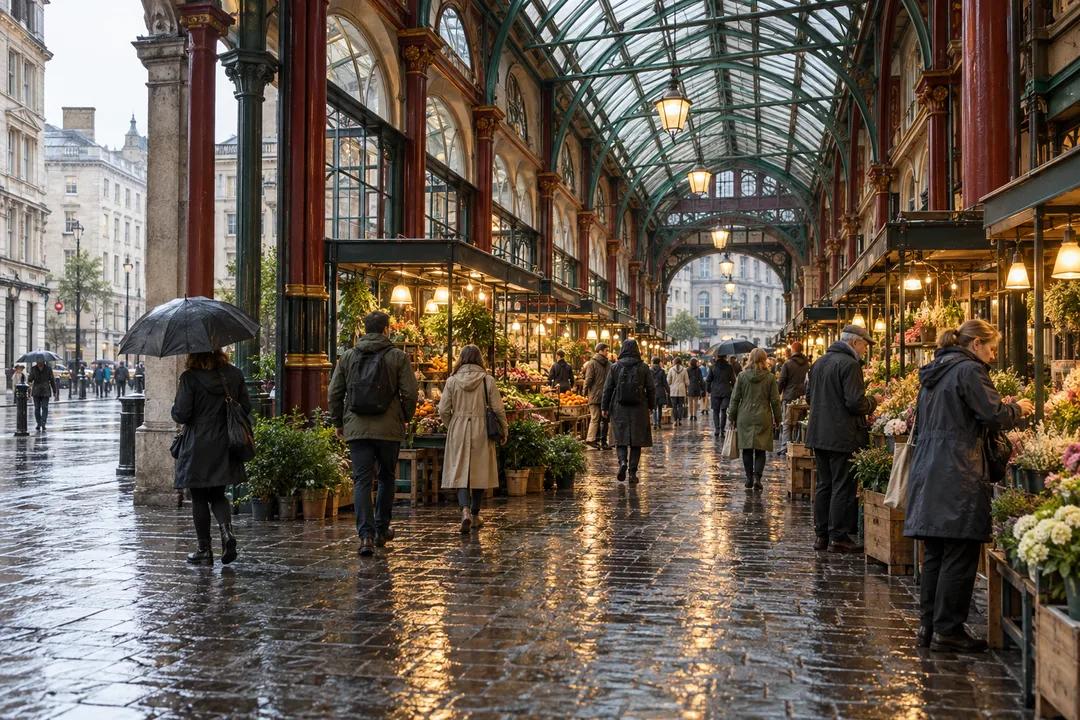
Compare a lively Covent Garden browse with a calmer indoor visit in rain, using seating, shopping appetite and outdoor transfers to shape your afternoon.
Rain can make a covered market sound like the obvious answer to a Covent Garden afternoon. But shelter and comfort are different questions. Some people want the movement, browsing and conversation of a busy market setting. Others need a calmer place to recover before continuing through the West End. A rainy day plan comparator helps you choose between those moods without inventing live crowd counts or available seats. Start with the experience you want, then ask the Karpo APP for a shortlist shaped around it.
Decide whether bustle is part of the pleasure
Imagine arriving somewhere dry but lively. People stop to look at displays, groups regroup in walkways and conversations overlap. For a visitor who wants variety, that movement can be the point of the outing. For someone already tired by travel, the same scene can feel like another task to negotiate. Neither reaction is unreasonable. Make your preference explicit before choosing an indoor destination, because an attractive roof or historic facade cannot tell you whether the atmosphere suits your particular afternoon.
Give each person one vote on what they need next: stimulation, a seat, food or a quieter conversation. Do this before someone starts naming favourite places. Names carry expectations that can hide the underlying disagreement. A person proposing a market may really want a snack, while someone proposing a museum may really want relief from noise. Once the need is visible, you can compare several ways to meet it. You may discover that a meal solves the problem better than adding another attraction.
Compare a market, an arcade and an indoor visit
A market-led plan offers browsing as its central activity. It works when changing displays and small discoveries sound enjoyable even if you do not buy anything. An arcade-led plan puts more emphasis on a short passage through shops and architecture. An indoor cultural visit asks for a different kind of attention and may involve admission conditions. These are categories to compare, not assurances about every place bearing those labels. Choose the category that matches your purpose before making a specific destination essential.
A lobby should not become a backup lounge simply because it is inside a museum or theatre. Public access, security boundaries and intended use still apply. If the goal is to rest, select a place whose visitor information supports the kind of stay you have in mind. If the goal is to see a collection, the rest comes second. Keeping those purposes separate avoids building an itinerary around a room you were never invited to use as a waiting area or work space.
Look at the edges of the shelter
Covered spaces can still have open sides, exposed approaches and busy thresholds. For your comparison, distinguish the part where you stand or browse from the journey to reach it. A sequence of roofed destinations is not automatically a route under one roof. Think through when you would fold an umbrella, carry it through a narrow passage and reopen it outside. These small transitions matter when someone has a pushchair, shopping bags or limited patience for handling wet clothing repeatedly.
Use the next decision point to keep things simple. You could agree to browse one section before choosing between a meal and a quieter stop. That is more practical than committing to a long list at the start and renegotiating after every doorway. Pick a place to regroup that does not obstruct an entrance or a shop display. The meeting arrangement is something your group controls, unlike the crowd around it. Clarity about where you will pause helps even when the surroundings are busy.
Make seating an explicit requirement
Seating deserves its own line in the brief. Wanting somewhere to sit is not the same as wanting the most interesting food selection. If a chair is essential, do not let the appeal of browsing distract you from the actual need. Compare an eating stop designed around sitting with one designed around collecting food. You can also choose a shorter outing and finish after the browse. Adding a second venue does not help if it creates another standing wait before the group can rest.
Avoid turning a vague expectation about crowds into a statement of fact. A weekend setting can be busy, but that does not establish its current queue, available table count or noise level at a particular moment. Use preferences that remain meaningful without those measurements. You may prefer a plan with fewer tight passages, a proper meal break or an easy exit. These features guide a recommendation without pretending to know how many people are presently standing beneath a particular roof.
Choose a shopping rule before you browse
Shopping can make the afternoon feel purposeful, but different buying intentions lead to different routes. Looking for one gift calls for a more targeted browse than enjoying displays with no purchase planned. Tell your companions whether you want help choosing, freedom to wander or a firm finish time. An open-ended search for something nice can expand to fill the whole afternoon. A small purpose gives the activity shape while leaving you free to walk away without a bag.
Keep your personal allowance separate from advertised prices. You can decide how much you want to spend on food or a gift without assigning invented figures to shops. Include the possibility of buying nothing. If one person wants to browse and another dislikes shopping, agree on a short shared section and a clear reunion point, rather than assuming everyone will enjoy the same displays. That agreement often improves the outing more than finding a supposedly perfect destination that tries to satisfy incompatible interests.
Request alternatives with different tradeoffs
Open the Karpo APP with a prompt such as: “We are around Covent Garden in rain and want an afternoon indoors. Compare a lively browse with a calmer cultural option. A seated break matters more than shopping.” Add the size of your group and how much time you want to spend out. This is a request for conversational recommendations. Treat any proposed stop as a candidate, not a reservation, and avoid reading a general suggestion as confirmation that a seat is currently free.
When reviewing the answer, ask what you give up with each choice. The lively option may offer variety but ask for more movement. The calmer option may narrow the afternoon to one activity. The seated option may make food the main event. Do not reward a proposal merely for containing more names. Pick the one that protects your essential need and makes its compromises obvious. If none fits, change the brief around the missing need rather than asking for an even longer list.
Practical notes for a comfortable West End pause
Agree on a simple finish before anyone disappears into a shop. Keep umbrellas folded away from displays, leave entrances clear and carry wet bags where they will not brush other visitors. For mobility needs, specify the actual access requirement instead of relying on the word covered. You do not need a live crowd prediction to make a sound choice. Tell Karpo whether you want buzz, space or a proper sit-down, then choose a short plan whose purpose everyone can explain without naming five further stops.
Ask Karpo for more information.
Keep reading
- Brixton Cozy Board Game Cafe Finder for Warm London Days
 Islington Cozy Board Game Cafe Finder for Calm London Days
 Hackney Cozy Board Game Cafe Finder for Rainy London Days