 Waterloo Cozy Board Game Cafe Finder in South London
Weekend Plans
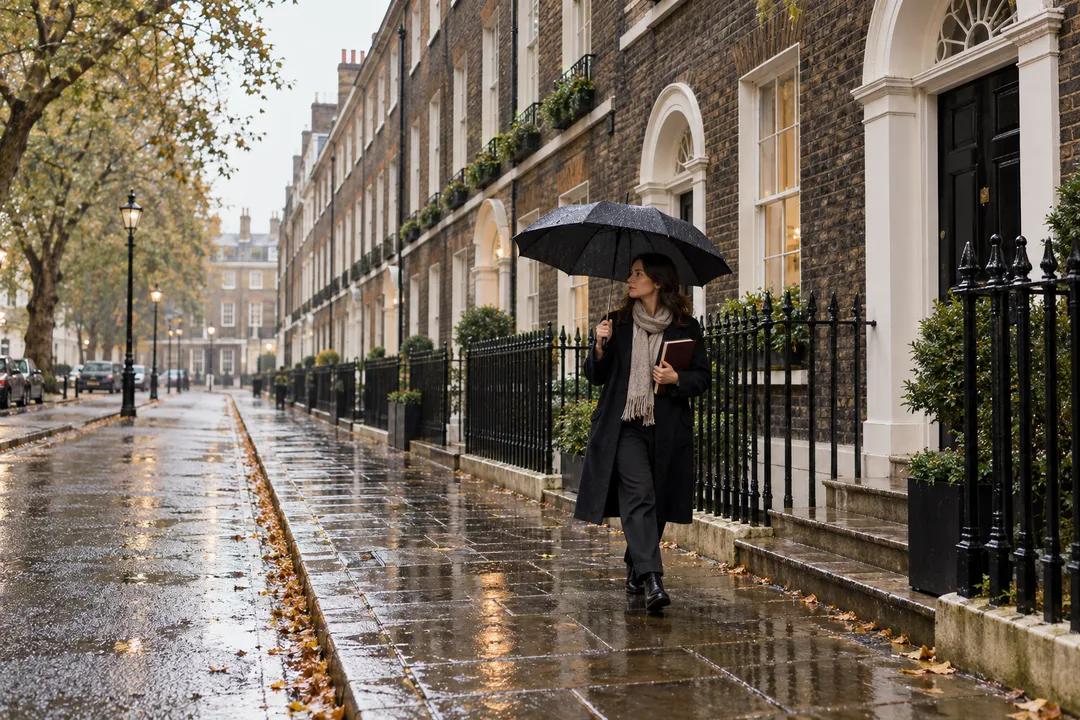
Bloomsbury Rainy Day Plan Comparator: Read and Rest
Choose a quiet Bloomsbury afternoon by separating museum time, book browsing and a seated pause, so rain does not turn your reading plan into a search.
A wet Bloomsbury afternoon can be restful without becoming a hunt for somewhere to sit. The useful choice is between looking at objects, spending time with books and taking an actual break. Those activities make different demands on your attention. Use this rainy day plan comparator to decide which one should lead, how much browsing belongs beside it and when warmth becomes the priority. Bring that brief to the Karpo APP for a personalised shortlist, rather than treating every indoor doorway as a reading room.
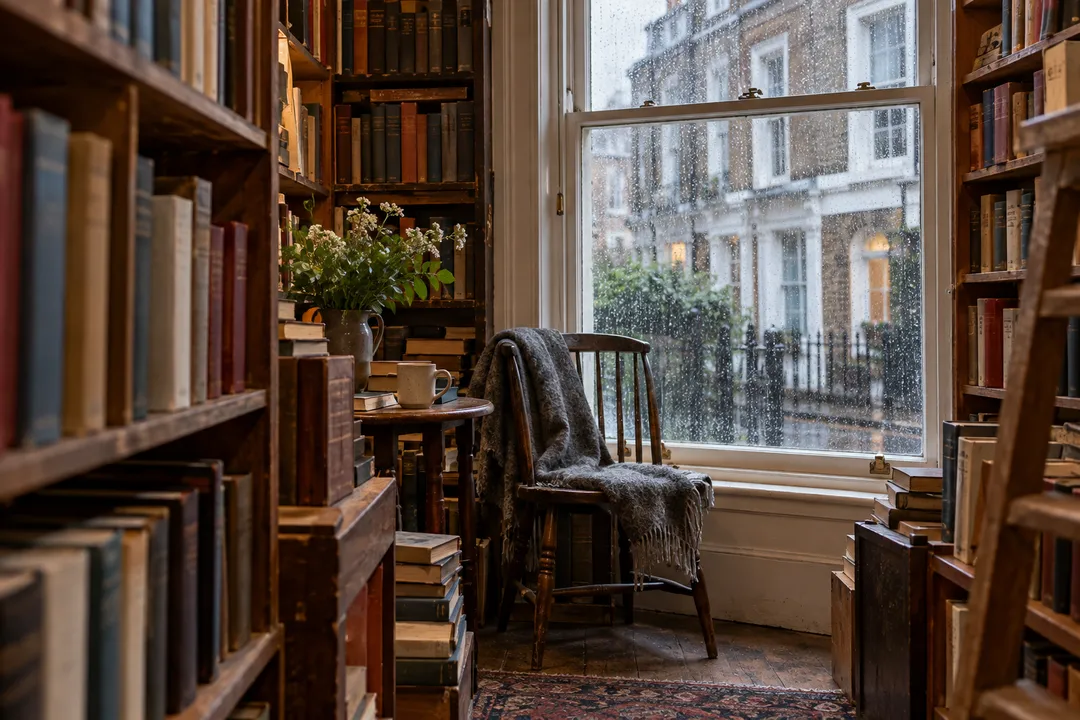
Name the kind of quiet you need
Quiet has several meanings. You might want freedom from conversation, a place to talk softly with a friend, or simply relief from wet streets. A museum visit can offer focused looking without providing a suitable place for extended personal reading. A bookshop gives you things to browse but does not necessarily offer a seat. A tea stop can make conversation comfortable while surrounding you with other conversations. Start by identifying the sound and activity you actually want, then compare places against that need.
Think about what you intend to carry. Reading a paperback for half an hour is different from opening a laptop, spreading notes or working through a reference book. The more equipment your activity needs, the less useful a casual browsing stop becomes. Make the task small enough to describe precisely: a chapter, a conversation, a browse for one subject or a short collection visit. That description will do more for the shortlist than the broad instruction to find somewhere cosy in Bloomsbury.
Keep collections and reading access distinct
The British Museum can be a cultural anchor in your request, but its name is not evidence that a particular reading space is available for casual use. A room associated with books, research or historical readers may have a specific public function or access policy. Do not build a plan around sitting there with your own material unless you have the relevant official visitor information. For this comparison, a collection visit and an independent reading session remain separate activities, each needing an appropriate setting.
Apply the same discipline to other library-like spaces. A beautiful photograph of shelves says little about admission, seating or permission to study. Ask what the public is being invited to do there. Browsing an exhibition about books, consulting a collection and reading your own novel are three different uses. You do not need to settle every institutional detail to make progress. If reading is essential, keep the candidate off your final route until its published access information supports that purpose, or choose a different kind of pause.
Choose between depth and browsing
A museum-first afternoon rewards a narrow intention. Pick a subject or kind of object that interests you, and allow the visit to be complete when you have satisfied that curiosity. Do not attach a bookshop merely because both activities sound intellectual. The bookshop earns its place if it offers a different pleasure, such as looking for a gift or discovering an author. If the group has already spent its concentration on collections, adding another information-heavy stop may feel more like homework than leisure.
A book-led afternoon begins with a different promise: time to handle choices and follow curiosity without needing to finish a major attraction. Give the browse a purpose gentle enough to remain enjoyable. You might look for a London essay collection, a novel for the train or a book to share with a friend. Leave room for finding nothing. Buying something should not be the condition for calling the afternoon successful. The browsing experience and the reading break can still be worthwhile on their own.
Make the warm pause deliberate
If tea is the reason you are leaving home, promote it to the anchor rather than squeezing it between supposedly more important activities. Compare whether you want conversation, a proper meal or simply a hot drink. A historic atmosphere is a separate preference, and any claim about a room's age needs its own source. There is no benefit in inventing a tea room's past to make the plan sound charming. Describe the experience you want, then consider recommendations that fit it.
A seated pause also changes the route's rhythm. It can divide two periods of attention, or provide a gentle finish after a single substantial visit. Decide which role it serves. If you place it in the middle, leave enough appetite and time to enjoy it instead of treating it as a holding area. If it is the finish, choose a point at which the group can comfortably part ways. This is a planning choice, not a promise that a table will be waiting when you arrive.
Minimise departures rather than counting doors
For persistent rain, count how often you must put a coat back on, open an umbrella and find a new entrance. A route with three nearby stops may involve more interruption than one longer visit followed by a single transfer. Avoid drawing straight lines between building names and calling the result sheltered. A real transfer includes the public exit, street crossings and the destination entrance. If your group dislikes this sequence, reduce the number of moves before worrying about squeezing the distances smaller.
Choose one flexible branch instead of several backups scattered across the area. After the anchor, you can either take the warm pause or finish the outing. A bookshop can be the alternative branch when everyone still wants to browse. This is easier to use than a chain in which every stop is technically optional but everyone feels obliged to continue. Tell your companions what counts as the end. A plan with an honest stopping point gives tired readers and museum enthusiasts equal permission to be satisfied.
Turn your preferences into a useful request
Try this in the Karpo APP: “We want a quiet Bloomsbury afternoon in steady rain. One of us likes collections and the other wants books. Suggest a museum-led option and a book-led option, each with one seated pause.” Add your starting area, time available and whether buying a meal is part of the outing. These are instructions for a recommendation. They do not ask the app to secure reading-room access, find an empty chair in real time or place an order on your behalf.
Compare the suggestions by attention, rest and outdoor interruption. Give each factor a simple judgement such as essential, welcome or unnecessary. A recommendation that excels at atmosphere but fails your essential reading need should fall behind a plainer choice that supports it. If the answer leaves an access point unclear, treat that as unresolved information rather than silently filling it in. You can still decide which overall style of afternoon suits you, and leave the unsupported detail out of the chosen version.
Practical notes for an unhurried finish
Keep wet umbrellas away from books and avoid spreading belongings across shared seating. Choose a bag arrangement that lets you browse without repeatedly setting damp things down. If you need step-free entry, a toilet or a particular kind of seat, make that a selection requirement from the outset. The strongest Bloomsbury plan may contain only a focused visit and a warm conversation. Ask Karpo for a shortlist around that rhythm, then choose the option that leaves enough attention to enjoy the book you bring home.
Ask Karpo for more information.
Keep reading
- Waterloo Cozy Board Game Cafe Finder in South London
 Shoreditch Cozy Board Game Cafe Finder in East London
 Brixton Cozy Board Game Cafe Finder for Warm London Days