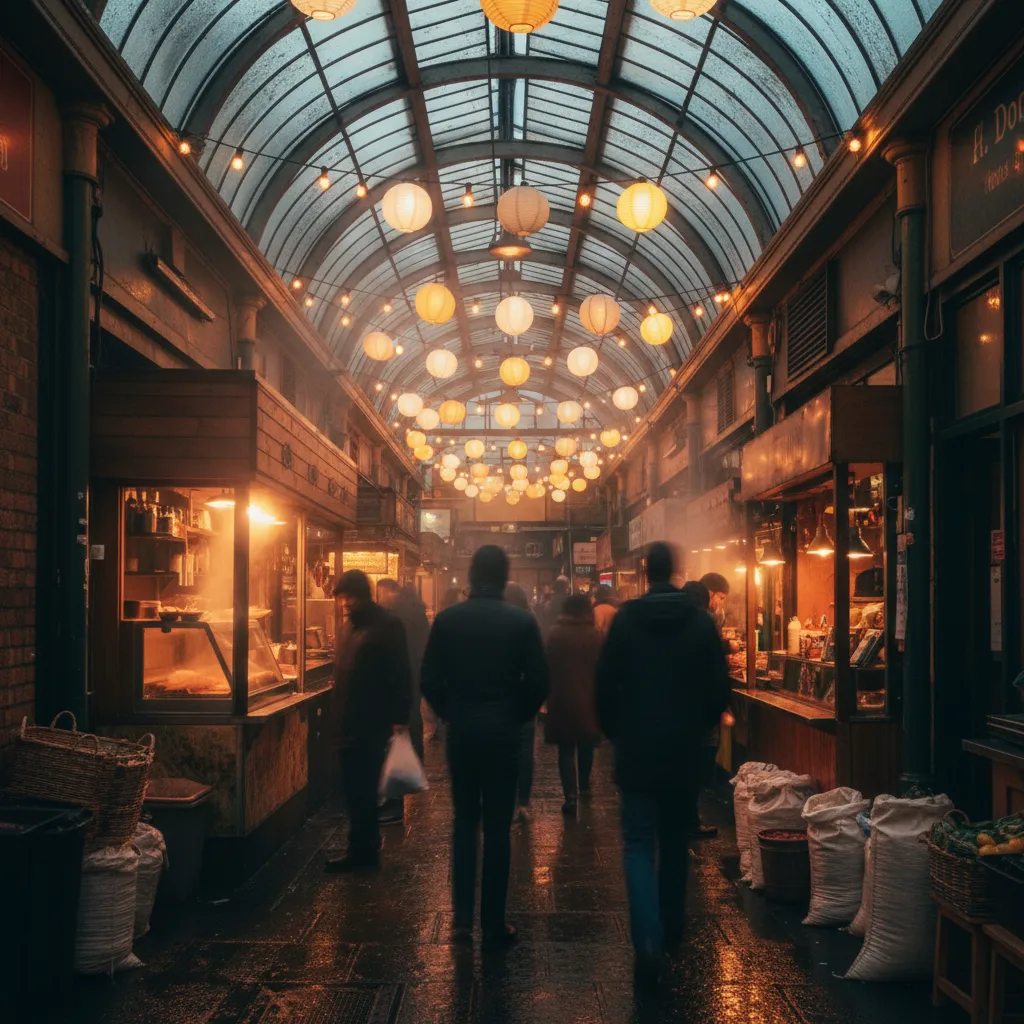
 Brixton Christmas Light Up Walk Planner: Rainy Arcades
Free Things to Do

London Quiet Museum Gallery Finder: Bloomsbury Art Spaces
Uncover serene academic museum wings and tranquil gallery rooms across Bloomsbury. Explore quiet morning archaeology archives and calm green squares.
Wandering away from busy university arteries and congested museum entrances reveals Bloomsbury as London's premier quarter for quiet intellectual contemplation. While the British Museum draws vast global crowds to its Great Court, the surrounding neighborhood is dotted with specialized university collections, historic hospital archives, and tranquil independent art spaces that remain remarkably peaceful. Leveraging an intuitive quiet museum gallery finder approach guides curious visitors into hushed archaeology cabinets, serene zoological study rooms, and quiet Georgian townhouses where centuries of scholarship and artistic curiosity can be explored in profound silence, surrounded by academic heritage. Wide pavement avenues, historic brick facades, and tranquil garden squares form an unbroken academic landscape where scholarly institutions have flourished side by side for over two centuries.
Examining Ancient Relics in the Petrie Museum
Hidden along Malet Place, the Petrie Museum of Egyptian Archaeology houses over eighty thousand historical objects, making it one of the greatest collections of Egyptian and Sudanese archaeology in the world. Tucked inside University College London's campus, this intimate museum features narrow wooden aisles, traditional glass-fronted vitrines, and pull-out specimen drawers containing ancient linen garments, delicate beadwork, and terracotta pottery. Because tourist tour buses rarely discover this tucked-away academic corner, visitors can study rare pre-dynastic artifacts and Coptic textiles in peaceful, reverent concentration, free from the jostling crowds of larger national institutions. Specialized display cases allow close inspection of intricate hieroglyphs, carved limestone relief fragments, and Predynastic pottery vessels that reflect the daily domestic rituals of ancient craftsmen.
Discovering Natural Curiosities at the Grant Museum
Crossing leafy campus quadrangles toward University Street brings art and science enthusiasts to the Grant Museum of Zoology, established in 1828 by Robert Edmond Grant. As the only remaining university zoological museum in London, it preserves historic teaching collections in Victorian mahogany cabinets. Solitary visitors can explore lit glass jars of rare biological preparations, delicate comparative anatomy skeletons, and historic wax models while enjoying deep acoustic quiet, making it an extraordinary sanctuary for illustrators, sketch artists, and reflective travelers who appreciate historical natural philosophy.

Timing Your Visit for Undisturbed Scholarship
Scheduling visits for quiet morning periods between 10:30 AM and 12:30 PM on Tuesday through Thursday helps you experience Bloomsbury's university museums at their most tranquil. During these weekday windows, undergraduate lectures are typically in progress, student foot traffic is centered around campus dining halls, and museum rooms remain relatively undisturbed. Late Friday afternoons also offer wonderful solitude, as the week's academic activity winds down, leaving museum aisles quiet and bathed in soft afternoon light that streams through tall Georgian windows. The gentle rustle of notebook pages and the subdued ticking of gallery clocks provide a peaceful backdrop, fostering an atmosphere of timeless scholarly investigation.
Connecting with Social Art and History at the Foundling Museum
Perched near historic Brunswick Square, the Foundling Museum celebrates the UK's first children's charity and first public art gallery, established in 1739 by Thomas Coram with support from artist William Hogarth and composer George Frideric Handel. The museum's reconstructed eighteenth-century interiors feature exquisite rococo plaster ceilings, historic portraiture by Gainsborough and Reynolds, and a dedicated Handel room where visitors can listen to classical compositions in armchairs overlooking quiet garden trees without background noise, absorbing profound historical narratives.
Studying Asian Ceramics and Global Art at SOAS
Examining rare manuscripts and study cabinets at the Brunei Gallery, located on the campus of SOAS University of London at Russell Square, provides access to extraordinary contemporary and historical exhibitions from Asia, Africa, and the Middle East. The venue features a tranquil rooftop Japanese roof garden designed according to traditional zen principles, offering carved stone lanterns, raked gravel paths, and quiet wooden benches where visitors can reflect on exhibition themes in complete stillness beneath the open sky. Rotating displays present traditional block prints, contemporary Islamic calligraphy, and sub-Saharan African textiles that showcase master craftsmanship and delicate natural pigments in pristine daylight.
Respecting Academic Gallery Decorum and Quiet Study
Practicing quiet academic gallery etiquette ensures that Bloomsbury's intimate study museums maintain their scholarly sanctuary status. Because these collections function as active teaching spaces for researchers and university students, visitors should keep voices to gentle whispers and avoid flash photography. Taking notes with pencil and paper, walking gently across wooden floorboards, and allowing fellow visitors ample space before display vitrines preserves an environment of shared concentration where serious looking is prioritized.
Resting Beneath Mature Plane Trees in Garden Squares
Sitting beside historic plane trees in Bloomsbury's famous garden squares offers a rejuvenating pause during an afternoon museum walk. Russell Square, Gordon Square, and Tavistock Square each feature sweeping green lawns, historic memorial statues, and shaded perimeter benches where members of the historic Bloomsbury Group once debated philosophy and literature. Resting for twenty minutes with a thermos of tea beneath towering trees provides an ideal sensory decompression between detailed gallery visits, refreshing your mind for further exploration. The historic gardens feature mature London plane trees, formal rose beds, and paved pathways where visitors can stroll slowly while letting complex historical themes settle naturally into memory.
Pacing Your Intellectual Energy Across Campus Venues
Retaining sharp perceptual awareness during dense archival visits requires structured pacing. Visiting two specialized collections over three hours—such as combining the delicate archaeological glass of the Petrie with the artistic treasures of the Foundling Museum—prevents intellectual fatigue. Pausing to write impressions in a small notebook while sitting in an uncrowded student cafe along Woburn Walk allows visual memories to crystallize naturally without rushing from gallery to gallery. Taking fifteen minutes to organize handwritten notes and review exhibition postcards over a warm infusion prevents visual fatigue and sharpens critical appreciation for subsequent stops.
Walking Along Historic Bloomsbury Mews and Terraces
Strolling through tranquil garden squares and Georgian pedestrian passages like Woburn Walk, Colonnade, and Byng Place shields you from commercial traffic. Designed in the early nineteenth century by Thomas Cubitt, Woburn Walk features elegant bow-fronted shop windows and traditional iron gas lamps that transport walkers back to the era of William Butler Yeats. These pedestrian-only lanes keep your journey between museum buildings quiet, gracious, and safe, adding deep architectural charm to your day.
Accessing Bloomsbury Museums via Public Transit
Commuting via Bloomsbury underground stations places you within effortless walking distance of every campus museum. Russell Square station on the Piccadilly line provides step-free exit toward Brunswick Square, while Euston Square station on the Circle, Hammersmith & City, and Metropolitan lines sits two minutes from the Petrie and Grant museums. Walking south from Euston Square along Malet Place avoids major roadway crossings, leading directly into quiet academic cloisters without navigating busy vehicular junctions.
Coordinating Cultural Walks with Karpo APP
Coordinating inspiring museum walks and discovering tucked-away academic collections throughout London is effortless with Karpo APP. The platform helps you find specialized university galleries, explore neighborhood heritage stops, and save tranquil walking ideas across historic garden squares and heritage terraces. Whether you are an art lover admiring classical antiquities or planning a quiet cultural afternoon in Bloomsbury, Karpo APP helps you bookmark serene spaces and organize your cultural day with ease.
Ask Karpo for more information.
Keep reading
- Brixton Christmas Light Up Walk Planner: Rainy Arcades
 Hackney Christmas Light Up Walk Planner: Canal Boats
 Islington Christmas Light Up Walk Planner: Square Dates