 Clapham Bouldering Gym Finder: New in Town, Climb to Mingle
Sports Social
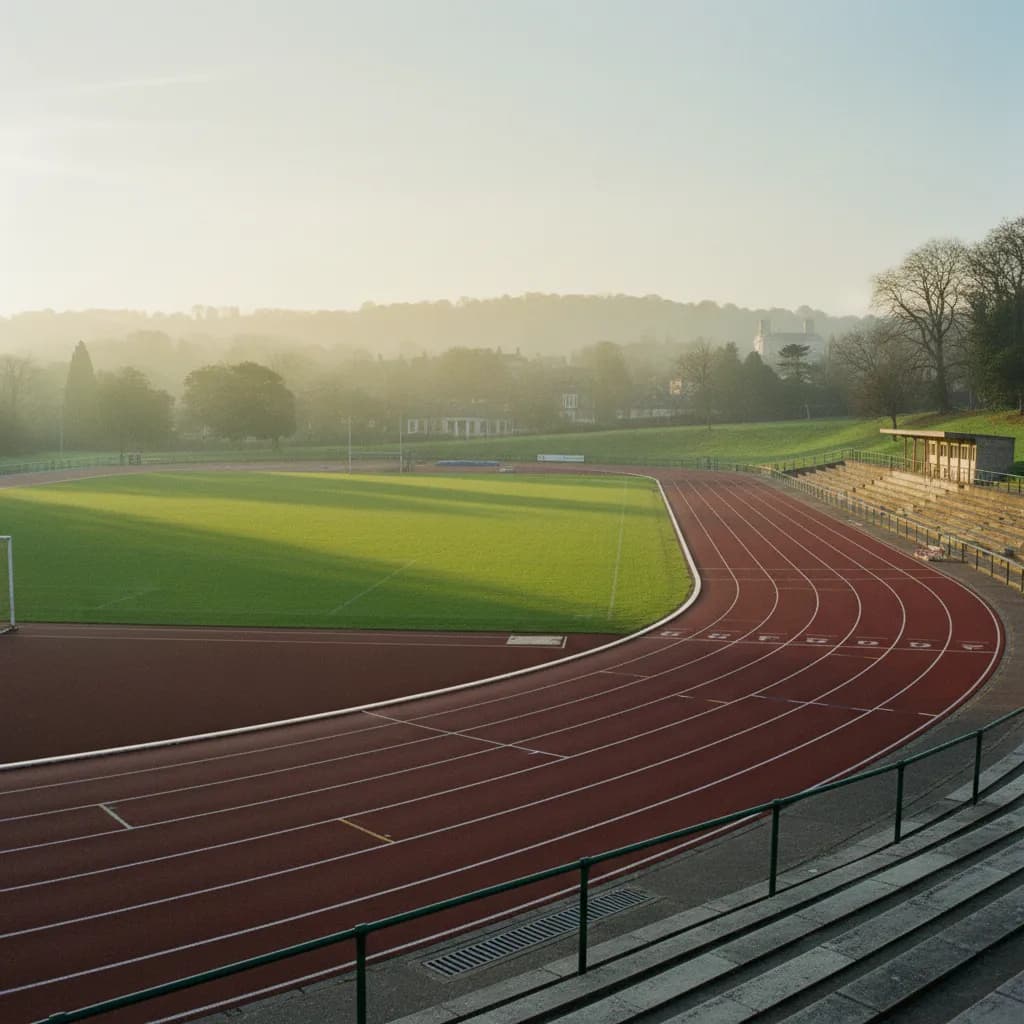
Bloomsbury Public Track Training Loop: Lane Rules and Pace
Locate dedicated public track training loop facilities near Bloomsbury with practical transit directions, interval workouts, and London running etiquette.
Bloomsbury holds an enduring place in London's intellectual and cultural heritage, celebrated for its formal Georgian garden squares, academic institutions like University College London, and grand landmarks surrounding the British Museum. While the gravel promenades of Russell Square, Bedford Square, and Gordon Square offer serene settings for gentle morning strolls, they are ill-suited for sustained speed development. Pedestrian congestion, tight turns around heritage iron railings, and multiple road intersections along Southampton Row make continuous interval pacing impossible. Serious runners residing in or visiting Bloomsbury must plan their speedwork around dedicated municipal facilities where synthetic ovals and measured distance loops provide the necessary focus and safety.
Reaching Parliament Hill Athletics Track from Bloomsbury
The premier public track serving athletes in Camden and Bloomsbury is the Parliament Hill Athletics Track, situated on the southern fringe of Hampstead Heath at Highgate Road, London NW5 1QR. Maintained to high standards by the City of London Corporation, this world-class facility features a 400-meter, eight-lane synthetic floodlit running oval with precision curve radiuses, synthetic steeplechase water barriers, and fully equipped field event sectors. It provides an exceptional environment for amateur runners, university athletics teams, and competitive road racers alike.
Navigating from Bloomsbury to Parliament Hill is remarkably convenient using London's integrated public transit network. Runners can board the Northern Line at Euston or Warren Street directly to Belsize Park or Hampstead, followed by a scenic ten-minute warm-up jog downhill toward the Heath. Alternatively, taking London Overground services from Euston to Gospel Oak station delivers runners directly adjacent to the track entrance gates. For athletes desiring an extended aerobic warm-up, jogging north along Camden Road and through Kentish Town adds approximately 3.2 miles of progressive road running before starting track repetitions.
The track facility at Parliament Hill offers public pay-and-play access alongside structured club training windows. Floodlights illuminate the running lanes during dark winter afternoons and evenings, allowing working professionals to log demanding interval sets year-round. On-site facilities include sheltered changing areas, hot showers, and secure lockers, making it straightforward to transition into post-workout routines.
Synthetic Cushioning, Impact Reduction, and Footwear Essentials
Performing high-cadence interval workouts on an engineered all-weather rubber track offers clear physiological benefits over London's hard road surfaces. The cellular construction of the synthetic track material deforms elastically upon impact, dampening peak shock forces that would otherwise travel upward through the ankle joint and lumbar spine. This energy-absorbing quality allows distance runners to complete high-volume anaerobic efforts with diminished muscle soreness and reduced danger of overuse stress fractures.
Equally important is selecting the right footwear for the training surface. Everyday running shoes with firm foam midsoles and durable rubber outsoles perform reliably across both the warm-up road commute and the synthetic track surface. If your workout involves short 200-meter sprints or high-intensity threshold pacing, lightweight tempo flats provide superior ground feel and responsive toe-off. Track spikes with standard six-millimeter needle pins are allowed during designated training sessions, but runners should introduce them gradually to avoid straining the Achilles tendon.
Lane Discipline, Group Etiquette, and Safety Considerations
Harmonious training on shared public tracks relies on strict adherence to established running customs. The universal rule of running anti-clockwise must be respected by every user. The inner lanes, specifically Lane 1 and Lane 2, are reserved exclusively for runners conducting fast interval sets and timed trials. Runners performing slower jogging recovery, technical drills, or walking rests must immediately move outward into Lanes 6, 7, and 8, or step completely onto the central grass infield.
Spatial awareness is essential when multiple training groups share the oval. Always look over both shoulders before drifting across lane lines to exit the track surface. When an approaching athlete calls out track from behind, hold your current line steadily rather than darting sideways, allowing the faster runner to pass cleanly on your outside right. Refraining from wearing noise-isolating audio gear ensures that public announcements and approaching footfalls remain clearly audible at all times.
Mile End Stadium Track as an Alternative Eastward Option
When travel schedules or personal routines align toward East London, Bloomsbury runners can easily pivot toward the Mile End Stadium Athletics Track in Tower Hamlets. Easily reached via the Central Line from Holborn station directly to Mile End, this municipal sports facility boasts a regulation 400-meter floodlit oval managed by GLL under the Better brand. Situated along the Regent's Canal corridor, the track provides community access for independent runners looking for consistent synthetic lane training.
Combining a track workout at Mile End with a scenic recovery run along the Regent's Canal towpath toward Victoria Park offers a dynamic training hybrid. The tranquil canal route provides flat, continuous gravel paths ideal for unwinding fatigued legs after rigorous track repeats, creating a well-rounded athletic excursion that spans central historic squares and vibrant East London parklands.
Weather Adaptations and Winter Training Protocols
Training through the London seasons requires deliberate adjustments to clothing layers and warm-up procedures. During crisp autumn mornings and chilly winter evenings at Parliament Hill, cold muscle tissue is particularly vulnerable to hamstring strains during sudden accelerations. Athletes should arrive wearing wind-resistant track pants and thermal base layers, keeping them on through the initial warm-up jog and mobility strides before stripping down to racing singlets or lightweight long sleeves for the core interval sets.
Rain is a frequent companion on North London tracks, but modern porous synthetic surfaces drain standing water rapidly, preventing hazardous hydroplaning. Carrying a dry change of clothes and a thermal jacket in your sports bag ensures you avoid chilling rapidly once your heart rate drops following the final repetition.
Designing Workout Progressions and Karpo APP Route Guidance
A standard speed session for Bloomsbury runners at Parliament Hill begins with a fifteen-minute progressive warm-up jog, followed by dynamic strides on the back straight. A classic workout blueprint entails six repetitions of 1000 meters at 10K target pace, accompanied by 90 seconds of standing or walking recovery on the infield grass. This protocol effectively challenges aerobic capacity while honing tactical pacing discipline across measured 400-meter segments.
To coordinate transport connections, review facility open hours, and explore low-traffic urban routes across Central London, runners can consult the Karpo APP. The application assists in discovering safe pedestrian connections, locating water fountains, and mapping integrated running paths connecting Bloomsbury with premier athletics tracks. Concluding your workout with a gentle jog back into Bloomsbury rewards you with quiet leafy squares, inviting cafes, and a profound sense of athletic achievement.
Ask Karpo for more information.
Keep reading
- Clapham Bouldering Gym Finder: New in Town, Climb to Mingle
 Marylebone Bouldering Gym Finder: Lunch Break Climbs
 Notting Hill Bouldering Gym Finder: Family Climbing Weekends