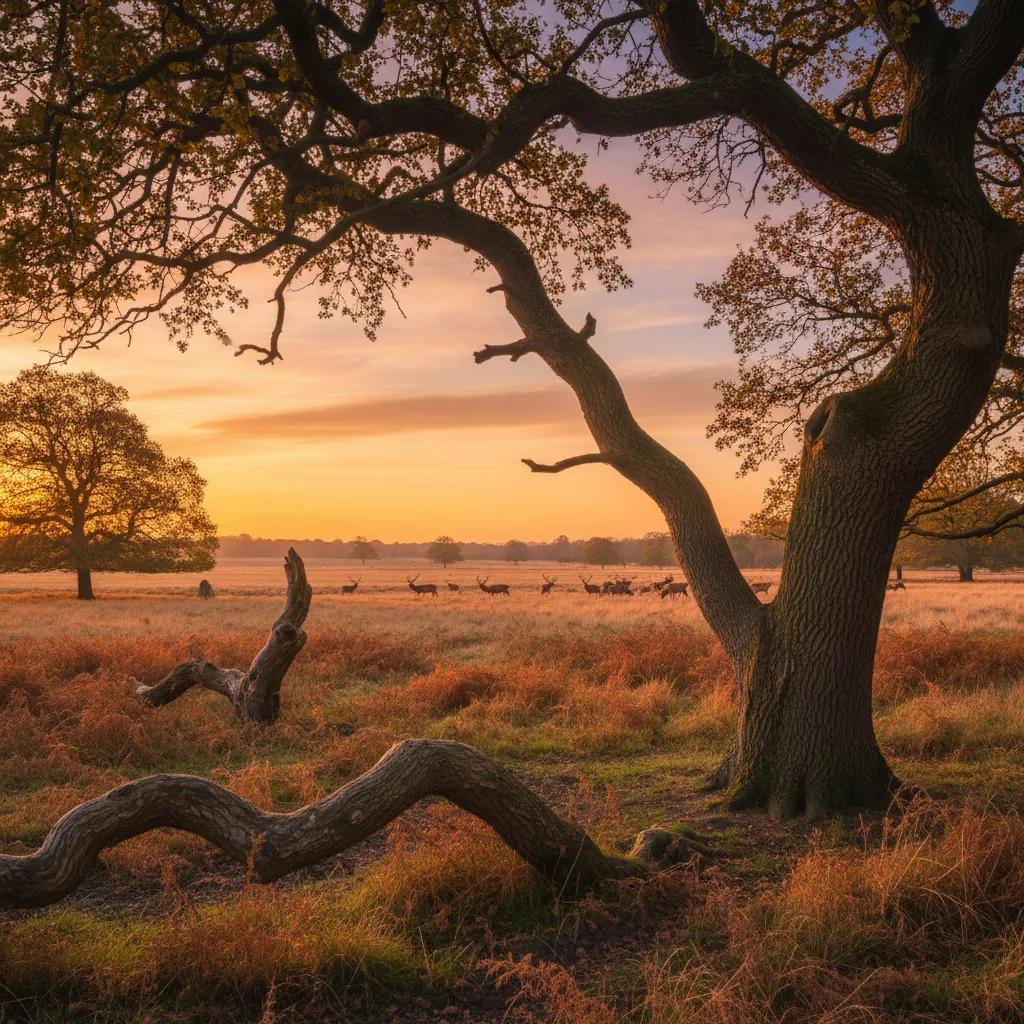
 Richmond Park Sunset Viewing Planner: Deer Meadow Horizons
Weekend Plans
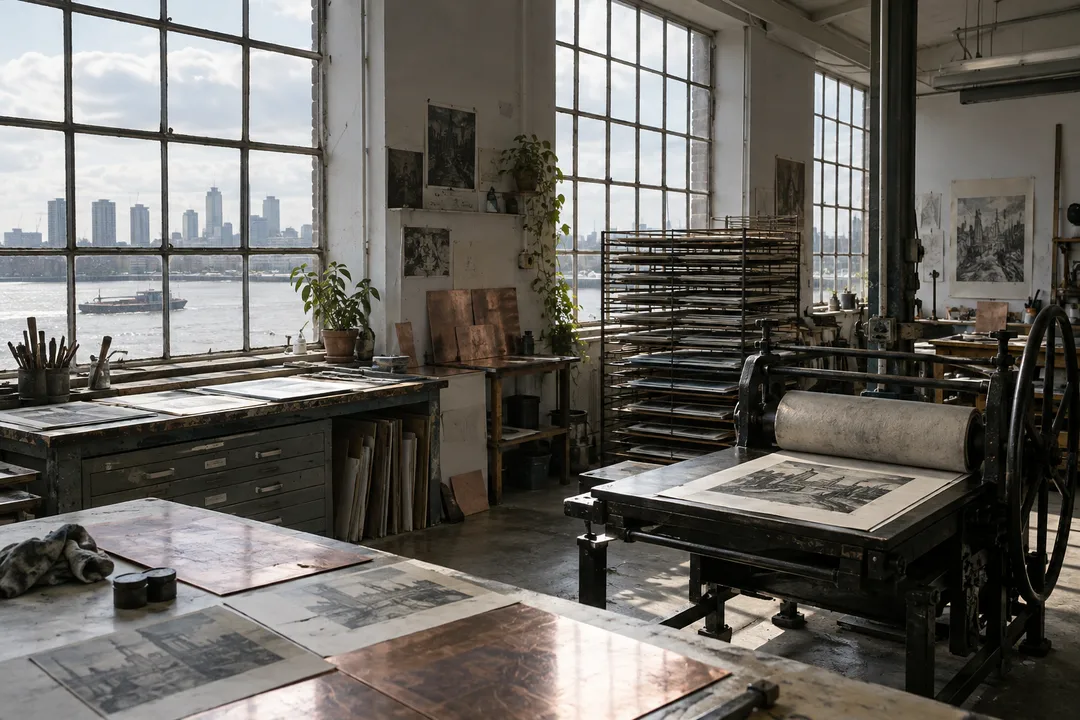
Woolwich Printmaking Studio: Beginner Etching By The Thames
Thames-Side Print Studio sits at Unit 4, Harrington Way, Woolwich SE18 5NR, inside an artist-led complex built for patient, press-based making.
Thames-Side Print Studio offers a different answer to printmaking studio near me: instead of a central classroom, it places the visitor inside the industrial scale of Woolwich. The current listing gives the studio as Unit 4, Harrington Way, Warspite Road, London SE18 5NR, within the broader Thames-Side Studios complex. The building is associated with working studios, exhibitions, facilities and artist-led production, so the visit feels connected to how art is actually made. Plan more than a quick activity slot. The setting, the equipment and the approach to the unit all reward an unhurried half-day. You are coming to understand a working environment, not simply to take a photograph beside a press.
What makes this place useful for first timers
Begin with the access arrangement rather than assuming the studio is a drop-in attraction. The wider site presents facilities, exhibitions and studio activity, which means a relevant enquiry or booked session is the respectful way to enter. Say what you want to learn: etching, relief work, screen-based printing, editioning or simply the logic of a press. A specific question helps the team decide whether you need an introduction, a studio conversation or a scheduled session. That preparation also protects the artists who use the room every day. Printmaking equipment is shared infrastructure. It is not something to handle casually while another person is working through a sequence.
How the working process unfolds
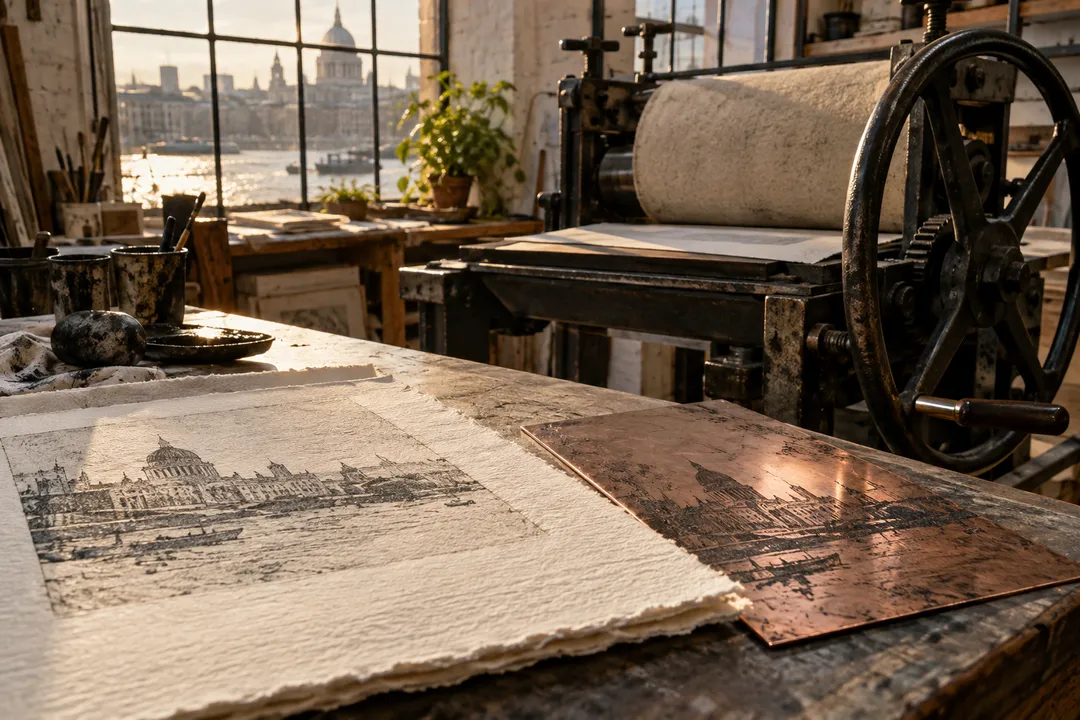
Press-based work rewards attention to small changes. Look at the relationship between plate, paper, pressure and drying time. A restrained print may involve careful surface preparation, a deliberate mark, controlled inking and several tests before the final impression. Notice the proofs and imperfect edges because they explain more than a polished framed image. If you are invited to make a mark, ask before adjusting a tool and let the person running a press complete the movement. The quiet studio etiquette is simple: clean the area, return materials, keep wet sheets separate and do not interrupt a concentration-heavy step. These habits are part of learning the medium, not administrative details around it.
The small rules that improve the session
Choose one process for a first visit. A small architectural shape, a texture study or a two-tone abstract mark will give you more useful feedback than an ambitious image that needs every technique at once. Ask how an edition is numbered, how a proof differs from the final run, and what happens to the paper after it leaves the press. Those questions turn a visit into an education. They also make the place easier to understand if you are considering future access. A printmaking studio can look intimidating because the machinery is large, but the learning task is often modest: prepare one surface, make one controlled impression, inspect it, and decide what the next adjustment should be.
How to choose a manageable first project
The riverside setting suits the medium because it slows the eye. Do not rush from the studio to the next appointment. Paper needs careful handling, plates need preparation and pressure needs control. Wear clothes that can work around ink and carry a firm folder or portfolio sleeve. Save the full unit address before leaving home because an industrial complex can feel less obvious than a shopfront. If the arrangement is an enquiry rather than a class, bring a concise description of your experience level and intended process. This is not a place to arrive with a vague request and expect the room to invent the whole day for you.
A neighbourhood walk after the last pull
After the studio, walk toward the Thames and let the industrial landscape become part of the visual research. Open sky, working infrastructure, long façades and changing reflections make a fitting counterpoint to the close concentration of a press bench. You do not need a checklist of attractions. A calm riverside loop and a drink are enough to let the day's marks settle. Keep fresh paper flat and away from drizzle. If you are carrying a plate or a delicate proof, choose the shortest route and avoid a crowded bag. The useful connection is between material and place: the same Woolwich scale that surrounds the studio can make a small mark on paper feel more deliberate.
Practical notes before booking
The honest advice is to skip a rushed drop-in plan. Thames-Side is best for someone who wants a serious creative setting and accepts that access needs planning. A beginner should arrive with one manageable idea and a willingness to listen. An experienced printmaker should come prepared to explain the technique or facility they need rather than expecting a generic tour. The studio's value is not a guaranteed list of tourist amenities; it is the chance to encounter printmaking within an active artist complex. That distinction makes the visit more satisfying for curious makers and less suitable for someone seeking a ten-minute souvenir activity.
Use Unit 4, Harrington Way, Warspite Road, London SE18 5NR when mapping the day, and follow the studio's current enquiry or booking information for access. Allow time for the final approach, wear practical clothes and bring a flat carrier for work. Watch before touching shared tools, ask before moving equipment, and treat imperfect test sheets as part of the lesson. The payoff is a grounded London art outing: a working press, a patient process, the scale of Woolwich and a riverside walk that gives the eye room to keep noticing.
A useful way to read the visit is as a sequence rather than a single reveal. The first proof may show that a mark is too light, that a plate needs more preparation, or that the paper is asking for a different pressure. That is not wasted time. It is the information that makes the next impression more intentional. Keep a small note of what changed between tests, especially if you are working with another person and sharing a limited session. A calm question at the right moment is better than trying to imitate a finished print without understanding its order of operations. Woolwich rewards that kind of attention: the studio's industrial context makes the craft feel practical, while the river gives you a quiet place to review what the paper is telling you.
Ask Karpo for more information.
Keep reading
- Richmond Park Sunset Viewing Planner: Deer Meadow Horizons
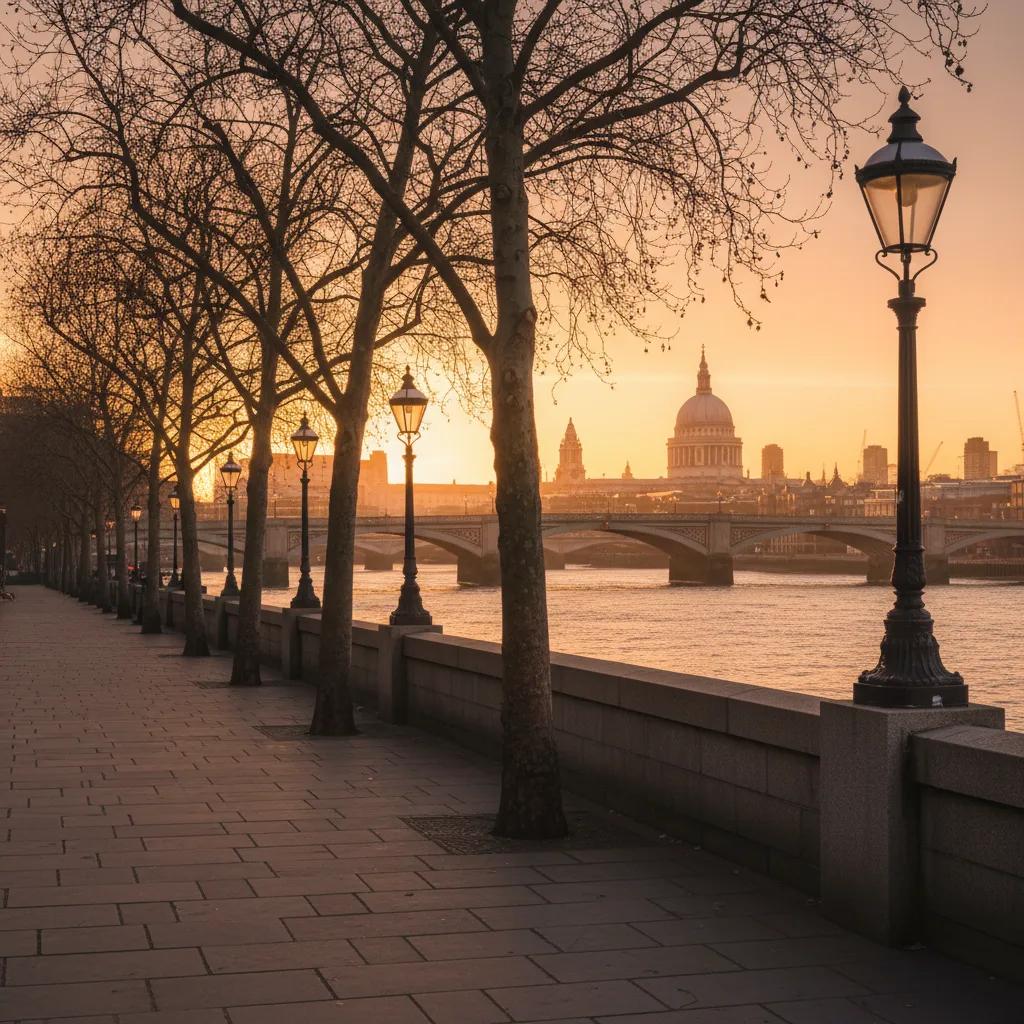 South Bank Sunset Viewing Planner: Thames Riverside Walks
 Parliament Hill Sunset Viewing Planner: London Heath Vistas