 Richmond Park Sunset Viewing Planner: Deer Meadow Horizons
Weekend Plans
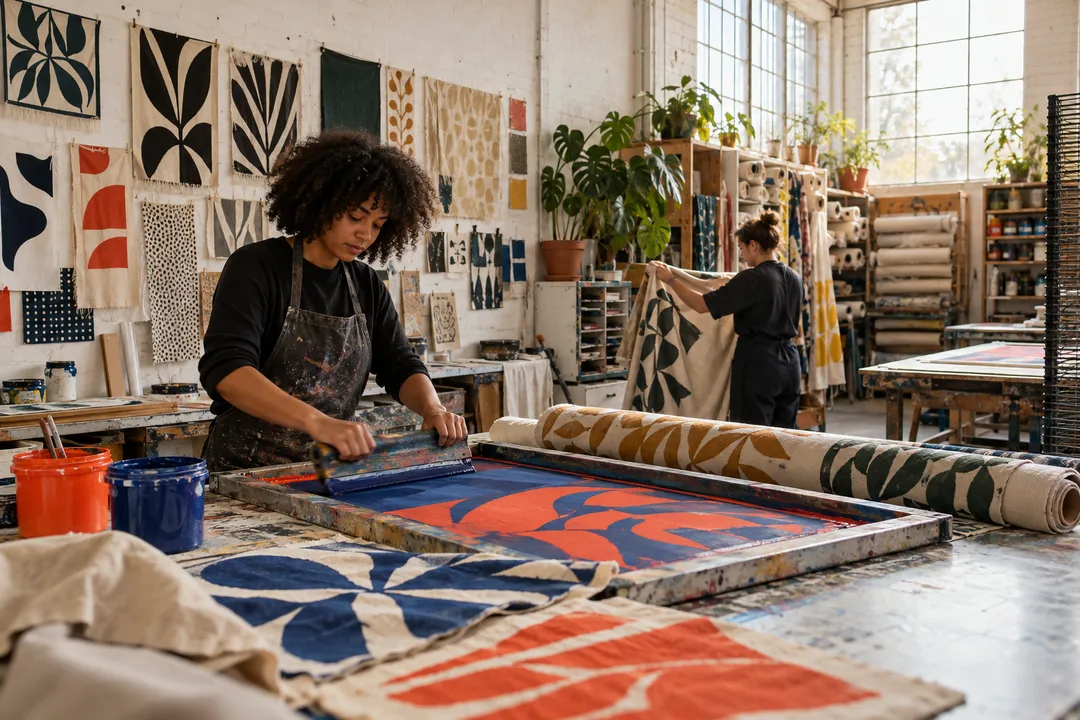
Peckham Printmaking Studio: Textile Screen Class Visit Tips
Sonsoles Print Studio is at Unit 11 Print Village, Chadwick Road, London SE15 4PU, with beginner screenprinting, four-evening classes and textile guidance.
Sonsoles Print Studio is a strong printmaking studio near me option when “near me” means an approachable place to learn screenprinting rather than a formal fine-art department. The current contact information gives Unit 11 Print Village, Chadwick Road, London SE15 4PU, and the studio publishes 07964 857439. It was established in 2012 in Peckham by Sonsoles, also known as Soni, Marquez, and is run by a small team of professionally trained artist-printmakers. The offer includes a one-day Beginner's Workshop, a four-evening Basic or Intermediate Course, themed workshops, educational sessions and team or private formats. The result is a professional room that still feels open to people making their first pull.
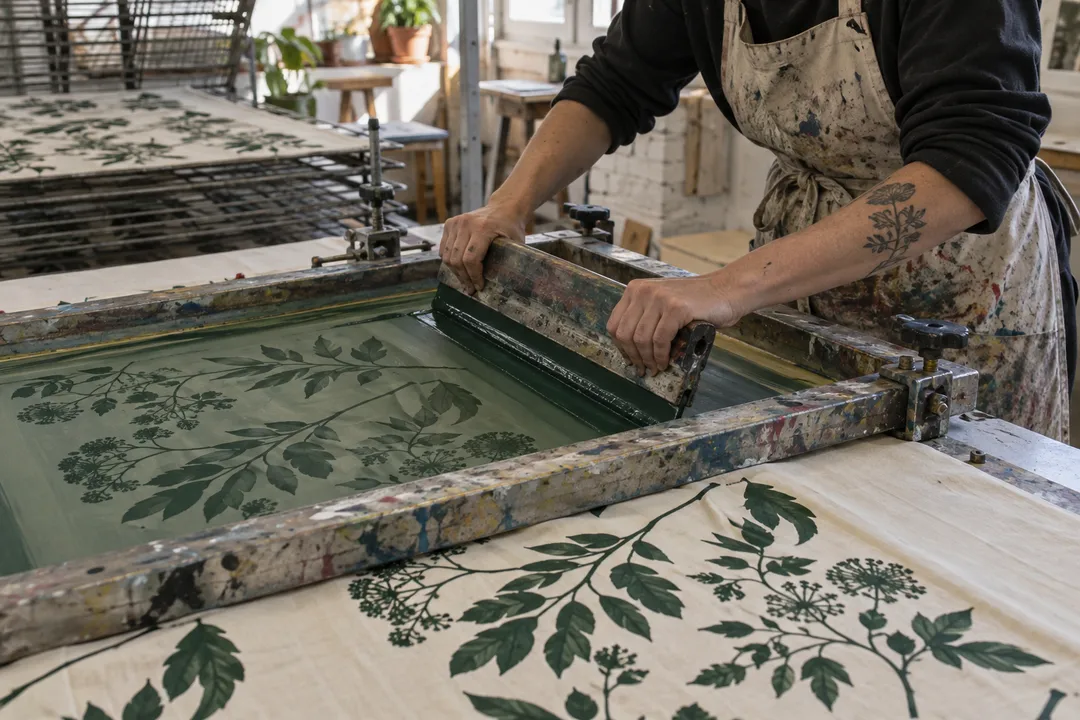
What makes this place useful for first timers
The Beginner's Workshop is the safest first choice because the studio describes it as a one-day introduction to essential screenprinting techniques. It suits someone curious about the medium, a returning maker who needs a refresher, or a visitor who wants a finished paper experiment without signing up for a long project. The four-evening Basic or Intermediate Course is different: repetition gives the image more time to develop and gives the learner space to correct habits. Choose the longer class when you want a portfolio direction, more than one attempt or a slower relationship with the process. The studio's FAQ says no prior experience is required for the beginner format and materials are included in course fees, which removes two common obstacles.
How the working process unfolds
The best preparation is a design that can be simplified. The studio's FAQ says bold shapes and flat colours work well for screenprinting, and that advice is worth following literally. A crowded photograph with delicate gradients may look exciting at home but become frustrating once it is separated into layers. A strong silhouette, a clear negative space and one accent colour make the mechanics visible. Bring a drawing, collage or printed reference and be willing to let the tutor explain what the screen can hold cleanly. Avoid trying to record every step on a phone. Watch the frame, the ink and the pressure instead. Understanding why an image works will help you long after the workshop photographs have been forgotten.
The small rules that improve the session
Sonsoles is especially valuable for visitors who want the process to move beyond paper. Its FAQ explains that the course is taught for paper but the technique can later be applied to T-shirts, tote bags and other textiles. That sequence is sensible: learn registration and ink control on a forgiving sheet, test the image, then decide whether it belongs on fabric. The studio also offers screen services, giving returning visitors a route to a more polished edition when they do not want to print every sheet themselves. Start with a paper test and a small fabric sample before committing to an expensive garment. The experiment should reveal whether the design survives a different surface, not create a costly problem.
How to choose a manageable first project
Studio manners keep the room enjoyable. Keep your working area compact, wait for the tutor before changing a step, separate clean prints from paper that has picked up ink, and return tools when the exercise ends. Wear practical clothes and bring a flat folder. The FAQ says students receive a 10% discount on studio access and courses, so bring the information needed for the booking rather than assuming it will be applied automatically. It also says a member can receive 50% off a one-hour induction. That makes membership a sensible second step: first learn the basics, then decide whether independent access is really what you want.
A neighbourhood walk after the last pull
Peckham provides a good after-class route because the studio sits inside Print Village rather than on an anonymous retail strip. Keep the walk easy and protect the paper. A short loop through local streets, a coffee stop or a look at nearby creative spaces gives the image time to settle. After working with registration, ordinary posters, signs and textiles become lessons in repeated colour. If rain is heavy, choose a covered stop and keep the print away from a crowded bag. The day does not need a long attraction list. The studio is the centre, and the neighbourhood works best as a textured continuation of the process rather than a distraction from it.
Practical notes before booking
For groups, Sonsoles offers a collaborative format for schools, community groups and creative breaks. Give a group one shared constraint—two colours, one simple shape or a common theme—so people can compare choices without waiting for a single complicated design. For a solo visitor, a beginner session provides enough structure without forcing a social performance. Skip the assumption that the first screenprint must look polished. The first useful result is the one that shows what to adjust: pressure, registration, ink coverage or image scale. That honest feedback makes the next attempt better. The studio's friendly teaching style works because it treats a mistake as material information rather than embarrassment.
Use Unit 11 Print Village, Chadwick Road, London SE15 4PU when planning the route, and keep 07964 857439 as the studio phone. The Beginner's Workshop is the simplest start; the four-evening Basic or Intermediate Course is better for deeper practice. Materials are included in course fees according to the studio FAQ, and the beginner format needs no previous experience. Bring one workable idea, clothes for a hands-on room and a flat carrier for paper. Sonsoles succeeds because it links a professional screenprinting studio with a real beginner pathway, then leaves room for textiles, membership, screen services and repeat making once the first pull makes you want another.
There is also a useful distinction between learning the method and commissioning a result. A beginner class is the better choice when you want to understand why a screen registers, how an even pull feels, and what changes when the surface moves from paper to cloth. Screen services make more sense after that first experiment, when you can describe the size, colours and finish you actually need. Keep the first design modest: a bold mark can be tested on paper, compared against a fabric sample, and adjusted before it becomes a tote bag or shirt. That order protects both the material and the budget. Sonsoles is most useful when the visitor treats the workshop as a real introduction to a repeatable craft, not as a shortcut to a perfect souvenir.
Ask Karpo for more information.
Keep reading
- Richmond Park Sunset Viewing Planner: Deer Meadow Horizons
 South Bank Sunset Viewing Planner: Thames Riverside Walks
 Parliament Hill Sunset Viewing Planner: London Heath Vistas