 Brixton Cozy Board Game Cafe Finder for Warm London Days
Weekend Plans
Pottery Ceramic Studio Hoxton: £30 Wheel Time, Open Access
Turning Earth Hoxton at Railway Arches 361-362 Whiston Road offers £30 hourly wheel access and £260 monthly membership for focused East London making.
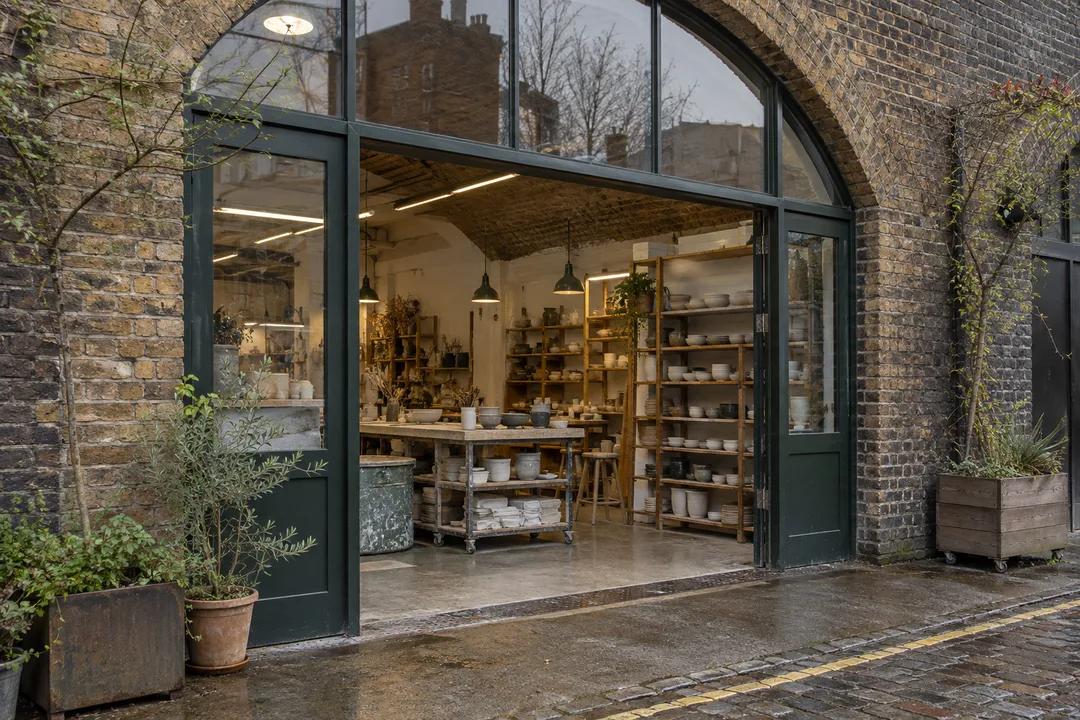
Turning Earth Hoxton is an unusually clear answer to a pottery ceramic studio search because the offer is concrete: the studio lists £30 an hour for one person, £45 an hour for two, and a £260 monthly membership. The address is Railway Arches 361-362, Whiston Road, London E2 8BW. That combination makes the first decision simple. Book a single wheel session if you want to learn the feel of the room, choose membership only when you already know you will return often enough for open-access studio time to matter.
Why Hoxton works for a first session
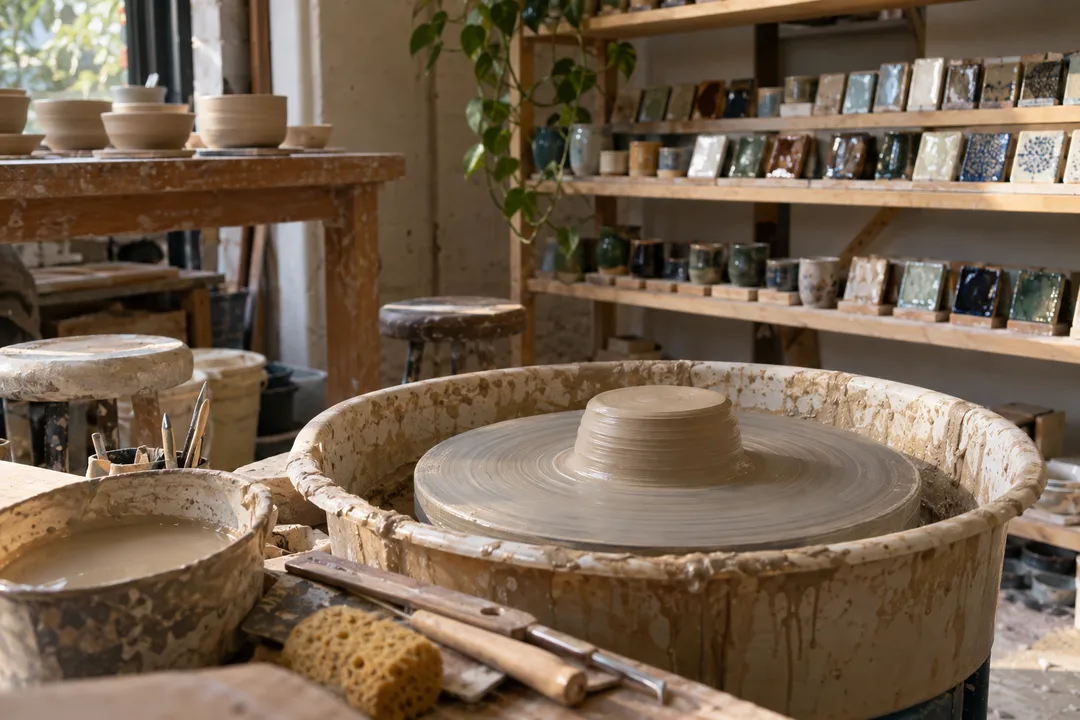
The setting shapes the experience. This is an East London railway-arch studio rather than a polished craft retail room, so expect shelves of work in progress, shared tools, and a practical rhythm around wheels, clay, drying boards, and firing. The regulars are easy to read: one person is quietly centering a cylinder, another is trimming yesterday's pieces, and a newer maker is asking how much water is too much. The useful etiquette is to keep your splash pan and tools in your own working footprint, leave communal surfaces clean, and ask before borrowing a specialist tool.
For a first visit, the best workflow is to reserve the smallest useful block and arrive with a specific project. A small cup, planter, or breakfast bowl gives you a manageable target, a large vase is a poor first test because centering, wall thickness, drying, and trimming all multiply the ways a piece can fail. Bring clothes that can take clay, short nails if you want cleaner hand positioning, and a bag for damp work. The studio's open-access promise is most valuable when you use it to practise one repeatable move rather than chase a perfect object.
How to use the open-access model
The signature skill here is wheel throwing, but the practical draw is the full studio ecosystem around it. You can think in stages: wedge or prepare clay, centre, pull, shape, set aside, trim, glaze, and fire. That sequence is why a quick drop-in can become a longer project. Ask how the studio wants pieces labelled and where work should rest between stages. Makers who treat the drying shelves like a shared queue tend to have a better visit than people who leave an unlabeled pot and assume they will remember it later.
The pieces worth prioritising are the ones that expose form. A straight-sided tumbler teaches control of an even wall, a low dish teaches compression and rim care, a small handled cup introduces a second session's worth of attachment work. I would skip an ambitious sculptural commission on the first booking. The point of the £30 hour is not to leave with a museum object, it is to learn whether this studio's pace, equipment, and community fit the way you like to work.
What to make and what to skip
Queueing at a pottery studio is less about a line at the door than about access to the right resource. Wheel availability, drying space, kiln timing, and instructor attention are the pressure points. Make the booking before travelling, arrive early enough to set up without taking someone else's station, and ask the front desk where finished work belongs. If the room feels busy, do not improvise a second project while your first piece is still unstable. A calm, narrow plan usually produces a better pot and leaves the next maker more room.
Hoxton also rewards a short neighbourhood walk after the clay is packed away. Start around Whiston Road and the railway arches, then drift toward the Regent's Canal for a change from the studio's horizontal work surfaces. The point is not to turn the afternoon into a checklist. Look at brick, water, painted shutters, and market textures as references for shape and surface. A photographer might notice repeated circles in wheels and canal moorings, a maker can carry that visual vocabulary into the next glaze test without copying a souvenir object.
A useful Hoxton plan
If you are deciding between a one-off visit and membership, use the price logic rather than the romance of owning a studio shelf. At £30 an hour for one person, repeated short sessions add up quickly, the £260 monthly option becomes more compelling when you need regular practice and can use the studio's open-access structure. The £45 two-person rate is useful for a paired introduction, but two people sharing a single creative plan may learn more than two people making unrelated objects side by side.
Practical Notes: the venue is Turning Earth Hoxton at Railway Arches 361-362, Whiston Road, London E2 8BW. The official studio page lists £30 hourly access for one person, £45 for two, and £260 monthly membership. Plan for clay on clothing, a labelled drying space, and a project small enough to finish in the session. If the studio is full or your timing slips, move the booking rather than arriving with an oversized project and no drying plan. Karpo APP can help compare nearby pottery options before you reserve.
Hoxton is particularly useful for makers who learn by watching other people solve small technical problems. Notice how a confident thrower supports the outside wall, how a beginner keeps the rim from spreading, and how a glaze test is arranged before it becomes a finished object. None of those observations replaces instruction, but they give the room a visual vocabulary. If your first pot fails, keep the pieces or photograph the profile before recycling it, the failure tells you where the wall became uneven, where the base was too thin, or where your hands changed speed. The next visit should target one correction. That is a more honest measure of progress than comparing your first cup with a professional's work. Hoxton's price also makes that experiment legible: a single £30 hour is a contained risk, while the £260 membership is a commitment to repeated practice. Decide based on how often you can return, not on how attractive a shelf of finished ceramics looks in the room. Before leaving Hoxton, write down the address, booking details, project idea, and packing plan in one note. Keep the first project small, leave room for drying and trimming, and give yourself enough travel margin to arrive without taking over a wheel another maker needs. A useful visit ends with a labelled piece, a clean station, and one technique you want to repeat. That record makes a second £30 session purposeful rather than improvised, and it gives you a fair basis for deciding whether the £260 membership belongs in your routine.
Ask Karpo for more information.
Keep reading
- Brixton Cozy Board Game Cafe Finder for Warm London Days
 Islington Cozy Board Game Cafe Finder for Calm London Days
 Hackney Cozy Board Game Cafe Finder for Rainy London Days