 Quiet Marylebone Irish Coffee Bar Night Picker in London
Bars & Nights Out
Marylebone Post Work Unwind Spot Finder: Quiet Parlours
Use a Marylebone post-work unwind spot finder to choose quiet seating, a gentle walk and a clean route home. Set your social energy and stopping time first.
A Marylebone post work unwind spot finder is useful when the goal is not maximum activity but a softer transition. The neighbourhood can support a quiet parlour mood, a gentle street loop or a conversation that does not need to compete with music. Tell the Karpo APP how much social energy you have left, whether you want a seat straight away, and the latest time you want to head home.
Describe quiet in a way the plan can use
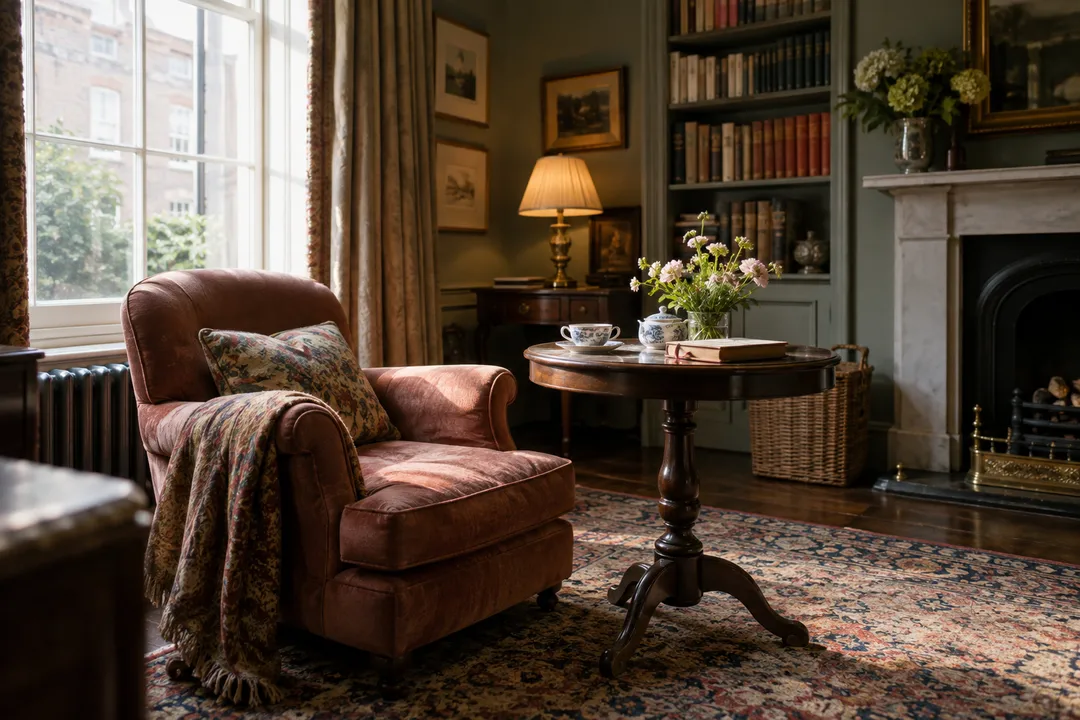
Quiet can mean low music, generous space, a corner seat, or simply a room where you can hear the person opposite. Choose the version that matters tonight. If you are alone, mention reading, journaling or watching the street. If you are with someone, say whether the conversation is reflective or light. These details are more useful than calling a place lovely.
Add one sound or crowd boundary. You might accept a little hum but not a queue, or prefer a small room to a large open floor. The finder can then place the calmest option first and keep a livelier alternative in reserve, instead of making you compare everything at once.
Keep the walk restorative, not performative
A Marylebone stroll can help you shed work if it has a purpose. Ask for a short loop with one visual cue, a bench-like pause or a quiet street, rather than a sightseeing checklist. State how long you want to be moving and whether you prefer a direct route on main pavements. The plan should feel like breathing space, not another assignment.
If your energy is low, put the seat first and the walk second. If you are restless, ask for ten minutes outside before settling. The same input can produce two different evenings, which is exactly why the route needs your current state rather than a fixed idea of what Marylebone is for.
Make the first pause genuinely easy
Ask for an opening stop where you can arrive without ceremony. You may want tea, a simple drink, a small plate or nothing beyond a place to put your bag. Say if you need a table for one, a quiet pair of seats or a little distance from a doorway. A practical first pause lets your nervous system catch up with the clock.
Include the length of the pause. Fifteen minutes can be enough to decide whether to continue; forty-five may be the whole evening. If you do not specify, a plan may overfill the time you have. A clear pause length helps the finder build a route that respects your attention instead of spending it.
Create a gentle second option
The best backup for a calm evening is not necessarily another quiet room. It could be a slightly more social stop, a short bookstore-like wander, or a direct route home with one scenic corner. Ask for one alternative that changes only one variable. That gives you choice without asking your brain to start over.
Use a decision point after the first pause. If you feel restored, take the short walk; if you feel finished, leave. The plan should make both choices feel complete. A good unwind guide does not measure success by how many stops you used.
Plan for a friend who needs quiet too
When two people are tired, the most generous plan is usually short. Say that both of you want conversation without rushing, and ask for one seated anchor plus an optional loop. If one person arrives later, let the first stop remain workable for a solo arrival. This avoids the awkwardness of meeting at a loud doorway with no clear next move.
If one friend wants more energy, keep that as a later branch rather than the opening requirement. The calmer person gets a real landing, while the evening can grow if both people want it. Put that social compromise into the request so the route supports it from the start.
Protect the exit as carefully as the start
A quiet evening loses its shape if the final leg is complicated. Tell Karpo where you need to finish, when you want to leave and whether you prefer a direct route over a final detour. If transport is uncertain, ask for a plan with an early exit option. The tool can structure the middle around that boundary, rather than leaving the hardest decision until the end.
Do not add a new stop just because you have ten minutes left. Ask whether the remaining time is better spent sitting, walking slowly or going home. That honest choice is often the difference between feeling restored and carrying the night into tomorrow's first meeting.
Save your calmest settings
Afterwards, note what made the evening gentle: immediate seating, a ten-minute walk, low sound, a clear endpoint or the ability to leave without explanation. These are reusable settings. The next time you search, you can keep the structure and change only the company or arrival point, making the finder more personal with each request.
Ask the Karpo APP for one concise output next time: a calm-first shortlist, a short route with one pause, or two options ranked by walking and social energy. The point is not to outsource your evening. It is to remove the small frictions that stop you from choosing the kind of rest you actually need.
Let the plan end before you do
A gentle evening benefits from a little buffer before the journey home. Ask for the last pause to finish several minutes before your actual departure, so you can gather your things and leave without rushing. If you want to walk, put that movement before the final seat. The finder can then protect the ending instead of treating every minute as available.
A useful result may contain only one recommended stop and one optional loop. That is not a thin answer; it is a plan matched to limited attention. If you feel better halfway through, you can ask for a nearby extension, but you begin with an evening that already knows when to stop.
Ask Karpo for more information.
Keep reading
- Quiet Marylebone Irish Coffee Bar Night Picker in London
 Richmond Pub Quiz Night Picker for Scenic London Evenings
 Fulham Pub Quiz Night Picker for Relaxed London Evenings