 Quiet Marylebone Irish Coffee Bar Night Picker in London
Bars & Nights Out
Covent Garden Post Work Unwind Spot Finder: Cozy First
Find a Covent Garden post-work unwind by choosing a cozy first stop, crowd tolerance and an easy exit. Use your time and mood to shape a flexible evening.
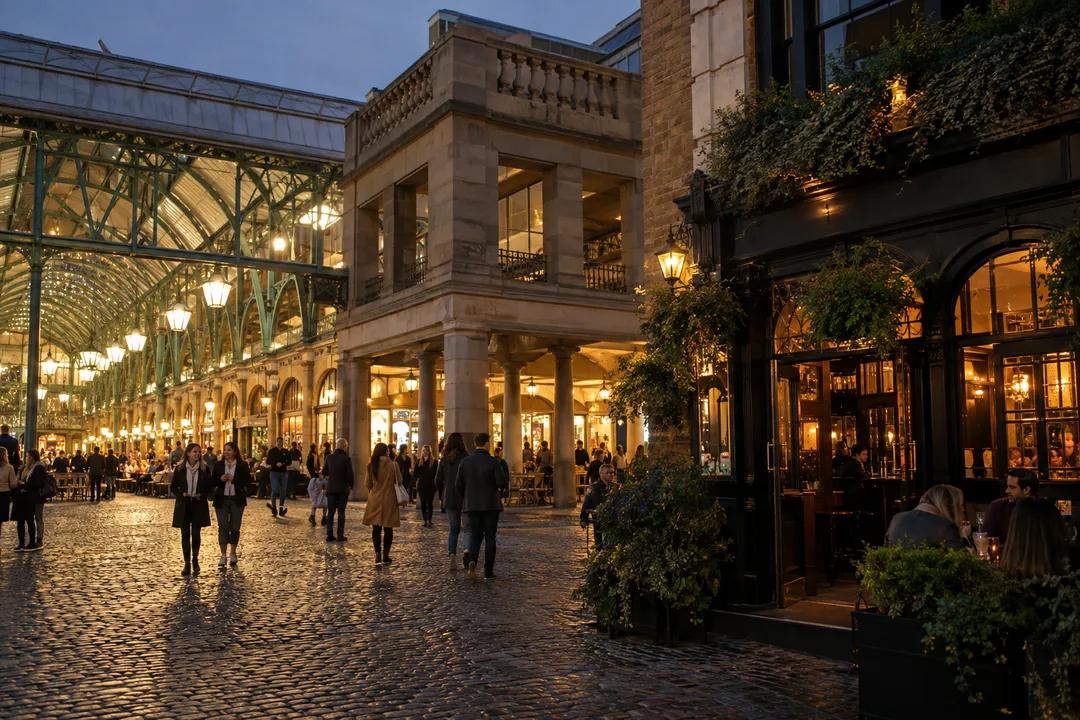
A Covent Garden post work unwind spot finder should begin with the kind of landing you need, not a venue category. The market area can feel celebratory, theatrical or surprisingly calm depending on the route and time. Tell the Karpo APP whether you want a tucked-away seat, a little people-watching, or a short walk before settling. Add your company, your leave-by time and whether one optional pivot is welcome.

Name the room you need tonight
Use concrete atmosphere words: low-lit and seated, bright enough to talk, sociable but not showy, or a tavern where a quick stop feels normal. If you are alone, say whether you want a counter or a small table. If you are with colleagues, say whether the evening needs a quiet debrief or a louder release. Those signals help the finder rank mood before novelty.
Give one boundary that matters more than everything else. It might be no standing wait, no long walk, or a room where two people can hear one another. A clear boundary makes the shortlist usable and prevents a picturesque suggestion from winning on looks while failing the actual evening.
Use the market as a short prelude
If you want a little movement, ask for a market-side prelude before the first seat. Keep it short and describe what you want to notice: lights, architecture, buskers, or the changing crowd. The finder can make that walk part of the plan rather than leaving you to wander until the original unwind window is gone.
If you are already tired, reverse the order. Put the cozy stop first and make the arcade an optional post-pause loop. This small choice is why a planner helps: it lets the same neighbourhood serve a restorative evening or a more social one without pretending they are identical.
Make the first stop easy to abandon
A first stop should not create pressure to stay. Ask for somewhere you can settle, order simply and leave after one pause if the room is wrong. You can add a preference for a seat that does not require crossing a crowded floor or for a place where a short visit feels ordinary. The goal is permission to test the mood.
Then request one nearby alternative with a different energy. If the first room is too quiet, the pivot can add conversation; if it is too busy, the pivot can slow the evening down. Keeping the alternatives close means changing course feels like part of the plan rather than a failure.
Build a theatre-night version
Covent Garden often sits inside a larger evening. If you have a performance, tell the finder the start time and the latest comfortable arrival. Ask for one short pre-show pause and a direct route afterwards, or a quiet landing before the curtain. Time is the main constraint here, so a useful plan protects it instead of filling every gap.
If there is no ticket, say whether you want the feeling of an occasion or something deliberately ordinary. The same streets can support both. A planner that knows the emotional job of the night will make better trade-offs than one that assumes every visitor wants a grand itinerary.
Handle queues and full rooms without drama
Crowds are part of the area, but they do not have to decide the evening. Ask for a plan with an inside fallback and a maximum tolerance for waiting. You can also specify that a short walk is acceptable if it keeps you seated sooner. Those limits make the result honest: it gives you options without claiming to know an exact queue.
If you arrive earlier than expected, let the plan spend that time on a small architectural loop or a calm drink. If you arrive late, drop the pivot and keep the first stop. The ability to remove a step is as important as the ability to add one.
Choose company-friendly pacing
For a friend you have not seen in months, ask for a room where the conversation can stretch. For a team, request a first stop that makes arrivals easy and an optional second location for anyone who wants more time. For solo unwinding, prioritise a clear seat and a direct exit. Naming the relationship helps the finder set the pace.
Do not ask for a full crawl when what you want is a single good hour. One anchor and one optional walk often create a better memory than a list of four places. The planner can still suggest a pivot, but the evening remains yours to extend or end.
Write a Covent Garden brief in one sentence
A reusable request might say: 'I am arriving after work, want a cozy seated first stop, up to ten minutes of market atmosphere, one quieter fallback, and a simple route home by ten.' Adjust the words for your mood, but keep the order: arrival, feeling, movement, alternative, exit. That sequence tells the finder what matters.
Finish by asking for the output you need: a two-option shortlist, a short walking order, or a timed plan around a show. The Karpo APP is a decision aid, not a promise that every room will suit you. A clear brief lets you act on the answer quickly and leave the rest for another night.
Keep an ordinary ending available
A night can feel special without ending at another destination. Ask for a direct route home as a valid final option, especially if the first pause has done its job. You can still include a brief market loop, but make it removable. That protects the evening from the pressure to perform a finale simply because the neighbourhood offers one.
If you are deciding with someone else, put the ordinary ending into the shared brief. It gives both people permission to stop while the mood is good. A planner can show the optional extension, but the calmest choice should remain visible and easy to take. If you have only an hour, keep the walk to five minutes and make the first seat the whole point. If you have more room, let the optional loop earn its place after you have settled.
Ask Karpo for more information.
Keep reading
- Quiet Marylebone Irish Coffee Bar Night Picker in London
 Richmond Pub Quiz Night Picker for Scenic London Evenings
 Fulham Pub Quiz Night Picker for Relaxed London Evenings