 Clapham Weekend Brunch Planner: Parkside Morning Cafes
Restaurants

Walthamstow Pie and Mash Shop Finder for Tiled Interior Fans
Love old shop interiors? This Walthamstow pie and mash shop finder pairs tiled dining rooms with the market and the William Morris Gallery for a design-led day.
Walthamstow is where William Morris was born in 1834, and it is also one of the best places in London to eat pie and mash surrounded by tiles. The old shops of north-east London were built to be scrubbed clean, so glazed walls, marble tables and wooden benches became the standard look. This pie and mash shop finder is for people who care as much about the room as the plate, and it turns a heritage lunch into a full design-led day out.
Why the Interiors Look the Way They Do
The classic pie and mash shop interior was practical before it was beautiful. Glazed tiles and marble tops could be washed down at the end of a long day, wooden booths took heavy use for decades and mirrors made narrow rooms feel bigger. Over time those practical choices became a recognisable style, and a few old London shops are now protected for their interiors.
When you walk in, look up as well as around. Many rooms keep decorative tile borders, painted lettering, old light fittings or a long serving counter that has been in place for generations. You do not need any training in architecture to enjoy it. Simply noticing how the room has been cared for is part of the pleasure of eating in one of these places.
Finding a Shop That Kept Its Character
Not every pie and mash shop has an old interior. Some have been modernised, some moved premises and others are newer businesses that serve the dish in plainer rooms. When you search, look at recent photos from other diners rather than relying on old articles, since interiors and opening patterns change over the years and nostalgia pieces can be out of date.
Walthamstow High Street, with its long street market, is the natural place to start, and the wider area around Leyton and Leytonstone has pie and mash history too. Pick one shop as your main lunch and keep a backup in mind in case a favourite is busy or shut that day. A heritage room is worth a short detour if it means eating somewhere you will remember.
Looking Closely at Tiles and Lettering
Take a moment before you eat to notice the details. Tile colours in these shops often run to deep green, cream and white, with patterned borders at waist height and sometimes near the ceiling. Painted signs on glass and mirrors can show the family name or the classic menu items in old-fashioned lettering that sign painters still study today.
If you like to draw, a small sketchpad and pencil are welcome as long as you are a quiet, paying customer and you do not block the aisle. For photos, be considerate of other diners and staff, and ask before taking pictures of people. Many owners are proud of their rooms and will happily tell you which parts are original when the lunch rush is over.
Ordering the Classic Plate
The heritage room deserves the heritage order: a minced beef pie with mash and liquor, the parsley sauce that has always been part of the dish. Traditionally the liquor was made with the water used to cook eels, which is why it tastes savoury rather than creamy. Many shops now make versions that suit different diets, so it is worth asking what goes into theirs.
Add a splash of vinegar from the bottle on your table, and chilli vinegar if they have it. Eels, stewed and served hot or jellied and served cold, are the other old staple. If you have never tried them, a small portion shared with a friend is an easy way to taste a piece of London food history without committing to a whole bowl.
Walking the Market Afterwards
Walthamstow Market runs along the High Street for about a kilometre and is often described as one of the longest outdoor street markets in Europe. After lunch, wander its length slowly. You will pass fabric stalls, fruit and vegetable sellers and household goods, and the variety of people shopping there says a lot about how the area has changed over the past century.
Look above the stall awnings at the shop fronts too, since many upper floors keep their Victorian and Edwardian details. Design fans often find the mix of old brick, painted signs and bright modern shop fascias just as interesting as the tiled pie shop. It is a good way to settle a heavy lunch before the next stop.
Morris at Lloyd Park
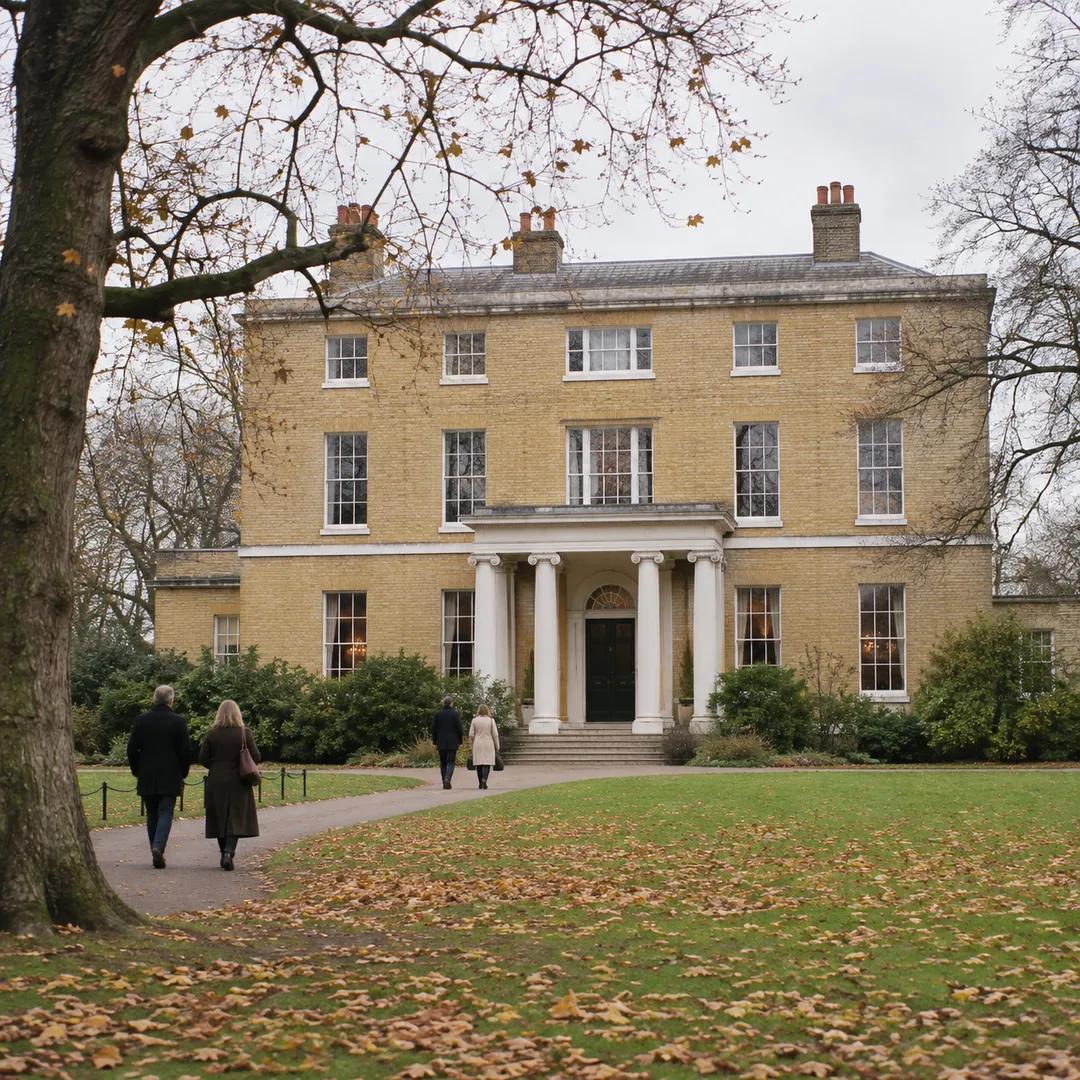
Finish the day at the William Morris Gallery, set in the Georgian house in Lloyd Park where Morris lived as a teenager. It tells the story of his life, his patterns and his ideas about craft, and seeing his designs after a lunch among old tiles makes the connection between everyday beauty and useful objects very clear.
Morris believed that ordinary rooms deserved care and good design, and an old pie and mash shop is, in its own way, a proof of that idea. Take your time in the galleries, then step out into the park for fresh air. On a crisp November afternoon, the bare trees and the pale house make a calm ending to the day.
A Short Detour to Walthamstow Village
If you still have energy, walk to Walthamstow Village around Orford Road, a quieter corner with older cottages, a church and a small cluster of cafes and pubs. It feels a world away from the bustle of the market, and the timber-framed Ancient House near the church is one of the oldest buildings in the area.
This part of the walk gives you a fuller picture of how Walthamstow grew from a village into a busy London suburb. It is also a pleasant place to sit with a warm drink, look through your photos or sketches and decide which details from the pie shop you want to remember most.
Practical Notes for a Heritage Day
Come on a weekday if you can, when the market is busy but the shops are less crowded than on a Saturday. Wear comfortable shoes for the long walk along the High Street and bring a light bag for any market finds. The notes app on your phone is handy for jotting down tile colours and details.
Walthamstow Central station is the obvious arrival point, linking the Victoria line and the Overground. From there the market, the gallery and the village are all reachable on foot. Allow most of the day if you want to enjoy each stop rather than rushing between them.
Planning It With Karpo APP
Open Karpo APP and tell it what you want, for example a pie and mash lunch in Walthamstow with an old tiled interior, a walk along the market and a visit to the William Morris Gallery. Karpo can suggest pie and mash shops in the area, a sensible order for the day and cafes nearby for a break between stops.
You can also ask Karpo for other heritage dining rooms across London if the interiors spark a new hobby. Save the plan, share it with a friend who loves old buildings and come back to it when you want to explore another neighbourhood. One good tiled room usually leads to the next.
Ask Karpo for more information.
Keep reading
- Clapham Weekend Brunch Planner: Parkside Morning Cafes
 Hackney Weekend Brunch Planner: Canalside Roastery Tables
 Soho Weekend Brunch Planner: Historic Townhouse Tables