 Richmond Park Sunset Viewing Planner: Deer Meadow Horizons
Weekend Plans

London Panoramic City Lookout: Primrose Hill in 3 Layers
Read the London skyline from Primrose Hill in three layers: grass, neighbourhood roofs and sky, with a focused approach to looking, sketching and photos.
Primrose Hill gives London's skyline a foreground: grass, trees and the visible shape of a climb. For a panoramic city lookout visit, that foreground is the point. Instead of trying to collect every distant landmark, read the scene in three layers: the park beneath your feet, the streets between the hill and the towers, and the thin line of buildings against the sky. This is a visit for looking slowly rather than chasing a particular colour of sunset.
Begin with the ground, not the tallest building
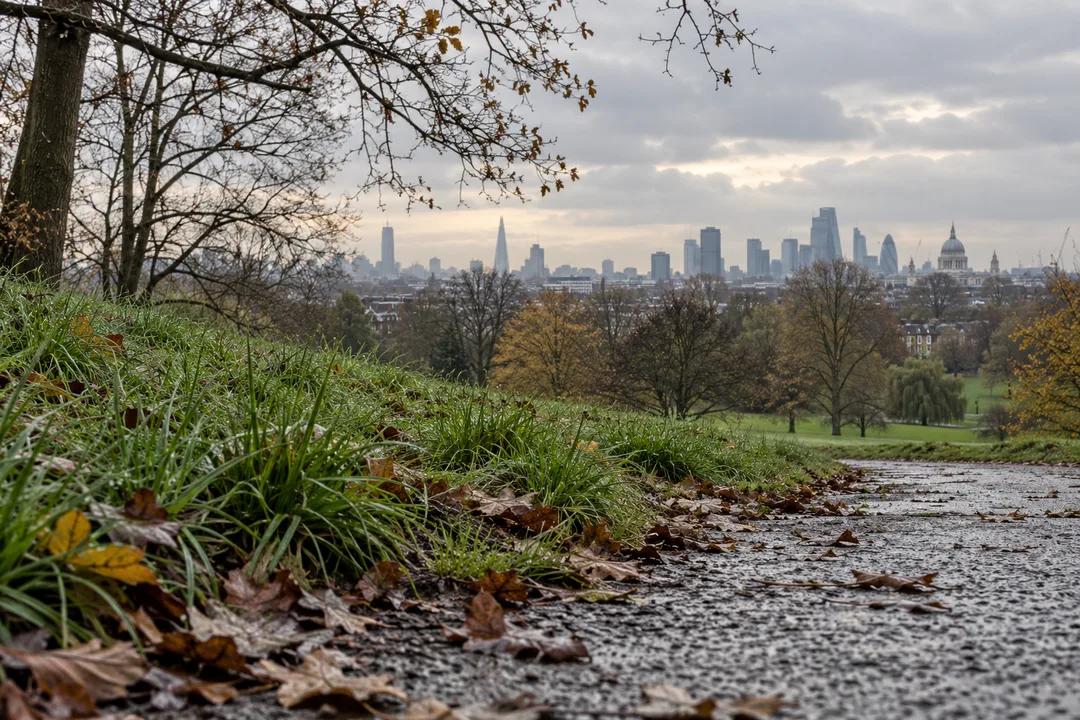
Keep your camera down for the first look. A skyline can become a row of recognisable objects so quickly that you miss the landscape holding it together. At Primrose Hill, let the slope establish the scale before following the buildings. The grass occupies real space in front of you. The city seems distant because the eye has somewhere to travel, rather than because the buildings are especially small. That distinction changes the photograph you will want to make.
Choose a comfortable place where stopping does not obstruct a path. Then notice how much of the foreground you actually want in the picture. A low viewpoint makes the park feel expansive; a tighter frame turns London into a band of shapes. Neither is the correct version. Try both, and decide whether the memory you want is about being on a hill or about identifying the skyline. Those are different pictures, even when taken from almost the same place.
The middle distance is where London becomes a city
Between the grass and the tallest buildings, look for the less dramatic accumulation of roofs and trees. This middle layer is easy to discard when zooming, yet it explains how an ordinary neighbourhood and a monumental skyline belong to the same landscape. Follow a horizontal line rather than jumping from tower to tower. You do not need to know the name of every structure to see where a cluster becomes dense, breaks apart, and gathers again.
For a sketch, give that middle band more attention than the individual windows. Start with broad masses and leave gaps where sky or trees interrupt them. If you are looking without drawing, use the same method mentally. Find a dark group, a pale group and an empty interval. The exercise makes the panorama readable without turning a leisurely outing into a quiz. It also gives companions something concrete to discuss besides whether a distant shape is the building they think it is.
Give the sky room to change the composition
The third layer is the sky, which can make a familiar silhouette feel different without changing a single building. A flat pale background makes edges easy to distinguish. Broken cloud can divide the panorama into areas of brightness and shade. In haze, distant forms may soften into one another. These are visual possibilities, not promises about the weather on your visit. Work with the conditions in front of you rather than waiting for a photograph you saw somewhere else.
Try placing the horizon low in one frame and high in another. With more sky, the city can feel small and atmospheric. With more ground, the hill becomes the subject and the skyline becomes its setting. Avoid making a panoramic sweep merely because the phone offers that function. A wide image that includes everything may say less than a restrained frame with one relationship clearly expressed. Keep the version that has a reason for its width.
A two-person visit without a running commentary
If you are coming with someone, agree on a small looking exercise before discussing what you see. Each person can choose one shape, one colour and one feature in the foreground. Compare those choices afterwards. One visitor may have watched the clouds while the other followed the roofline. The difference is useful: it shows how the same lookout supports more than one kind of attention. There is no need to make every pause into a portrait session.
For photographs of a companion, let the person occupy the landscape rather than pretending to hold a distant landmark. Ask before taking close pictures, especially when other visitors might enter the frame. A small figure beside a broad foreground can communicate the hill's scale without making strangers part of the story. Keep bags and equipment beside you, leave the walking line clear, and finish a composition without claiming the whole view as a temporary private set.
Walk first, then decide whether to stay
Do not build the outing around a single exact standing position. Explore the relationship between path, grass and horizon as you move, then stop where the picture feels balanced and the footing suits you. A view can become more interesting slightly away from the most obvious cluster of cameras. That is an invitation to observe, not a claim that a hidden spot will be empty. Shared outdoor places do not provide guaranteed solitude, and the visit need not depend on finding it.
If the scene feels too busy, shorten the lookout portion and make the surrounding walk the main event. If the light feels uninteresting, make a study of texture or silhouettes instead of waiting indefinitely for drama. If conditions make the slope unpleasant, leave the hill for another day rather than forcing the planned photograph. A useful alternative changes the purpose of the outing; it does not require adding another destination simply to rescue an itinerary that has stopped feeling enjoyable.
Let the neighbourhood walk remain a walk
After looking at London from a distance, pay attention to the smaller scale as you leave: the way a path meets a street, the contrast between a tree canopy and a roof, or the change from open sky to enclosed pavement. Keep the continuation modest. The reward of a city lookout is partly that it makes ordinary streets look different afterwards. Filling every remaining minute with named stops can erase that change of pace before you have noticed it.
Use the Karpo APP to ask for ideas for the next part of your London day, explaining whether you want a short walk, somewhere to sit, or a different kind of activity. Describe the mood you want to keep rather than requesting a list of everything nearby. Treat any suggestion as the start of your own decision. This article's three-layer exercise can also be the whole outing: arrive, look carefully, and leave with a clearer picture of how the city fits together.
Practical Notes for a looking-led outing
Bring a layer that makes standing still comfortable, and choose footwear for the conditions you encounter. Carry only the camera equipment you intend to use. A notebook can be more rewarding than another lens if your aim is to notice shapes. Anyone for whom a slope is a significant constraint should choose a route that suits their own needs rather than treating a skyline photograph as a reason to push through discomfort. This is a hill outing, not a compulsory climb.
Before leaving, pick one image or one detail that explains why this particular lookout held your attention. Perhaps it is the amount of grass before the buildings, the repeated roof shapes, or the space above the skyline. Delete the almost identical frames later, away from the path. You will have a more useful record than a long burst of photographs: a composition with a clear foreground, a considered middle distance and a sky that belongs to the moment you actually saw.
Ask Karpo for more information.
Keep reading
- Richmond Park Sunset Viewing Planner: Deer Meadow Horizons
 South Bank Sunset Viewing Planner: Thames Riverside Walks
 Parliament Hill Sunset Viewing Planner: London Heath Vistas