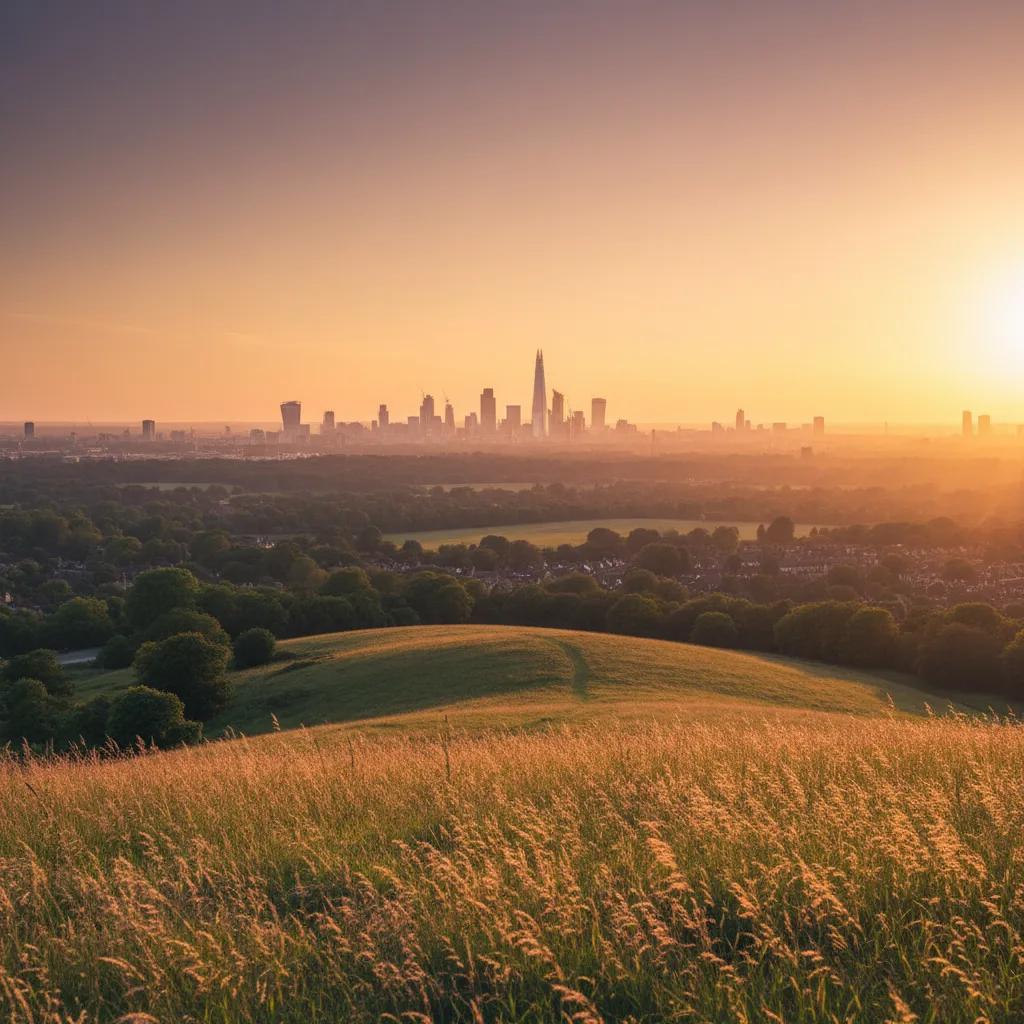
 Richmond Park Sunset Viewing Planner: Deer Meadow Horizons
Weekend Plans
Greenwich Panoramic City Lookout: Read London's Layered View
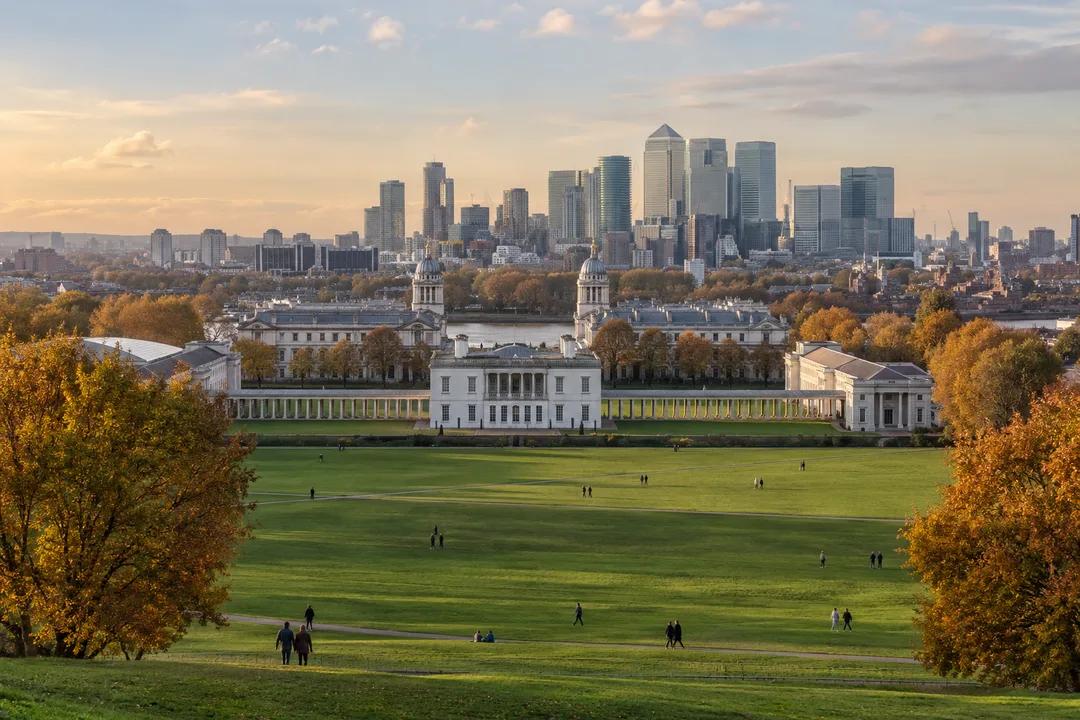
Greenwich Park layers a London panorama with the Queen's House and Naval College, creating a city lookout for architectural observation and shared walks.
Greenwich Park offers a London view with a recognisable composition: green slope, the Queen's House, the Old Royal Naval College and the more distant city. The pleasure of this panoramic city lookout is seeing those elements together rather than treating each as a separate attraction. Begin with the relationships between them. A low building can hold your attention as effectively as a tower, and the open ground is part of the picture. You do not need a long list of landmarks to understand why the arrangement feels so distinctive.
Find the visual centre before making a plan
Look downhill without immediately deciding where to go next. The temptation is to turn every visible building into a stop, producing an itinerary before you have enjoyed the view. Instead, find the element that gives the composition a centre for you. It might be a pale facade, a pair of domes, a dark tree or an open stretch of grass. Once you have chosen it, notice how the other elements support or interrupt that centre. You are looking at an arrangement, not completing an attraction checklist.
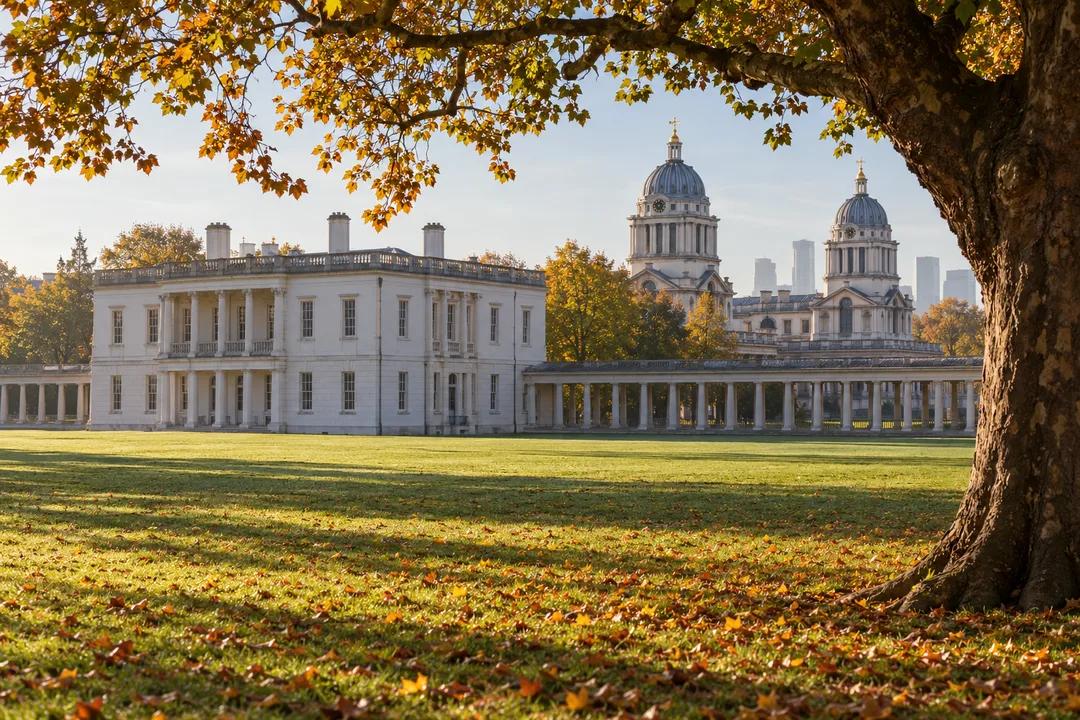
The Queen's House and the Old Royal Naval College are useful points of reference because they give the foreground architecture a different scale from the taller forms beyond. Let your eyes move between low and high shapes rather than focusing only on the distant towers. The contrast makes the city feel layered. You can appreciate that contrast without supplying a date, an architect or an elaborate historical explanation. For this outing, the visible relationship is enough to begin a thoughtful conversation about the landscape.
What symmetry does to the eye
When a view contains paired architectural forms, the eye tends to look for a corresponding centre. Try observing that tendency rather than obeying it automatically. Does a balanced frame make the scene feel calmer? Does placing the buildings slightly off-centre allow the slope or sky to become more interesting? There is no single correct answer. The exercise helps you understand why one photograph feels orderly while another feels more like the experience of arriving somewhere and finding the view gradually opening in front of you.
If you are sketching, use simple blocks before drawing architectural detail. Mark the major relationships in pencil: a low rectangle, two rounded forms, a distant vertical cluster, a broad slope. Leave the windows until those shapes feel convincing. You may decide that the drawing does not need windows at all. A small sketch can record the structure of the panorama more effectively than a detailed study with uncertain proportions. The view gives you an opportunity to practise selecting what matters, rather than reproducing everything with equal emphasis.
The foreground is doing more than filling space
The slope separates the person looking from the buildings being observed. That separation is part of the experience. Pay attention to the ground's shape and the way it leads your gaze downwards before the city draws it up again. If you crop away all of the park, you lose that movement. Include enough foreground to explain the viewpoint, even if it means making the buildings smaller within the photograph. The image can then describe a place to stand, rather than merely presenting a group of architectural objects.
People in the landscape can help communicate scale, but they do not need to become characters in your account. Keep them small and incidental, or wait for a composition in which individuals are not the focus. Do not assume that another visitor's pause has the same purpose as yours. Someone may be walking through while you are studying a view. Leave space for that movement, especially where a clear sightline encourages several people to stop at once. A shared panorama remains shared even when you have found an appealing frame.
Bring a child's question, not a lecture
For a family outing, ask an observable question rather than beginning with a sequence of facts. Which building looks widest? Where does the grass seem to meet the roofs? Which shape would be easiest to recognise in a drawing? A child can answer from the scene without needing prior knowledge. So can an adult visiting London for the first time. The exercise turns the panorama into something everyone can participate in, instead of leaving one person to explain while everyone else tries to keep up.
Let the answers change the way you look. A child may choose a detail that seems unimportant to you, such as a tree beside a building or a dark shadow on the slope. Follow that choice for a moment. The resulting conversation can be more memorable than a polished account of the view's significance. If someone becomes restless, move on without demanding that they have the appropriate response. The purpose of bringing a group to a lookout is to enjoy a shared setting, not to produce identical levels of appreciation.
From a composed view to a personal walk
After spending time with the panorama, make the next section of the walk a response to what interested you. If it was the landscape, continue noticing trees and changes in enclosure. If it was architecture, look for the relationship between individual facades and the spaces around them. This does not require committing to enter any particular building. An outdoor observation exercise and an indoor visit are separate choices, and one should not be treated as an automatic consequence of the other.
If you would like suggestions for a wider Greenwich day, use the Karpo APP to describe that preference. Ask for an architecture-led continuation, a park-focused pause or a manageable plan for people with different energy levels. Explain what you want to keep from this part of the outing. A useful next step should preserve the quality of the day rather than simply adding another famous name. You may also decide that the lookout and a relaxed walk are enough, leaving the other possibilities for another occasion.
Practical Notes for a view with several kinds of visitor
Make room in the plan for the slope, the weather you encounter and the different needs of your group. Wear shoes that suit your route, carry a comfortable extra layer for a pause, and keep bags close rather than spread across a stopping place. Do not use a photograph to infer that a particular path will be easy for every visitor. Anyone with mobility or fatigue concerns should choose the form of the outing around those needs, rather than around the wish to reproduce a specific camera angle.
Before you leave, turn the scene into one simple description. Perhaps the pale buildings seemed to organise the view, or the grass made the distant towers feel further away, or the paired domes held the composition together. A sentence like that records your own attention without inventing a personal encounter or borrowing someone else's superlative. The Greenwich panorama becomes more than a familiar picture when you can explain what you saw in it. That explanation is a good place to end the lookout portion of the day.
Ask Karpo for more information.
Keep reading
- Richmond Park Sunset Viewing Planner: Deer Meadow Horizons
 South Bank Sunset Viewing Planner: Thames Riverside Walks
 Parliament Hill Sunset Viewing Planner: London Heath Vistas