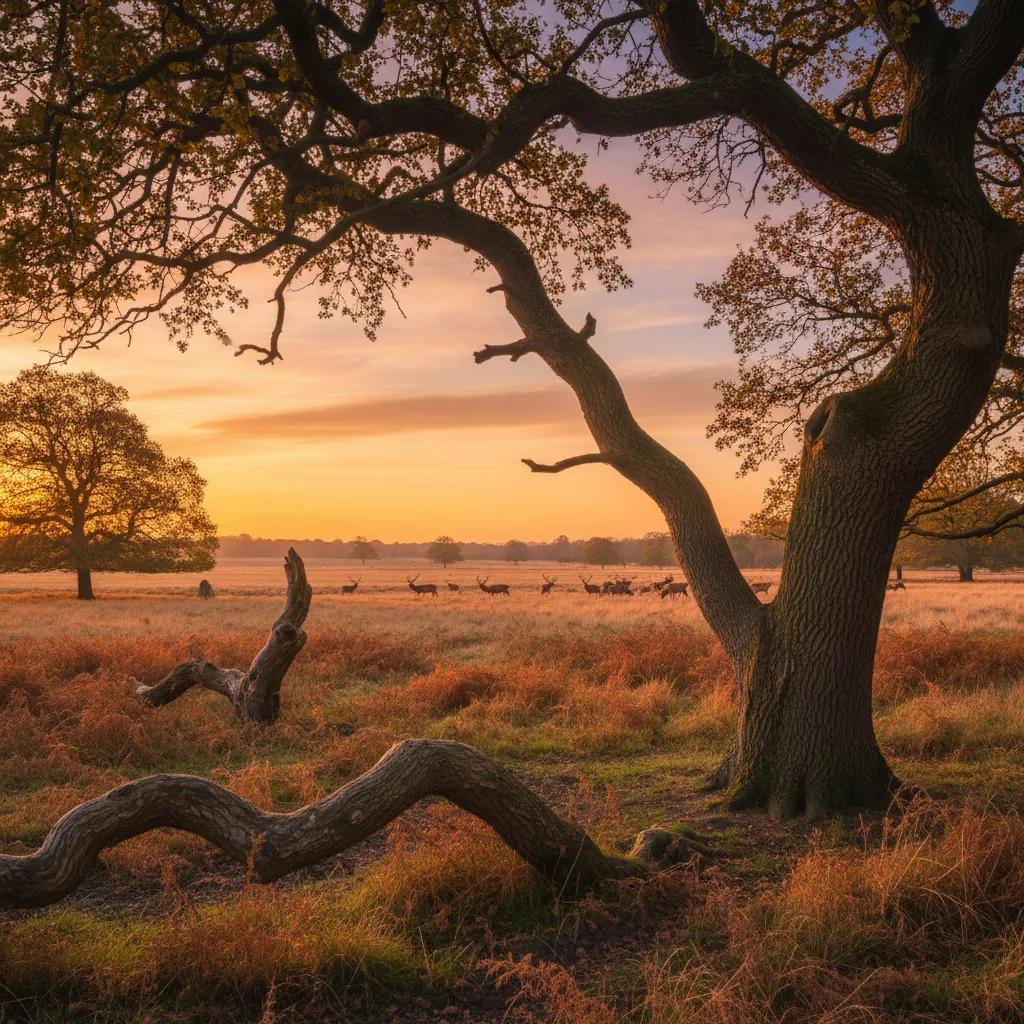
 Richmond Park Sunset Viewing Planner: Deer Meadow Horizons
Weekend Plans
Blythe Hill Panoramic City Lookout: London at Two Scales
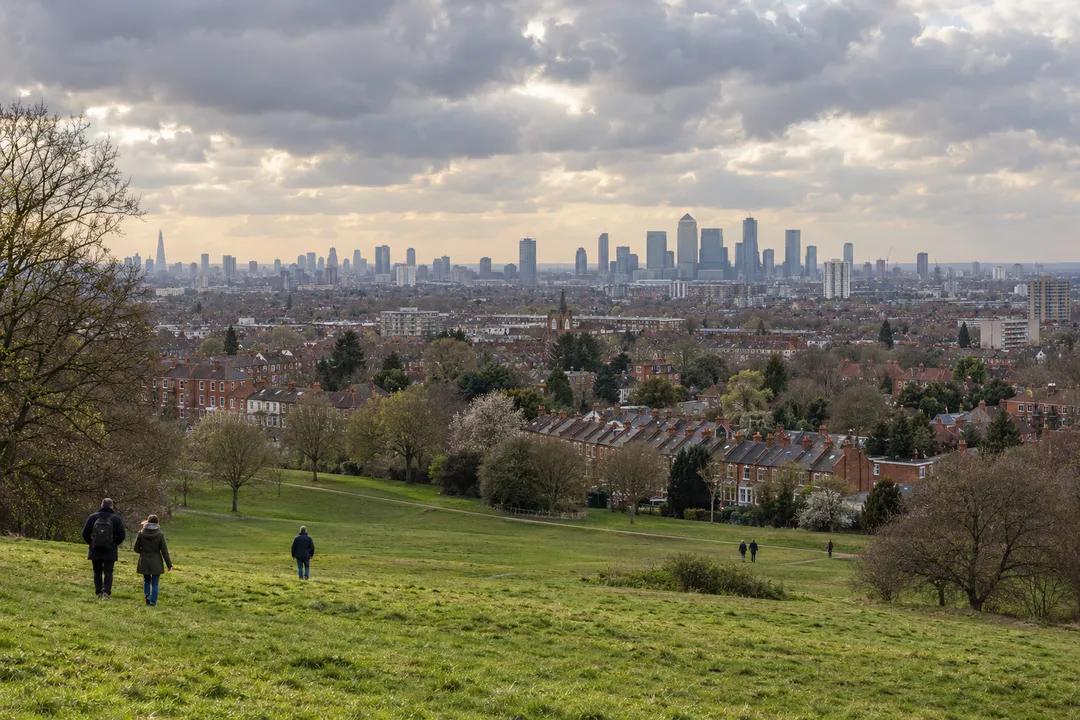
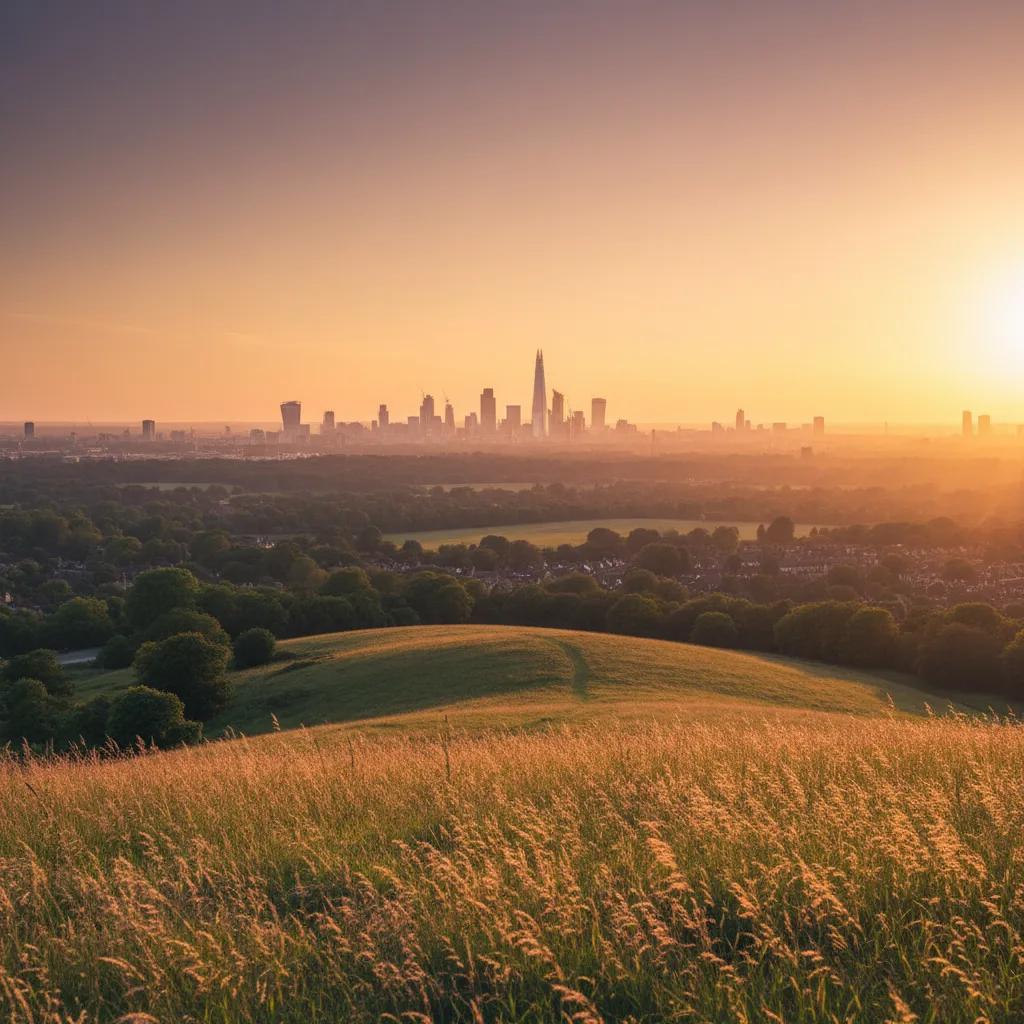
Blythe Hill Fields connects a London skyline view with nearby roofs and green space, offering a city lookout outing built around two different scales.
Blythe Hill Fields brings the ordinary city into a lookout visit. The view is not only about a distant cluster of towers. It is also about the lower, closer landscape of roofs, trees and neighbourhoods. For a panoramic city lookout outing here, try moving between those two scales instead of treating everything beneath the skyline as background. You may leave remembering the shape of a street or a patch of green more clearly than a famous building. That is a useful result, not a lesser version of sightseeing.
Look for the neighbourhood before the landmark
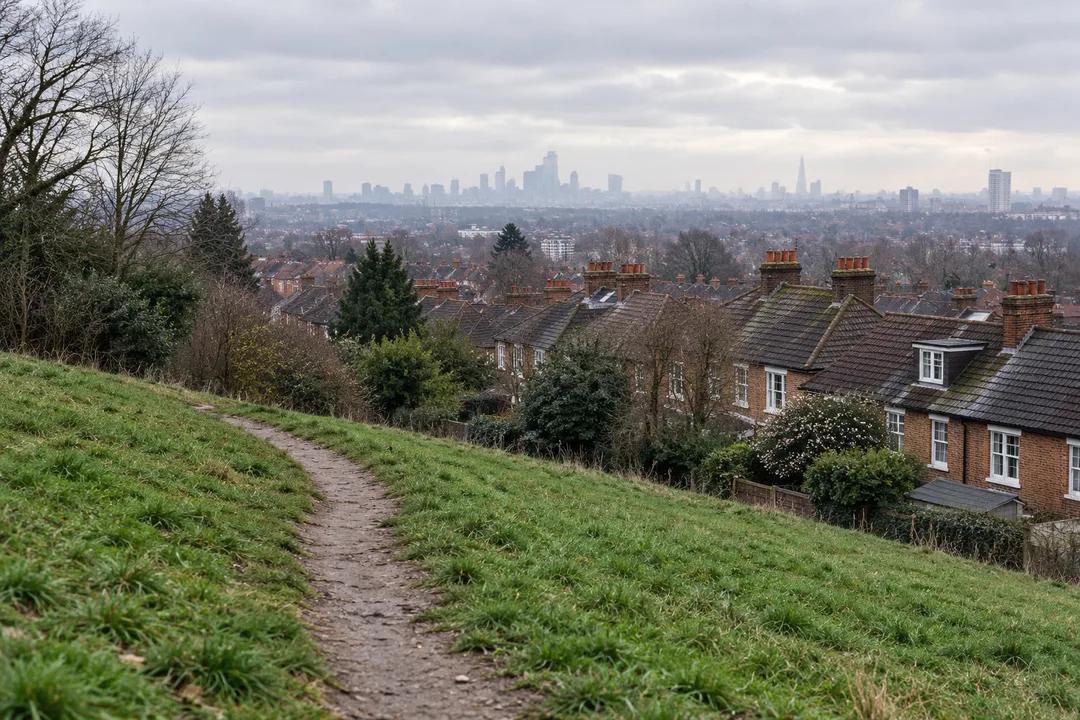
Let the nearby roofline be your starting point. Repeated roof shapes can describe the city more clearly than a single recognisable tower. Notice where the pattern is interrupted: a taller building, a group of trees, a gap through which another layer appears. You do not need to identify an exact street to recognise that London is made from different kinds of spaces meeting one another. At this scale, the view becomes an arrangement of everyday places rather than a collection of destinations someone has told you to visit.
Be careful with the stories you attach to what you see. A roof is evidence of a building, not evidence of the lives inside it. You can describe shape, colour and spacing without deciding who lives there or what kind of neighbourhood it must be. That restraint makes the exercise more attentive. Instead of assigning an identity to a distant place, ask what is actually visible from the hill and what remains beyond your knowledge. Looking carefully includes recognising where observation ends.
Hold the far and near views in the same thought
Once the closer landscape feels familiar, look beyond it towards the more distant city. Follow one line of sight from a nearby object through the middle distance and out to the horizon. Then reverse the direction. The distant buildings no longer float independently: they belong to a sequence of spaces. This can be particularly satisfying for a visitor whose London experience has been shaped by maps and station names. A lookout lets relationships appear in a different form, without requiring you to turn them into a precise route.
Avoid assuming that two features which seem close together from the hill would be easy to connect on foot. A flattened view hides distance, changes of level and the routes between them. Enjoy the visual relationship for what it is. If it sparks curiosity about another part of London, make that a separate planning task afterwards. The hill is a place to notice connections, not a substitute for understanding the journey. Keeping those activities distinct makes both the looking and the later walk less frustrating.
Turn a familiar view into a small comparison
For someone who already knows this part of London, the interesting question may be what feels familiar from an unfamiliar angle. Pick a feature you recognise and look at what surrounds it. You might find that a building you normally experience from pavement level becomes a minor element in a much larger pattern. Or that an area you think of as dense has more visible greenery than expected. Let the view complicate your mental picture rather than asking it to confirm the one you brought with you.
If you return on another occasion, compare your notes before deciding what has changed. Different light or visibility can make the same skyline seem denser or more open. A missing detail in a photograph is not proof that a building has disappeared, and a newly noticed shape is not necessarily new construction. Write down the condition of the view in ordinary terms: clear edges, softened distance, bright sky or dark foreground. Those observations help distinguish a change in the scene from a change in the way you happened to see it.
A useful outing when nobody wants a full itinerary
This kind of lookout visit suits a day when you want one shared point of attention without organising every moment around it. Suggest that each person choose a small feature in the local landscape and a larger one in the distance. Discuss the relationship rather than trying to agree on the single most impressive sight. Someone may prefer the roofs; someone else may focus on the sky. Neither has missed the purpose of the outing. The contrast between those choices is the activity.
You can leave the exercise unfinished. A conversation may take over, the weather may encourage a shorter stay, or a companion may simply want to keep walking. Do not force a quiet park pause into a formal lesson. The purpose is to make looking easier, not to introduce another performance requirement into leisure time. If you are alone, a brief written note can serve the same function. Record one surprising relationship and carry it with you into the next part of the day.
Keep a photograph that includes ordinary London
If you take pictures, try a frame in which the neighbourhood remains visible rather than cropping everything down to the towers. A distant skyline can be striking, but without the lower layers the photograph might say little about where you stood. Let the grass or nearby roofs anchor the image. Keep the horizon level unless a deliberate angle is doing something useful. The simplest composition often gives the clearest account of the hill's relationship to the city, especially when the distance is softened by haze.
Put the camera away before reviewing a long series of nearly identical shots. Looking repeatedly at a small screen can make you miss the broader scene you came to see. Choose a couple of deliberate frames, then return your attention to the actual landscape. If other people are nearby, allow them room to enjoy it without becoming unwilling foreground subjects. You can record the public setting while remaining considerate about individuals. A useful photograph does not require a dramatic stranger or a perfectly empty park.
Practical Notes and a sensible next step
Treat the visit as a hill walk with an optional period of standing still. Bring what you need for your own comfort, and make the route short enough that a companion can change their mind without difficulty. Follow the paths, directions and conditions you encounter. Do not infer a particular level of access from the word fields, or assume that a route suitable for one person will work for everyone. The descriptive exercise here is flexible precisely so that the physical outing can reflect your needs.
For the continuation, ask the Karpo APP for an idea that responds to what caught your attention. You might want another neighbourhood walk, a place to sit and talk, or something completely different from a panorama. Explain the constraint rather than requesting a packed list: a low-effort continuation, a sociable stop, or a day with less travelling. The most valuable result of a Blythe Hill outing may be a more connected sense of London. Give that new mental picture space before rushing to collect another view.
Ask Karpo for more information.
Keep reading
- Richmond Park Sunset Viewing Planner: Deer Meadow Horizons
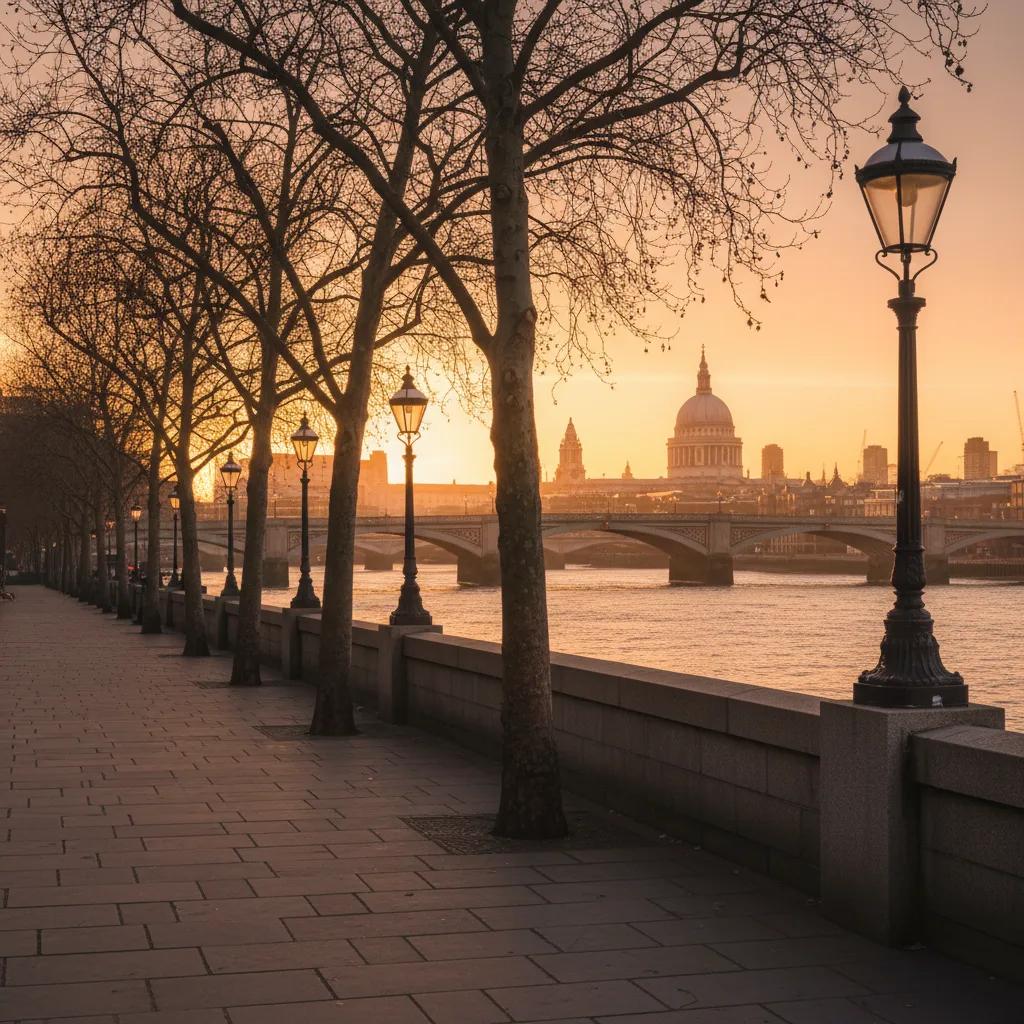 South Bank Sunset Viewing Planner: Thames Riverside Walks
 Parliament Hill Sunset Viewing Planner: London Heath Vistas