 Richmond Park Sunset Viewing Planner: Deer Meadow Horizons
Weekend Plans
London Panoramic City Lookout: Alexandra Park Beyond Photos
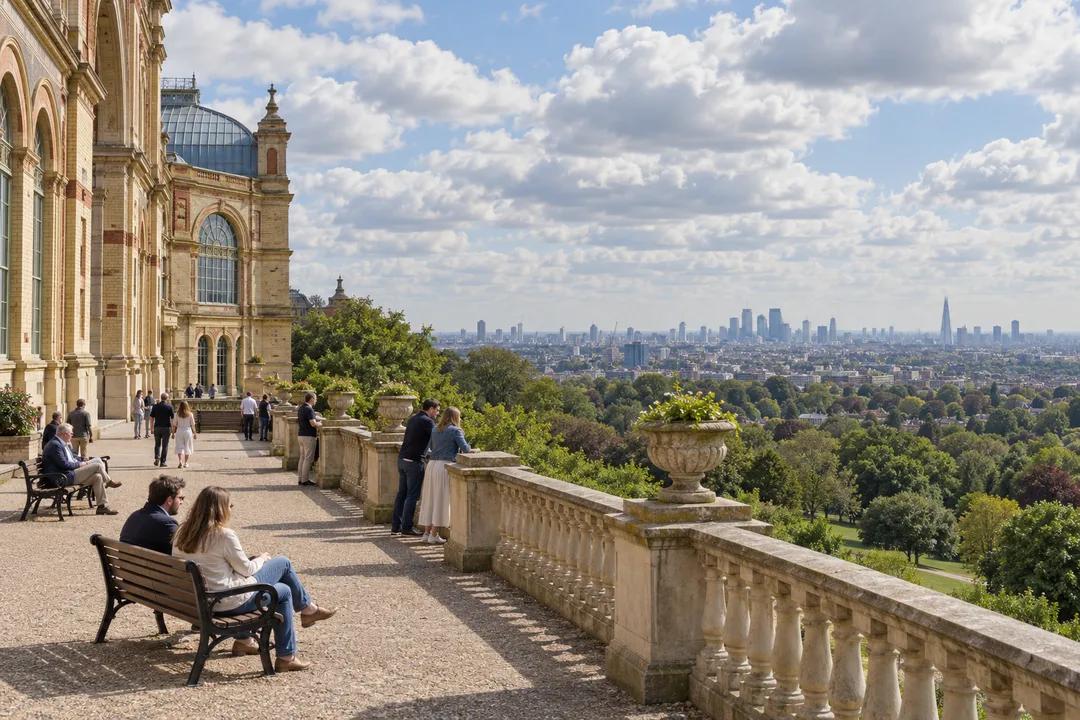
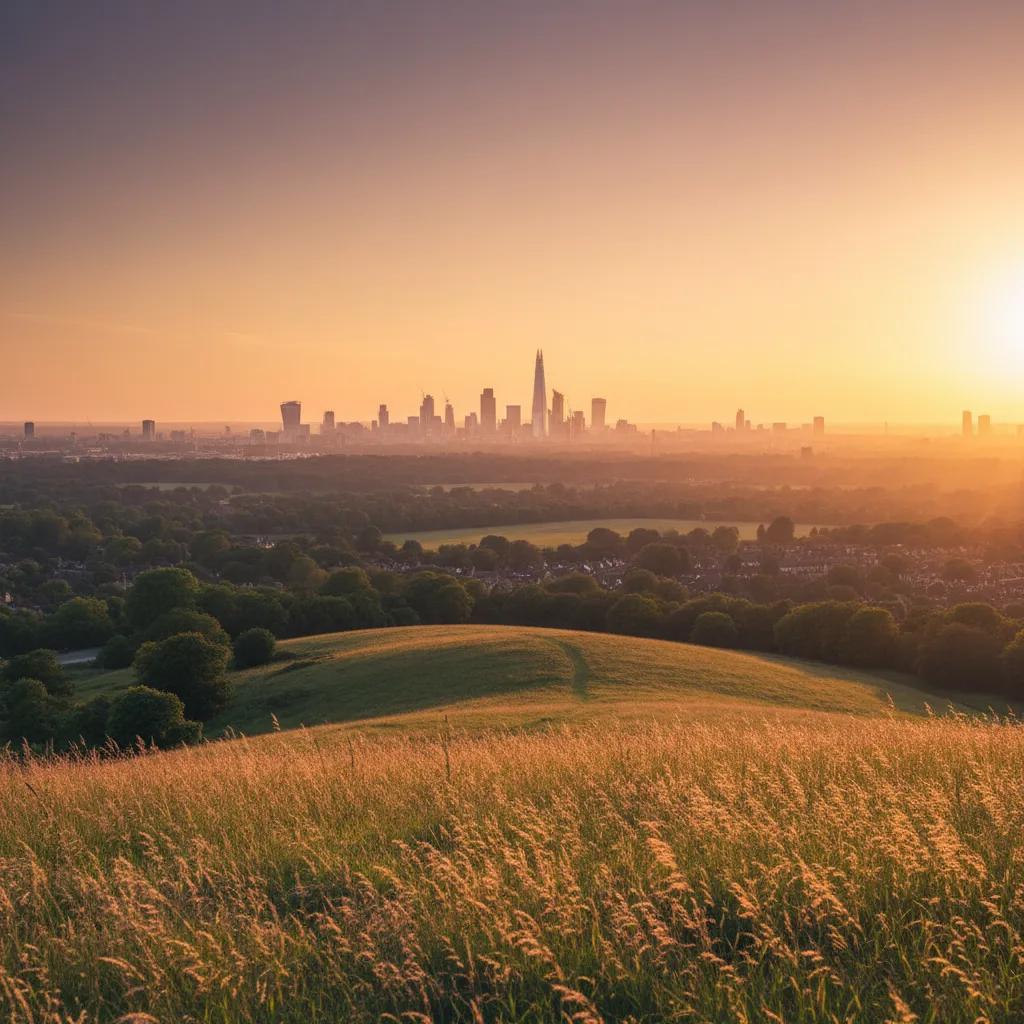
Alexandra Park pairs a distant London panorama with palace architecture and green slopes, making a city lookout visit rewarding beyond one skyline photo.
Alexandra Park makes a London panorama feel like part of a larger landscape. The palace, the slope and the distant city pull your attention in different directions. Rather than treating this panoramic city lookout as a place to take one photograph and leave, give yourself a different question: which part of the scene would you miss if the skyline disappeared? The answer can turn a distant view into a more satisfying park outing, especially when you are travelling with someone who does not share your enthusiasm for photographing buildings.
Choose between a palace picture and a city picture
Begin by deciding what is carrying the image. With the palace as the subject, London becomes context: the distant city explains the scale of the setting without demanding that every tower be legible. With the skyline as the subject, the building and park can act as framing devices. Trying to give both equal importance often produces a photograph with no clear centre. Make the choice consciously, then take the opposite version for comparison. You may prefer the picture you did not expect to want.
Look for the relationship between an architectural edge and an open horizon. A vertical wall, a roofline or a tree can give the eye a starting point before it travels into the distance. Keep the composition honest to your position. There is no need to crop so aggressively that the palace seems to stand inside the skyline or to use a lens effect that exaggerates the distance. A modest picture that explains where you were can be more useful than a dramatic image that obscures it.
A park outing for people with different levels of patience
An enthusiastic photographer can make a companion feel as though every pause is a delay. Agree on the shape of the visit before that happens. One person might want a concentrated spell of looking; another might prefer a continuous walk with only occasional stops. Neither preference is wrong. Choose a shared activity that accommodates both, such as finding an appealing relationship between the palace and a tree, or describing the view without naming a landmark. The exercise gives everyone a role beyond waiting for the shutter.
If you are visiting alone, leave yourself room to change your mind. You do not owe the outing a spectacular result because you carried a camera. A park visit can remain worthwhile when the distant buildings merge into haze. In those conditions, turn your attention to the nearby textures, the direction of the slope or the shape of branches. A panorama is one possible subject here, not an instruction to ignore everything that happens closer to you. Let the park decide what is interesting on that particular visit.
When distance removes detail, look for rhythm
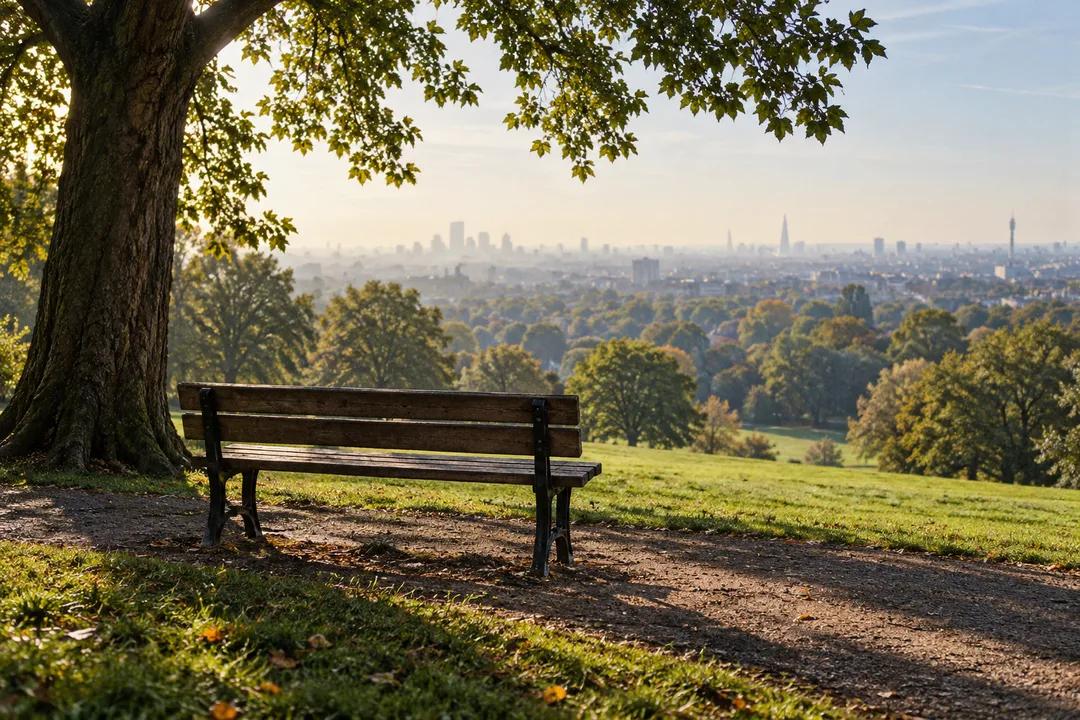
The further away a city appears, the less useful it becomes to chase individual windows and signs. Instead, notice rhythm: a low band of roofs interrupted by a tall shape, a dark cluster separated from another by pale sky, or a broad stretch of vegetation beneath a hard architectural edge. These relationships survive when fine detail disappears. They are also easier to remember. You can recognise the structure of a view later even if you cannot identify every object within it.
For a quick drawing, begin with a continuous line that captures the skyline's changes in height. Resist correcting it after every mark. Then add a larger shape from the park, so that the drawing records the relationship between near and far. For a photograph, make the equivalent decision by simplifying the frame. Remove a distracting edge through a small change of position rather than assuming that a wider view is always more complete. The aim is to show a pattern clearly, not to include every possible feature.
Build a small conversation around one ordinary detail
Ask a companion to choose something in the scene that would be easy to overlook: a patch of grass, the interval between two trees, a roof shadow or the curve of a path. Talk about why it caught their attention before moving on. This is a useful antidote to comparing the view with a more famous lookout. You are no longer ranking London from above. You are discovering what each person notices when the city is placed at a distance and an ordinary park occupies the foreground.
Avoid turning that conversation into an invented story about the people around you. A stranger sitting quietly might be resting, waiting, working or doing something you cannot see. Their presence can give a scene human scale without supplying a biography. If you include other visitors in a wide photograph, keep them incidental and respect their space. If a person would be the subject, ask first. The same restraint makes descriptive writing better: record what is visible, and leave motives to the people who actually know them.
The return walk deserves its own attention
Once you have spent time looking into the distance, make the next part of the walk deliberately smaller in scale. Notice the way the palace changes as a foreground branch moves across it, or how the skyline drops out of the composition when you turn. The visual reward is in that transition. A view can make a park feel enormous; a path enclosed by trees can make it feel intimate again. You do not need an additional attraction to make those changes count as part of the day.
For a wider London plan, describe that preference in the Karpo APP: an outdoor pause followed by a gentle continuation, or a park visit with one focused photography stop. Asking for a plan that reflects your attention span is more useful than asking for the longest possible list. Keep any onward choice separate from the success of the lookout itself. A good visit can end when you have seen enough, without adding another obligation simply because the original plan left space on the page.
Practical Notes: leave room for the unexpected
Wear something comfortable for both walking and standing still, and carry water rather than assuming that a refreshment stop will fit naturally into the route. Keep equipment compact if you intend to move often. A tripod or large bag can make a simple walk cumbersome, especially when you are sharing paths with other people. Follow the directions and barriers you encounter. This article offers a way of looking at the park, not a guarantee that every position, route or background will be available on a particular day.
If weather, fatigue or the atmosphere makes the outing less appealing, change the task. You might make a close study of one tree, take a single architectural frame, or finish the walk without another photograph. The useful question is whether you are still noticing things, not whether you have fulfilled an imagined checklist. Alexandra Park's panorama becomes more memorable when it belongs to a visit you enjoyed. Leave with one clear relationship in mind: the palace beside the landscape, the skyline beyond it, and the space between the two.
Ask Karpo for more information.
Keep reading
- Richmond Park Sunset Viewing Planner: Deer Meadow Horizons
 South Bank Sunset Viewing Planner: Thames Riverside Walks
 Parliament Hill Sunset Viewing Planner: London Heath Vistas