 Brixton Vintage Thrift Shop Finder: South London Retro Gems
Hidden Gems & Odd Finds
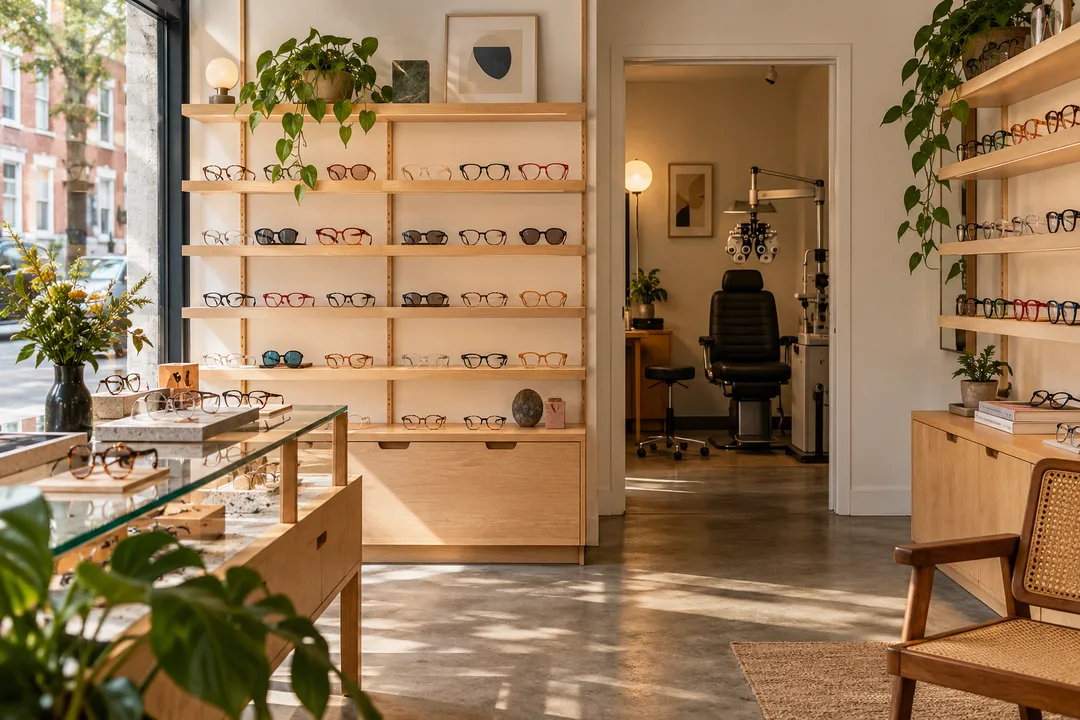
Cult Vision Optometry Clinic: Clerkenwell Eye Test Guide
Cult Vision at 14 Goswell Road pairs eye tests and contact-lens care with independent designer frames in a calm Clerkenwell setting near Barbican.
Cult Vision’s Clerkenwell shop is at 14 Goswell Road, London EC1M 7AA, close to Barbican and Farringdon. The practice describes itself as an independent optician with eye examinations, contact-lens services, and a deliberately edited collection of eyewear rather than a supermarket wall of identical frames. That combination makes it a useful optometry clinic for someone who wants the clinical appointment and the frame conversation to feel like one thoughtful visit.
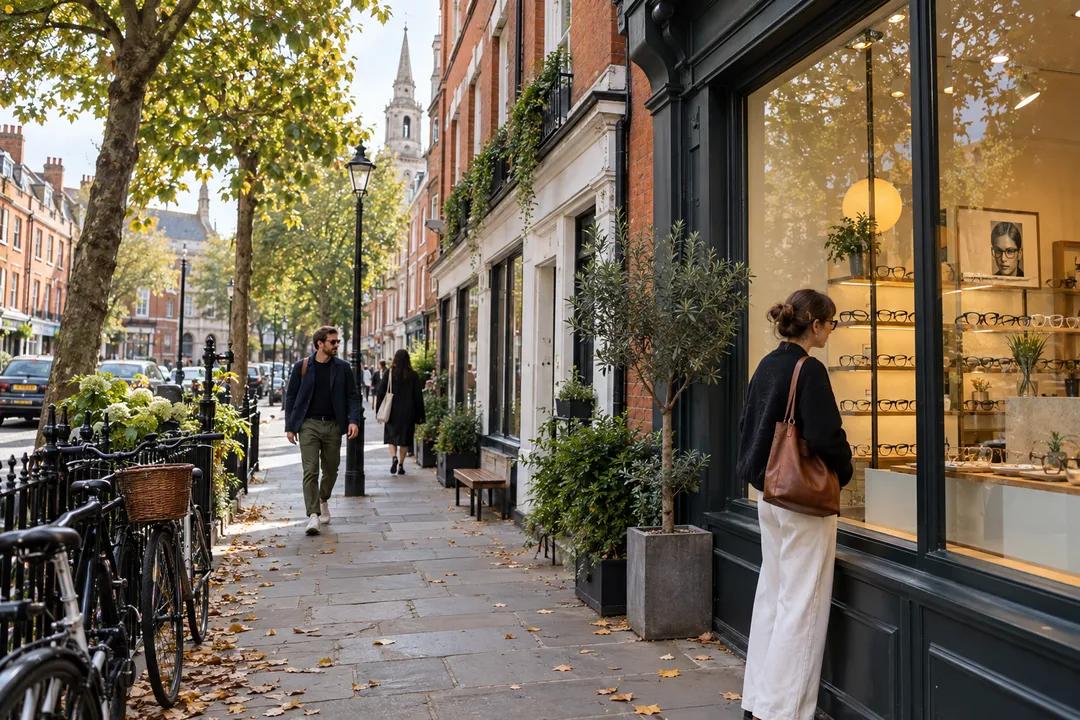
The Clerkenwell setting changes the pace
Goswell Road is not a destination where you need to rush from one landmark to the next. The shop sits in a mixed neighbourhood of brick offices, residential entrances, cafés, and design-led businesses, so the useful rhythm is appointment first, browsing second. Enter with a concrete question: has your prescription changed, do your eyes tire after screens, or do your contact lenses become uncomfortable by late afternoon? A specific starting point gives the optometrist a better day-to-day picture than the vague request for “stronger glasses.”
Cult Vision’s independent positioning matters because frame selection is part of the experience. You are not simply choosing the cheapest shape from a display; you are asking staff to balance bridge fit, temple pressure, lens depth, and the way a frame sits when you look down at a laptop. Ask to see a small group of options that suit your prescription and face rather than trying every frame in the room. That keeps the appointment focused and makes it easier to remember why one pair worked.
What to bring and what to ask
Bring your current glasses, contact-lens details, and the last prescription if you have it. If the visit follows headaches, blur, glare, or dry-eye discomfort, note when each symptom appears. “After two hours of spreadsheets” is more useful than “sometimes.” Mention driving, reading, sport, or night work as well, because the same prescription can feel different in those settings. A clinic visit earns its keep when the measurements connect to the hours you actually spend using your eyes.
Ask the optometrist to explain the result in plain English before moving to frames. Find out what changed, what remained stable, and whether the recommendation is a new prescription, a lens adjustment, or a follow-up. If you use contact lenses, ask how the fitting and aftercare relate to the symptoms that brought you in. Write down the key sentence before you leave; a number in a prescription is less useful if you cannot remember what it means for your routine.
Eye-test etiquette without the awkward queue
An optometry appointment works better when you arrive a few minutes early with clean lenses and no urgent errand immediately afterwards. The quiet rule is to let the examination finish before you start negotiating frame colour. If there is a delay, do not fill the waiting time by making a rushed purchase. Look at how the frame sits, walk a few steps, and check whether it shifts when you turn your head. The frame should survive an ordinary day, not just look good under the shop lights.
If you are visiting without a booking, ask what appointment availability looks like before settling into the display. A walk-in can be convenient, but clinical rooms and frame consultations do not run on the same clock. If the next slot is too far away, use the visit to understand the available services and book a time when you can stay. The worst plan is to compress a full eye examination into the ten minutes before another commitment.
The frames worth trying first
Start with the shapes that solve your practical problem. If you need everyday distance vision, test whether the frame stays stable when you look down. If you use progressives, pay attention to height and bridge position. If you spend long hours at a screen, explain the working distance before discussing lens options. Ask staff to compare two or three frames with different weights; a lighter pair may feel better after eight hours even when the heavier pair looks more dramatic in a mirror.
Do not confuse a premium finish with a good fit. Check the nose pads or bridge for pressure, the temple tips for pinching, and the lower rim for contact with your cheeks when you smile. If the frame is acetate, ask how it can be adjusted. If it is a delicate design, ask what happens if the fit changes over time. Those questions turn a beautiful object into useful equipment, which is the real reason to include independent eyewear in an optometry visit.
A short Barbican walk afterwards
After the appointment, walk east along Goswell Road toward the Barbican rather than heading straight back onto the Tube. The change from examination lighting to open daylight gives you a sensible first check of how the correction feels. Look at distant building edges, read a sign at a normal distance, and notice whether stairs or pavement changes feel comfortable. Keep it observational: the walk is not a medical test, but it can reveal whether a frame sits securely or whether glare remains distracting.
The Barbican route also gives you room to decide without sales pressure. Stop for a drink, revisit the prescription notes, and decide whether you are ready to order. If the frame feels wrong after ten minutes outside, go back for an adjustment rather than accepting the problem. If you need a second opinion, ask for one. A careful clinic should prefer a comfortable result to a hurried transaction.
Who this clinic suits
Cult Vision suits adults who want a measured conversation about prescription and design. It is particularly appealing if ordinary high-street selection feels generic or if you want someone to discuss frame construction as well as lens correction. The shop’s independent character is less important than the practical consequence: the appointment and the fitting are treated as connected decisions, so the frame is chosen for the way you live rather than only for its label.
Families may need to ask specifically about the services and frame options appropriate for children before booking. Older patients should explain whether the priority is reading, distance, glare, or switching between tasks. Contact-lens wearers should make the lens history part of the first conversation. The most useful clinic is the one that can hear the difference between a style preference and a vision problem.
When to return
Do not wait for a dramatic decline before arranging a follow-up. A child who is squinting at school, an adult whose night vision has changed, or a contact-lens wearer who is repeatedly uncomfortable all has a reason to ask what happens next. Keep the recommendation in a family calendar so the review is not lost among ordinary errands.
The best follow-up question is specific: what change should make us call sooner, and what can wait until the planned review? That answer helps a family use the clinic well without turning every small fluctuation into an emergency. It also makes the next appointment faster because the pattern is already recorded. Before ordering, ask for the collection and adjustment process in one clear sentence. Note whether the frame can be altered after fitting, what to do if the nose bridge slips, and which contact point should handle a later question. That small piece of aftercare turns an attractive independent optician visit into a dependable part of routine eye care. It also gives you a sensible plan for the first week, when a new prescription and a new frame are still becoming familiar.
Practical notes
Ask Karpo for more information.
Keep reading
- Brixton Vintage Thrift Shop Finder: South London Retro Gems
 Notting Hill Vintage Thrift Shop Finder: Preloved Rails
 Soho Vintage Thrift Shop Finder: West End Designer Archives