 Brixton Vintage Thrift Shop Finder: South London Retro Gems
Hidden Gems & Odd Finds
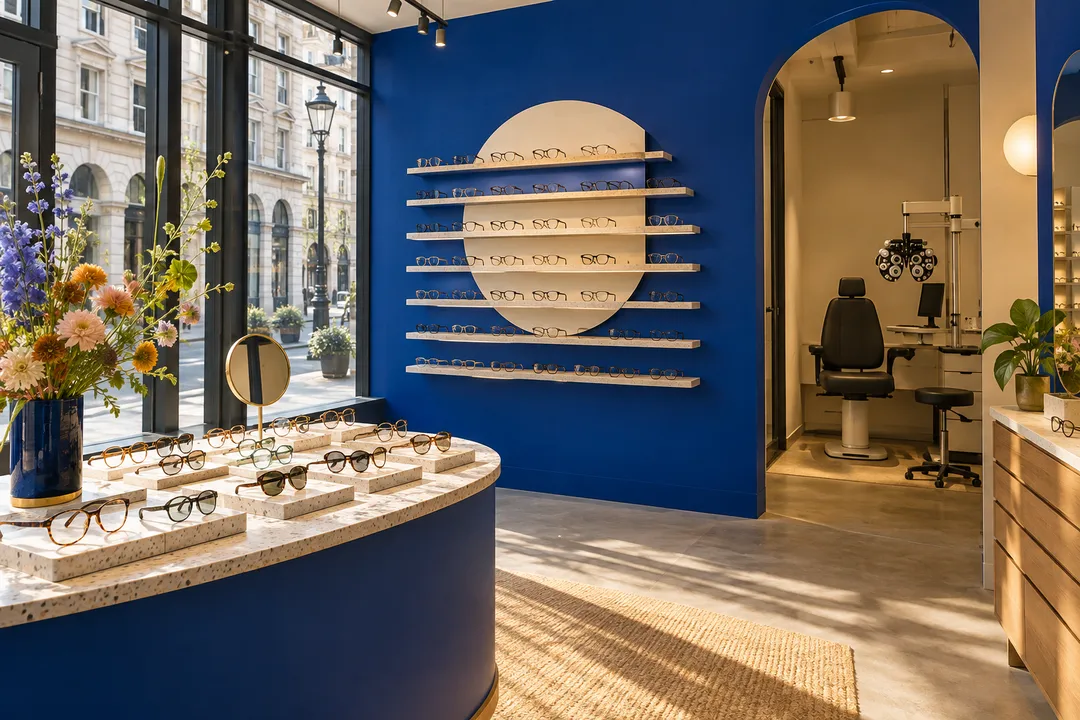
Ace & Tate Optometry Clinic: Covent Garden Eye Test Guide
Ace & Tate’s Earlham Street store puts eye tests, modern frames, and a central London shopping route together near Covent Garden and Seven Dials.
Ace & Tate’s Earlham Street store is at 10 Earlham Street, London WC2H 9LN, in the Covent Garden and Seven Dials area. The official store page presents the shop as a place to browse its frames and arrange an eye test, making it useful for someone who wants clinical care in the middle of a central London day. The address is convenient, but the better reason to choose it is the chance to separate the eye examination from the noise of the surrounding shopping streets.

Start with the appointment, not the frames
Covent Garden encourages impulse shopping, so set the order of the visit before you enter: examination first, frame browsing second. Bring your existing glasses and prescription if available, and explain whether the problem is distance blur, reading fatigue, glare, or screen work. A central location can make a clinic feel like a retail stop, but the useful information comes from the clinical conversation.
Ask the optometrist to translate the prescription into daily consequences. If one eye changed more than the other, ask what you may notice. If you are considering new lenses, explain how long you wear glasses and whether you drive at night. Those details make the frame and lens discussion more precise than choosing by mirror appeal alone.
The Covent Garden queue strategy
Book the eye test rather than relying on a lucky walk-in. Earlham Street can be busy, especially when shoppers are moving between Covent Garden, Seven Dials, and Neal Street. Arrive early enough to find the entrance and settle your prescription history. If you are asked to wait, use the time to identify two frame shapes that genuinely fit instead of picking up everything on the wall.
Do not schedule the appointment between two non-negotiable plans. A vision test includes measurements and explanations, and frame fitting takes longer when the bridge or temple needs adjustment. If the shop is busy, protect the clinical part of the visit. You can always return to the frame decision; you cannot improve a rushed explanation after leaving.
How to test a frame
Try a frame while standing, looking down, and turning your head. Check whether the bridge stays in place, whether the temples press behind the ears, and whether the lower rim touches your cheeks when you smile. If you use progressives, lens height matters. If you spend the day at a laptop, describe that working distance before choosing a lens option.
A modern frame is still a piece of equipment. Ask how it can be adjusted, what material it uses, and what happens if the fit changes after a few weeks. Take the pair outside if staff allow it and check the colour in daylight. The right frame should look good in a Covent Garden mirror and remain comfortable on a weekday morning train.
A walk through Seven Dials
After the appointment, walk toward Seven Dials and let the new correction meet ordinary city detail. Read a street sign at a comfortable distance, look across the open pavement, and notice whether the frame moves as you walk. This is not a medical diagnosis, but it is a useful fit check. If a temple slips or the nose feels pressured, return for an adjustment before ordering.
Keep the route short if your eyes feel tired. Covent Garden’s crowds and bright storefronts can be stimulating after an examination. A quiet pause gives you time to decide whether the prescription feels natural. If you need a second opinion, ask; a good optometry visit should leave you with a clear next step, not a forced purchase.
What central London shoppers often miss
The main trap is treating convenience as a substitute for preparation. A central store is easy to reach, but it is still worth bringing the old prescription, naming your symptoms, and asking about aftercare. The second trap is choosing a frame because it suits one outfit. Think about your full week: commuting, screens, rain, reading, and the moments when you need stable vision.
If you have a complex prescription or specific clinical need, say so before committing to a frame. Ask what the store can handle and what requires a different provider. Clear boundaries are useful. You would rather know at the beginning than discover after the order that an important requirement was never discussed.
Who should choose this stop
Ace & Tate’s Earlham Street location suits a central London visitor who wants the eye test and frame search in one walkable day. It is convenient for people already near Covent Garden, and the modern frame selection makes it approachable for a first pair or a style change. The practical test is simple: can the store answer your clinical questions without making the shopping decision feel urgent?
For families, ask about the appropriate examination and whether the service fits the child’s needs before arriving. For contact-lens wearers, bring the lens details. For anyone sensitive to crowds, choose a quieter appointment window and leave space afterwards. A good route includes the journey home, not only the shop itself.
A useful follow-up record
Before leaving, record the prescription date, the main recommendation, and the point at which the clinic wants to see you again. If you are changing lenses, note the replacement or collection details. A short record prevents a later phone call from becoming a search through old messages and packaging.
That record is also helpful when several family members use the same clinic. Keep each person’s information separate and include the practical issue that led to the visit. Clear notes turn a neighbourhood optometry appointment into a repeatable part of routine care. Before ordering, ask what happens if the frame needs a small adjustment after collection. Check the bridge, temple length, and lens height again in daylight, and keep the prescription date with your purchase details. A central London appointment is most useful when the result remains comfortable after the Covent Garden crowds, the journey home, and the first ordinary working day. If you are undecided, compare the frame with your current pair from the front and side, then walk a short distance before making the final choice. Ask which contact point handles a later fit problem and whether the shop can make a small adjustment after collection. This is especially useful for first-time wearers, because a frame that feels fine for two minutes can behave differently on a train, at a desk, or during a rainy walk. Keep the order details with the prescription date, and give yourself one evening to notice what you actually want from the new pair. The right decision is the one that remains comfortable after the shop, not the one that wins the first mirror glance. The final check is how the glasses behave when you stop thinking about them. Walk, read, look across the street, and ask whether the frame stays in place. If the answer is no, ask for an adjustment before you order. That is a more reliable test than a quick compliment from a friend in the shop. Keep the order details with the prescription date, because a later adjustment is easier when the purchase and clinical notes are together.
Practical notes
Ask Karpo for more information.
Keep reading
- Brixton Vintage Thrift Shop Finder: South London Retro Gems
 Notting Hill Vintage Thrift Shop Finder: Preloved Rails
 Soho Vintage Thrift Shop Finder: West End Designer Archives