 Marylebone Gin Bar Tasting Night Picker: Cozy Hideaways
Bars & Nights Out
Marylebone Neighborhood Wine Bar Crawl Planner for Learners
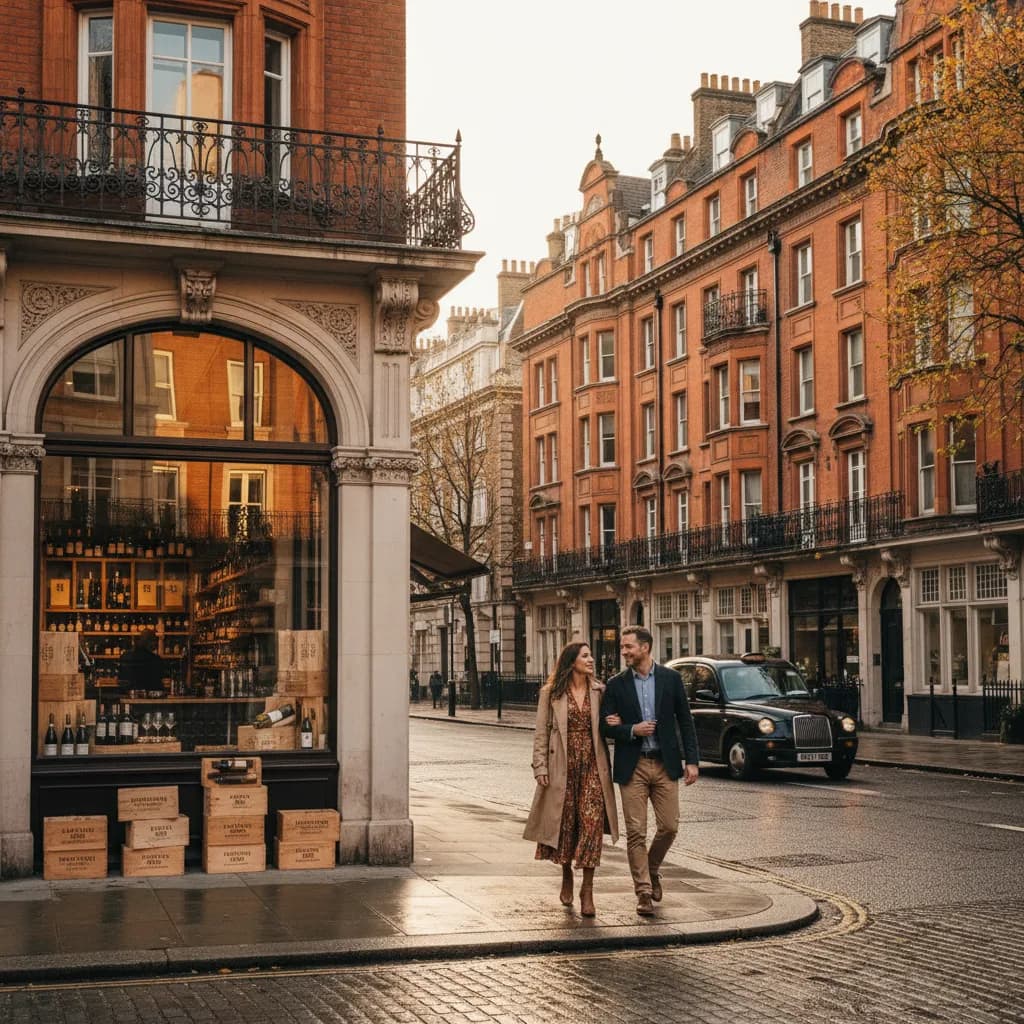
Plan a Marylebone wine bar crawl built for learning: taste flights at merchant counters, compare regions over small plates and end with one bottle you chose.
Marylebone has a reputation as one of London's calmest neighbourhoods, a pocket of red-brick mansion blocks, independent bookshops and cheese counters tucked between Oxford Street and Regent's Park. That calm makes it the best place in the city to plan a neighbourhood wine bar crawl for people who want to learn something. Instead of shouting over music, you can stand at a merchant's counter, taste two wines side by side and ask a patient expert why one tastes of cherries and the other of wet stone. By the end of the evening you will know your own palate far better.
A Neighbourhood Built Around Good Shops
Marylebone High Street and the lanes around it grew up as a village on the edge of the West End, and it still behaves like one. People shop for bread, flowers and fish on foot, and many of the wine businesses here started life as merchants rather than bars. Several of them now pour by the glass at a counter or a few tables at the back of the shop. That shop-first heritage is what makes the area so useful for a learning crawl. The staff spend their days advising customers, so explaining a grape or a region is second nature.
The crowd reflects the setting. Expect doctors finishing a shift on nearby Harley Street, couples from the mansion flats picking up a bottle for dinner, and small groups of friends who have turned a weekday tasting into a regular habit. It is a grown-up, unhurried scene. Nobody will judge you for asking a basic question, and most people at the counter are there to learn something too.
Set a Theme Before You Start
The best learning crawls have a single thread running through them. Before you leave home, pick one idea to explore. You might compare the same grape from three different countries, such as Chardonnay from Burgundy, California and Australia. You might follow one region from light to full, starting with a crisp white from the Loire and finishing with a structured red from Chinon. Or you might simply try a classic Old World wine against a modern New World version at every stop.
Tell the person pouring what your theme is. A good merchant loves a brief, and you will often be offered something that is not on the printed list. Writing a few notes on your phone between stops helps too. Keep it simple, such as the name of the wine, one word for the smell and one for the taste. Those notes will be the most useful souvenir of the evening when you next stand in front of a wine shelf.
Stop One: A Merchant's Counter
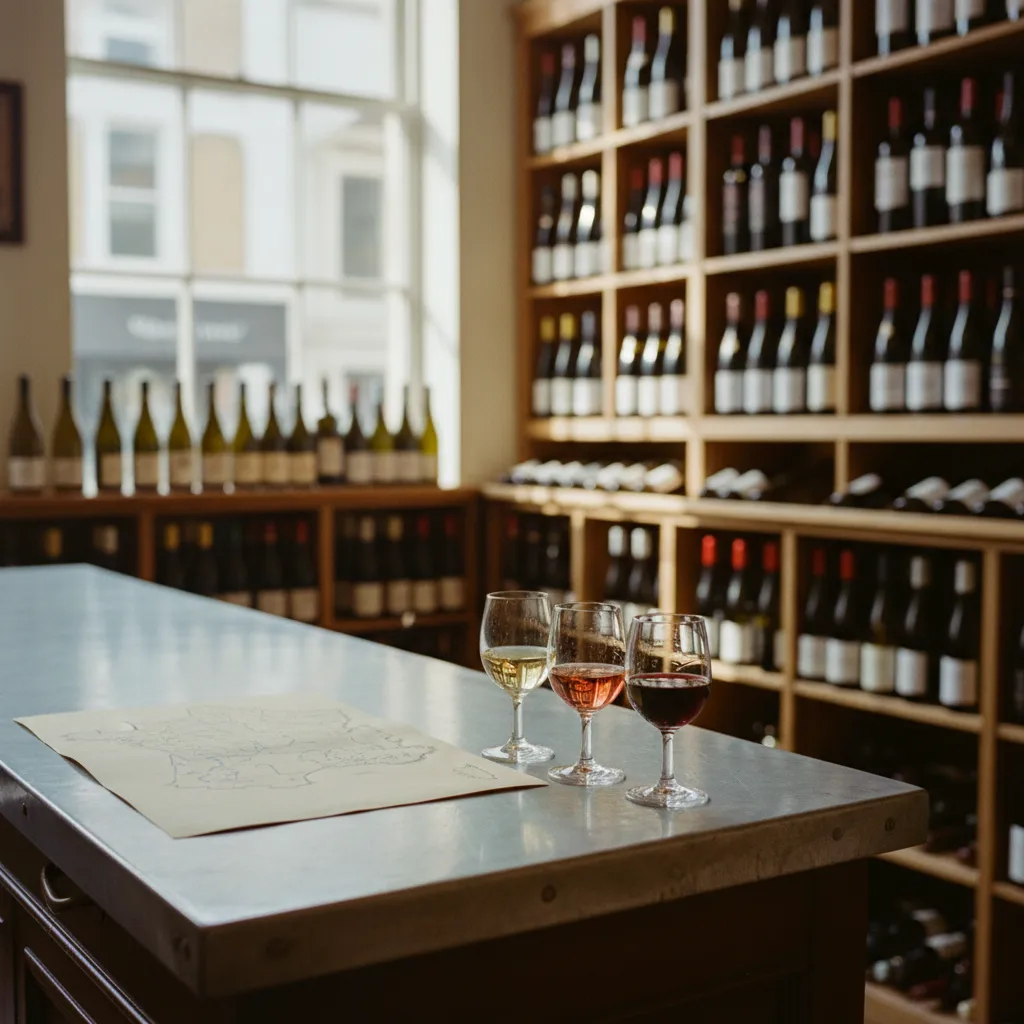
Start at a wine shop with a tasting counter, ideally in the early evening when the after-work rush has not yet arrived. Ask for a small flight if one is available, or two half glasses to compare. This is the stop for listening. Let the staff explain what makes each wine different, and ask the questions you have always been embarrassed to ask, such as what tannin actually is or why some whites are aged in oak and others are not.
Resist the urge to buy a case at this stage. You are here to taste. If something stands out, note it and come back another day. The aim of the first stop is to calibrate your palate, so the comparisons at the next two stops make more sense.
Stop Two: Small Plates and a Second Region
For the middle of the crawl, walk a few minutes to a wine bar with a kitchen. Marylebone has several small places where the food is designed to go with the wine rather than the other way round. Order two or three dishes to share, such as a plate of cheese, some charcuterie or a seasonal vegetable dish, then pick two glasses from a different region to the one you tried at the first stop.
This is where the lesson becomes practical. Taste each wine on its own first, then with a bite of food, and notice how the flavour changes. A high-acid white will suddenly make a rich cheese taste lighter. A tannic red will soften when you eat something salty. These pairings are the single most useful thing you can learn on a crawl, and you will remember them far longer than any tasting note.
Stop Three: Choose Your Own Bottle
Finish at a calm bar where you can sit down properly. This time, do not ask for a recommendation. Read the list yourself, use what you have learned over the evening, and choose one bottle for the table. It is a small test, but it is the moment the evening pays off. Most people are surprised by how confidently they can now pick something they will enjoy.
If the group wants to keep the learning going, ask the staff what they would have chosen and why. Comparing your pick with theirs is a gentle way to finish the lesson without turning the last glass into homework.
Practical Tips for a Marylebone Crawl
Keep the group to four people or fewer. Tasting counters and small bars in this area are intimate, and a big party makes it hard to hear the person pouring. Weekday evenings suit this crawl best, since weekends bring shoppers and a busier crowd. Walk between stops rather than taking the tube. Every stop on this route is a short stroll from the next, and the walk past the mansion blocks and down quiet side streets like Marylebone Lane is part of the pleasure.
Drink water at every stop and spit if you are tasting a lot. Professionals do it without a second thought, and most merchants keep a spittoon for exactly that reason. You will taste more clearly, and you will still be able to enjoy that final bottle.
Think about the season as well. In autumn and winter, lean towards the richer reds and aged whites that suit cold evenings, and finish somewhere with candles and a proper seat. In spring and summer, the crawl works beautifully with lighter wines, rosé and sparkling English bottles, and a short walk up to the edge of Regent's Park between stops gives everyone some fresh air before the last glass.
Use the Karpo APP to Build the Route
If you would like help turning your theme into a route, open the Karpo APP and tell it what you want to learn, for example a three-stop Marylebone wine crawl comparing French and Italian reds for two beginners. Karpo can suggest an order for the stops, ideas for what to taste at each one and a few questions to ask along the way. You decide where to go, but the plan comes together quickly and the evening feels like a real lesson rather than a random walk.
Ask Karpo for more information.
Keep reading
- Marylebone Gin Bar Tasting Night Picker: Cozy Hideaways
 Mayfair Irish Coffee Bar Night Picker for Evening Drinks
 Stoke Newington Pub Quiz Night Picker in North London