 Brixton Vintage Thrift Shop Finder: South London Retro Gems
Hidden Gems & Odd Finds
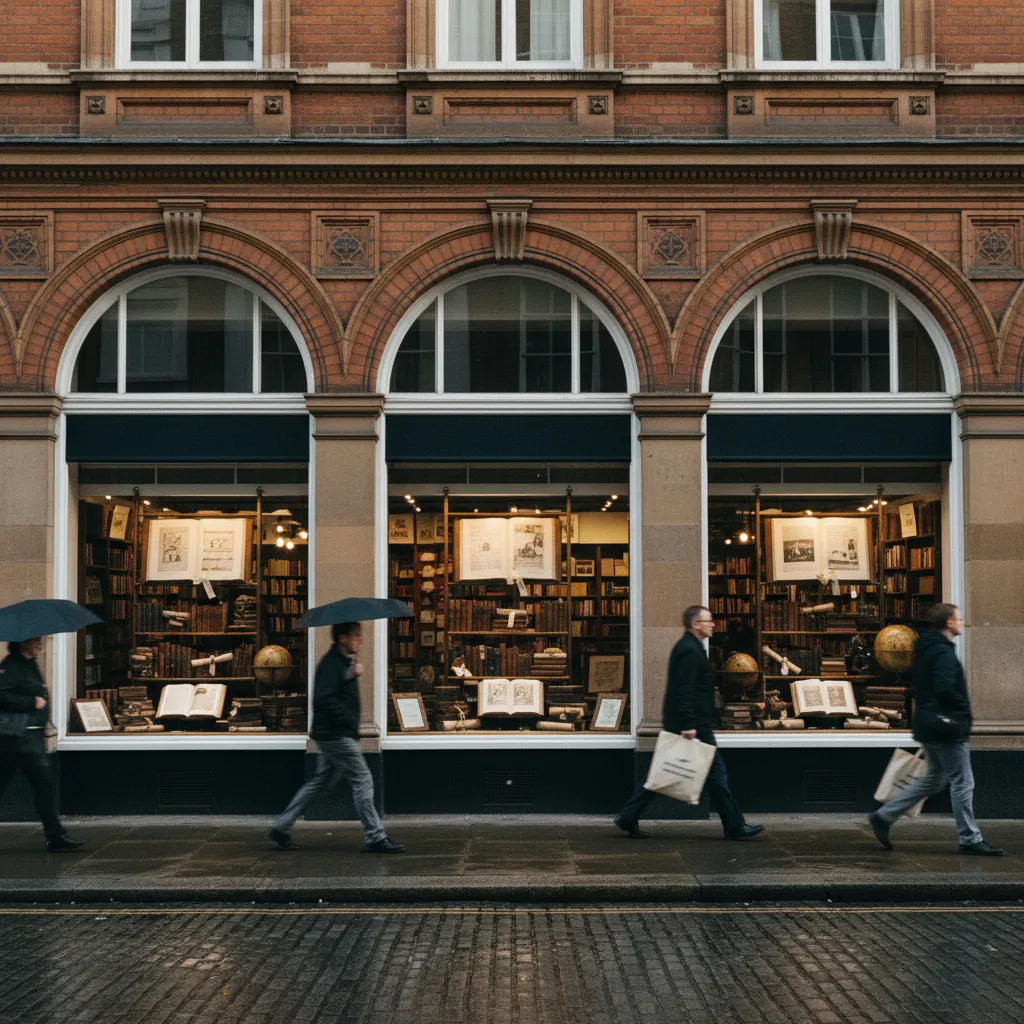
Bloomsbury Neighborhood Bookshop Cafe Walk on Russell Square
Explore Bloomsbury's timeless bookshop cafe walking route through Russell Square, historic Woburn Walk, and quiet shaded Georgian garden benches in London.
Bloomsbury has long stood as London's premier literary heartland, renowned for its uniform rows of eighteenth-century Georgian townhouses, leafy public garden squares, and historic associations with Virginia Woolf, E. M. Forster, and the Bloomsbury Group. Walking along Gordon Square and Tavistock Square immerses you in an environment shaped by intellectual inquiry, academic publishing, and independent bookselling that dates back over two centuries, creating an atmosphere where words and architecture intertwine.
Scholarly Bookstalls and Georgian Terraces
The architectural character of Bloomsbury is defined by its dignified neoclassical terraces, Portland stone door surrounds, and wrought-iron lampposts that evoke the district's golden age of Enlightenment scholarship. Academic publishing houses, university faculties, and specialist independent bookshops occupy former residential parlors along Marchmont Street and Bury Place, creating an atmosphere where intellectual history remains an active daily reality. Looking up at original fanlights reveals the enduring residential grace of the quarter. Strolling through these leafy academic corridors provides a palpable sense of continuous learning and thoughtful historical reflection.
Independent booksellers throughout the quarter specialize in classical philosophy, architectural monographs, European critical theory, and secondhand academic texts that reward patient, curious browsing. Rather than chasing commercial bestsellers, Bloomsbury bookshops curate deliberate selections that encourage deep reading and unexpected intellectual connections across disciplines. Browsing these dense wooden shelves often yields forgotten editions and scholarly treasures that spark new lines of thought.
The proximity of University College London, SOAS, and the monumental Senate House Library lends the neighborhood an enduring scholarly rhythm. Students, visiting academics, and neighborhood bibliophiles stroll these tree-lined sidewalks carrying canvas satchels packed with reading material, creating a shared community reverence for the printed word. The steady, quiet pace of foot traffic invites visitors to slow down and match the contemplative cadence of the surrounding institutions.
Artisan Coffee Stops Near University Precincts
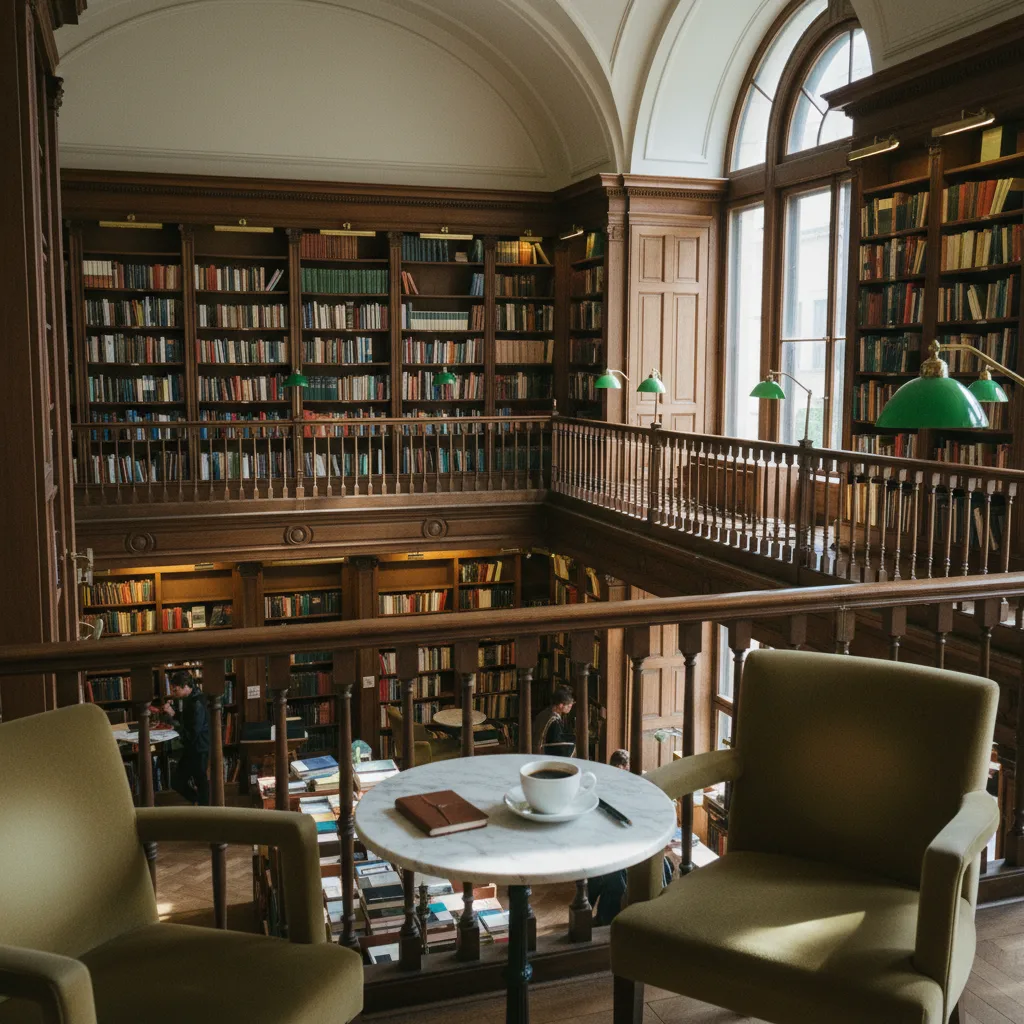
Complementing Bloomsbury's intellectual institutions is a refined coffee landscape centered around minimalist espresso bars and quiet museum cafes tucked into side streets like Marchmont Street and Store Street. Baristas emphasize precision brewing techniques, pulling single-origin espresso shots and offering delicate filter coffees that cater to students and researchers seeking quiet concentration. Freshly poured coffees are served in clean ceramic cups that invite unhurried sipping.
Many local cafes feature quiet interior reading corners equipped with bench seating, vintage wooden school chairs, and wide communal tables where conversation remains subdued. Finding a sunlit seat beside a tall Georgian sash window creates an idyllic environment to begin reading a newly purchased volume of essays. The soft hum of an espresso grinder and gentle turning of pages provide a soothing backdrop for thought.
The slower pace of neighborhood hospitality here encourages visitors to settle in for an extended reading pause. Savoring an aromatic filter brew while flipping through the opening pages of a monograph provides a calm bridge between bookstore browsing and park walking. Staff understand the needs of readers, allowing guests to linger over a warm beverage without feeling pressure to vacate their seats.
Historic Garden Squares and Shaded Benches
Russell Square forms the grand central green lung of Bloomsbury, designed in the early nineteenth century by Humphrey Repton. The square features wide gravel paths, mature London plane trees, and a central fountain surrounded by dozens of comfortable public benches that catch dappled sunlight throughout the day. In autumn, gold and russet leaves drift across the lawns, creating a classic seasonal landscape.
Sitting on a bench in Russell Square allows you to enjoy uninterrupted reading while watching the gentle sway of seasonal foliage and the distant silhouette of the historic Hotel Russell. The park kiosk offers light refreshments, making it easy to enjoy an outdoor tea while turning pages. The open expanse of green lawn provides an invigorating visual rest between dense chapters of prose. Sitting beneath the broad canopy of centuries-old plane trees creates an outdoor study setting where the gentle rustle of leaves harmonizes with every turned page.
Woburn Walk and Architectural Pedestrian Arcades
Woburn Walk, situated just north of Russell Square, is celebrated as one of London's earliest planned pedestrian shopping arcades, designed in the 1820s by architect Thomas Cubitt. The street preserves charming bow-fronted shop windows, gas-lamp-style streetlights, and painted wooden fascias that evoke the Regency era. Walking down this car-free passage feels remarkably intimate and timeless.
Notable historic residents of Woburn Walk include poet W. B. Yeats, who lived at number 5 during the late nineteenth and early twentieth centuries. Walking past these preserved historic storefronts connects contemporary readers with generations of poets, playwrights, and essayists who once strolled these quiet flagstones in search of inspiration and conversation. Standing in front of these historic doorways allows you to appreciate how the physical architecture of London directly nurtured landmark works of modern literature.
Browsing Specialist Art and Philosophy Collections
Bloomsbury's concentration of specialized booksellers makes it an unparalleled destination for niche subject exploration. Antiquarian shops stocking vintage prints, rare maps, and out-of-print historical texts sit alongside contemporary university presses carrying groundbreaking critical theory and cultural monographs. The knowledgeable staff often share fascinating context about scarce volumes and limited print runs.
Timing Your Bloomsbury Reading Circuit
Mid-morning between ten and twelve o'clock provides the most tranquil atmosphere across the neighborhood, when university lectures are in session and garden squares remain uncrowded. Morning light illuminates the eastern facades of the Georgian terraces, offering ideal conditions for outdoor reading on shaded park benches before midday lunchgoers arrive.
Late afternoons after three o'clock offer a mellow, reflective light that filters through the plane trees of Russell Square, casting long golden shadows across the walking paths. Concluding your walk as twilight settles over Bloomsbury's historic squares captures the timeless literary magic of the quarter, providing a peaceful conclusion to an enriching day.
Practical Transport and Neighborhood Connections
Bloomsbury is exceptionally well connected by London Underground transit. Russell Square station on the Piccadilly line sits in the center of the district, while Tottenham Court Road, Euston, and Holborn stations lie within easy walking distance. Planning your stroll between historic university squares and secluded Regency shopping arcades becomes completely seamless when referencing the Karpo APP for nearby green space benches.
Ask Karpo for more information.
Keep reading
- Brixton Vintage Thrift Shop Finder: South London Retro Gems
 Notting Hill Vintage Thrift Shop Finder: Preloved Rails
 Soho Vintage Thrift Shop Finder: West End Designer Archives