 Brixton Vintage Thrift Shop Finder: South London Retro Gems
Hidden Gems & Odd Finds
Marylebone Neighborhood Antiques Crawl: Start at Alfies
Marylebone's antiques crawl centres on Alfies at 13-25 Church Street, open Tuesday to Saturday with about 100 dealers, then winds back through the village.
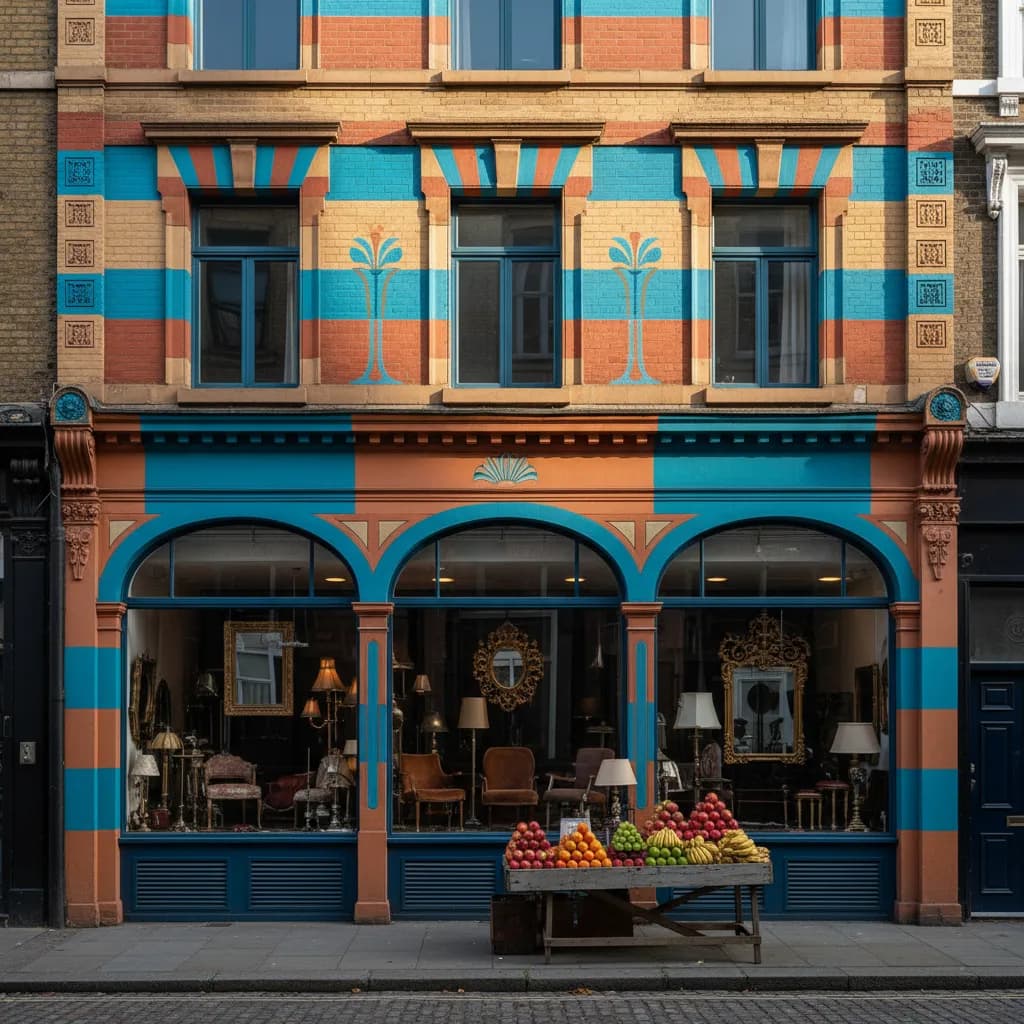
Marylebone is one of the few central London neighborhoods where an antiques crawl has a proper anchor. Alfies Antique Market, at 13-25 Church Street on the district's northern edge, gathers nearly one hundred dealers across four floors of an old Edwardian department store and opens Tuesday to Saturday. Spend the bulk of your time there, then drift south through Marylebone village for its period shopfronts and galleried bookshop. On Sundays and Mondays, Alfies is closed, so plan around that.
Alfies: How a Derelict Store Became a Dealers' Warren
Alfies opened in 1976, founded by Bennie Gray in the buildings of the former Jordans department store. He named it after his father, Alfie, who had encouraged him to buy the property. At the time this end of Church Street was run-down, with many boarded-up shops. The market began on the ground floor alone and expanded through the whole building within months, which is why its layout still feels like a series of rooms rather than one planned hall.
That warren-like quality is the reason to come. Each dealer runs an independent business within the building, so you move from a cabinet of art deco jewellery to a room of mid-century lighting to a stand of vintage fashion within a few steps. Stock ranges from antique jewellery and silver to twentieth-century furniture, ceramics, glass, posters and accessories. Give the building at least two hours, and allow more if you collect anything specific.

A Floor-by-Floor Strategy That Saves Your Legs
Start at the top and work down. The upper floors tend to be quieter, and finishing at street level means you are not climbing stairs with a heavy bag. On each floor, walk the full circuit first and note the dealers whose taste matches yours, then circle back. Because dealers are individual businesses, payment methods, delivery options and willingness to discuss price vary from stand to stand, so ask each one directly rather than assuming a house policy.
Talk to the dealers. Many specialise tightly in one period or material and can tell you the maker, decade and condition story of a piece in a way no label can. If you are furnishing a home, ask about delivery for larger items before committing. If you are a first-time buyer, a good question is simply what the dealer would buy from their own stand, which often reveals the piece they are proudest of.
Church Street Beyond Alfies
Church Street itself carries a long-running street market of fruit, vegetables and household goods, and a handful of antique and decorative shops cluster near Alfies at the market's western end. The contrast is part of the charm: a working local market on one side and a dealers' emporium on the other. Walk the short stretch around Alfies before leaving and look into the smaller shopfronts, which sometimes carry larger furniture that would not fit on a market stand.
Who gets the most from this end of the crawl? Interior-minded buyers looking for one statement lamp or mirror, collectors of twentieth-century design, and vintage fashion fans who want pieces with provenance rather than fast-fashion copies. Casual browsers enjoy it too, because the building rewards curiosity and nobody minds if you simply look. The one group likely to be disappointed is bargain hunters expecting flea-market prices, since this is a dealers' market with dealers' expectations.
Walking South Into Marylebone Village
From Church Street, walk south across Marylebone Road toward Marylebone High Street. The change of mood is immediate, from a working market street to a polished high street of independent shops and cafes. Very little here is antique in the trading sense, but the streets are lined with Georgian and Victorian buildings and rewarding to walk slowly, especially the side streets running east toward Marylebone Lane.
Daunt Books on Marylebone High Street is the essential stop. Its Edwardian shop has long oak galleries, green lamps and a long skylight over the main room, and it is one of the most handsome bookshop interiors in the city. It sells new books arranged by country, which makes it a useful foil after Alfies: the building is the antique, not the stock.
Chiltern Street and What to Skip
Chiltern Street, a block west of the high street, is often suggested on Marylebone walks for its red-brick terraces and independent menswear shops. For an antiques crawl it is skippable. The shops are new and premium, and there is little to browse if your goal is old pieces. Spend that time at Alfies instead, or on the side streets around Marylebone Lane, where the architecture is more varied and the walk is quieter.
Picking Your Day and Timing
Saturday is the liveliest day at Alfies, with the most dealers present and the busiest stairways. Weekdays from Tuesday to Friday are calmer and better for long conversations. Arriving soon after opening gives you first look at fresh stock and space to move. Lunch on or near Church Street, then walk to the high street in the afternoon when the shops are in full swing.
If your only free day is a Sunday, the plan changes. Alfies is closed, but Marylebone's Sunday farmers' market fills the area off Marylebone High Street, and the walk through the village is still pleasant. Pair it with Portobello Road the day before, or with Covent Garden's Monday antiques trading the day after, so the trip still includes a serious antiques morning.
Getting There and Carrying Your Finds
Alfies is within walking distance of Marylebone, Edgware Road and Baker Street stations, which makes it easy to fold into a day that started elsewhere. Bring a sturdy tote and some bubble wrap or a scarf for small breakables, as you may be walking a mile or more after buying. For anything bigger than a lamp, ask the dealer about delivery rather than wrestling it onto the Underground.
Fitting Marylebone Into a Bigger Plan With Karpo APP
Alfies alone can fill a morning, so the question is what to pair it with. Tell Karpo APP what you collect and which days you are free, and Karpo can suggest whether Marylebone deserves a full day for you or works best combined with another London neighborhood. Save the plan and you will know before you set out whether it is a Tuesday dealer chat day or a Saturday buzz day.
Ask Karpo for more information.
Keep reading
- Brixton Vintage Thrift Shop Finder: South London Retro Gems
 Notting Hill Vintage Thrift Shop Finder: Preloved Rails
 Soho Vintage Thrift Shop Finder: West End Designer Archives