 Shoreditch Comic Shop Crawl Planner: Murals to Manga
Hidden Gems & Odd Finds
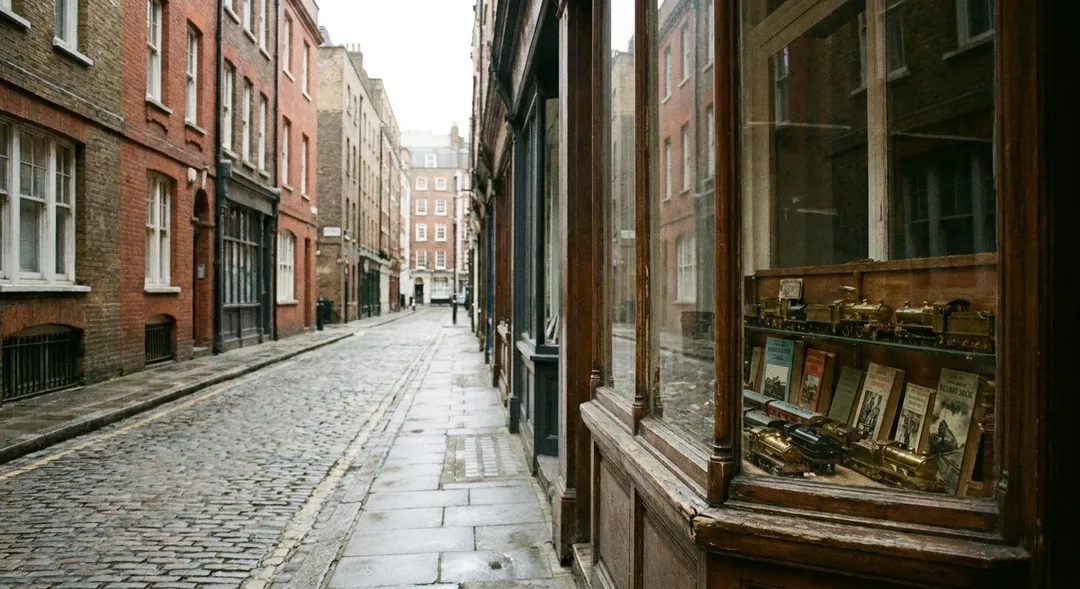
Holborn Model Railway Hobby Shop Picker: Brass Rail Guide
Compare brass locomotive kits and fine N scale track in Holborn. Describe desired hobby areas on Karpo APP to explore nearby modeling stops and plan your day.
Exploring the leafy legal inns, quiet courtyards, and grand Victorian thoroughfares of Holborn places hobbyists at the crossroads of historic London transit routes. Situated a short walk from the cavernous railway termini of King's Cross and St Pancras, this neighborhood carries an enduring connection to British engineering culture and mechanical craftsmanship. For railway modelers, architectural draftsmen, and heritage transport preservationists, Holborn serves as a prime gathering ground for evaluating precision brass locomotive kits, fine-scale trackwork components, and specialized modeling tools. Navigating these central lanes with a structured project brief allows makers to inspect delicate metal parts, discuss chassis tolerances with veteran builders, and choose components tailored to compact urban layouts.
The distinct urban geography of Holborn fosters a deliberate, contemplative approach to the model railway hobby. Makers constructing complex locomotives in British N gauge or two-millimeter fine scale often contend with limited workspace in central London apartments, where every millimeter of bench space counts. Sourcing etched brass frets, lost-wax brass castings, and precision gearboxes requires careful physical inspection under natural light to verify relief sharpness and solder seam integrity. Strolling through the peaceful pathways of Gray's Inn Gardens and Lincoln's Inn Fields between store visits provides quiet outdoor space to examine track geometry sketches and review locomotive wheel arrangements without rush.
Beyond the quiet legal gardens, the architectural scale of Holborn's stone archways and red-brick facades stimulates creative ideas for high-density railway dioramas. Historical maps of the area reveal dense networks of subterranean railway vaults, parcel sidings, and forgotten hydraulic lift shafts that once supported heavy freight transfers across London. Observing these grand masonry surfaces up close teaches modellers how soot, rainfall, and decades of urban weathering create complex color gradients on natural stone. Taking time to note the subtle shifts between Portland stone ashlar and London stock brickwork informs the color mixing choices needed for convincing model backdrops.
Fine Scale Trackwork and Pointwork Geometry Considerations
Selecting the correct track system forms the foundation of any reliable model railway, dictating running quality, electrical continuity, and visual fidelity. In Holborn, hobbyists often compare the merits of ready-to-run flexible track against handcrafted timber-sleepered pointwork built using nickel-silver rail sections and individual brass track chairs. While mass-produced track allows rapid assembly, hand-laid pointwork delivers the gentle curving transitions and authentic sleeper spacing typical of historic British railway lines. Evaluating track gauges and turnout angles across different scale standards ensures that long-wheelbase steam locomotives negotiate crossovers smoothly without derailment.
To achieve flawless electrical pickup, experienced modellers pay close attention to frog polarity and frog juicer wiring options when planning track layouts. Browsing through specialized point motors, slow-motion stall-motor actuators, and under-board mechanical linkages helps builders select discreet mechanisms that preserve the visual realism of the visible baseboard surface. Inspecting samples of ballasted track displays under store spotlighting reveals how varying grades of crushed volcanic stone and granite grit mimic the well-tamped permanent way of vintage mainline trackage, offering essential inspiration for upcoming home installation sessions.
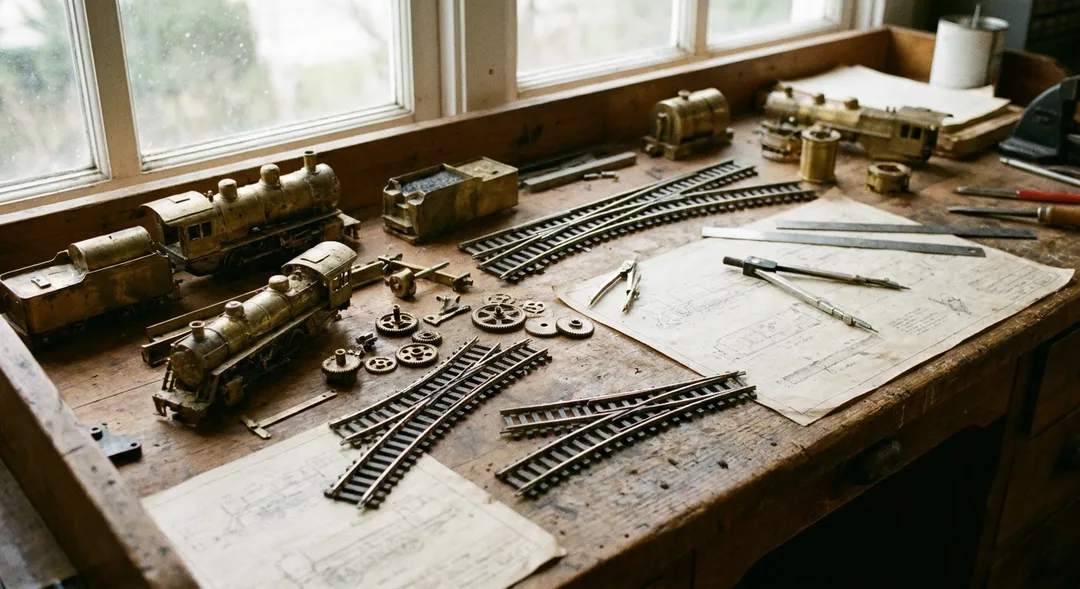
Locomotive Chassis Tuning and Miniature Motor Selection
The mechanical heart of any steam or diesel outline model is its motor and chassis assembly, where smooth low-speed crawling performance separates average models from museum-grade creations. In Holborn hobby discussions, enthusiasts frequently weigh the characteristics of five-pole skew-wound open-frame motors against modern coreless motors equipped with heavy turned brass flywheels. Coreless motors offer silent running and exceptional low-speed torque for shunting operations, though they require sophisticated pulse-width-modulated power controllers or high-frequency digital decoders to avoid overheating during prolonged running sessions.
Beyond motor choices, builders examine specialized suspension systems, including three-point compensation beams and spring-loaded hornblocks that keep all driving wheels in continuous electrical contact with uneven railheads. Examining delicate nickel-silver side rods, valve gear assemblies, and phosphor-bronze pickup wipers under magnifying lamps provides reassurance that parts will withstand years of reliable service. Gathering specialized flux pastes, low-melt soldering alloys, and precision miniature broaches ensures that delicate chassis assembly proceeds accurately on home workbenches.
Urban Micro Layouts and Architectural Scratchbuilding
Given the spatial constraints of London residences, many central hobbyists gravitate toward shelf-based micro layouts, industrial shunting puzzles, and cameo display dioramas that measure only a few feet in length. Holborn itself, with its rich tapestry of Victorian brick viaducts, hidden subterranean vaults, and soot-stained retaining walls, offers a magnificent prototype palette for atmospheric layout backdrops. Recreating urban goods depots, parcel sidings, and cramped locomotive stabling points requires carefully chosen structural materials, from embossed plasticard sheets to laser-cut plywood masonry panels.
Builders frequently examine miniature architectural components such as sash windows, cast-iron drainpipes, and Victorian street lamps to establish an authentic period ambiance. Experimenting with weathered brick slips, acrylic wash pigments, and fine talc powders allows modellers to reproduce the industrial patina of London steam age transport corridors. Resting on public benches in Red Lion Square while examining miniature brick textures against historic neighborhood facades enables crafters to match paint tones and mortar lines accurately before applying final washes to layout structures.
Exploring Central London Hobby Spots With Karpo APP
Preparing for an inspiring hobby outing across Holborn becomes straightforward when you consult Karpo APP during your initial planning. Readers can describe the types of modeling materials or central London neighborhoods they wish to explore, and the application suggests relevant nearby points of interest for personal consideration. Instead of relying on automated routes, hobbyists can review these tailored suggestions, choose which spots match their interests, and organize their own visiting sequence between historic garden squares and quiet legal precincts. Setting aside dedicated browsing moments allows you to inspect delicate brass components, consult reference texts, and take in the neighborhood atmosphere at a natural pace.
Before setting out on your excursion, assemble a clear checklist detailing baseboard dimensions, minimum curve radii, and rolling stock clearance envelopes to guide your inquiries. Checking Karpo APP gives you helpful local recommendations for nearby stops, enabling you to curate your own outing that balances technical model sourcing with personal exploration in one of London most historic legal enclaves. Embrace the timeless craftsmanship of fine scale railway modeling, discover remarkable materials that elevate your projects, and return to your home workshop ready to build captivating miniature trackwork.
Ask Karpo for more information.
Keep reading
- Shoreditch Comic Shop Crawl Planner: Murals to Manga
 Bermondsey Comic Shop Crawl Planner: Zines Under the Arches
 Clapham Comic Shop Crawl Planner: Charity Shelves and Common