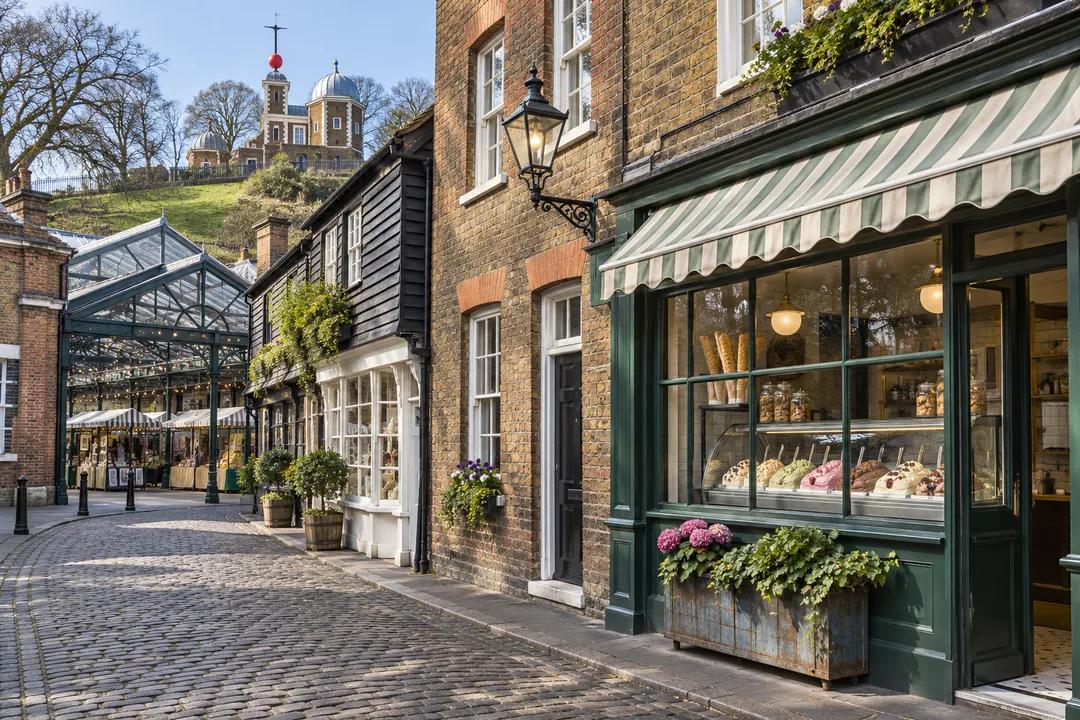
 Greenwich Gelato Shop Crawl: Market Cobbles to Park Hilltop
Coffee & Dessert
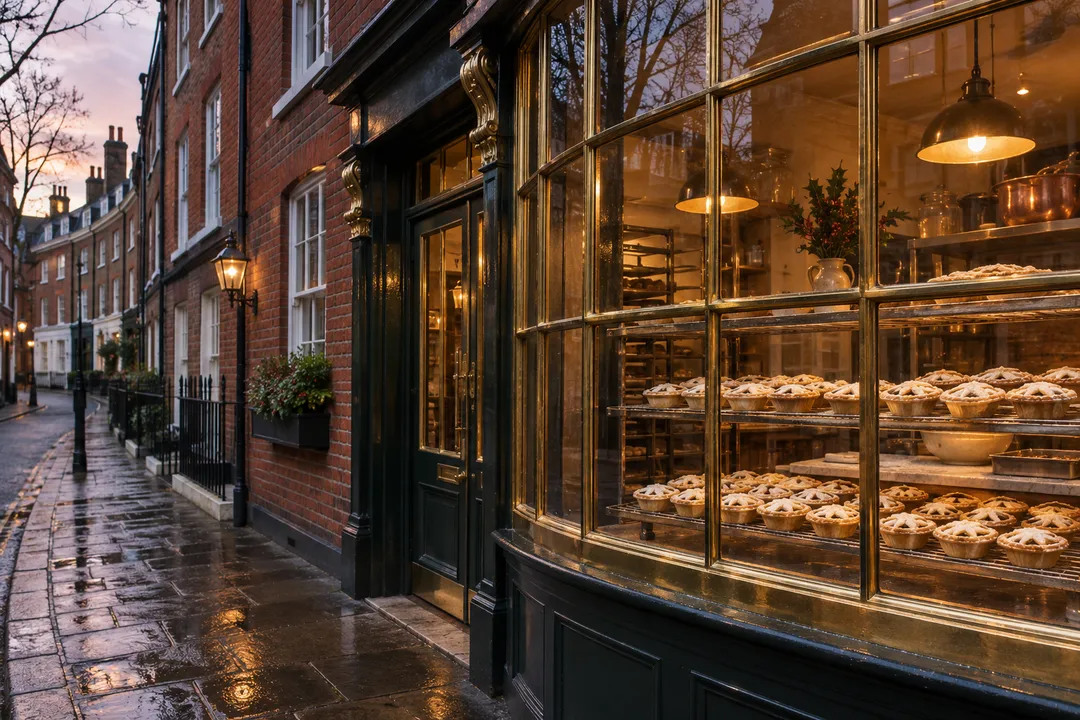
Marylebone Mince Pie Bakery Picker for a Host Gift
Pick a Marylebone mince pie bakery box for a winter dinner host without waiting in long queues. Compare pastry styles before a quiet walk to Regent's Park.
Arriving at a winter dinner in central London with a supermarket foil tray under your arm feels like a missed opportunity when Marylebone's side lanes smell of browned butter, grated nutmeg, and brandy-soaked currants from mid-morning onward. A thoughtful mince pie bakery picker approach turns an ordinary host errand into a calm forty-minute loop between Marylebone High Street, Moxon Street, and the quieter Georgian terraces near Manchester Square. My sister and I started this tradition a few Novembers ago when we were invited to a Sunday roast in a top-floor flat near Baker Street and realized none of the guests actually agreed on what a proper festive tart should taste like. One cousin wanted thick, crumbly all-butter shortcrust that holds together in your fingers by the fire. Our host preferred a blistered, caramelized puff pastry lid that shatters over a saucer, while her partner always hunted for an almond frangipane top with a sharp seam of marmalade underneath. Instead of guessing which single bakery box would please everyone at the table, we began building a deliberate six-piece tasting box across two or three neighborhood counters, pairing the errand with a brisk walk past the Wallace Collection courtyard and up to the southern gates of Regent's Park.
Why Marylebone Works like an Open-Air Festive Larder
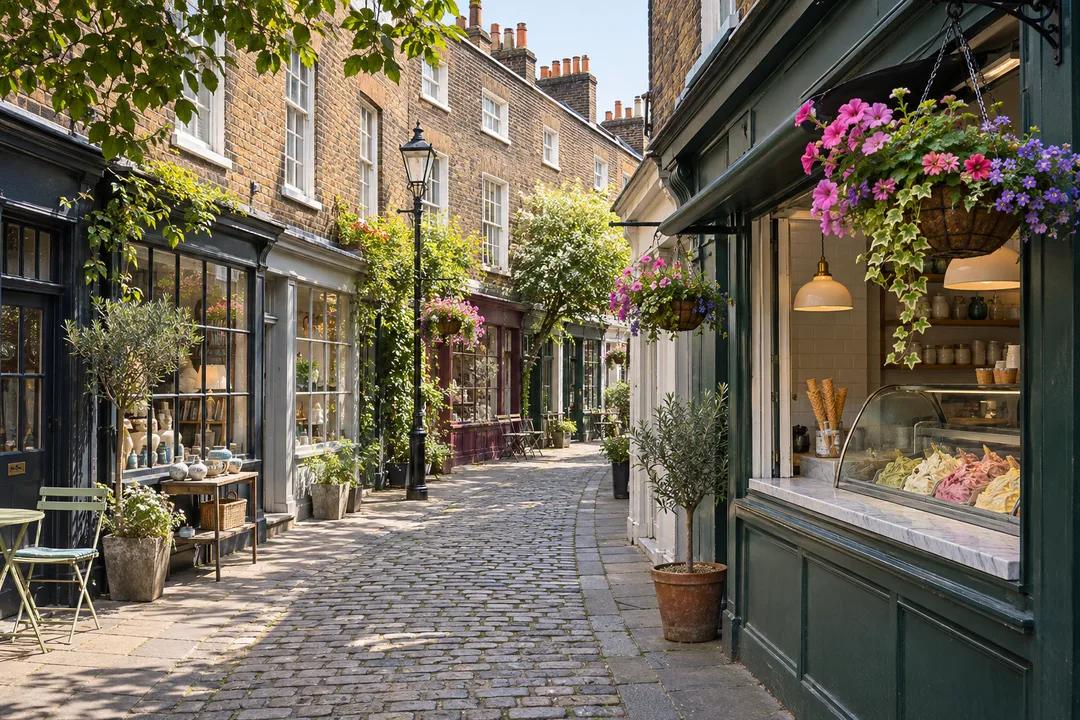
Most central London shopping districts scatter their patisseries across busy arterial roads where buses roar past and pavement space disappears, making a multi-stop pastry run feel frantic. Marylebone is laid out differently. Because the grid grew out of an eighteenth-century estate plan anchored by garden squares and narrow mews, the blocks between Marylebone Lane, Paddington Street, and New Cavendish Street feel like a self-contained village where butter-scented bakeries sit three minutes apart on foot. You can step out of a Nordic-leaning bread shop with a cardamom-spiced tart in a greaseproof bag, cross a cobbled mews where delivery bicycles lean against painted timber doors, and immediately enter a French-trained patisserie or a traditional British bakehouse without ever touching Oxford Street.
That compact geography changes how locals shop for seasonal tables. On a crisp Saturday morning or a quiet Tuesday afternoon, you see older residents in wool coats carrying flat ribbon-tied boxes alongside cheese parcels from nearby fromageries, while young couples share a single warm pie on a bench in Paddington Street Gardens to test a batch before committing to a dozen. The unspoken neighborhood rule is simple: if you only want one warm pastry to eat on the pavement, join the fast takeaway line and keep your order brief. If you are assembling a ribboned gift box for an evening gathering, step to the side of the glass counter first, read the tray cards, and decide your exact split before the server reaches for the tongs.
Decoding Crusts and Fillings at the Bakery Counter
Using a mince pie bakery picker mindset means looking past the dusting of icing sugar and reading how each baker balances pastry fat against dried fruit acidity. In Marylebone, counters generally divide into three distinct schools of winter baking. The first is the classic deep-tin British shortcrust: pale golden walls with a high butter-to-flour ratio, often enriched with a touch of egg yolk and lemon zest so the shell stays tender rather than sandy. Look for pies where the crimped rim is slightly darker than the center star or holly leaf cutout, a reliable sign that the base has baked through beneath the heavy fruit.
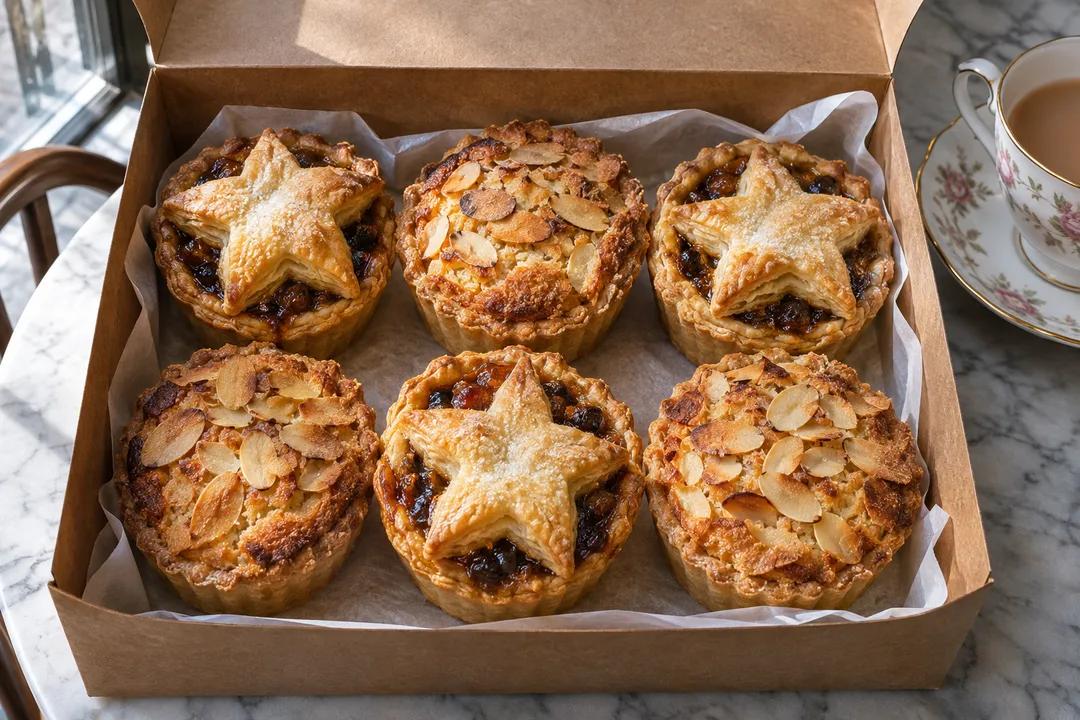
The second style borrows from continental viennoiserie, using laminated puff pastry or rough-puff dough that rises into crisp, honeycombed layers around a smaller spoonful of mincemeat. These pies feel lighter after a heavy roast dinner because the ratio of flaky crust to sweet filling is much higher, and the exterior often carries a glossy sugar glaze that crackles when you bite in. The third style swaps the top crust entirely for piped almond frangipane, scatterings of flaked almonds, or a winter crumble streusel. Before you ask for six of the same, scan the counter for citrus and spice notes: a filling brightened with shredded Bramley apple, Seville orange peel, or tangy cranberries cuts through rich clotted cream far better than a dense, treacle-heavy mixture that tastes only of dark sugar.
How to Build a Mixed Tasting Box Without Crushing the Pastry
When my sister and I assemble a host gift along Marylebone High Street and its side turns, we follow a two-stop rule that keeps the pastry intact all the way to the dinner table. Mixing three different styles inside a single cardboard box only works if the pies share a similar height and structural firmness. Sturdy shortcrust tarts and frangipane-topped rounds travel happily side by side in a flat six-compartment bakery box, whereas delicate laminated puff rounds or meringue-peaked specials will slide and bruise if jostled on the Bakerloo line. Skip buying pre-stacked cellophane bags of mini tarts when you are walking more than ten minutes—the trapped steam softens the bottom crust before you even reach the front door, and the top pies always lose their lids.
Instead, ask the first bakery for a rigid, unlined card box and select four structured pies: two classic shortcrust with brandy-steeped fruit and two almond-topped or spiced crumble versions. At your second stop a few doors down, pick up two flaky laminated pies in a separate flat paper bag and keep that bag level in your hand rather than upright in a canvas tote. If your host's kitchen will be busy with roasting trays when you arrive, tuck a small handwritten note inside the box lid indicating which pies have almond topping, which contain alcohol or suet versus vegetarian butter mincemeat, and which two only need a brief resting spell on top of a warm oven rather than a full reheat.
Timing the Run and Pairing It with a Regent's Park Walk
The calmest window to work through a Marylebone bakery loop is mid-morning on a weekday or the first hour after mid-morning coffee rushes subside on a weekend, when the second oven batch of the day is cooling on wire racks and the counters are still fully stocked. Late afternoon sweeps after dark can still yield wonderful boxes, though the most unusual seasonal specials—like brown-butter quince mincemeat or hazelnut-crusted tarts—often sell out once office workers begin heading toward Marylebone Station. If your first-choice counter has a queue stretching past the doorway onto the pavement, do not wait twenty minutes in the cold wind. Pivot two streets east toward New Hanson Street or west toward Chiltern Street, where smaller independent coffee-and-bake rooms pull their trays out of the oven to a much calmer room.
Once your boxes are packed, resist the urge to dive straight into the Underground. Walk north past the handsome portico of St Marylebone Parish Church, cross Marylebone Road, and enter Regent's Park through York Gate. Even in late autumn and winter, the broad tree-lined avenues around the Inner Circle and Queen Mary's Gardens offer sheltered benches where you can eat the single extra warm pie you bought for yourself while watching dogs chase leaves across the frosty grass. From there, it is an easy stroll back down through Manchester Square—pausing five minutes to admire the forecourt of the Wallace Collection—or a quick walk west to Baker Street and Marylebone stations with your host gift cool, crisp, and ready for the table. You can open the Karpo APP before you set out to compare nearby bakery stops, filter for coffee counters around Marylebone Village, and map a smooth walking route between the shops and the park gates.
Ask Karpo for more information.
Keep reading
- Greenwich Gelato Shop Crawl: Market Cobbles to Park Hilltop
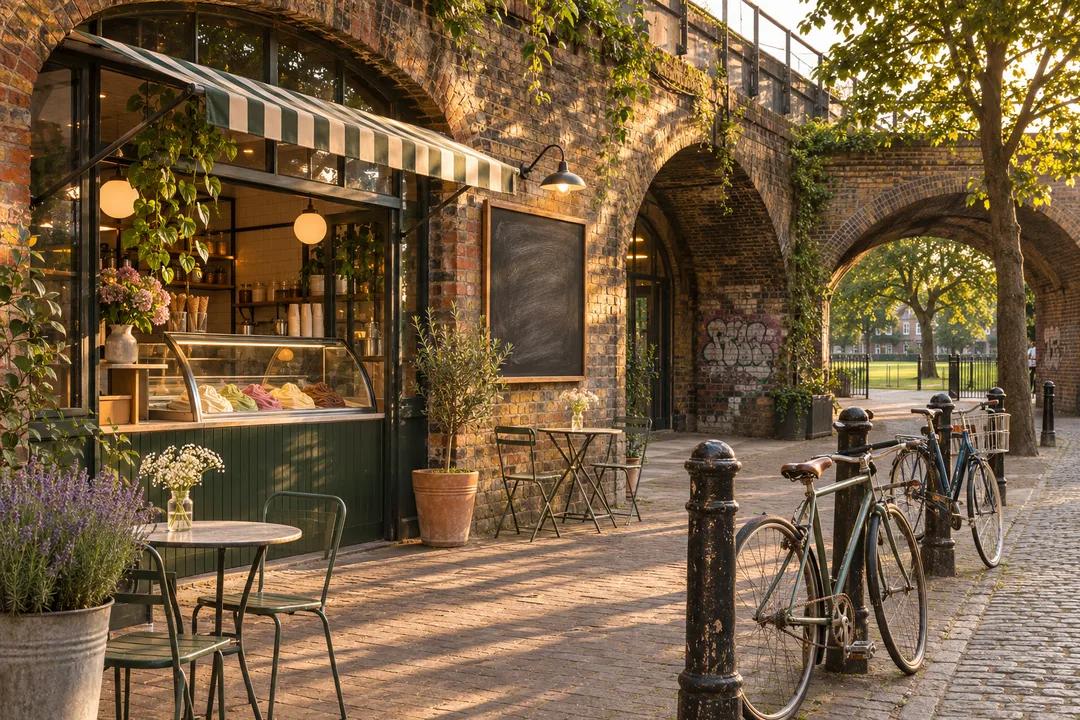 Hackney Gelato Shop Crawl: Small-Batch Arch and Park Route
 Islington Gelato Shop Crawl: Sunday Canal and Passage Walk