 Waterloo Cozy Board Game Cafe Finder in South London
Weekend Plans

London Midpoint Meetup Planner: 2 Hubs for After Work
Compare two London interchange areas for an evening meetup, weighing actual starting points, late arrivals and separate departures before you choose.
Highbury or Clapham Junction can sound like a straightforward choice for friends approaching London from different directions. Each name gives the group a recognisable anchor, yet a familiar interchange is only useful when it fits the journeys people are actually making. A London midpoint meetup planner can help you frame that choice around the evening ahead: who arrives tired, who needs to leave first and where you can sit together once everyone is there. Start with those decisions instead of declaring that either side of the city is automatically the fairer meeting point.
Choose an evening shape before an interchange
An after-work dinner asks different things of a location from a short drink before a late shift. Decide which kind of gathering you mean and how much of it must happen together. If one friend has a firm departure, build the shared part around that boundary. If the evening is flexible, agree a point when waiting becomes sitting down. Neither approach needs a highly detailed itinerary. It needs an honest account of the time you are willing to spend together and the effort you can afford after work.
Use the names carefully. Highbury & Islington and Clapham Junction identify particular stations, while “Highbury” and “Clapham” can describe broader areas in conversation. A friend might picture a neighbourhood restaurant when another pictures the station doors. Resolve that ambiguity before comparing journeys. Keep the station name in the travel discussion and the actual meeting location in the invitation. Being precise about the destination gives your friends a way to spot a misunderstanding early, before somebody is already on a train to the wrong end of the plan.
When Highbury belongs on your shortlist
Treat Highbury & Islington as a candidate when your group's supplied routes make it a useful meeting anchor. TfL provides a station page for its rail services and a separate London Overground network resource. Use the relevant transport information to understand the journeys your friends propose. The decision here is whether gathering in that area improves the shared evening. A station's place on a network cannot tell you whether the onward walk or chosen setting suits the people coming.

A northern meeting area might appeal if friends want to stay near their eventual route home, but that preference needs to be stated rather than assumed. Ask the person coming from farther away what they gain from the location. Perhaps they enjoy the neighbourhood, or perhaps they would simply be absorbing extra travel so everyone else can leave quickly. Those are different reasons for choosing it. A fair arrangement can include an unequal journey when the person making it actively likes the tradeoff and understands the alternative.
When Clapham Junction deserves the other column
Give Clapham Junction the same test. TfL has a Clapham Junction rail station page, which is useful when participants are assembling their own journeys. Avoid replacing a specific route with a vague promise that an interchange will make everything easy. Ask what happens after each friend arrives, where they would meet and what the return trip involves. Compare that complete account with the northern candidate. The difference between the areas should be expressed in terms that matter to your particular evening.
Clapham Junction and Clapham Common are different stations, so spell out which one the group means. A friend who says “Clapham works for me” has not necessarily agreed to the location everyone else is researching. Establish the endpoint before discussing a pub or restaurant. If the preferred venue moves the evening away from the selected station, bring the new endpoint back into the comparison. The original station choice should not become a reason to ignore a walk that changes the balance for somebody.
Use the hardest return journey as a deciding factor
Picture a group in which the arrivals are acceptable at both candidates. The strongest distinction might be the journey after the gathering. One friend could be travelling onward to another part of London while the others go home. Ask that person to describe their departure constraint before the group settles on a neighbourhood. This is a hypothetical planning exercise, not a timetable claim about either station. The useful question is whether the decision still feels fair once you include the trip away from the table.
When neither candidate has a clear advantage, use rotation across several meetups. The organiser can say that this evening favours one side and the next will favour the other. That agreement works only if everyone remembers the imbalance and accepts it. Do not turn a supposed rotating arrangement into a permanent default because one person is always willing to travel. Keep the explanation in the invitation so a new participant understands the reason for the location instead of inheriting a mysterious rule about where the group meets.
Ask for a decision aid that reflects this group
Try Karpo APP with: “We are weighing an evening near Highbury & Islington against one near Clapham Junction. Our friends will supply their travel options. Help us compare a seated catch-up, a clear meeting point and an easy departure for the person leaving first. Explain which preference would make each area the stronger choice.” Add the shared activity and any personal walking limits. A request with those details gives the discussion a useful structure without pretending that a neighbourhood name settles every part of the journey.
Read suggestions as candidates and keep track of why each was offered. If the explanation assumes everyone wants a long meal when you want a brief conversation, revise the brief. If it overlooks the traveller with the tight departure, put that constraint first. You can ask for a more concise comparison once the tradeoffs are clear. Choosing an area, selecting a place and making a reservation are separate actions. Name the person responsible for the reservation if your final choice requires one, and circulate the resulting confirmation.
Practical Notes for the group message
Write the complete station name, the agreed meeting point, the arrival interval and the latecomer arrangement together. A clear instruction might say that everyone will meet at a named public point, then move to the selected place as a group. If early arrivals will go inside instead, say that directly and give enough information to find the table. Choose the arrangement that fits the setting. Do not leave people interpreting fragments of an earlier conversation while the organiser assumes the plan is obvious.
Keep one nearby fallback only when it solves a specific difficulty, such as an unsuitable waiting space. Changing from one interchange area to the other is a new travel decision, not a casual fallback. Reopen the group discussion if such a change is necessary. For the evening itself, let the shared conversation carry the outing and keep any walk afterwards optional. Use Karpo APP to sharpen the choice before departure, then send an arrangement that works even when nobody is watching the group chat continuously.
Ask Karpo for more information.
Keep reading
- Waterloo Cozy Board Game Cafe Finder in South London
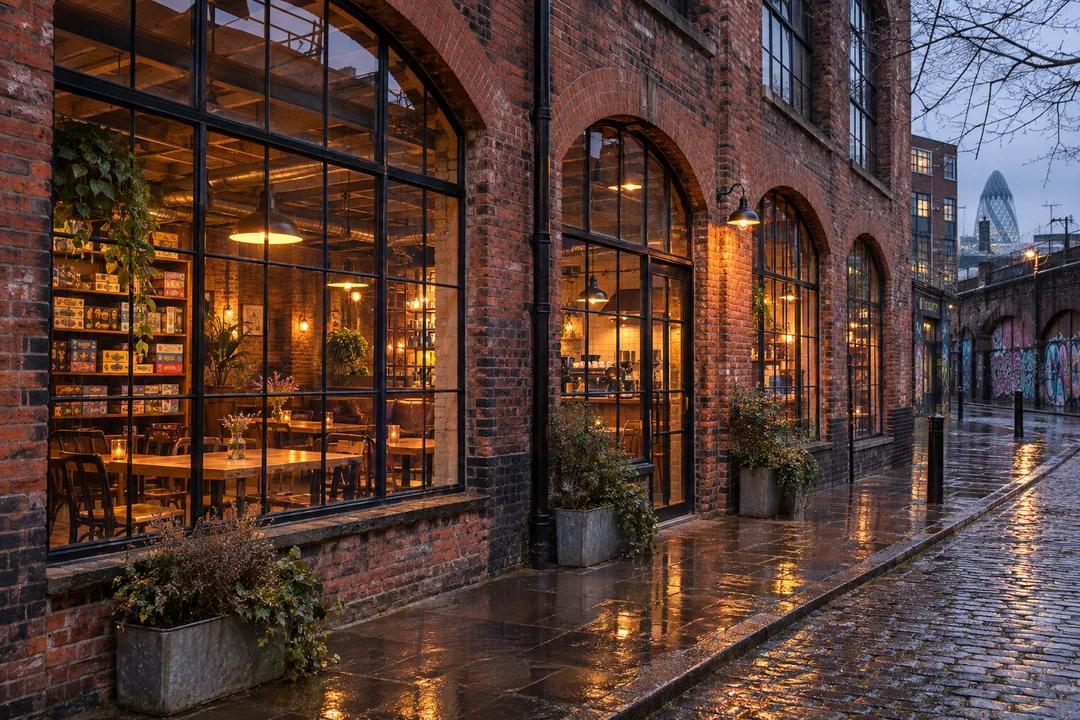 Shoreditch Cozy Board Game Cafe Finder in East London
 Brixton Cozy Board Game Cafe Finder for Warm London Days