 Waterloo Cozy Board Game Cafe Finder in South London
Weekend Plans
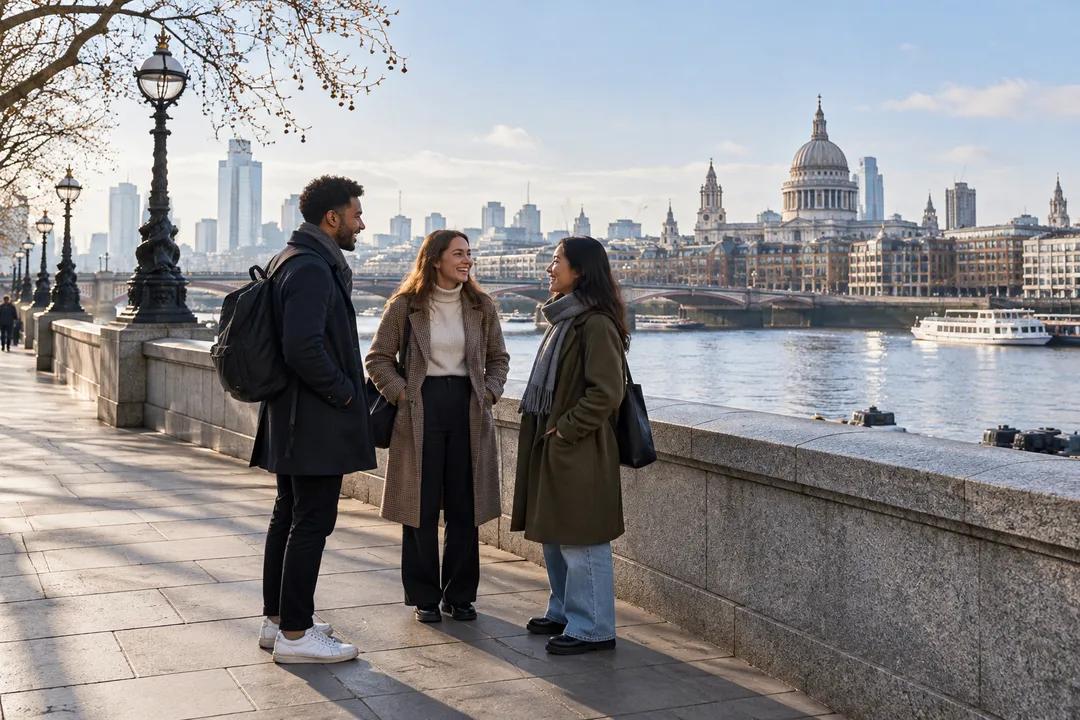
London Midpoint Meetup Planner: 2 Routes, One Fair Choice
Compare London meeting areas across the Thames by journey effort, arrival walks and return plans, so neither friend inherits the awkward connection.
A friend starts north of the Thames, another starts south, and both suggest somewhere central. That sounds settled until one person counts two changes while the other walks straight off a train. A London midpoint meetup planner is most useful when it makes that imbalance visible before you choose a cafe or book dinner. Begin with two possible meeting areas and compare the actual journeys each person would accept. The river is part of the brief, but equal effort is the decision you are trying to make.
Agree what a fair journey means
Draw a distinction between an equal distance and an equal burden. Two journeys can look similar on a map while asking very different things of their travellers. One friend might dislike changing platforms. The other might happily make a change but need a short walk after arriving. Those preferences belong in the conversation from the beginning. Ask each person for a starting station they are comfortable sharing, their intended departure window and one travel constraint. A home address is unnecessary for this first comparison.
For this example, imagine two adults meeting after separate afternoon commitments. One normally uses the Northern line and the other the Victoria line. Those are starting circumstances, not a claim that a particular station is the right answer. Decide whether you care most about the longest individual journey, the number of changes, or the difference between arrival times. Pick one leading measure. Otherwise every new suggestion wins on a different criterion and the discussion keeps restarting without reaching a decision.
Put two candidates on the table
Use a pair of candidate areas rather than opening an unlimited search. Warren Street is one possible starting anchor: TfL lists both Northern and Victoria lines at the station. Compare that with a river-adjacent alternative if being near the Thames matters more to the occasion. Keep both descriptions provisional until each traveller has looked at their own route. A place does not become a balanced midpoint simply because its name feels central. Record what would make each option work: a manageable arrival walk, somewhere to sit together, and a clear return journey after the meetup ends.
If a friend suggests a station, ask which exit and which side of the road they mean. A station name is a useful search anchor, but it is an incomplete meeting instruction. The first task is choosing the area. The second is identifying a public meeting spot outside the flow of passengers. Separating those decisions prevents a promising travel compromise from turning into a hunt for one another around a busy entrance. It also lets you change the venue without rewriting everyone's journey.

Ask Karpo for a comparison brief
Try this in the Karpo APP: “Help us think through a London meetup across the Thames. We are two friends using Northern and Victoria line starting points. We will supply our own journey estimates. Compare two central areas for a relaxed conversation, a short arrival walk and an easy departure. Explain what information would change the choice.” Add the actual starting stations if you want to include them. The request should explain the outing you want, not just ask for a dot halfway between two dots.
Keep the brief focused on the choice you face: a conversation over coffee, dinner together, or a meeting followed by a riverside walk. Include the details both travellers already know and ask what remains unresolved. Use TfL's journey planner for dated transport options, then bring those details into the discussion. Ask for a readable comparison of the alternatives and an explanation of who bears each inconvenience. Keep any route duration tied to the journey information you supplied.
Read the difference between the options
Write a short comparison in ordinary language. For candidate A, explain who makes the more demanding trip and what they gain once they arrive. For candidate B, explain whether the extra travel buys a quieter setting or simply moves the inconvenience to someone else. Include only estimates that the travellers have actually supplied. If the numbers are missing, leave the decision open instead of filling the gap with an invented duration. A useful comparison can expose an unknown without pretending to have solved it.
Consider a deliberately hypothetical result: one option gives both friends a similar overall journey, while another gives one friend a direct ride and the other an awkward change. The second option might still win if the person changing trains prefers that neighbourhood. Fairness includes consent. Ask the affected friend to choose knowingly rather than presenting the average journey as proof that everyone is equally comfortable. The final explanation should make sense to the person doing the hardest part, not only to the organiser.
Leave space between arrival and the main plan
A cross-river meetup becomes brittle when the first shared activity begins at the exact moment the slower traveller expects to arrive. Choose a modest arrival interval that both friends accept. Treat it as a personal planning allowance, not a prediction of rail reliability. If you want a meal, decide whether you will meet before entering or join each other inside after a real reservation has been made. Neither a suggested cafe nor a conversation about dinner reserves a table.
A short neighbourhood walk can be an optional continuation once you are together. Keep it close to the chosen meeting area and let the group decide whether it still appeals. The purpose is to enjoy the conversation, not to cross the river again for the sake of an ambitious itinerary. If one person is tired, the seated part can be the entire outing. That choice should be available without making anyone feel they have disrupted a carefully staged route.
Practical Notes for the final message
Send one concise arrangement containing the chosen area, the exact public meeting location, the agreed arrival interval and the point at which you will move on. Include a simple late-arrival instruction that does not require everyone to remain online. Each friend should retain their own route and return information. TfL's Plan a journey page is the transport reference for the journey date; it is not replaced by the planning example in this article. No particular service frequency or travel time is promised here.
Open Karpo APP with both people's preferences and the two options you are weighing. Ask for help expressing the tradeoff clearly, then take the chosen area into your actual place search. Complete any booking through the venue's available process and share the resulting confirmation yourself. The useful outcome is a meeting decision both friends can explain: this area suits our travel, this setting suits our conversation, and this is where we will find each other. Keep that decision small enough to act on.
Ask Karpo for more information.
Keep reading
- Waterloo Cozy Board Game Cafe Finder in South London
 Shoreditch Cozy Board Game Cafe Finder in East London
 Brixton Cozy Board Game Cafe Finder for Warm London Days