 Waterloo Cozy Board Game Cafe Finder in South London
Weekend Plans

London Midpoint Meetup Planner: 3 Elizabeth Line Checks
Choose a London meeting area around the Elizabeth line by comparing every arrival and the walk beyond the platform, before narrowing down places to sit.
An east-to-west friendship group can spend longer debating which part of London counts as central than enjoying the evening together. The Elizabeth line gives that discussion a useful rail corridor, but the station halfway along a diagram is not necessarily halfway through everyone's journey. Use a London midpoint meetup planner to separate three decisions: the arrival station, the walk out to the neighbourhood and the place where you will actually meet. Work through them in that order so an attractive cafe does not quietly dictate an awkward trip for half the group.
Begin with everyone's whole journey
Collect a starting station and a preferred arrival window from each participant. Ask whether they are joining after work or leaving from somewhere else entirely. An office near a convenient interchange is irrelevant if that friend is travelling from home. Keep the information at station or neighbourhood level unless someone chooses to be more precise. You need enough detail to compare effort, and no more. Add luggage or walking limits when they affect the trip, rather than treating those details as exceptions after choosing somewhere.
Make a separate note for the person arriving latest. Their constraint can be more useful than the geographical spread of the group. If they cannot leave until the others are already travelling, an earlier collective meeting time does not solve anything. Agree whether everyone wants to begin together or whether the first arrivals will sit down and welcome the others. This decision changes the kind of meeting place you need. A casual gathering and a timed activity have different requirements even at the same station.
Shortlist along the corridor before choosing a room
Start with two or three candidate station areas. TfL's Elizabeth line page links to the line map, station information and timetables, which give the transport part of the discussion an official reference. Use those resources to build your shortlist. A station on the line is a candidate, not evidence that every participant has a direct train to it. Include the connections before and after the Elizabeth line segment when deciding which area belongs on the list.
Ask the group to compare the same set of destinations. If one friend researches the rail station and another researches a restaurant several streets away, their estimates describe different trips. Give each candidate a clearly named endpoint first. Later, repeat the comparison with the actual venue location once a place is selected. This small distinction stops a promising station choice from surviving on numbers that omit the longest arrival walk. It also gives people a fair basis for disagreeing with a suggestion.

Turn platform arrival into a meeting instruction
Count arriving at the platform and reaching your friends as different events. There can be a substantial difference between the moment a train stops and the moment a traveller reaches the chosen street. Rather than inventing a standard allowance for every London station, ask people to describe the route they intend to use. The group can then decide whether the exit and onward walk suit the occasion. Anyone carrying a bag or moving slowly should have an equal voice in that choice.
Avoid “meet outside the station” as your complete instruction. Pick a specific public point where people can wait without blocking an entrance. Decide which person will send the final description and whether the group will move on together. When an early arrival suggests a different doorway, update the arrangement in one place instead of sending several competing messages. The successful endpoint is somewhere everyone can identify. It does not need to be the most photogenic corner of the neighbourhood or the closest possible spot to a ticket gate.
Give Karpo a brief with a defined comparison
Write in Karpo APP: “Our London group is arriving from different east and west starting points. We want to compare three Elizabeth line station areas for an early evening catch-up. We will add our own transport estimates. Help us weigh arrival walks, the latest person's timing and somewhere suitable for a seated conversation.” Then add the constraints that matter to your particular friends. A group with luggage needs a different shortlist from one planning to wander before dinner.
Ask for an explanation of the tradeoff rather than a single unexplained winner. You might want a comparison organised around the longest individual journey, or around the area that keeps everyone within their preferred travel effort. Those are your decision rules. Tell Karpo which one should lead, and keep the actual journey information visible as you discuss suggestions. TfL remains the reference for transport details. A conversation about where to meet does not establish a train connection or secure a seat at a venue.
Stress-test the shortlist with a simple example
Imagine three friends whose journeys favour the western candidate and a fourth whose journey favours the eastern one. Counting votes immediately would hide the size of the burden. The fourth traveller might face only a small extra walk, or an extra connection they strongly dislike. Discuss that difference before choosing. If everyone finds both options comfortable, use the type of evening as the deciding factor. If one option exceeds a friend's stated limit, remove it rather than asking that person to defend the same constraint again.
Now imagine one participant leaves early for another commitment. Reconsider the departure as well as the arrival. A meeting point that is convenient coming in can be inconvenient for that particular onward trip. There is no need to calculate a complicated score for every movement. Identify the person with the least flexible departure and ask whether the candidate still works. This is especially useful for a brief catch-up, where a long connection afterwards could become a large share of the outing's total effort.
Move from station choice to one shared plan
Once the area is agreed, describe the place you want: seats for the whole group, a noise level that suits conversation and a spending level everyone accepts. Distinguish a preference for a cafe from a real selection of a particular cafe. Any suggestion becomes part of the plan only after the organiser has the necessary venue details. If a reservation is needed, one named person should make it through the venue's booking process and share the result. The group should know when that task is complete.
Practical Notes: send the selected station area, a precise meeting point, an arrival interval and a latecomer instruction in one message. Keep a second nearby waiting option only if it solves a real problem such as rain or a crowded doorway. Do not give the group a fresh neighbourhood to debate at the last moment. Save each person's route information separately from the social arrangement. Open Karpo APP when you need help turning the preferences into a clear choice, and use that choice to bring the conversation to an end everyone understands.
Ask Karpo for more information.
Keep reading
- Waterloo Cozy Board Game Cafe Finder in South London
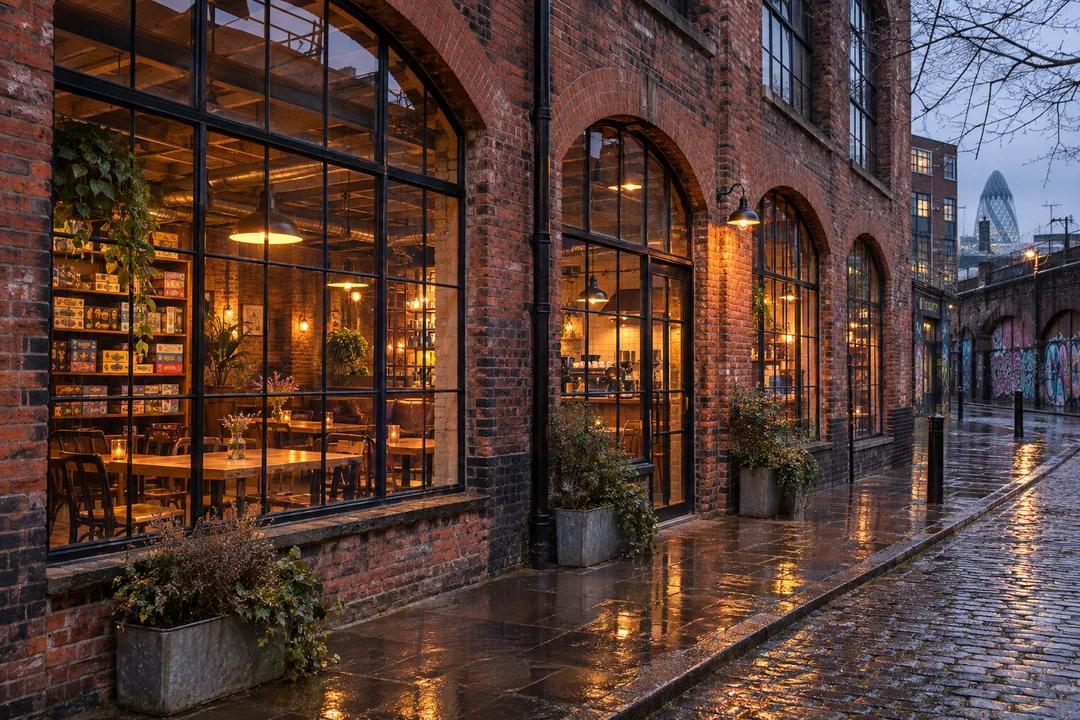 Shoreditch Cozy Board Game Cafe Finder in East London
 Brixton Cozy Board Game Cafe Finder for Warm London Days