 Brixton Christmas Light Up Walk Planner: Rainy Arcades
Free Things to Do
Shoreditch Local Heritage Museum Route: Free Workshop Past
Shoreditch has no single local heritage museum, but the almshouses, Arnold Circus and Redchurch Street workshops form a free route best walked on a weekday.
Shoreditch is famous today for coffee, street art and start-ups, but its streets were built for work. Furniture makers, cabinet joiners, printers, weavers and warehouse porters filled these blocks long before the design studios arrived, and the buildings still carry that working memory in their tall windows, loading doors and narrow yards. Searching for a local heritage museum in Shoreditch can feel confusing because the story is spread across almshouses, housing estates, chapels and repurposed warehouses rather than one tidy building. This route pulls those pieces into a single free walk, explaining what to look for on each street and how to pace the day so the history comes through the noise of the modern neighbourhood.
From Furniture Trade to Design Studios
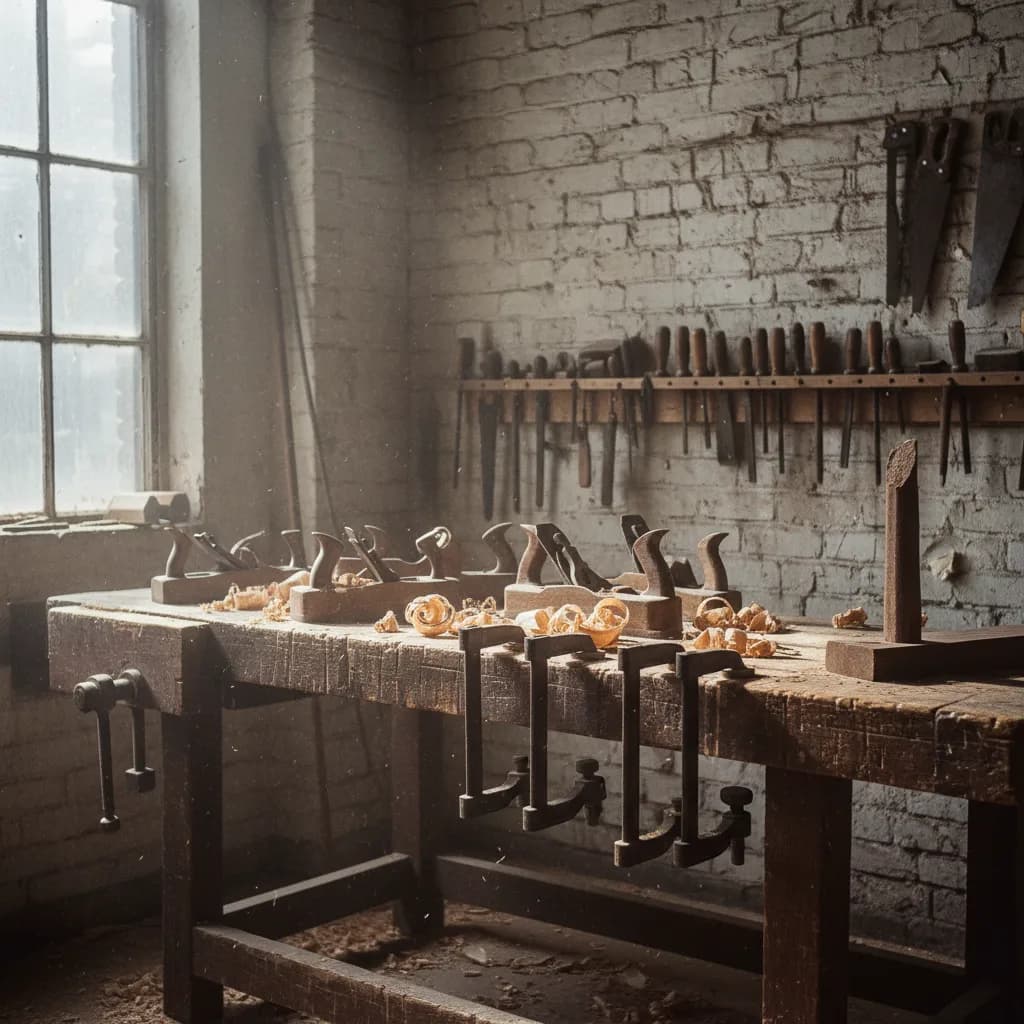
The quickest way into Shoreditch history is to notice the windows. Tall, wide openings on upper floors were built to give craftsmen light for detailed work, and many former workshops along Curtain Road, Great Eastern Street and the lanes off them still have them. Furniture making dominated the area for generations, with small firms each handling one stage of the job, from turning legs to upholstering seats. Goods moved from yard to yard on handcarts before reaching showrooms.
Today many of those workshops hold design agencies, galleries and shops, which makes the neighbourhood a living example of how industrial buildings adapt. As you walk, try to spot old loading doors high on facades, painted company names fading on brick, and cobbled yards that once held timber stacks. Each one is a small exhibit, and spotting them turns a regular stroll into a slow-burn treasure hunt.
Almshouses on Kingsland Road and the Story of Home
A short walk north along Kingsland Road brings you to a row of elegant almshouses set back behind a lawn and trees. Built as homes for the poor by a city livery company, they now hold a museum about how ordinary Londoners have lived and decorated their homes through the centuries. The gardens in front are a calm refuge from the main road, and the building itself is a heritage piece regardless of what is on display inside.
Use this as the anchor of the route. The contrast between the quiet almshouse lawn and the busy road outside tells you a lot about how the area changed. Spend time in the grounds, look at the chapel at the centre of the row and the uniform doors of the former residents' rooms, and decide afterwards whether to go inside. It pairs naturally with the furniture story, since many of the household objects people once owned were made in the workshops nearby.
Arnold Circus and the Boundary Estate
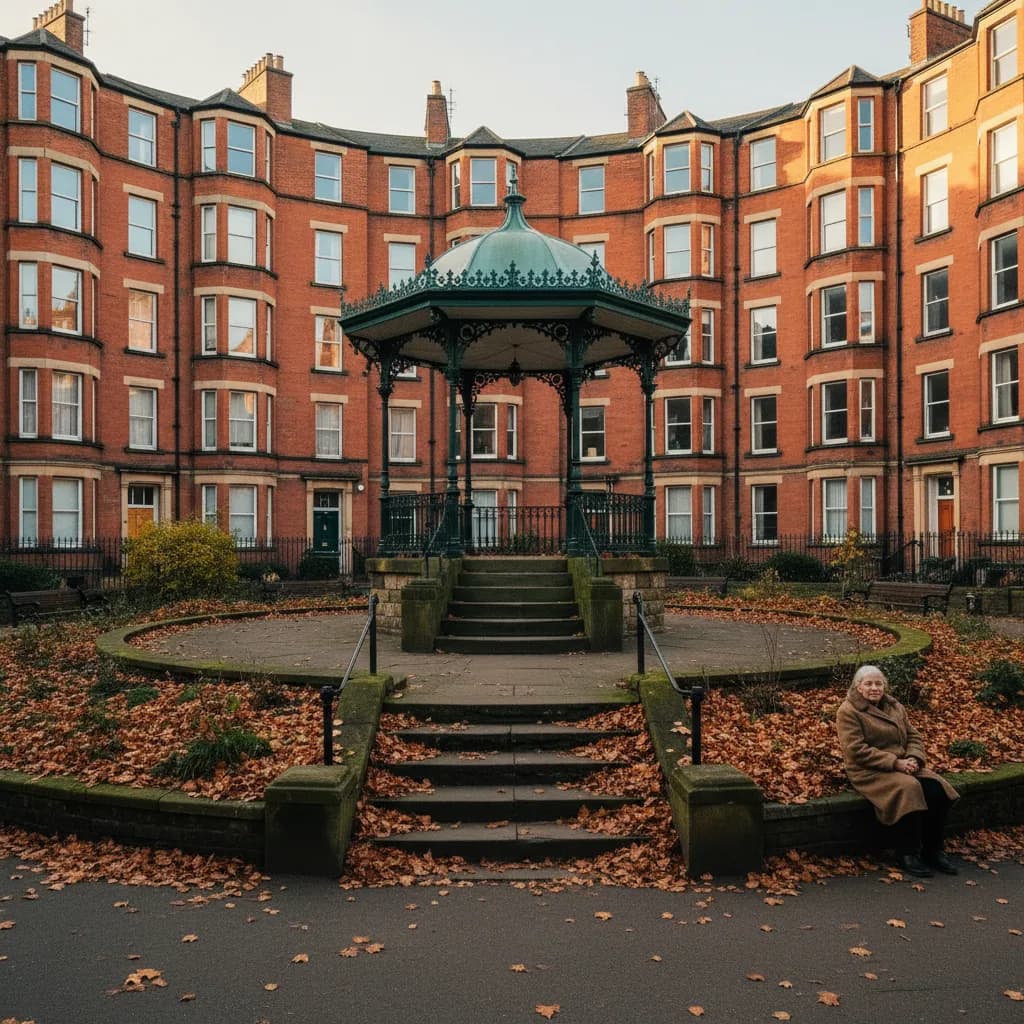
South-east of the main crossroads, Arnold Circus forms one of London's most distinctive pieces of social history. The raised garden with its bandstand sits at the centre of the Boundary Estate, a group of red-brick blocks built to replace overcrowded slum streets with decent housing. The streets fan out from the circus like spokes, and the brickwork, stripes and gables reward a slow circuit on foot.
Climb the steps to the bandstand, sit for a while and look out at the surrounding blocks. Local volunteers care for the garden, and community events sometimes take place there, which keeps the space feeling lived-in rather than preserved under glass. Remember that the estate remains home to many residents, so walk quietly, keep photography respectful and stay on the public paths and pavements.
Redchurch Street, Calvert Avenue and the Workshop Lanes
From Arnold Circus, Calvert Avenue leads toward Shoreditch High Street, lined with independent shops in older buildings. Turning into Redchurch Street, you meet a stretch of restored Victorian frontages now used by boutiques, galleries and ateliers. Look at shopfront details, cast-iron columns and the variety of brick colours, which hint at different building periods sitting side by side.
Small galleries and design studios in these lanes often welcome walk-in visitors and occasionally hold exhibitions about local craft, so it is worth peeking inside if a door is open. Street art on the side walls adds another layer, showing how the neighbourhood's creative identity keeps evolving. Taken together, these lanes feel like the modern wing of the open-air museum you have been touring all afternoon.
Choosing the Right Day and Pace
Weekdays suit this route best, when the streets are working rather than partying. Sunday brings Columbia Road's flower market and heavy foot traffic around Brick Lane, which can be fun but makes it harder to stop and study facades. Friday and Saturday evenings belong to bars and clubs, which changes the mood completely. For architectural photography, mid-morning light on the brick tends to be warm and even.
The full loop, including a pause at the almshouses and a sit at Arnold Circus, fits comfortably in three to four hours. Break it with a coffee halfway, ideally in one of the converted warehouse cafes where you can see exposed beams and old brickwork. The Karpo APP can suggest a nearby spot with seating so you are not wandering hungry between stops.
Where to Rest, Eat and Extend the Walk
Shoreditch has a long tradition of cheap, filling food for workers, and that spirit survives in bagel counters, cafes and markets around Brick Lane and Spitalfields. A bagel on a bench or a bowl of something warm in a market hall makes a fitting heritage stop. If you want a sit-down meal, step a few streets away from the main crossroads to find calmer rooms.
To extend the walk, head south to Spitalfields, where tall Georgian houses tell the story of Huguenot silk weavers, or east along Columbia Road to see Victorian shopfronts and the flower-market street. Both stay free on foot and continue the theme of working heritage. Save your favourite corners in the Karpo APP so you can return to a specific gallery or cafe next time.
Practical Notes for Shoreditch Heritage Walkers
Shoreditch High Street, Old Street and Hoxton stations frame the route, making it easy to start and finish at different points. Pavements around the main crossroads are crowded and busy with traffic, so take side streets wherever possible. Carry water and wear comfortable shoes, since the loop includes steps at Arnold Circus and plenty of standing to look up at buildings.
Respect residents in the estates and the people working in studios and shops. Ask before photographing anyone, keep entrances clear, and avoid sitting on private steps. If you would like suggestions for similar walks elsewhere in East London, from canal-side warehouses to old market streets, ask the Karpo APP for nearby heritage ideas and build your next free afternoon from there.
Ask Karpo for more information.
Keep reading
- Brixton Christmas Light Up Walk Planner: Rainy Arcades
 Hackney Christmas Light Up Walk Planner: Canal Boats
 Islington Christmas Light Up Walk Planner: Square Dates