 Waterloo Cozy Board Game Cafe Finder in South London
Weekend Plans
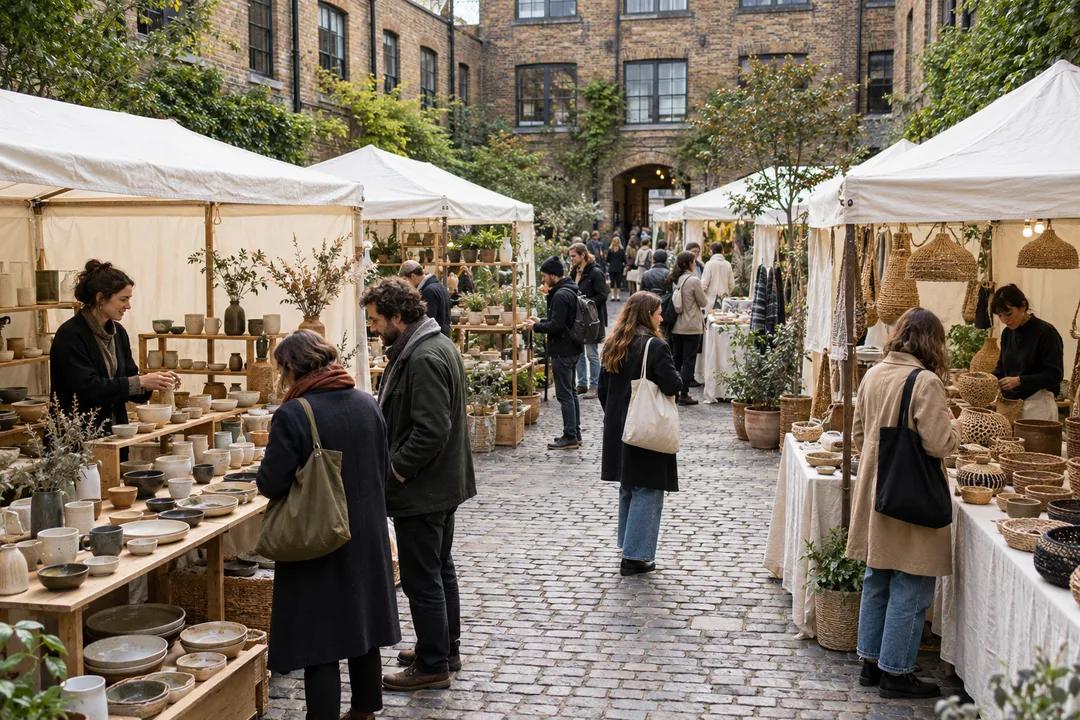
London Local Event Finder: Daylight Markets On Foot
Find daylight London craft markets in Karpo APP using your arrival hub, maker interests and walking limit, then shape one compact weekend browsing route.
Find a daylight London market by giving Karpo APP one arrival hub, two maker interests and a walking limit. A local event finder can help you turn those preferences into a compact browsing plan, with room to look closely at work rather than race between stalls. Start with the date you mean and the part of the day you want outside. “A market sometime this weekend” leaves too much open when the whole point is an easy afternoon on foot.
Give the search a station-sized starting point
Choose the place where you will actually arrive, rather than a broad area that looks central on a map. Your opening message could read: “I will arrive near King's Cross on Saturday at noon. Find daylight artisan or design pop-ups within a fifteen-minute walk, especially ceramics and independent printmaking.” This is an example request. It describes what you want, and does not announce a market, guarantee a walking time or establish that an event is running there.
If a friend is coming from another direction, agree on the arrival hub before extending the search. Two individually convenient stations can create an inconvenient meeting. Tell Karpo whether you value a simple meeting point, a short walk or the strongest match for a particular craft most. The eventual route should reflect that order. You can change the starting point after seeing the options, but doing so deliberately is easier than joining two unrelated browsing plans halfway through.
Separate the objects from the market label
“Artisan” can mean many things, so name what you hope to find. Wheel-thrown tableware, handmade textiles, small-edition illustration and contemporary jewellery produce very different days out. Ask for the makers or categories described in the event information, and keep an appealing market title separate from evidence of its actual stall mix. A design-led event may be attractive without including the specific material or technique you wanted to explore.
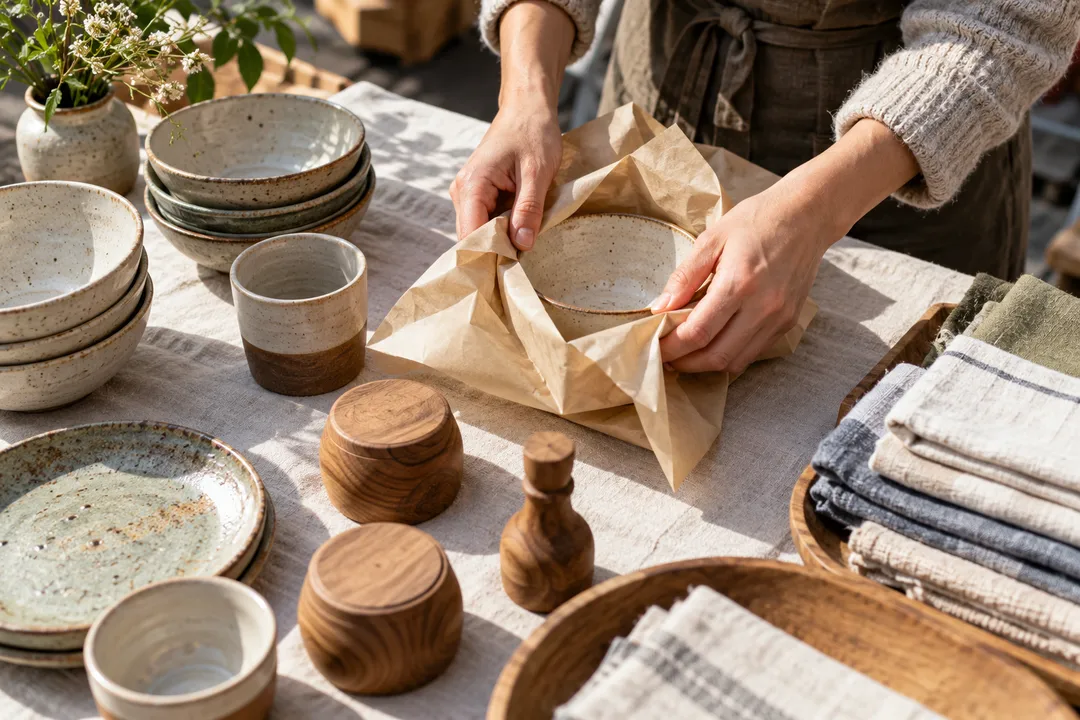
Decide whether you want to meet makers, buy an object, or simply look. Someone choosing a gift benefits from information about the kinds of goods offered, while someone curious about process may care more about demonstrations or opportunities to speak with exhibitors. A demonstration is its own event detail, not something to infer from a photograph of a maker's tools. Explain which interest comes first so the comparison has a purpose beyond collecting photogenic courtyards.
Work through the daytime window
Put your usable time into the conversation in plain language: “I have two hours after arriving and would like most of the outing in daylight.” The two hours are your allowance, not the organiser's opening period. Ask Karpo to arrange the plan around any published session times and identify where the event information is incomplete. A dated pop-up needs a date match as well as a location match; an older photograph cannot establish either.
Keep browsing time separate from walking time. A route that uses most of the afternoon reaching a second market leaves little opportunity to compare objects or speak to exhibitors. Plan one main event first, then consider another stop only if the available details and your energy support it. A compact plan also makes it easier to leave carrying a ceramic bowl or a framed print. The return walk matters as much as the scenic approach when purchases are fragile.
Put two market styles side by side
Ask for two contrasting suggestions: one chosen for the closest craft match and another chosen for the easiest walk from your hub. Have Karpo explain the distinction using the event descriptions it can identify. If the nearest gathering is mostly food and the further one is primarily independent design, that difference belongs near the top of the comparison. You do not need a long list to decide whether making a longer journey would improve your afternoon.
A third option can be useful when weather or access is decisive. Describe it as an alternative with a different setting, such as an indoor event, rather than assuming every outdoor market has covered stalls. A canopy in an illustration does not establish shelter, heating or a dry route. Keep setting, admission arrangements and the published craft focus as separate questions. That way one attractive feature does not accidentally answer all the others in your head.
Choose a browsing strategy before spending
If you want to buy, state a personal spending ceiling and the size of object you can comfortably carry. Ask for a plan that gives you time to browse once before returning to a favourite stall. This is a shopping method, not a promise that a maker can hold stock or that an item will remain available. A useful discovery conversation helps you decide where to look; it does not reserve handmade objects behind a counter.
For a gift, add the recipient's preferences and the practical constraints that often get forgotten: weight, breakability, colour, whether the object must fit in a suitcase, or whether food is unsuitable. Avoid turning an example budget into a quoted maker price. Keep any actual product information connected to the seller's description. Skip a second event when you are already carrying something delicate and would only be going to make the itinerary look fuller.
Make the surrounding walk part of the reward
After selecting a market, ask for an optional neighbourhood loop beginning and ending near its actual location. Give the walk a theme: quiet architecture, waterside views where suitable, or a stretch with places to sit. In the King's Cross example, interest in the canal-side area can inform the discussion without claiming that every suggested pop-up sits beside it. The chosen event determines which streets make sense, rather than a generic city walk determining the event.
Keep a short pause between browsing and travelling home. You may want somewhere to sit, unwrap a snack or compare purchases with a friend. Describe that need without adding an unsupported named venue. Karpo can help organise the sequence once you select the gathering. A walk that is optional, easy to shorten and compatible with what you are carrying is more enjoyable than one that requires another timed entry after a market visit.
Save a plan that survives the conversation
Once the shortlist is settled, ask for a concise recap with the chosen date, event link, arrival hub, walk preference and main browsing interest. Save or copy that recap together with the organiser's information, and share it with anyone joining. Preserve the difference between an advertised opening period and your personal arrival target. A companion should be able to understand whether the plan is a booked session, a possible drop-in visit or still a suggestion.
If no suitable dated pop-up emerges, keep the craft interest and change one variable: a different weekend, a neighbouring starting hub or a wider walking radius. Do not quietly convert a regular shop into a temporary market to fill the gap. You can also decide that a simple neighbourhood walk is enough this time. That is a more useful outcome than making a long journey to an event whose date or format never matched the original request.
Practical Notes for daylight browsing
Bring a bag appropriate for the things you might buy and enough flexibility to stop looking when your attention runs out. Include mobility needs, a preference for level paths and tolerance for standing in the opening brief if those affect the outing. Give daylight its proper role as your preferred time window, rather than a guarantee of sunshine. An event can fit the date and craft interests while still requiring a different plan for the approach or return.
Use Karpo APP to move from an interest to a manageable choice: describe the hub, compare a small number of dated possibilities, then decide where the walk belongs. Any ticket, registration or purchase follows the organiser's or seller's stated process. The finished afternoon should leave room for a conversation about a glaze, a print or a woven texture, with the journey settled enough that you can pay attention to what brought you out.
Ask Karpo for more information.
Keep reading
- Waterloo Cozy Board Game Cafe Finder in South London
 Shoreditch Cozy Board Game Cafe Finder in East London
 Brixton Cozy Board Game Cafe Finder for Warm London Days