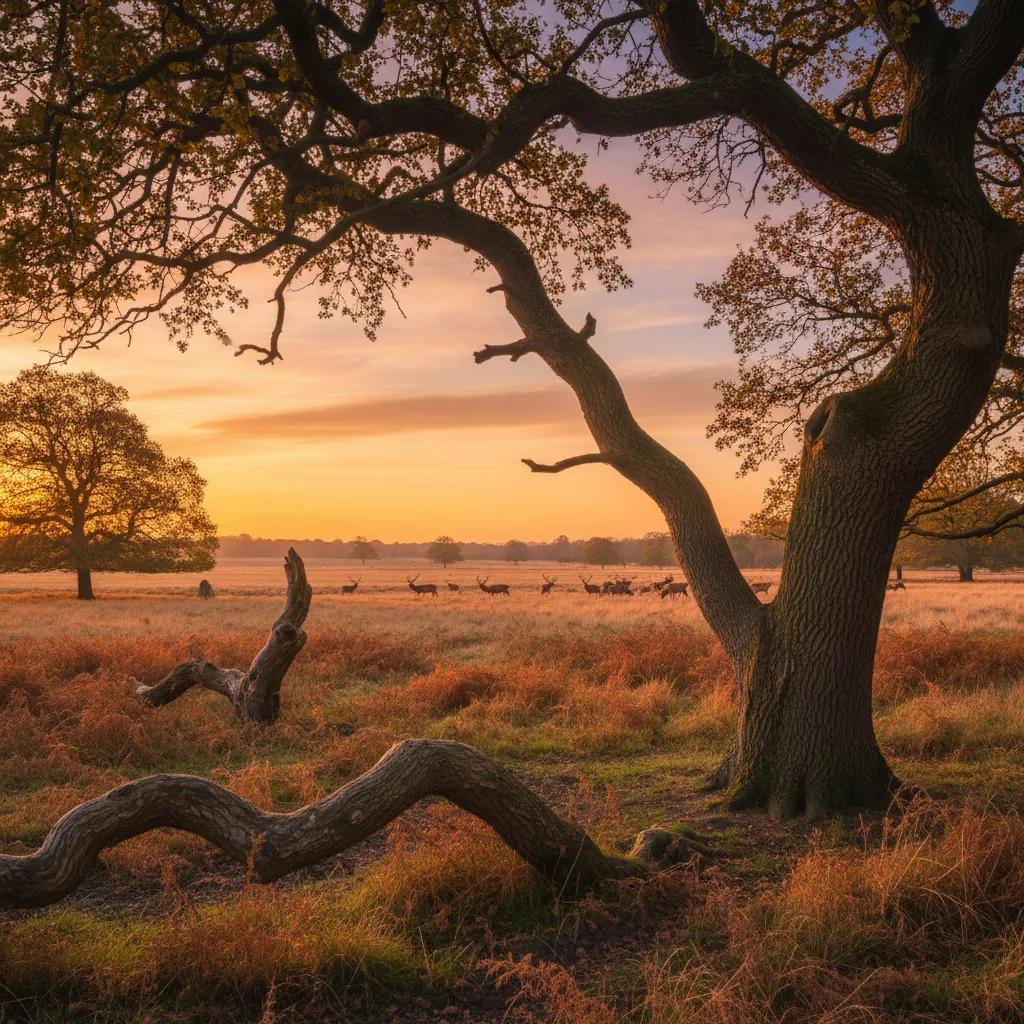
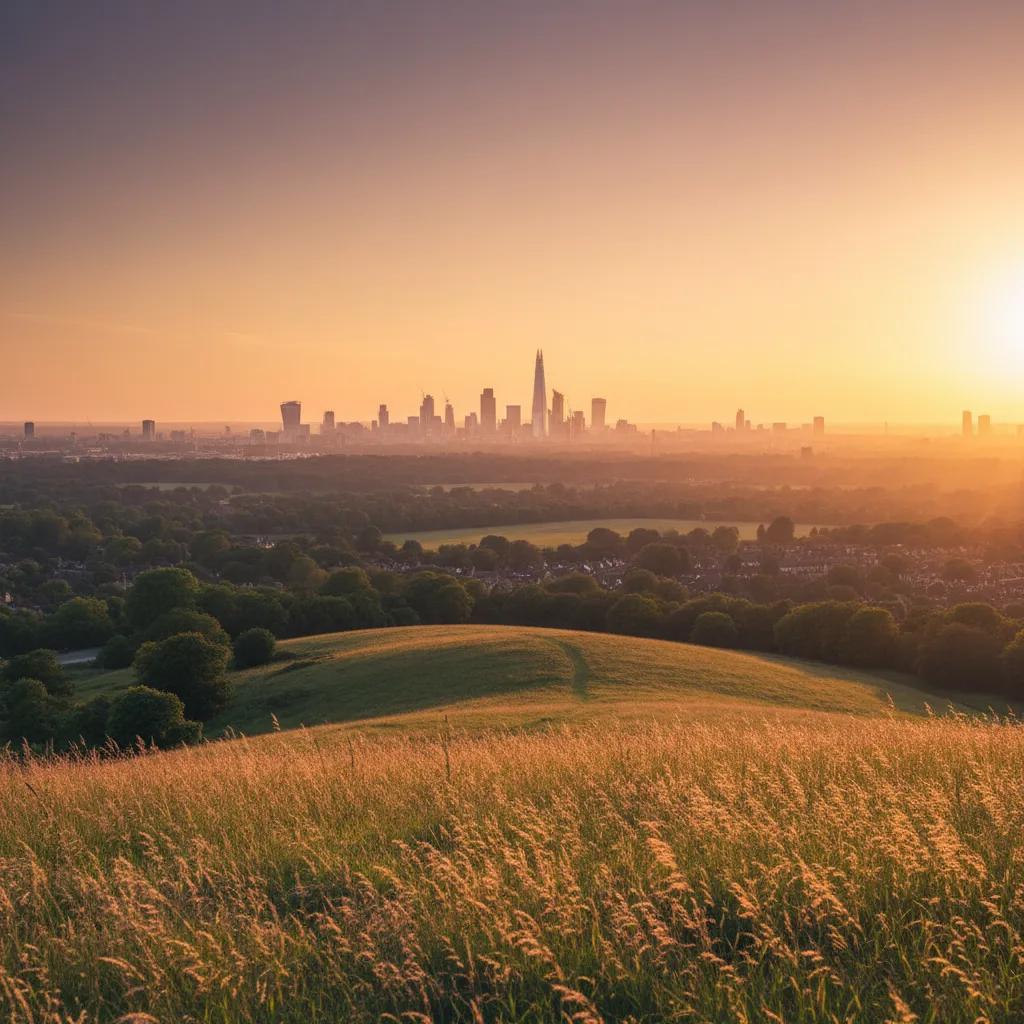
 Richmond Park Sunset Viewing Planner: Deer Meadow Horizons
Weekend Plans
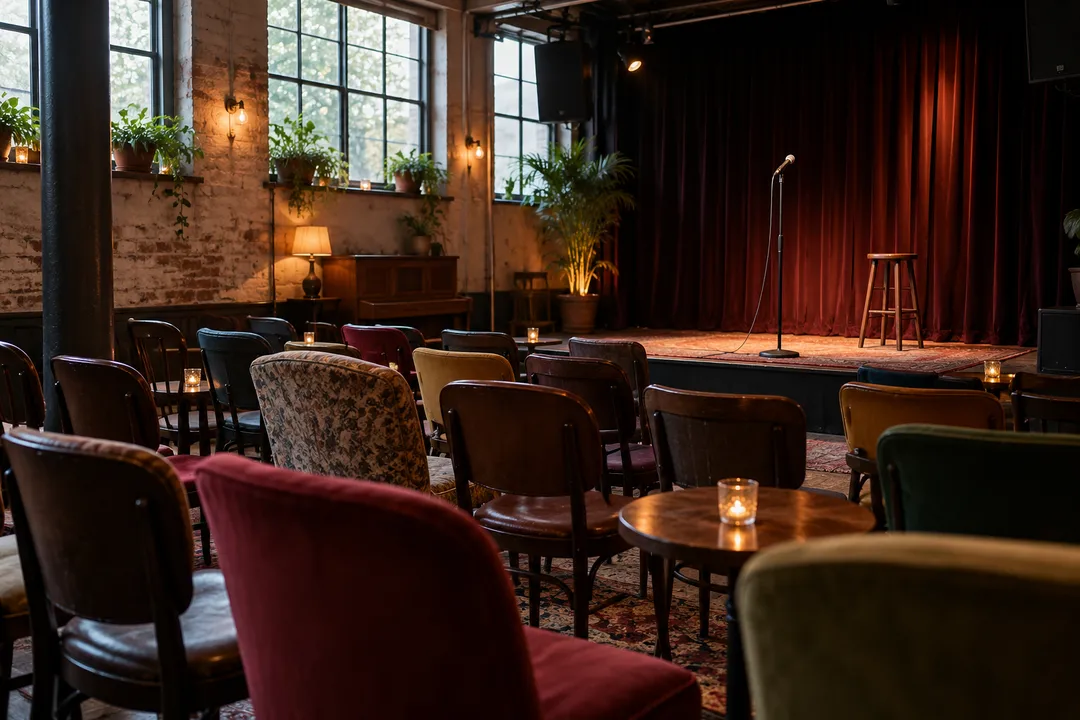
London Local Event Finder: 3 Ways To Compare Comedy
Compare London comedy in Karpo APP by admission budget, seating and performance format, then choose a room that suits your company and tolerance for improv.
Compare a London comedy night in three passes: what admission costs, how you will sit and what kind of performance you enjoy. In Karpo APP, a local event finder conversation can bring those preferences together before you choose a room. Start with your budget and the date, then describe your appetite for crowd interaction. A low entry charge alone tells you little about whether the evening will feel relaxed, especially when your group wants to sit together and mostly listen.
First pass: define the money you mean
Set an admission ceiling separately from the amount you are willing to spend on the whole evening. Try: “Find London comedy for Friday with admission within my budget, a seated format and no pressure to participate. Compare a polished mixed bill with a new-material night.” Add your own ceiling in pounds. That number is an instruction about your preferences, not a published ticket price. The examples here describe ways to search, rather than offers for particular shows.
Ask Karpo to keep entry conditions beside each candidate. Advance tickets, door admission, free entry and a donation request are distinct descriptions. Where the listing includes booking fees or a minimum purchase, include those terms in your comparison. If that information is missing, the total remains incomplete. A small headline charge cannot establish the cost for a group, and the conversation should not quietly treat a donation-based event as an entirely cost-free outing.
What the cheapest option gives you
A developing-act or new-material night may suit someone who enjoys seeing ideas take shape. A curated bill may appeal more to someone who wants a clearly described programme. Those are preferences to explore with the event information, not rules about how funny an evening will be. Ask what the advertised format actually says. Price does not measure the skill of a performer, and a familiar venue photograph does not establish the content of tonight's bill.
Skip a suggestion whose only advantage is a lower admission charge if it fails a requirement you care about more. For example, saving money on entry does little for someone who cannot comfortably stand through the show. Equally, a more expensive seated event may still be unsuitable if it is mainly interactive improv and you want prepared stand-up. Decide which requirement wins before looking at a comparison, so an attractive number does not make that decision for you.
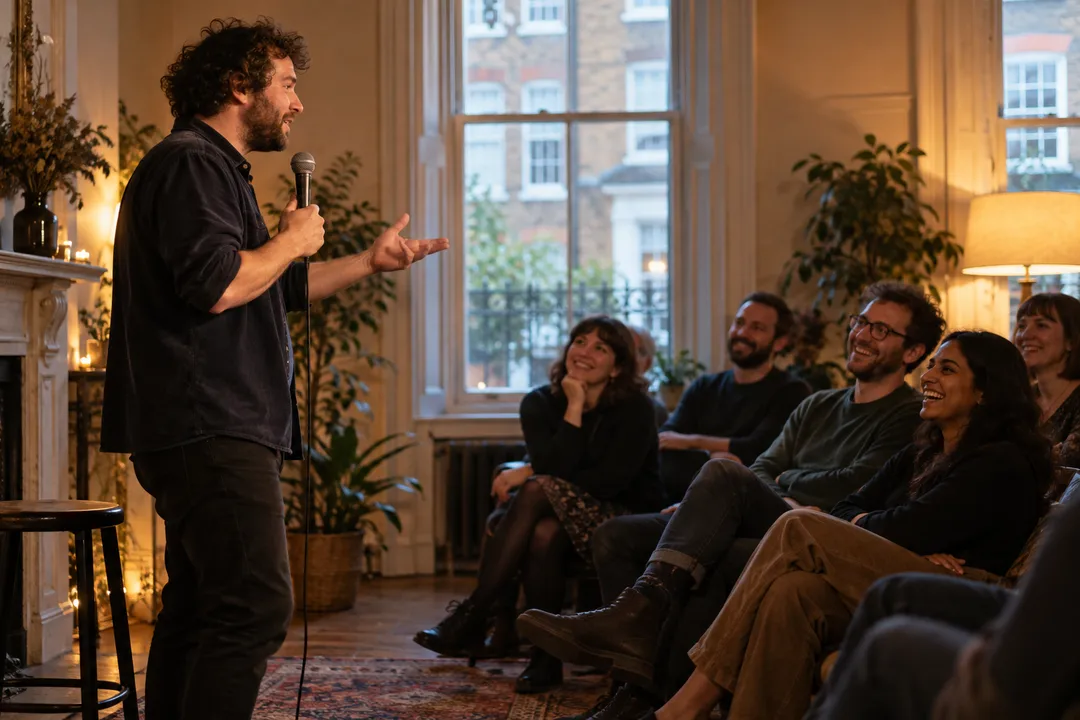
Second pass: picture yourself in the seat
“Relaxed seating” needs a definition. You may mean a chair with a back, space for a companion, an aisle position, or freedom from a tightly packed table arrangement. Put that detail into the brief rather than relying on the word “cosy”. Ask Karpo to distinguish a published seating policy from the general appearance of a room. An image can suggest atmosphere, but it cannot tell you whether seats are allocated or whether your group can sit together.
For a group, specify the number attending and whether arriving separately is likely. A reserved-seat show and a general-admission room require different meeting plans. Where the organiser describes allocation or arrival arrangements, use that information in deciding how to meet. Keep an unanswered seating question visible instead of replacing it with a reassuring guess. The aim is to compare what is stated, especially when being together matters more than having a particular view of the stage.
Participation is a separate preference
Explain how you feel about audience interaction without expecting a guarantee about a live performance. “Prefer a listening-focused show and avoid events advertised as audience-led” gives a useful direction. A description such as improv, storytelling or stand-up can help frame the comparison, but it does not fully predict the experience. Look for what the event says about its format rather than assuming a back-row seat removes the possibility of being addressed.
A companion who enjoys participation and another who dislikes it may still find a workable choice. Ask for a comparison that explains the appeal to each person instead of averaging them into a vague request for “fun comedy”. You might prioritise prepared stand-up this time and keep a clearly interactive show for a different group. Send the format description to friends before buying so everyone agrees on the actual evening, rather than the broad idea of seeing comedy.
Third pass: compare the performance shape
Request three columns in the reply: a mixed stand-up bill, a work-in-progress event and an improv-led alternative where relevant listings exist. Ask for the published description and the reason each might suit your brief. These are comparison categories, not a promise that every date offers all three. If a candidate combines formats, preserve that mixture. A specific account of what you would be attending is more useful than an unsupported label such as “the funniest room”.
Duration and breaks also shape comfort. Use the advertised running time or interval information when it exists, while keeping your own leaving deadline separate. Someone travelling home after work may prefer a shorter programme even if another event features more acts. Ask Karpo to explain the tradeoff without padding missing details. The number of performers does not reliably tell you the length, and the doors time does not necessarily identify when the show starts.
Turn a comparison into one evening
Once one option leads, ask for a compact plan around its actual location. Include your starting neighbourhood, how far you want to walk and whether you need time to eat before the performance. The plan should make it clear which times come from the event and which are your own targets. A ticket selection still follows the organiser's purchase process. Neither a recommendation nor a suggested itinerary creates a booking or holds adjacent seats for your friends.
For the neighbourhood walk, choose a short pre-show loop with a straightforward return. Ask for quieter streets or a public square near the selected room if those fit the area. Avoid adding a distant landmark merely because it is famous. Comedy is the anchor, and the walk can be removed if dinner runs longer than expected. Someone arriving late should be able to meet at one clear location without following the whole optional route first.
When the first choice loses its appeal
Keep a backup that preserves the thing you valued most. If comfortable seating was essential, an unrelated standing event is not a useful replacement. If your budget was decisive, a higher-priced ticket should not become the default simply because it is still available. Ask for a different date or a smaller search area before abandoning the original priorities. Sometimes the right decision is a simpler evening together and comedy another week.
Save a short decision note with the event link, date, chosen ticket category if relevant, meeting arrangement and the published format. Share that note with your group before anyone makes separate purchases. Mark whether the plan is only shortlisted or whether someone has completed the organiser's booking steps. This keeps the conversation useful after the initial search and avoids treating an enthusiastic reply from a friend as evidence that tickets have been bought.
Practical Notes for a comfortable comedy plan
Include access requirements, language preferences and any content boundaries in the opening message if they affect your choice. Ask the organiser specific unanswered questions where a requirement is essential to attending. The comparison can help you identify those questions without inventing the answers. Keep a personal spending allowance for travel or refreshments separate from quoted admission, and make one person responsible for communicating the agreed meeting point when the group is large.
Use the three passes to make one clear selection: affordable on your terms, comfortable for the people coming and appealing in its advertised format. Karpo APP is useful for exploring suggestions and refining the comparison as you respond. The final decision remains yours, with any ticket or registration handled through the route the organiser provides. A good plan lets you arrive knowing what you chose, while leaving the actual laughter to the people on stage.
Ask Karpo for more information.
Keep reading
- Richmond Park Sunset Viewing Planner: Deer Meadow Horizons
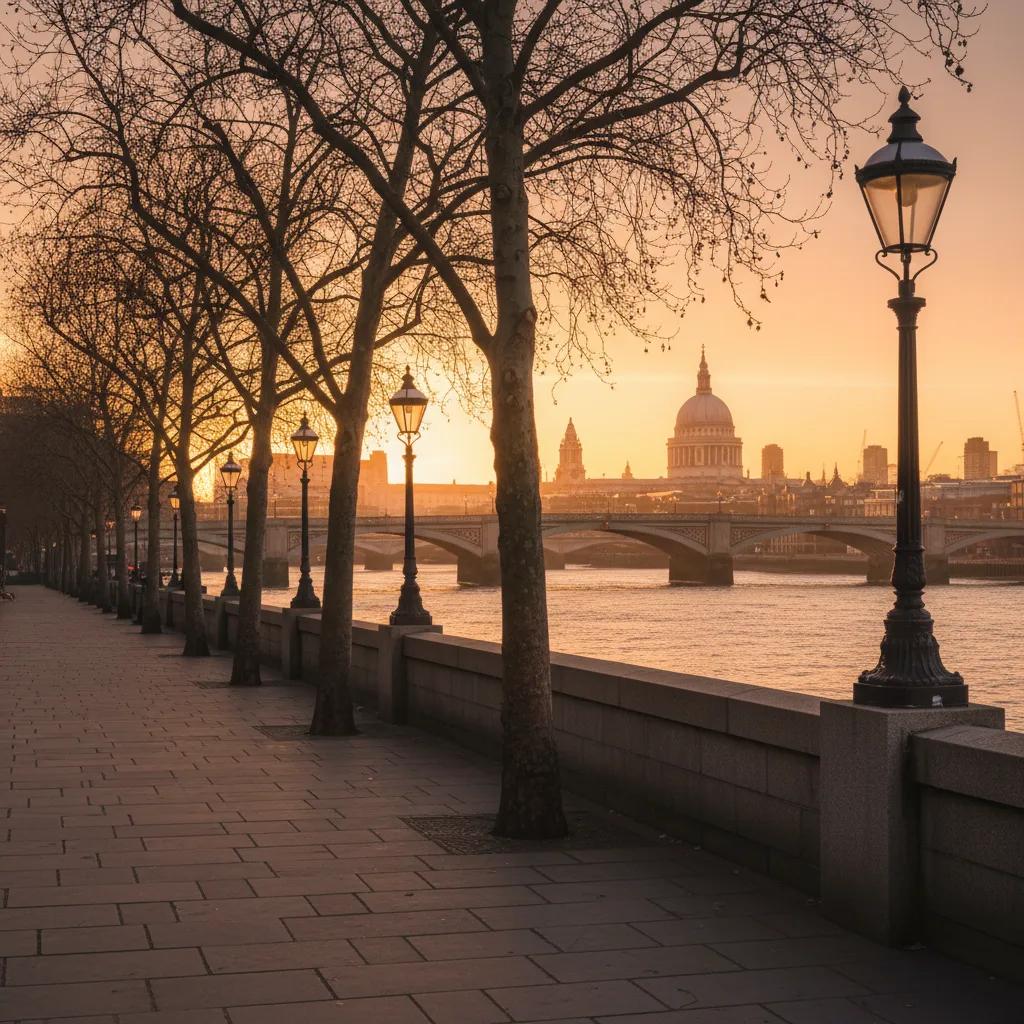 South Bank Sunset Viewing Planner: Thames Riverside Walks
 Parliament Hill Sunset Viewing Planner: London Heath Vistas