 Greenwich Blues Bar Night Picker: River Stages After Dusk
Bars & Nights Out
Islington Live Music Bar Night Picker: Folk Session Manners
Islington in London suits folk sessions, Irish trad tables and quiet singer-songwriter rooms. Here is how to choose one, sit in and keep the spell unbroken.
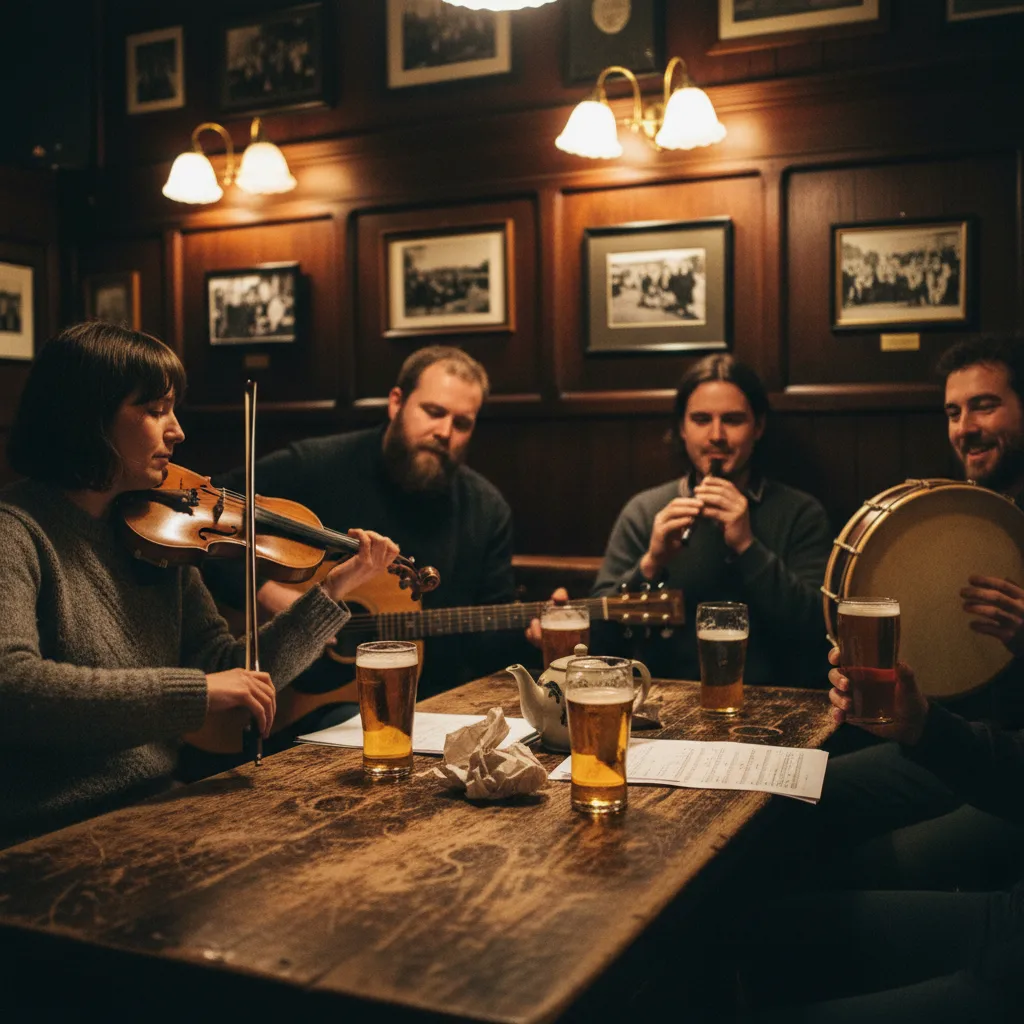
Islington is where a live music bar night picker turns into a lesson in pub manners, because many of the best nights here happen around a table instead of on a stage. Folk players, Irish trad musicians and singer-songwriters have long gathered in the pubs off Upper Street and Essex Road. Some nights a dozen fiddles fill a corner, other nights one guitarist plays new songs to a hushed room. Pick by how close to the music you want to sit.
How Islington Became a Folk Neighbourhood
North London has a deep Irish community, and with it came the tradition of the session: musicians meeting in a pub to play tunes together, with no set list and no stage. Islington's old pubs suited that habit perfectly, with snug back rooms and long tables. Over time the sessions mixed with English folk clubs, bluegrass jams and acoustic nights, and today the neighbourhood offers a gentler kind of live music than much of London.
The charm is that nobody is really performing for you. The players are performing for each other, swapping reels and jigs, nodding when someone starts a tune they know. As a listener you are a welcome guest in their conversation. Understanding that changes the whole night, and it is the reason a good session can feel more intimate than any concert.
Three Kinds of Night to Choose From
Choose a trad session if you want lively music and a sociable room. Look for the corner where the instruments gather, then find a seat nearby but not at the musicians' table unless someone waves you in. The tunes come in sets of two or three, and the room often stamps along. Clap at the end of a set, not in the middle, and buy a round for the players if you stay a long while.
Pick a folk club night for songs with stories. These evenings usually have a host, a few floor singers and a guest performer, and the audience is expected to listen in silence. Chorus songs are the exception: when the singer invites everyone in, sing loudly even if you only half know the words. Folk club regulars love a full room joining a chorus, and newcomers quickly get swept along.
Go to an acoustic singer-songwriter night if you want something closer to a small gig. These are often in a bar's upstairs room or back lounge, with a list of performers who each play three or four songs. The standard varies, which is part of the fun. Bring a friend who writes songs, and you may find yourself putting their name down for the next open slot.
Plan an Upper Street Evening
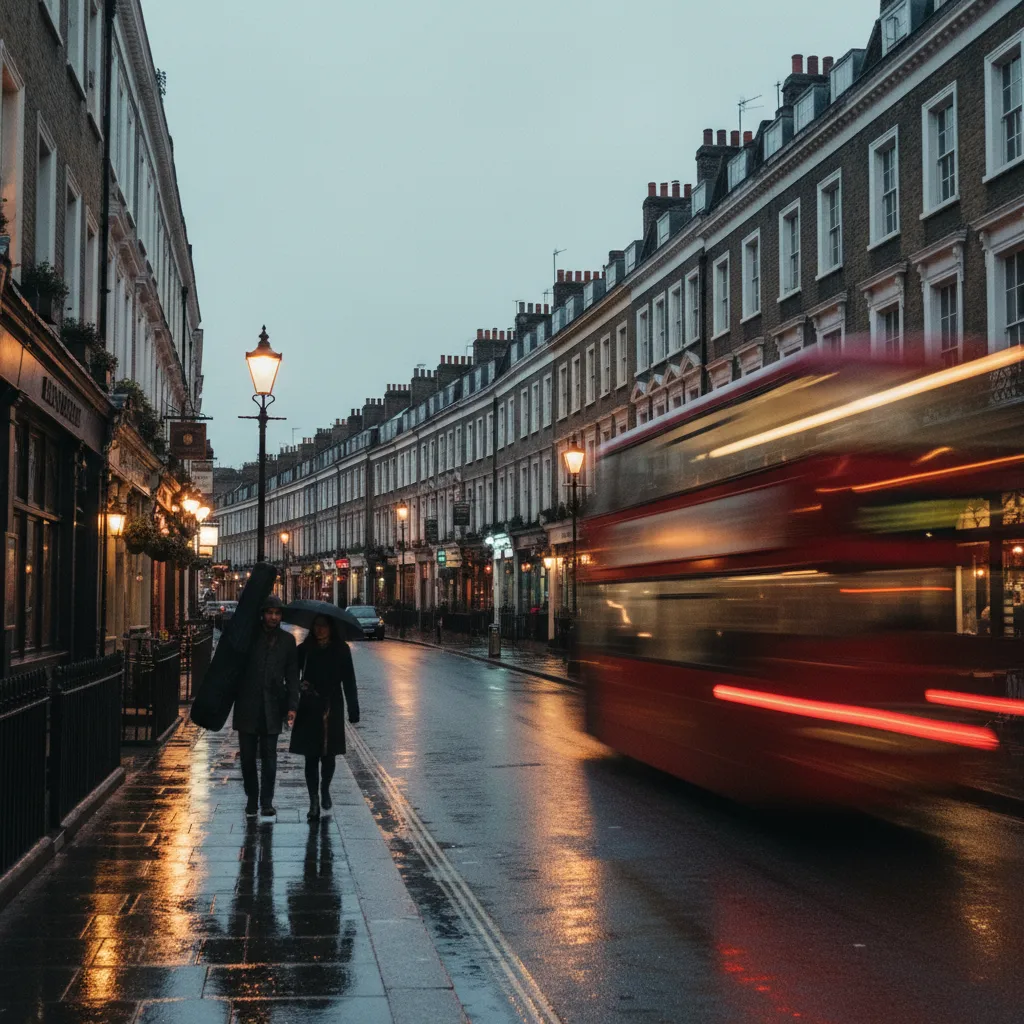
Upper Street is long, busy and lined with restaurants, so treat it as the spine of your night. Eat early near Angel, then walk north as the music starts. Duck down the quieter side streets and along Essex Road, where many of the pubs keep a more local crowd. The walk between rooms takes only a few minutes, so you can hear a session in one pub and a songwriter in another.
If the weather is kind, cut through the Georgian squares behind the main road between stops. They are quiet, lamplit and beautiful at night, and they give your ears a rest from the bustle. Canonbury and the streets around Highbury Fields are especially lovely for a short stroll, and they bring you back toward pubs where the music tends to run on longer.
Who Will Enjoy an Islington Music Night
People who play an instrument themselves often fall for Islington first. Bring your fiddle or whistle and sit and listen for a set or two before asking if you can join, because sessions have their own pace and unwritten rules. Couples who want a calm evening out love the folk clubs. Visitors with Irish roots sometimes find tunes they heard at family weddings, played by strangers in a London pub. Learners are welcome as long as they listen first, and many players will happily slow a tune down for someone keen.
It also suits anyone tired of loud nights. You can hold a conversation in most session pubs as long as you keep your voice low during slow airs. Older locals sit at the bar with a newspaper, students sit near the players to learn the tunes, and a few dogs doze under tables. Everyone seems to understand the mood without being told.
One Honest Tip on Getting It Wrong
Do not film the whole session on your phone or request songs. A session is not a jukebox, and filming makes players self-conscious. If you love a tune, ask its name after the set ends, and a musician will usually tell you, often with a story about who taught it to them. If the pub is too crowded to hear, move on to the next one rather than talking over the music.
Finding the Right Room With Karpo APP
When you are near Angel and want a pub with live acoustic music, open Karpo APP and search for live music bars close by. Comparing how each place describes itself helps you spot the session pubs and folk rooms quickly. Karpo cannot tell you whether the fiddlers have turned up tonight, so look at the pub's own notice board or listings once you have chosen.
Practical Notes for Islington Sessions
Arrive a little after the session starts so the musicians have settled in, and take whatever seat is free without moving chairs into their circle. Keep bags off the musicians' table, since instrument cases need the space. If you bring an instrument, keep it in its case until someone invites you to play, and stick to tunes you know well.
Islington is well served by the Tube and buses, so getting home is easy. Many sessions wind down gently, with one last slow tune before players pack up. Stay for that final air if you can. It is usually played softly, the room falls still, and it tends to be the moment people remember most clearly on the walk back to the station. A night bus along Upper Street runs back toward central London, which makes it easy to linger for a last chat with the players.
Come back on another night of the week to hear a different crowd. Each session has its own regulars and favourite tunes, and returning visitors are greeted warmly. After two or three visits, you will start recognising the reels, and you may even find yourself humming them on the Tube, which is exactly how many Islington regulars first got hooked.
Ask Karpo for more information.
Keep reading
- Greenwich Blues Bar Night Picker: River Stages After Dusk
 Shoreditch Blues Bar Night Picker: East End Brick Stages
 Brixton Blues Bar Night Picker: Soulful South Stage Sets