 Clapham Board Game Night Finder: New to London Meetups
Weekend Plans
Peckham Life Drawing Drop In Finder for Retired Beginners
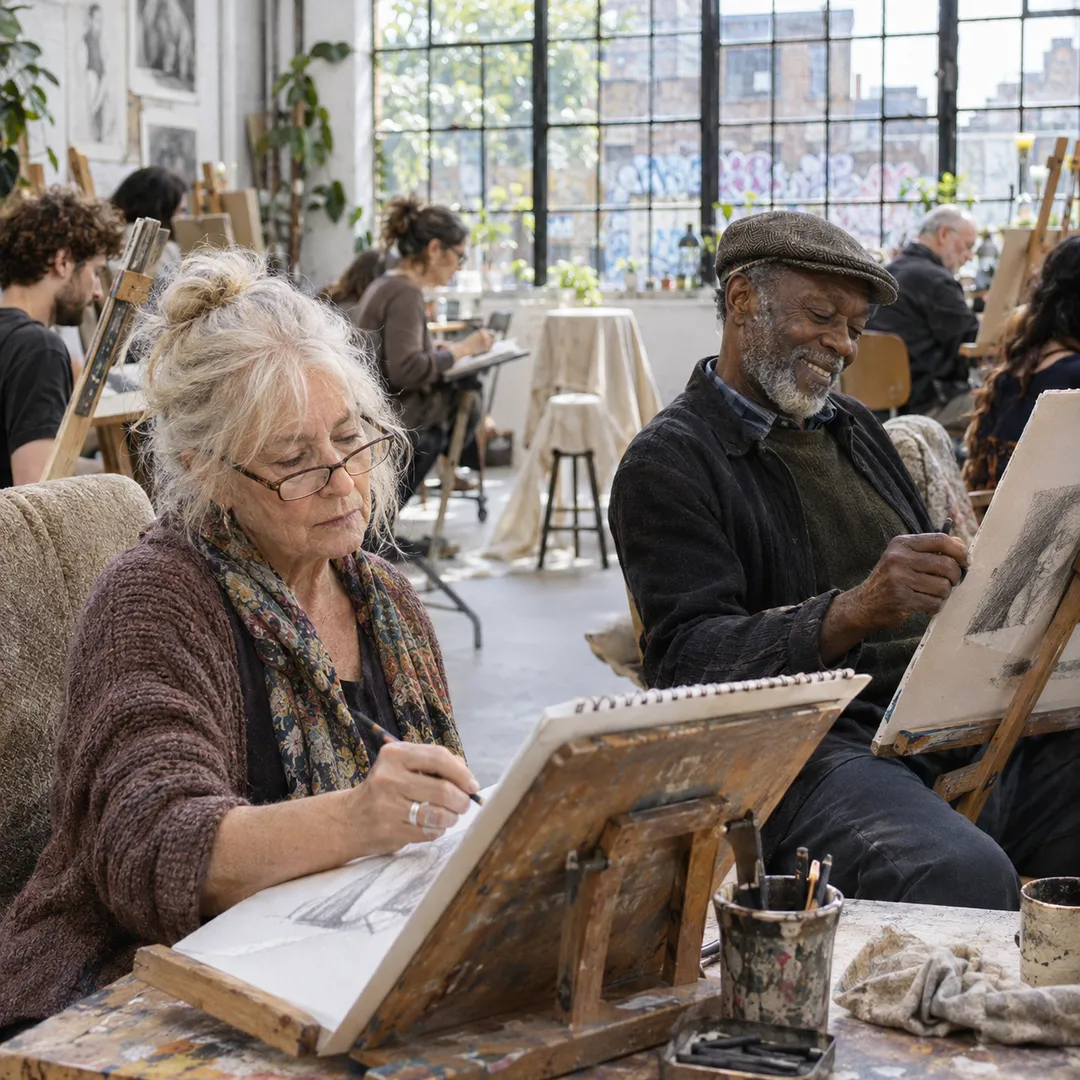
New to Peckham life drawing drop-ins after retiring? Ask for a chair, start with short poses, and end with a slow walk on Peckham Rye, where Blake saw angels.
Retirement often brings a long-postponed wish to the surface: to finally learn to draw. Many people assume they have left it too late, or that a life drawing room will be full of art students who already know what they are doing. In reality, drop-in sessions welcome people of every age, and daytime groups in particular often include plenty of retirees. Peckham, with its creative energy and green spaces, is a lovely place to begin. This life drawing drop in finder is for retired beginners who want to start gently, enjoy good company, and see where curiosity leads.
Why It Is Never Too Late to Start
Life drawing does not require any previous experience. It rewards patience, curiosity and a willingness to look closely, qualities many people find they have in greater supply later in life. Without the pressure of exams or a career, you can approach each session purely for pleasure. Drawing from a live model also exercises your concentration in a calm, absorbing way, and many retirees describe the experience as a kind of meditation with a pencil.
There is a social side too. Regular drop-ins create a small community of familiar faces, and the shared focus makes it easy to chat during breaks without needing to fill silences. For people adjusting to a new rhythm after work, a weekly drawing session can become a welcome anchor in the diary, something to look forward to that combines learning, company and a reason to get out of the house.
Why Peckham Feels So Welcoming
Peckham has changed a great deal over the past couple of decades, and art has been central to that story. Former warehouses, workshops and industrial buildings around the neighbourhood have been reused as studios, galleries and creative spaces, and the art school at nearby Camberwell adds to the area's artistic character. The result is a scene that feels lively but not exclusive, with drawing groups attracting a genuine mix of ages and backgrounds.
The neighbourhood also has a famous artistic legend. As a boy, the poet and painter William Blake is said to have seen a tree full of angels on Peckham Rye. It is a wonderful story to carry with you into a drawing room, a reminder that this corner of South London has inspired artists for centuries. Whether or not you believe in angels, the idea that ordinary places can spark extraordinary visions is a good mindset for a beginner.
Choosing the Right Kind of Session
Daytime sessions are often the best fit for retired beginners. They tend to be calmer than evening groups, the light is usually better, and travel is easier outside rush hour. Look for drop-ins described as relaxed, beginner-friendly or tutored, since a tutor can offer simple guidance on proportion and shading without turning the session into a formal class. Untutored sessions are wonderful once you feel more confident.
Comfort matters, so do not hesitate to ask about seating. Many rooms offer chairs and table easels as well as standing easels, and organisers are usually happy to help you find a comfortable spot with a clear view. If you have hearing or sight concerns, sit closer to the model and the organiser. A good session should feel welcoming from the moment you arrive, not like an endurance test.
What to Bring and How to Begin
Start simple. A pad of cartridge paper, two or three soft pencils, a putty rubber and a small sharpener are all you need. Charcoal is lovely but messy, so you might save it for a later visit. Bring your reading glasses if you use them, a bottle of water and perhaps a cushion if you are sensitive to hard chairs. Some people like to bring a small clip to hold the paper steady in a draught.
When the first short poses begin, try to draw the whole figure quickly, starting with a few lines for the head, spine and limbs. Do not worry about detail or likeness. The goal is to train your eye and hand to work together. As the poses lengthen, choose one area that interests you, such as the fall of light on a shoulder or the fold of a cloth, and spend your time there. Each small success builds confidence for the next session.
Etiquette and Friendly Habits
A few simple courtesies keep the room comfortable for everyone. Never photograph the model, keep your phone tucked away, and avoid any remarks about the model's body. The model is a professional doing demanding work, so give them space during breaks and thank them at the end. If you would like to show them your drawing, wait until the session finishes and let them decide.
With fellow artists, keep conversation for the breaks and avoid peering at other people's work during poses. Many retired beginners are surprised by how supportive other participants are. Regulars often share tips, recommend materials or simply offer a word of encouragement. Return the favour when you become a familiar face, and you will quickly feel part of the group.
A Gentle Stroll on Peckham Rye
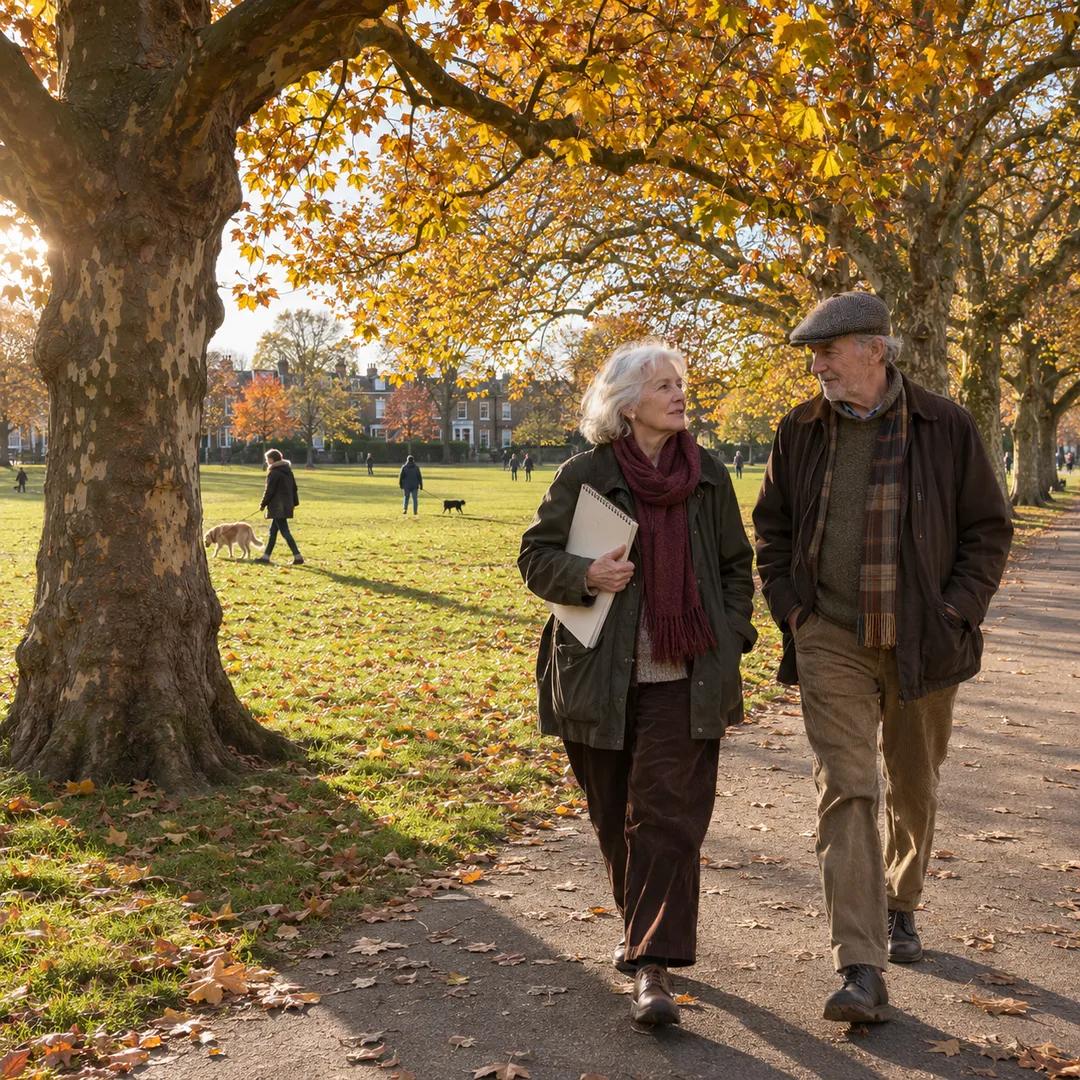
After the session, take a slow walk on Peckham Rye. The wide common and the adjoining park, with its old trees, gardens and paths, make a peaceful contrast to the concentration of the drawing room. On a crisp autumn afternoon, the trees turn gold, and you can imagine the young Blake looking up at the branches and seeing angels. Sit on a bench, flick through your drawings and pick a favourite.
If you have energy left, Rye Lane offers a lively walk past market stalls, shops and food counters from many cultures, a reminder of the area's diverse community. Some retired artists like to make a quick sketch of the street scene on the way home, extending the session into everyday life. Others simply enjoy a cup of tea and a chat with a fellow participant before heading back.
Keeping the Habit Going With the Karpo APP
To make drawing part of your weekly routine, open the Karpo APP and describe what you are looking for in plain words, for example a relaxed daytime life drawing drop-in around Peckham that suits a retired beginner who would like a comfortable chair and a friendly group. Use the suggestions as a shortlist, and ask follow-up questions about the atmosphere, whether sessions are tutored, and pleasant places nearby for a walk afterwards.
Save the sessions you enjoy and jot down a few notes about each one, from the lighting to the people you met. Keep your drawings in a folder and date them, so you can look back and see your progress over the months. Before long, the wish you carried through your working life will have become a real and rewarding habit.
Ask Karpo for more information.
Keep reading
- Clapham Board Game Night Finder: New to London Meetups
 Marylebone Board Game Night Finder: Baker Street Mysteries
 Notting Hill Board Game Night Finder: Two-Player Rainy Dates