 Clapham Board Game Night Finder: New to London Meetups
Weekend Plans
Camden Life Drawing Drop In Finder for Nervous First-Timers
Nervous about your first Camden life drawing drop-in? Arrive early, sit near the side, draw the whole pose each time, and let the quiet room do the rest.
Almost everyone feels a flutter of nerves before their first life drawing session. You might worry about whether you can draw, where to look, or how it will feel to sit in a quiet room with a nude model. The good news is that these sessions are among the calmest, most respectful spaces you can walk into, and the nerves usually fade within the first few minutes. Camden, with its long history of artists and its relaxed mix of people, is a friendly place to try it. This life drawing drop in finder walks a nervous first-timer through the whole evening, step by step.
Why Camden Is a Gentle Place to Start
Camden has been tied to art for well over a century. In the years before the First World War, a group of painters gathered around Walter Sickert became known as the Camden Town Group, and they painted everyday North London life in all its ordinary detail. That spirit of looking honestly at real people still suits the area. Drawing rooms here often attract a broad crowd, from students and retirees to musicians and office workers, so a beginner rarely stands out.
The neighbourhood is also easy to reach and full of distractions if you want to settle your nerves first. A short walk along Regent's Canal or a slow lap around the side streets can help you arrive calm rather than rushed. Afterwards, there is plenty of space to decompress, which matters on a first visit when you may want some time to process the evening before heading home.
What Actually Happens in the Room
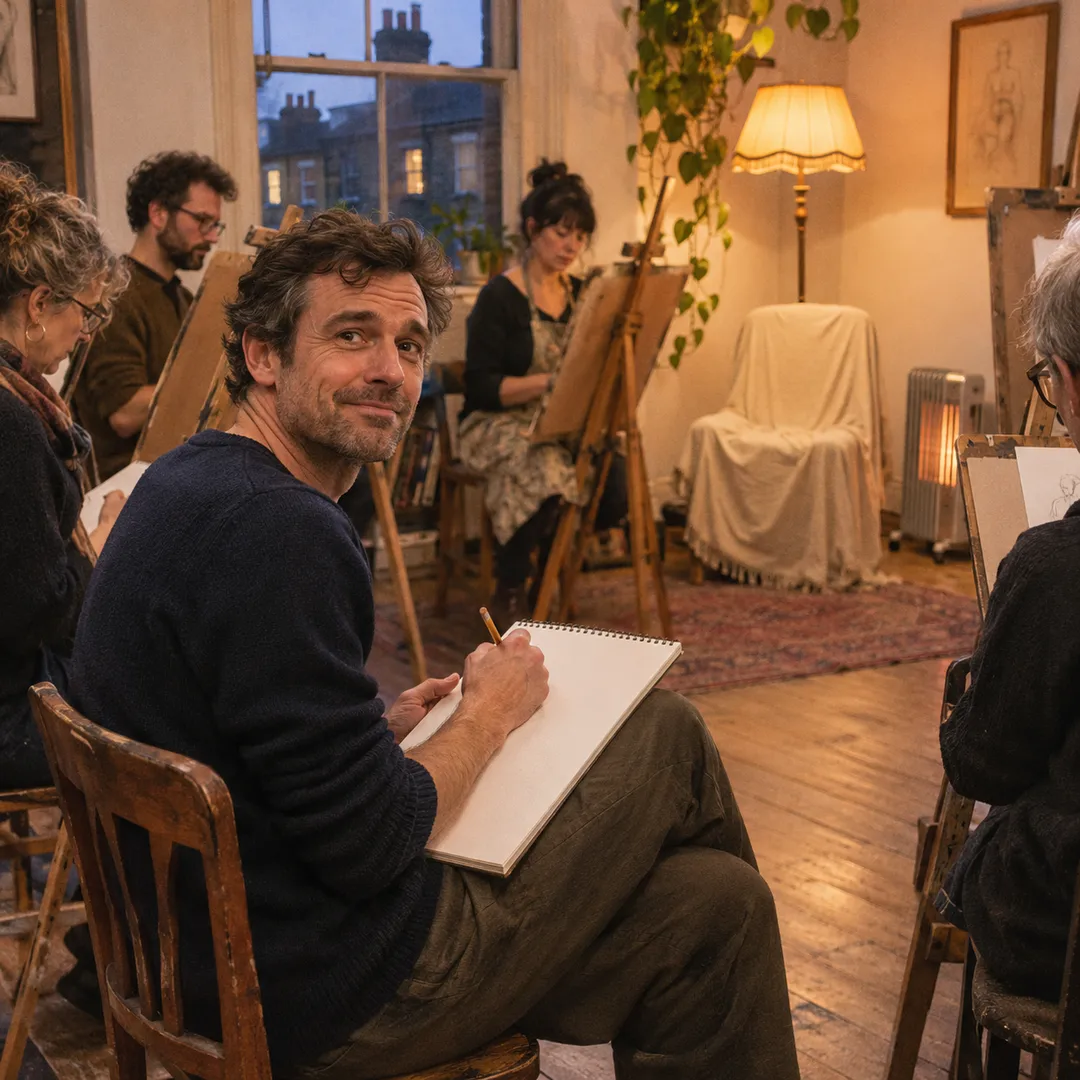
Most drop-in sessions follow a simple pattern. People arrive, find a seat or easel, and set up their paper. The organiser introduces the model and explains the plan for the evening, usually starting with very short poses and building up to longer ones. The model then takes up a pose, a timer starts, and the room falls quiet. When the timer ends, the model shifts to a new pose and everyone turns to a fresh page.
There is usually a break in the middle, when the model rests in a robe and people stretch, chat or make a cup of tea. Conversation stays light and friendly, and nobody expects you to show your drawings. Many first-timers are surprised by how ordinary it feels. The focus is entirely on shapes, light and proportion, and within a few poses the model simply becomes a subject to draw, much like a still life that happens to breathe.
Small Choices That Ease the Nerves
Arrive a few minutes early. It gives you time to choose a seat, unpack and say hello to the organiser without the pressure of a pose already running. If you feel shy, sit towards the side of the room rather than right at the front. You will still have a clear view, but you will feel less exposed. Let the organiser know it is your first time, since many will offer a quick tip or two and keep an eye out for you during the evening.
Bring only what you need: a pad of cheap paper, a couple of soft pencils or a stick of charcoal, and a rubber you promise not to use too much. Simple tools keep you from fussing over equipment. Wear comfortable clothes you do not mind smudging. If you have mobility needs or simply prefer a chair to an easel, mention it when you arrive, as most rooms can accommodate both.
How to Draw When You Think You Cannot
The short poses at the start are a gift for beginners. You have a minute or two, so there is no time to worry about getting it right. Try to capture the whole figure in a few lines, from the head down to the feet, and ignore detail completely. Expect most of these drawings to look strange. That is normal for everyone, including experienced artists, who often treat the first poses purely as a warm-up.
As the poses lengthen, pick one thing to focus on. It might be the angle of the shoulders, the curve of the back or the way light falls across the floor. You do not need to draw everything. Some beginners spend a whole long pose on a single hand or foot and leave very pleased. The aim of a first session is not a finished masterpiece but the experience of looking carefully for a sustained period, which is surprisingly calming.
Etiquette Without the Anxiety
The rules are simple and exist to keep everyone comfortable. Do not photograph the model, keep your phone out of sight, and avoid any comments about the model's body. Treat the model with the same respect you would show any professional at work. If you want to talk to them, wait for the break or the end of the session, and let them lead the conversation.
With other artists, be quiet during poses and keep your materials within your own space. Do not stand behind someone to watch them draw unless they invite you to. If you are ever unsure about anything, ask the organiser in a low voice. Nobody will think less of you for asking, and most regulars remember their own first evening and are happy to help a newcomer settle in.
A Calm Walk Afterwards
When the session ends, give yourself time to wind down. Camden Lock and the canal towpath are close by, and walking beside the water is a good way to let the evening sink in. Flick through your drawings on a bench and pick one you like, however rough. Choosing a favourite helps you remember what worked and gives you a reason to come back.
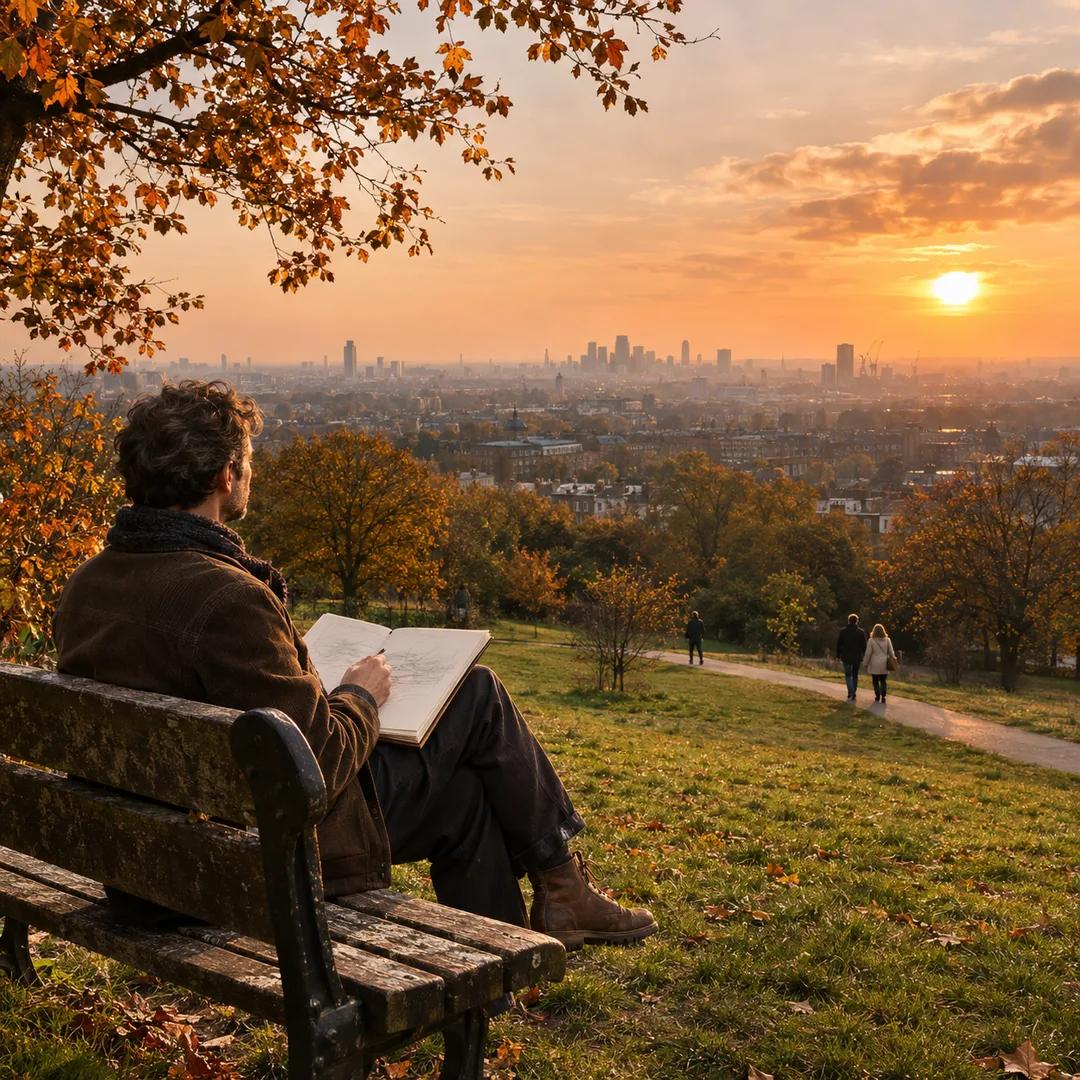
If you are drawing on a weekend afternoon, consider a stroll up Primrose Hill afterwards. The view across the London skyline from the top is one of the best in the city, and sitting there with your pad open feels like a natural continuation of the session. Many first-timers find that this quiet moment is when the nerves finally give way to a sense of achievement.
Finding Your Second Session With the Karpo APP
The second visit is usually easier than the first, and it helps to choose a room that suits you. Open the Karpo APP and describe what you are looking for in plain words, for example a welcoming, beginner-friendly life drawing drop-in around Camden for someone who felt nervous the first time, and use the suggestions as a shortlist. You can ask follow-up questions about the atmosphere, whether a session tends to be tutored, and quiet spots nearby to unwind afterwards.
Save the places that felt comfortable and note what you enjoyed, whether it was the friendly organiser, the size of the room or the walk by the canal. Within a few sessions, the nerves will be a distant memory, and you may find yourself reassuring the next nervous newcomer who walks through the door.
Ask Karpo for more information.
Keep reading
- Clapham Board Game Night Finder: New to London Meetups
 Marylebone Board Game Night Finder: Baker Street Mysteries
 Notting Hill Board Game Night Finder: Two-Player Rainy Dates