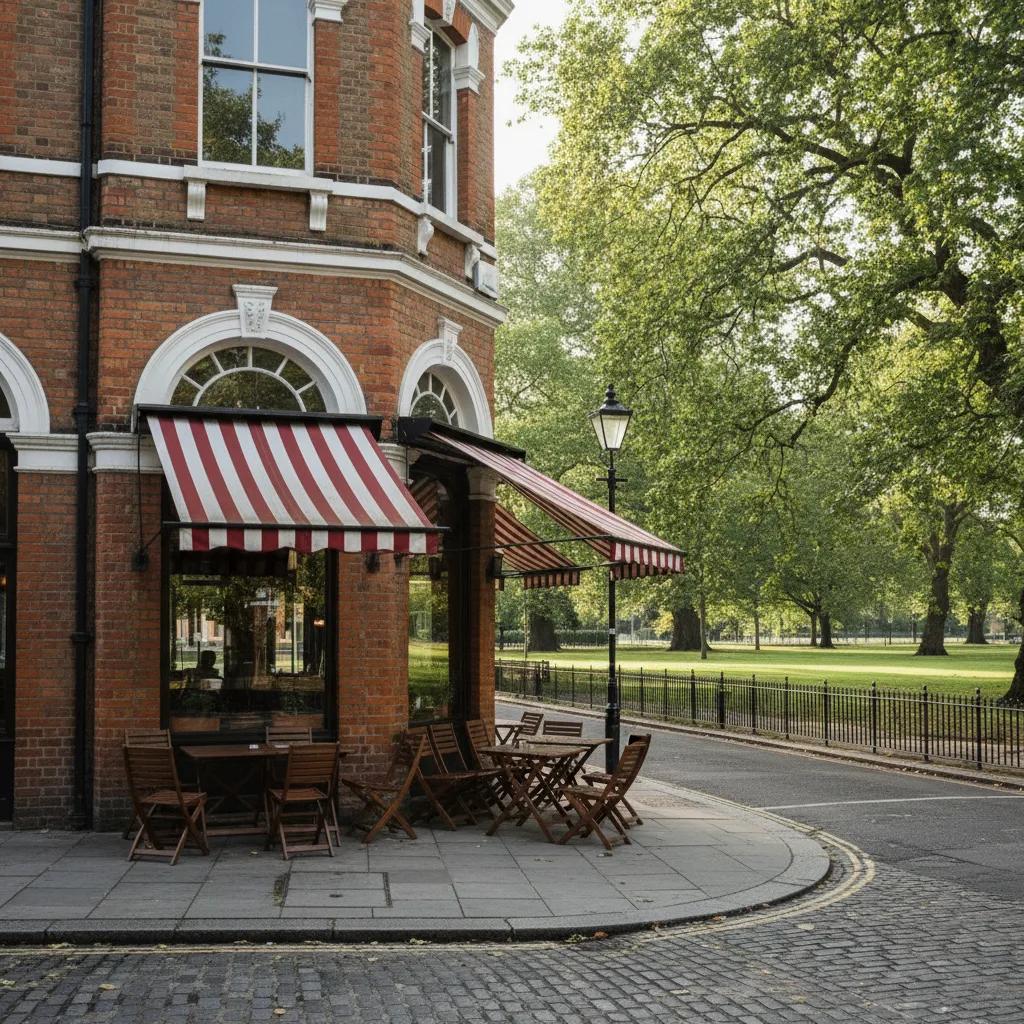
 Clapham Weekend Brunch Planner: Parkside Morning Cafes
Restaurants
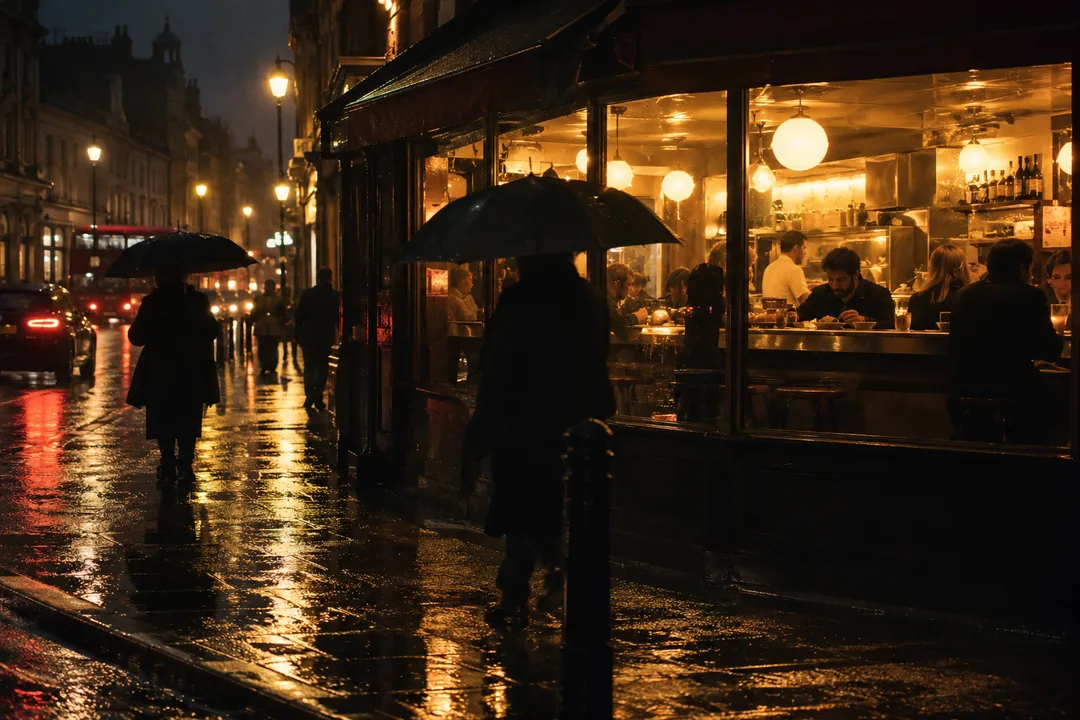
London Late Night Bites Locator: Rainy Night Comfort Food
Looking for a warm late bite in rainy London? Share your shelter needs, appetite, walking limit and timing so Karpo can rank cosy options and a dry fallback.
Rain changes the late-night question before anyone mentions food. The group may be cold, carrying wet coats or unwilling to cross another exposed stretch, and the best choice is the one that makes the next ten minutes feel easier. Start with where the rain is being felt, how much shelter is available and whether the party wants to sit immediately or carry something to a warmer stop. That context shapes every useful result.
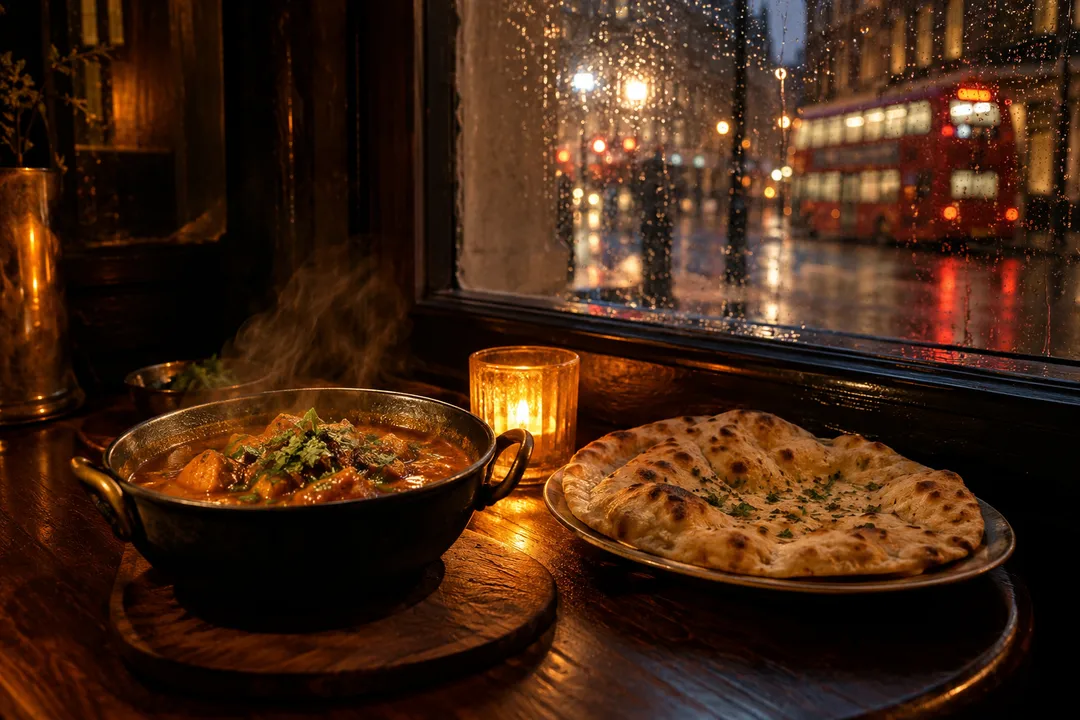
Start from the weather
Warmth has different meanings. One person wants soup, another wants a crisp snack, and a third only needs a seat and a hot drink before deciding. Describe the comfort you are after without forcing a cuisine label. Mention whether steam, a quiet corner, room for coats or a short indoor transition matters. The planner can then rank choices by the experience they support rather than by a generic “cosy” tag.
Walking tolerance should account for wet ground and clothing, not just metres. A short route with several crossings may feel longer than a direct stretch with shelter. Say whether umbrellas are available, whether shoes are already soaked, and whether the group can handle one outdoor segment. If the weather is the main constraint, let it outrank novelty. The result should help people get fed without asking them to prove their stamina.
Make warmth specific
A dry fallback prevents the search from becoming a debate under an awning. Ask for a first choice with the warmest handoff, a second that protects appetite, and a third that remains easy if the rain intensifies. The planner can keep those roles separate so the group knows what to do next. A clear fallback is more useful than a long list that sends everyone back into the weather to compare possibilities.
Describe how the room should feel after the walk. Some groups want a lively glow that makes a wet night feel social. Others need low noise, a seat quickly and space to remove a coat. Add whether sharing is comfortable and whether anyone needs a simple, familiar bite. These details allow the shortlist to read like a plan for real bodies and damp bags, not a catalogue assembled without the scene.
Shorten the exposed parts
If the rain is temporary, keep the route flexible. The first result might be close enough to reach now, while a more appealing option becomes reasonable after a short pause. If the rain is steady, ask the planner to avoid unnecessary loops. State which situation you are in. The tool can then choose between waiting, moving directly or carrying the meal, instead of assuming the weather will behave.
Use appetite as an anchor when the environment feels noisy. “Something savoury and hot” gives a different direction from “small sweet comfort,” while “no messy food” may matter more than distance when coats are wet. Add a pace: quick bite, slow reset or food to take away. The right level of detail helps the result protect the mood without inventing facts about individual places.
Choose the room
A neighbourhood walk can still work in the rain if it has a purpose. Ask for a short covered stretch, a window-lined route or a place where the group can pause without losing direction. If nobody wants a walk, say so plainly and keep the route compact. Planning the transition gives the evening a shape; it does not require turning bad weather into a forced sightseeing exercise.
The result should make the trade visible. A closer option may be warmer but less atmospheric. A more scenic choice may ask for a longer exposed segment. A portable bite may protect the route while giving up the comfort of a table. Read those differences before choosing. If the first result misses, adjust the weather rule or the appetite, not every part of the request at once.
Keep a dry fallback
The handoff matters when coats, umbrellas and bags are part of the scene. Mention whether everyone needs a place to settle belongings and whether a narrow counter would feel awkward. If the group plans to continue elsewhere, say where the next transition begins without adding unnecessary detail. A practical shortlist keeps the meal from becoming another wet transfer between two decisions.
Karpo APP works best when you state the unpleasant part honestly. Say that shoes are wet, that one person is tired, or that nobody wants a long queue. Direct language helps the tool treat comfort as a real requirement. Save the brief so a sudden shower can be handled with a single edit. The plan can stay useful even when the night no longer resembles the original forecast.
Let appetite lead
When an option feels too exposed, tighten the weather constraint first. When every choice feels dull, add one atmosphere preference while keeping the shelter rule. If the group is hungry now, let speed lead. If the rain is easing, release one boundary and see whether a short neighbourhood detour becomes worthwhile. One change at a time keeps the result understandable and gives the group a sense of control.
A good rainy-night plan includes a point where everyone can pause. That may be a covered entrance, a quiet seat or the moment a hot drink arrives. Name the pause because it tells the planner what success feels like before the full meal. The night does not need to be heroic. It needs a small, reliable comfort that lets people decide the next move with dry hands and warmer shoulders.
Plan the handoff
Before sending the request, combine the hard and soft parts: shelter, appetite, walking limit, room mood and fallback. Leave out decorative adjectives that do not change the choice. If someone has a mobility need or a bag that cannot get wetter, put that first. A clear brief lets the shortlist carry the practical load while the group keeps its attention on one another.
The final choice should help the group step out of the rain without losing the character of London at night. Keep one option close, one more atmospheric and one easy to abandon. Decide who leads the route and where the fallback begins. When the food arrives, let the weather become background again. The plan has done its work when nobody has to argue in the doorway about what happens next.
Walk out gently
A weather-aware brief can stay light. Give the planner the exposure you can tolerate, the warmth you want, and the appetite that will make the stop worthwhile. Then let the result do the sorting. The point is not to control every puddle, only to keep one wet evening from taking over the whole night.
Ask Karpo for more information.
Keep reading
- Clapham Weekend Brunch Planner: Parkside Morning Cafes
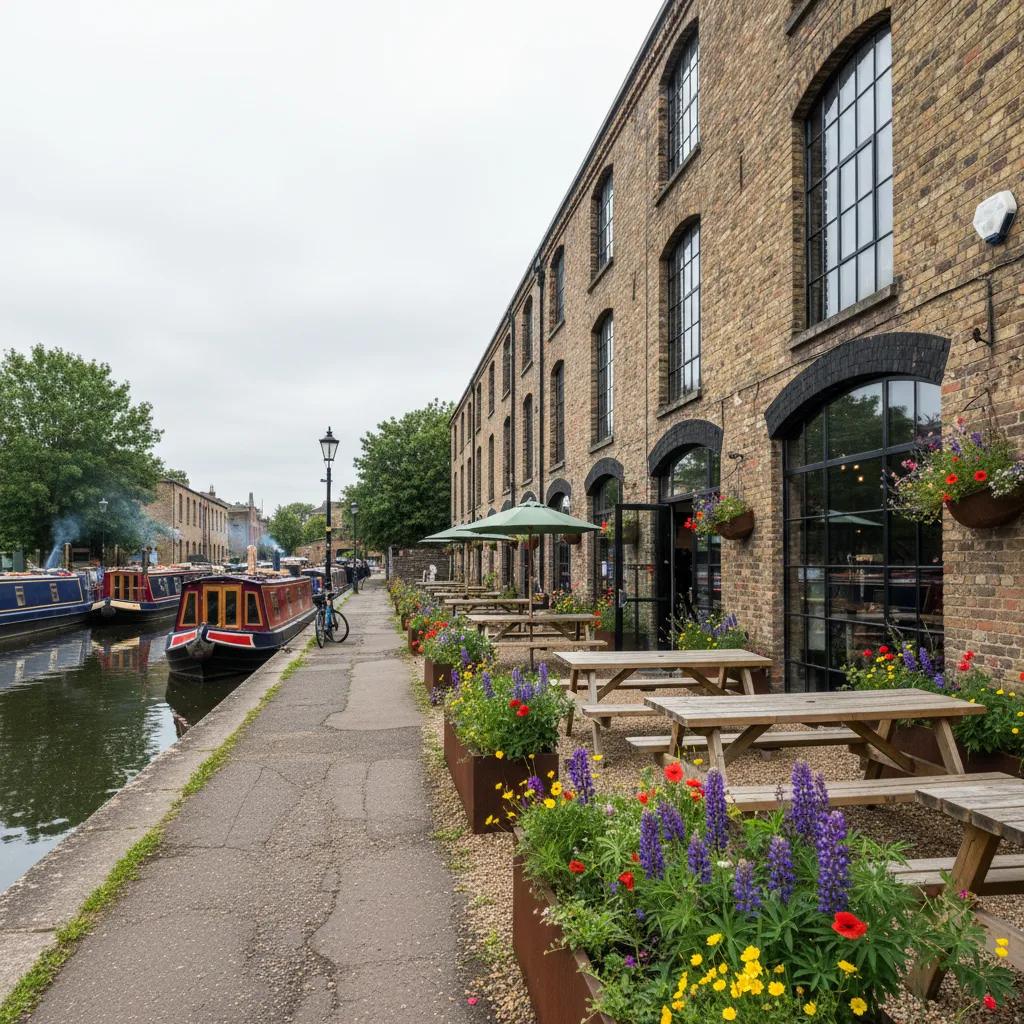 Hackney Weekend Brunch Planner: Canalside Roastery Tables
 Soho Weekend Brunch Planner: Historic Townhouse Tables