 Camden Korean BBQ Group Dinner Picker: Lockside Feasts
Restaurants
London Late Night Bites Locator: Museum Evening Plan
Find food after a museum evening? Give Karpo the gallery area, closing window, appetite and walking mood for a late-bite route with a backup.
A museum evening has a softer ending than a show. Visitors leave slowly, still discussing one final room, and only then notice hunger. Start with the gallery area, the likely leaving point, and the late bite that would preserve that reflective mood. Add whether the route home should be direct or lightly scenic so the plan carries the feeling of the visit.
Set the gallery finish
Use the closing window as a hinge rather than a precise promise. Describe a range and the latest point at which sitting down still feels comfortable. This lets the locator distinguish a relaxed meal from a quick handoff, and gives friends permission to leave one exhibit early without treating the night as a failure.
Name the cultural energy you want to keep. Some people want bright conversation. Others want tea, a warm bowl and a little quiet after visual overload. Say whether a counter or table feels right, and whether coats need room. A room preference connects the shortlist to the museum visit instead of making it a random late stop.
Keep the cultural mood
Food can continue the exhibition. Ask for something fragrant, comforting, crisp, sweet or deliberately plain, then add dietary boundaries. One vivid appetite clue is enough. The planner does not need a pretend menu. It needs to know what kind of relief the next bite should provide after an evening of looking, reading and talking.
A short walk can be part of decompression. Tell Karpo whether a lit square, a river edge or a bookshop window would improve the transition, or whether everyone wants the shortest sheltered path. This gives the route a shape while keeping the meal central and prevents sightseeing from becoming an obligation.
Choose a gentle meal
Queue tolerance is easy to overlook after a long gallery visit. If standing outside would spoil the mood, set a small ceiling and ask for a second option that avoids debate. If a queue feels social, say so. The result can present a sequence instead of sending everyone back into the night to compare possibilities.
Rain or cold belongs in the brief as a practical constraint. Mention wet coats, umbrella fatigue or a need for an indoor pause. You are not asking for a forecast. You are explaining which parts of the route would be unpleasant. The shortlist can keep warmth visible while still leaving room for a special meal.
Use the closing window
Budget and atmosphere may pull in different directions. Explain whether the priority is a satisfying portion, a memorable room or a low-effort finish. If sharing works, include it. If everyone needs a separate meal, say that. The planner can show the trade instead of pretending every option offers the same value.
Give every choice a role. One option can extend the cultural mood, another can be the dependable meal, and a third can rescue the evening if the group tires. Ask for those roles explicitly. A fallback feels less like a consolation when it is chosen for a reason and can be reached without rebuilding the request.
Plan a small detour
When a result feels ordinary, add one sensory or neighbourhood preference rather than a longer list of venues. When it feels ambitious, tighten the walking rule or closing range. One edit at a time shows what the museum night needs and keeps the plan personal without turning it into a catalogue.
The group may have different appetites. Say if one person needs a full plate while another wants a small sweet or hot drink. A shared stop may work, followed by an easy split, or the whole party may prefer a flexible counter. Put the tension in the brief so the result does not assume everyone wants the same ending.
Hold one fallback
Keep transport as a quiet boundary. If the museum is one stop before home, say whether the meal should sit near the route or become the destination. If the group is meeting elsewhere, describe that handoff. A clear endpoint lets Karpo weigh walking and atmosphere without inventing a timetable.
Save the wording that works in the Karpo APP. The reusable parts are usually cultural mood, closing range, appetite, room, walking comfort and one fallback. Update only the detail that changed. A saved brief turns a blank search into a small adjustment while people are still leaving the building.
Write the request
Read the shortlist as decisions, not a verdict. Ask which option protects the mood, which protects energy and which is easiest to abandon. If one condition matters most tonight, make it the tie-breaker. A useful tool page reduces friction. It does not need to claim that one place is universally right.
Before moving, say the plan out loud: leave, take the chosen route, keep the backup and decide again only if a real constraint changes. That sequence makes the late bite feel like part of the evening. The group can keep talking about art while the practical work happens quietly.
End the evening well
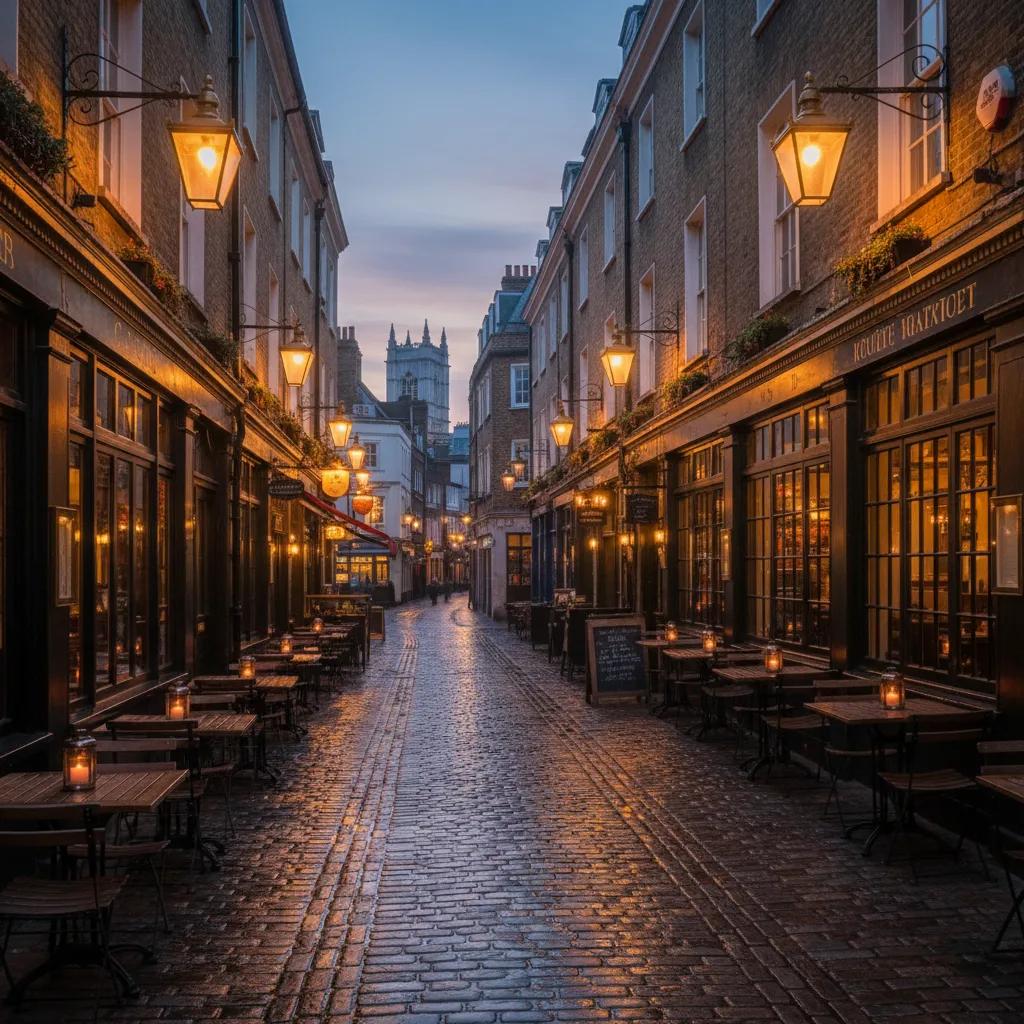
A museum evening deserves a gentle final chapter. Give Karpo the emotional texture, the closing range and the movement you can tolerate, then let it sort the next step. The result may be a full dinner, a small warm snack or a pause before home. What matters is that the choice respects the visit. The final decision can remain modest. A museum night does not need another achievement after the doors close. It needs a meal that lets the conversation continue, a route that respects tired feet and a backup that does not feel like a downgrade. Keep the scene visible when you send the request, then let the shortlist do the sorting while the group enjoys the last colours of the evening. After the first shortlist appears, pause for one human check: does the route leave enough attention for the final gallery conversation, and is the backup genuinely easier rather than merely different? If the answer is no, change one input at a time. A narrower walking range may matter more than a new cuisine cue; a quieter room may matter more than another landmark. Keep the request grounded in how the evening feels at the door, then save the version that makes the next choice feel obvious.
Ask Karpo for more information.
Keep reading
- Camden Korean BBQ Group Dinner Picker: Lockside Feasts
 Holborn Korean BBQ Group Dinner Picker: Midtown Feasts
 Covent Garden Korean BBQ Group Dinner Picker: Shared Tables