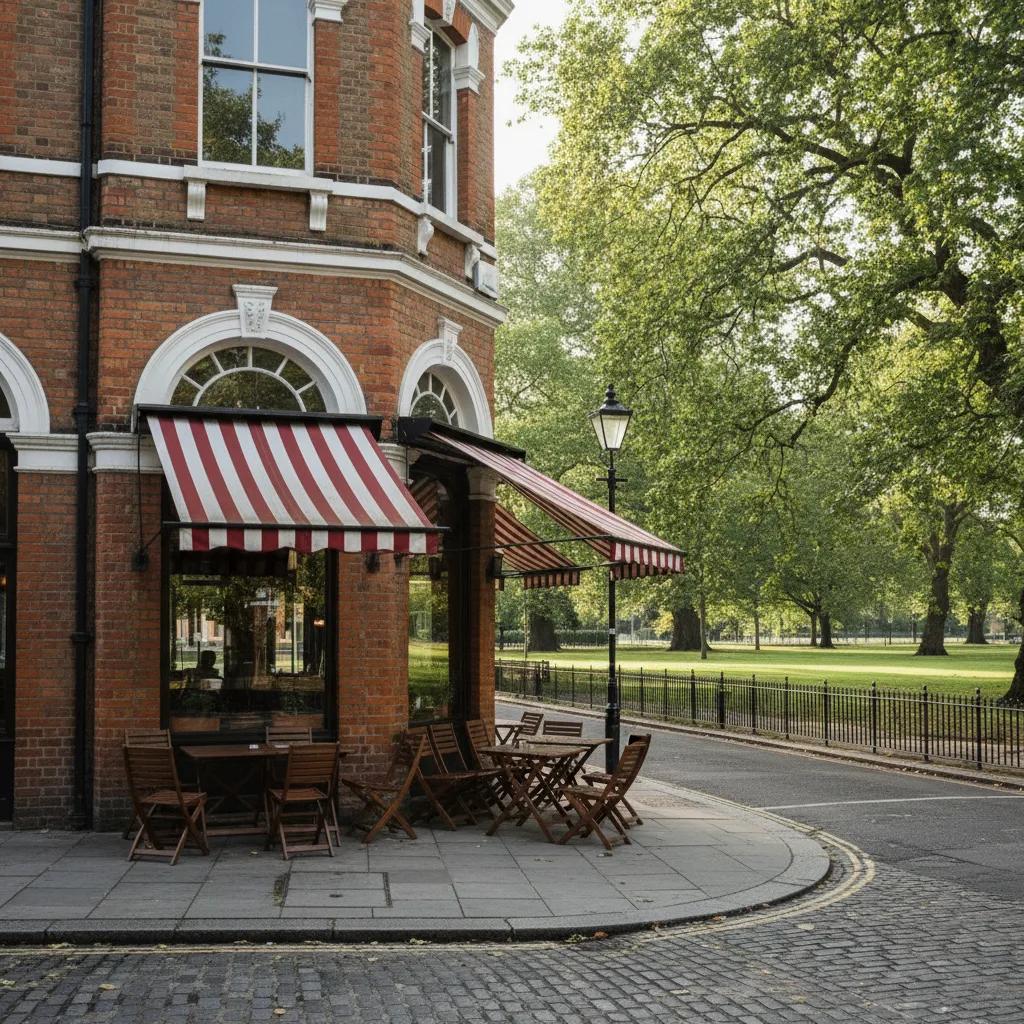
 Clapham Weekend Brunch Planner: Parkside Morning Cafes
Restaurants
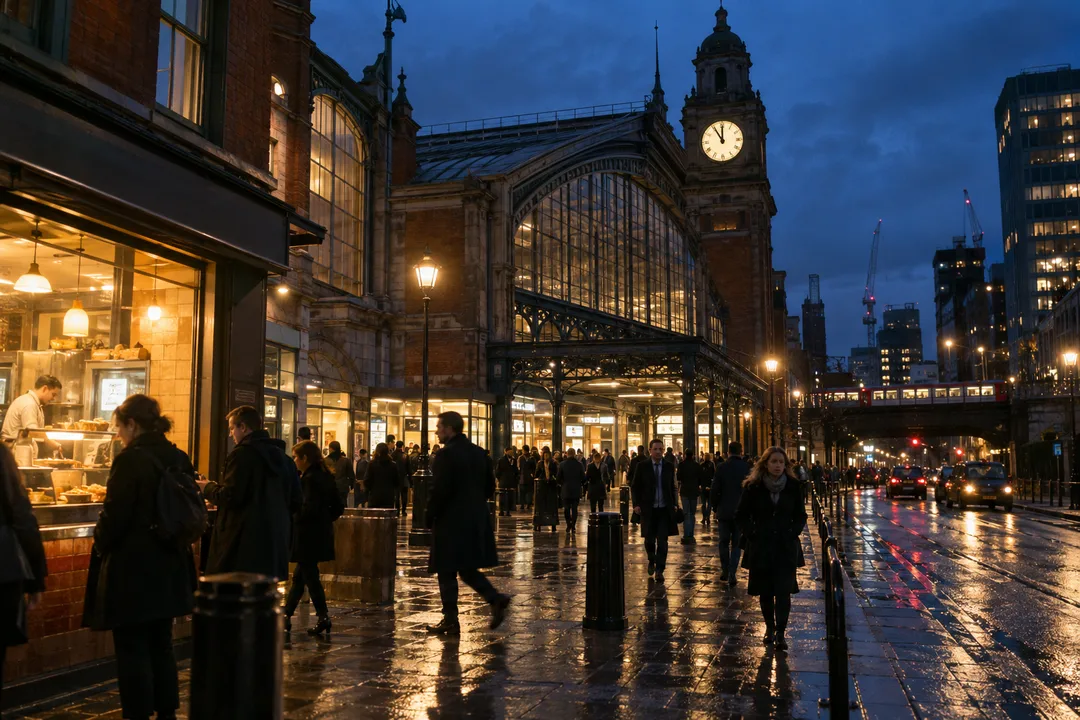
London Late Night Bites Locator: Last Train Dinner Plan
Catching a last train after dinner? Enter your departure window, station area, appetite and walking limit so Karpo can shape a meal plan with a safe buffer.
A last-train meal is a timing problem with a human centre. The question is not simply where food exists; it is whether the group can eat, leave and reach the departure point without turning every minute into stress. Start with the station area, the departure window and the latest point at which sitting down still feels comfortable. Add appetite, walking energy and whether the group can carry food if the clock tightens.
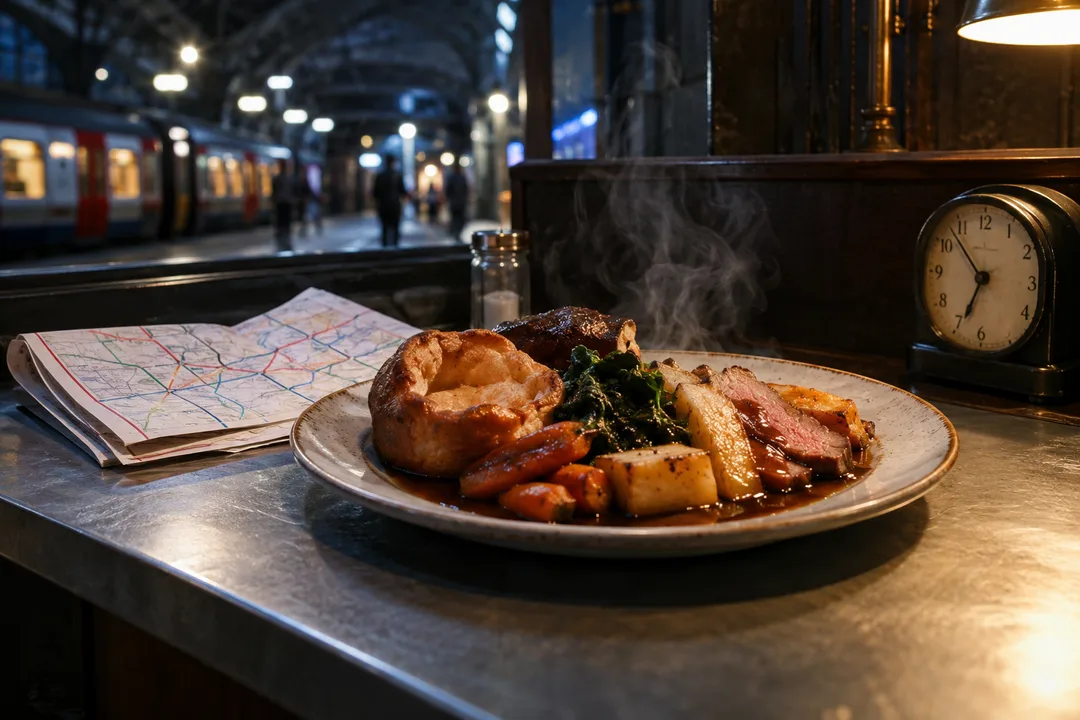
Put the departure first
Build in a real buffer. People need time to finish a drink, find a door, collect a coat and navigate a busy concourse. Describe the buffer you want to protect instead of using the departure moment as the only boundary. If the group is unfamiliar with the area, say so. A planner can then rank options by the shape of the handoff, not just by a pin that looks close on a map.
Pace matters as much as distance. A quick counter order, a pre-decided dish or a portable bite may be more suitable than a leisurely table even when both are nearby. Explain whether the meal should be finished in one sitting, split into a short stop and a carry-on, or kept flexible until the group sees the first result. That choice tells the tool what kind of timing risk is acceptable.
Measure the true buffer
Describe the departure as something the evening must respect. Maybe the train is the last route home, maybe it is an early connection, or maybe missing it would strand one person from the group. You do not need to add drama; name the consequence and the preferred margin. The result can then distinguish a comfortable plan from one that only works if every step happens exactly on schedule.
Walking instructions should include the surface of the route. Stairs, a confusing interchange, a dark stretch or a long station approach can consume more energy than a distance estimate suggests. Mention whether a simple street-level route is preferred, whether one transfer is acceptable, and who in the party may need the easiest path. These details keep the shortlist grounded in how the group will actually move after eating.
Choose food by pace
Use a two-tier request: one option that protects the buffer and one that offers a fuller meal if the group has more time. Add a third fallback for the moment when the first queue is too long. This gives everyone a choice without creating a race. The planner can explain the trade between appetite, comfort and departure, so the group decides before standing in the wrong line.
A changing clock does not require a fresh start. If the show, meeting or conversation runs late, change the arrival window and keep the station, appetite and walking limit fixed. If the group gains time, loosen pace before expanding the route. If time disappears, move to the portable or fast option first. One controlled adjustment keeps the plan legible and avoids the temptation to abandon every useful constraint.
Keep the station leg clear
Think of the station as a destination with a final approach, not merely a label. Tell Karpo whether the meal should finish near the platform, near the entrance, or along a route that naturally feeds into the departure. The most useful result may be a place that is not the closest in straight-line distance but makes the last leg obvious. Clarity at the end of the night is part of the meal’s value.
A late bite can still carry atmosphere under a firm clock. Mention whether you want a lively room, a quiet corner, a short neighbourhood glimpse or no extra wandering at all. One sensory preference helps the planner keep the result human while the departure rule does the hard work. You are not asking for a miracle; you are giving the tool a way to protect the feeling of the evening within a narrow window.
Build a fallback
If one person is leaving earlier, split the request before the shortlist arrives. The group may share one first stop, then separate toward different routes, or one person may need a takeaway handoff. State that possibility clearly so the result does not assume everyone has the same endpoint. A good plan keeps the social part intact while making the departure responsibility visible.
Read the shortlist for evidence of a workable sequence. Can someone order without a long explanation? Is there a natural point to leave? Does the fallback sit on the same general path? The tool should help you see those decisions, but the final choice belongs to the people making the journey. Keep the option that leaves room for an ordinary delay instead of selecting the one that wins only on paper.
Handle a moving clock
The Karpo APP can hold the wording that matters: departure window, desired buffer, appetite, route preference and a fallback rule. Save it as a reusable brief for concerts, late shifts or weekend journeys. A saved structure means you can update the clock quickly while keeping the practical lessons from the previous trip. The goal is less time searching and more confidence about the final handoff.
When the result feels too cautious, add the comfort you want to preserve. When it feels too ambitious, tighten the buffer rather than deleting the meal. If the group is hungry, say that plainly; if the priority is getting home, let that lead. These direct edits produce a more useful plan than adding a long list of restaurants or hoping the city will make the decision for you.
Share the plan
The right final sentence is an action: choose the first option, keep the backup, and leave by the agreed point. Put one person in charge of watching the time, and let everyone else enjoy the food. If the plan changes, use the same brief with one updated constraint. A last-train dinner succeeds when the route feels intentional, the buffer remains visible and the group reaches the next step without a scramble.
There is no prize for squeezing in one more stop. Protect the departure, name the appetite and let the planner show which compromise is kindest to the evening. A satisfying late bite can be quick, portable or quietly complete. What matters is that the choice fits the actual clock and leaves enough margin for the human parts of travel: coats, crossings, questions and the final walk to the train.
Leave with margin
If the clock suddenly narrows, choose the plan that is easiest to explain to everyone at once. A clear first step, a visible fallback and one person watching the margin are enough. The meal does not need to prove anything; it needs to leave the group fed, oriented and able to make the next departure without a frantic last-minute decision.
Ask Karpo for more information.
Keep reading
- Clapham Weekend Brunch Planner: Parkside Morning Cafes
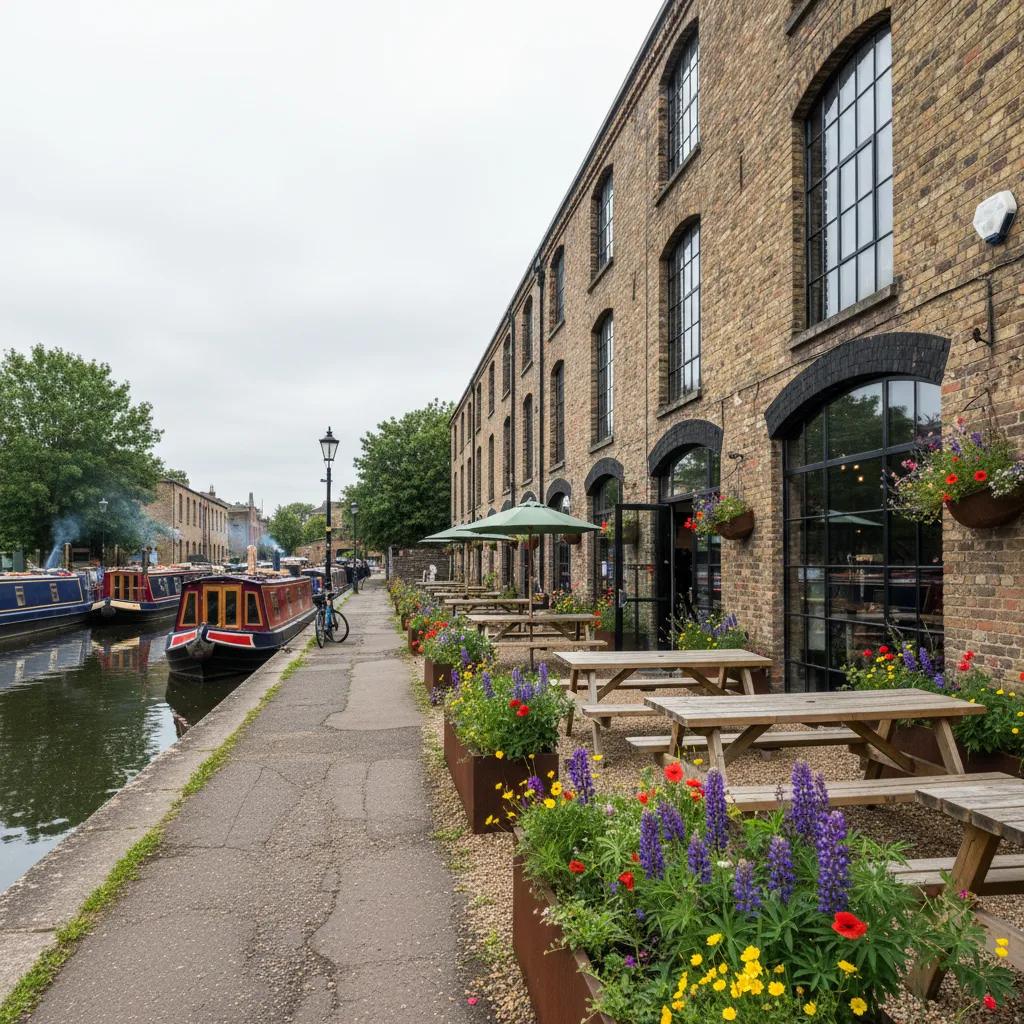 Hackney Weekend Brunch Planner: Canalside Roastery Tables
 Soho Weekend Brunch Planner: Historic Townhouse Tables