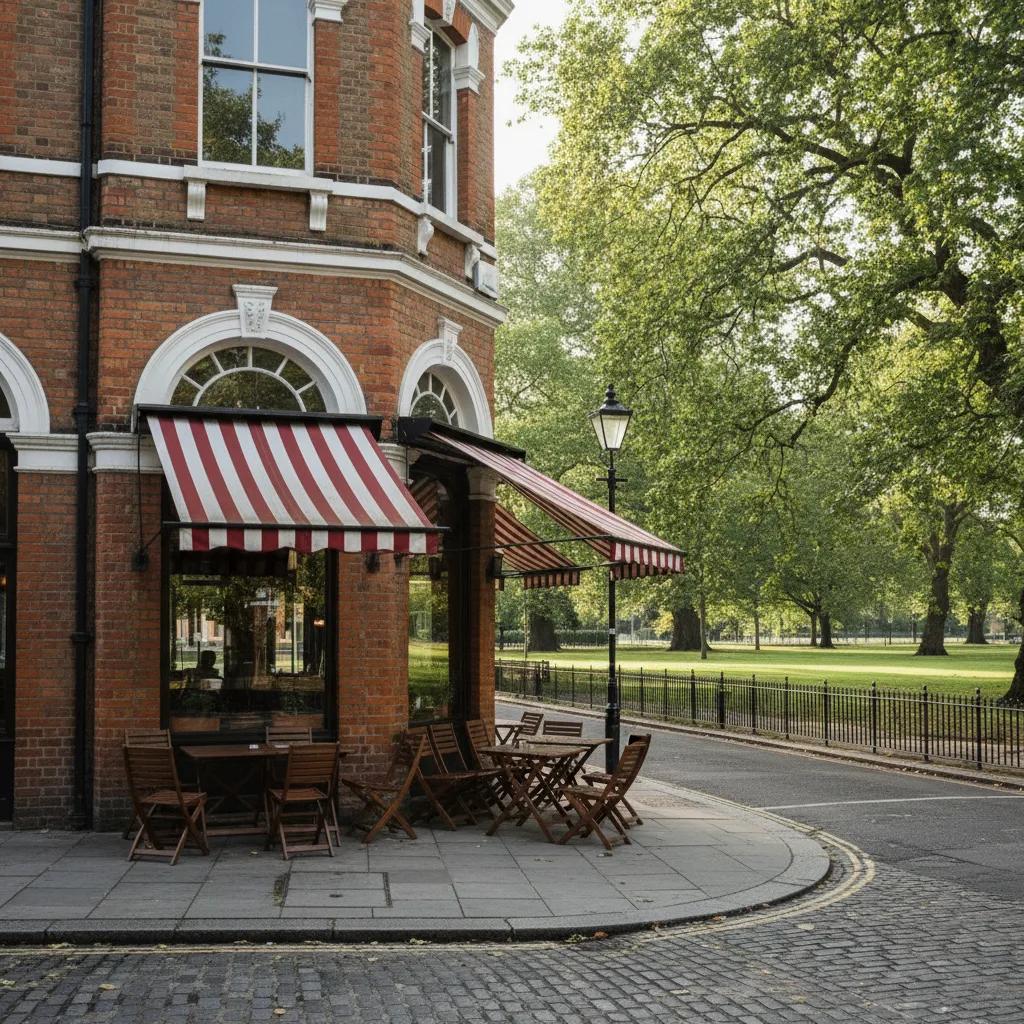
 Clapham Weekend Brunch Planner: Parkside Morning Cafes
Restaurants
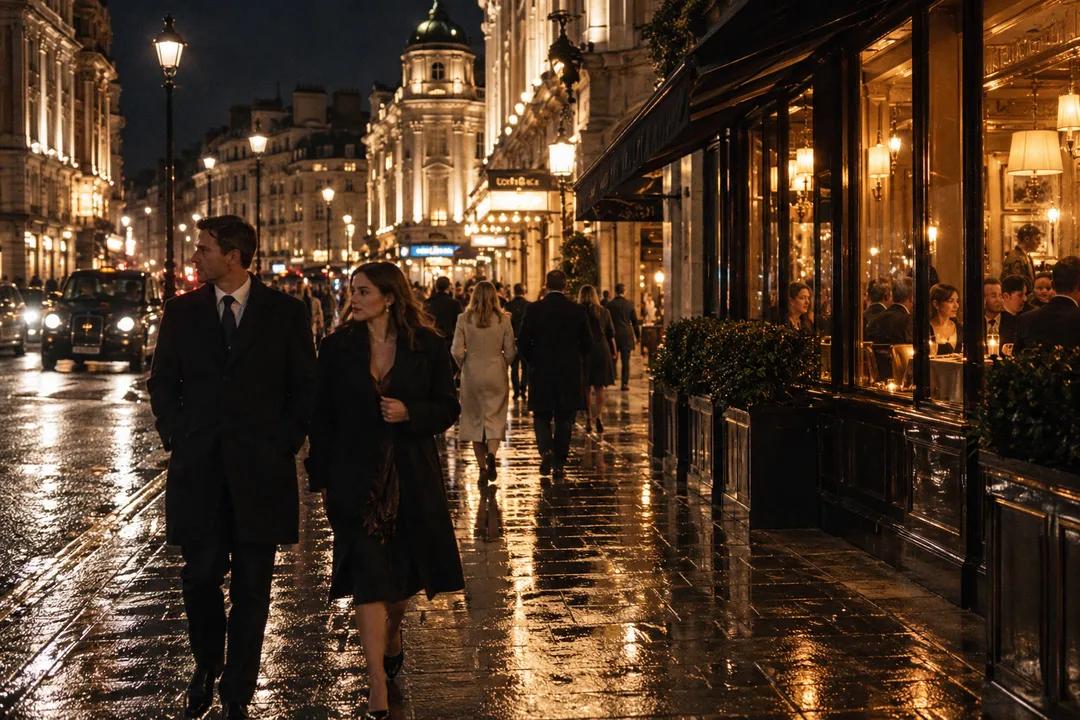
London Late Night Bites Locator: After Theatre Meals Fast
Need food after a London show? Tell Karpo the theatre area, finish window, appetite and walk limit for a late-bite shortlist with a calm fallback.
The useful post-theatre question is rarely just “what is open?” It is whether the last applause, the walk out and the appetite can fit together without turning the evening into a sprint. Begin with the theatre area, the expected curtain time and how much movement still feels pleasant. Add whether the group wants a proper sit-down, a quick bowl, a pastry, or something that can be carried. That small description gives the search a human starting point.
Start with the curtain call
Curtain times slide. A speech runs long, an encore appears, or a crowded foyer holds everyone for ten minutes. Put the likely finish in the request as a range rather than pretending the evening has a perfect endpoint. Then set a latest comfortable arrival and a latest acceptable finish. The tool can treat those as separate guardrails, so a slightly delayed show does not erase every option or push the group into an unrealistic dash.
Walking distance is about energy as much as geography. One person may be in formal shoes, another may be carrying a coat, and someone may simply want a warm seat after two hours in the dark. Describe the walking limit in ordinary language: a short stroll, a willing cross-town hop, or no extra change after the theatre. Mention hills, rain exposure or a preference for a single simple turn if those details matter more than a raw distance.
Separate the walk from the wish
The room itself can decide the meal. Some nights call for a counter where the order is quick and the conversation can stay low. Other nights need a table, a little brightness and enough room to retell the best scene. Say whether the party can share a narrow table, whether one diner needs a quiet corner, and whether a long wait would feel like part of the night or a mistake. These signals shape a shortlist better than a generic cuisine label.
Give appetite a shape. “Something savoury and filling” is different from “a small sweet thing with tea,” and both are different from a guest who cannot face a heavy plate. Add any useful boundaries such as vegetarian, no spice, light food, or a craving for something crisp. The point is not to write a menu; it is to tell the planner what kind of relief the next bite should provide after the show.
Describe the room you can handle
Queue tolerance deserves its own line. If the group has already spent the evening in a packed auditorium, a long unstructured wait may undo the pleasure of going out. If the queue is part of the fun, say so and give it a ceiling. Ask for options that can be approached in sequence: one first choice, one nearby alternative, and one easy fallback. That turns uncertainty into movement instead of a group debate on the pavement.
A good result should explain its trade rather than pretending every choice wins. One option might offer the shortest walk but less atmosphere. Another might feel more celebratory yet require a later departure. A third could protect the budget while giving up a little comfort. Read the result as a decision aid, then adjust one constraint at a time. Changing the walk limit before changing the appetite often keeps the evening recognisable.
Build a two-step fallback
Use the theatre district as part of the story, not as a fixed pin. A narrow lane, a lit square, a riverside stretch or a bookshop window can make the post-show transition feel intentional. Tell Karpo whether a ten-minute wander would be welcome or whether everyone wants the most direct route. A small neighbourhood preference helps the plan feel like an extension of the performance rather than a separate logistics problem.
Rain changes the order of operations. A dry route can tolerate a pause outside, while a wet night calls for fewer exposed steps and a clearer destination. Add whether umbrellas are available, whether coats need a place to settle, and whether a covered handoff matters. The planner can then prioritise options that preserve warmth and momentum. You are choosing the shape of the transition, not asking for a weather forecast or a promise that every path stays dry.
Send a brief that travels well
If the party splits between a full meal and a small bite, put that tension into the request. A shared plate may keep everyone together, while a flexible counter lets one person eat lightly without making the whole table wait. Describe how much togetherness matters. The useful result is often a shortlist with a clear “all in” option and a graceful exit for anyone who wants to stop earlier.
Make the transport handoff explicit. Some groups want to eat first and then travel; others need a route that keeps the next connection in view. Mention whether the meal is the destination or a bridge to the next stop. A late bite plan should show where the decision can be revisited, what can be dropped without drama, and which part of the evening must remain protected.
Let the route absorb a delay
The best brief is short enough to use while leaving the theatre but specific enough to prevent generic results. A practical version might name the theatre area, the finish window, two appetite clues, a walking preference, a queue limit and the moment by which the group wants to be moving again. Save that wording in the Karpo APP so a changed curtain time can be handled without rebuilding the whole thought.
When the first result feels wrong, do not restart with a blank search. Remove one constraint and keep the rest visible. If every suggestion is too formal, loosen the room preference. If the walk is the problem, preserve the appetite and switch the radius. If the group is tired, move the queue ceiling before touching the food style. Small edits reveal which part of the evening is actually causing friction.
Keep the handoff simple
A late-night route should end with an action that someone can take. Pick the first shortlist item, note the fallback, and decide who will lead the walk. If the group needs a pause, make that pause part of the route rather than an accidental delay. The result is useful when it tells you what to do next, what to release if the scene changes, and how to keep the mood intact.
Before sending the request, read it aloud as if you were speaking to a friend outside the venue. Does it say when the show ends, how hungry people are, how far they want to move, and what would make the room comfortable? Remove decorative detail that does not change the decision. Keep one sensory clue, one hard boundary and one flexible preference. That balance gives the planner room to work without losing the evening’s personality.
Leave the theatre in a good mood
Leave the theatre with a plan that can bend. The winning late bite is not necessarily the most famous or the most elaborate; it is the one that fits the actual ending, the bodies in the group and the next choice on the night. Give Karpo the scene, let it sort the constraints, and keep one fallback in reserve. You will be able to move from applause to food without making the final chapter feel like an afterthought.
Ask Karpo for more information.
Keep reading
- Clapham Weekend Brunch Planner: Parkside Morning Cafes
 Hackney Weekend Brunch Planner: Canalside Roastery Tables
 Soho Weekend Brunch Planner: Historic Townhouse Tables