 Clapham Bouldering Gym Finder: New in Town, Climb to Mingle
Sports Social
Hoxton Kendo Dojo for Kids Aged Five to 18: Wakaba
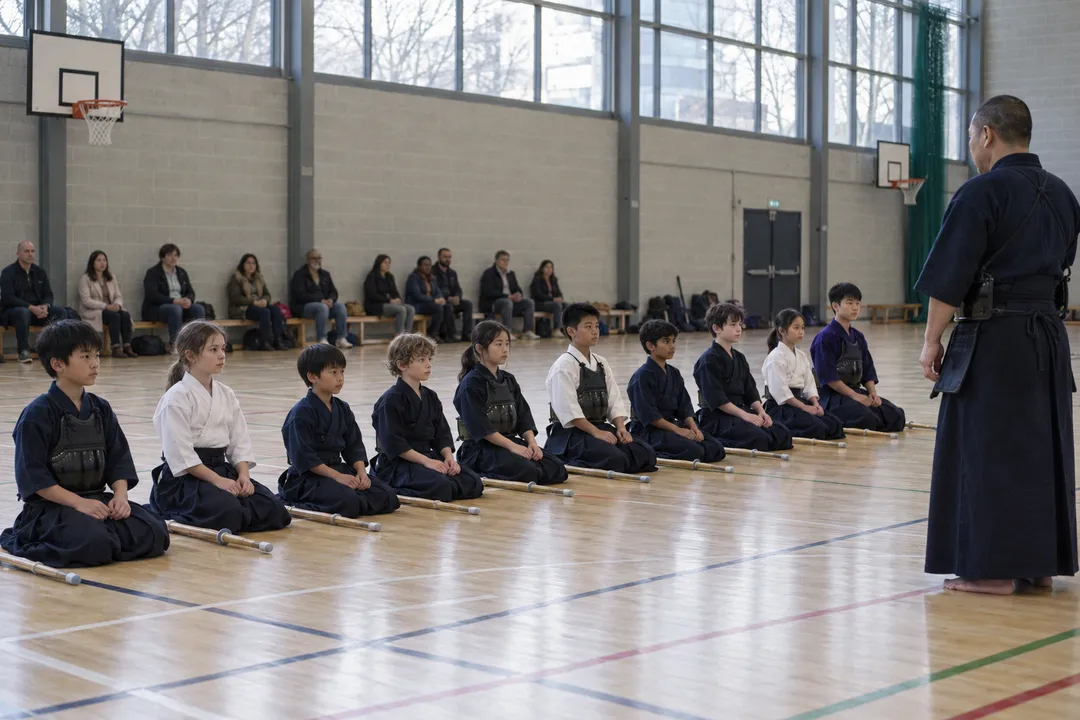
Wakaba Kendo Club, founded 1993, trains children aged five to 18 every Saturday 2-5pm at Britannia Leisure Centre in Hoxton. First practice free; adults pay £5.
Wakaba Kendo Club trains every Saturday from 2 pm to 5 pm in the main sports hall of Britannia Leisure Centre, 40 Hyde Road, London N1 5JU, on the edge of Shoreditch Park in Hoxton. Founded in 1993, it calls itself the largest children's kendo dojo in London, with about 30 registered students aged between five and 18. A first practice is free, under-18s pay an annual fee that starts at £100 in April and falls month by month, and adults can train for £5 a session.
Why a Children's Dojo Is Called New Shoots
Wakaba is Japanese for the new shoots of a plant or tree, and the club leans on the image openly: its site says careful cultivation of a young student needs dedicated, experienced and qualified teachers, and that some of those teachers have been involved since the club was created more than thirty years ago. The dojo leader is Satoshi Miyamura. Its website also links to Hizen Kendo Club as a related club.
The structure behind the floor is unusual. Wakaba is run by a collective of volunteers, and the club says its officers and adult members are mostly parents of children who practise now or practised in the past. Those parents keep the day-to-day running going, from the paperwork to the equipment cupboard, and the club credits them with keeping morale high. Joining Wakaba with a child therefore often means being asked, sooner or later, to help.
Who Teaches and How Safety Works
Children's practice is organised and supervised by coaches who have completed British Kendo Association Coach Level Two, with methods approved by the chief instructor. Wakaba has signed up to the BKA child protection policy and treats anyone under 18 as a child. Whenever children need to train in a separate group or move from the sports hall to another room, at least two instructors or coaches go with them.
The club is frank about the risks of a full-contact art. Its site lists bruises, blisters, swelling and stiff joints as things that happen from time to time, compares the injury rate with football, and notes that a ruptured Achilles tendon is possible but not frequent. Warm-up exercises are taken seriously for that reason, and qualified instructors lead them before every session.
How a Saturday at Wakaba Runs
The afternoon follows a fixed order. Kata, the paired forms with wooden swords, runs from 2 pm to 2:30 pm. From 2:30 pm to 3 pm the children clean the floor together and warm up, a small piece of dojo etiquette that many Japanese schools keep. Kihon keiko, the basic drills of footwork, cuts and strikes, fills the hour from 3 pm to 4 pm. The last hour, 4 pm to 5 pm, is jigeiko, free sparring, for those who have earned the right to wear armour.
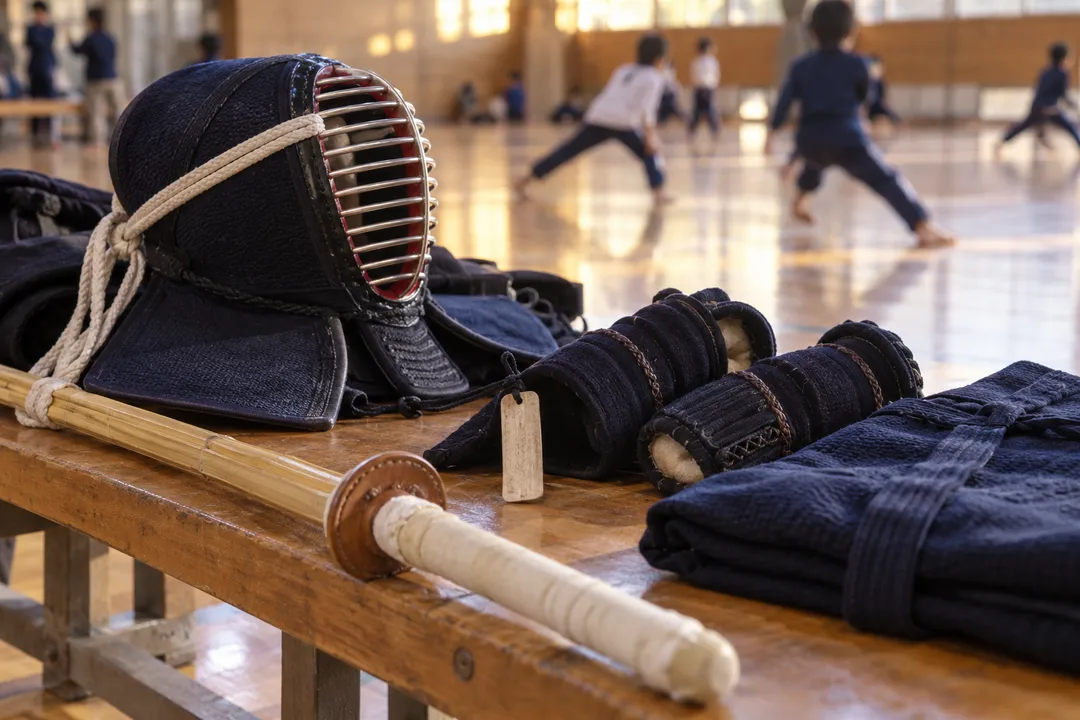
That last point shapes a beginner's first months. The club says newcomers will not need armour for at least the first one or two terms. With the instructor's approval a student first adds the do and tare, the chest and waist protectors, and only later the men and kote, the helmet and gloves. Until then the beginner trains in a plain T-shirt and long tracksuit bottoms, with no watches or jewellery, and with fingernails and toenails cut short.
Starting: A Free First Practice
There is no fixed course start. Wakaba asks newcomers to come along on any Saturday, watch the practice or join a suitable group on the day, and treat that first session as a free trial before deciding. Families who want to continue download the membership application from the club's website, fill it in and bring or email it to the dojo, and the club confirms the practice fee afterwards.
Every member must also register with the British Kendo Association, which provides the insurance that the BKA requires before anyone may practise. That registration is yearly and is the member's own responsibility to renew. The BKA booklet that comes with it is also needed for gradings and competitions.
What It Costs
For under-18s the annual practice fee runs from April, when it is £100, and drops by £10 for each month later in the year that a child joins, down to £10 in March. A child starting this October pays £60 for the rest of the season. Brothers and sisters get a family reduction: the second child pays 75 per cent of the fee and the third pays 50 per cent. Lessons during school holidays are included, and the club says the money mainly covers hire of the hall.
Adults over 18 pay £5 a session, or the annual fee at the same rate as junior members. Armour can be hired by under-18s for £45 a year, worked out as £15 a term, plus a returnable £70 deposit. A first shinai costs £15, including the tsuba guard and its rubber stopper, and a bag is a further £17. Adult beginners buy their shinai from the club at prices given at the dojo.
Rules Parents Should Know
Wakaba is clear that the dojo is not a child-minding service. Instructors look after children only inside the sports hall and only during practice time. Taking children to and from Britannia, and supervising them in the changing rooms and corridors, is the job of parents and guardians. The leisure centre itself requires children under eight to be accompanied by an adult, and the club actively encourages parents to stay and watch.
Joining also assumes consent for first aid, for help with putting on armour and for photographs that may appear in the club's records or promotion. Parents who object to any of these are asked to say so in writing. Kendo kit for children is easiest hired at first: the club keeps rental armour in stock, but if no set fits, a new member may have to wait.
Around Hoxton Before or After Practice
Britannia Leisure Centre sits on the corner of Hyde Road and Pitfield Street, with Shoreditch Park spreading out behind it, so younger siblings and parents have open grass for a run-around while the older ones train. Hoxton Street, a few minutes east, is one of the area's long-standing market streets, lined with cafés, bakeries and small shops.
Further east along Kingsland Road, the Museum of the Home shows how Londoners have lived at home across the centuries, set in a row of former almshouses with gardens behind. South of the centre, the walk down Pitfield Street leads toward Old Street and the cafés around Shoreditch, a good place for a post-practice snack before heading home.
Practical Notes
Venue: main sports hall, Britannia Leisure Centre, 40 Hyde Road, London N1 5JU, at the junction with Pitfield Street. Practice: every Saturday, kata 2 pm to 2:30 pm, floor cleaning and warm-up 2:30 pm to 3 pm, kihon keiko 3 pm to 4 pm, jigeiko for those in armour 4 pm to 5 pm. The club posts its latest news on its Facebook group and Instagram.
Getting there: Old Street station is a 10 to 15 minute walk, and Haggerston on the Overground is seven to ten minutes away. Buses 21, 76, 141 and 243 run from Old Street, 149 and 242 from Liverpool Street, 394 from Angel and 21 from Highbury & Islington. Fees: first practice free; junior annual fee £100 from April, falling to £10 by March; adults £5 per session; armour hire £45 a year plus £70 deposit; BKA membership is paid separately to the association.
Ask Karpo for more information.
Keep reading
- Clapham Bouldering Gym Finder: New in Town, Climb to Mingle
 Marylebone Bouldering Gym Finder: Lunch Break Climbs
 Notting Hill Bouldering Gym Finder: Family Climbing Weekends