 Richmond Park Sunset Viewing Planner: Deer Meadow Horizons
Weekend Plans

London Indoor Craft Workshop Finder: Greenwich Studios
Find Greenwich riverside maker workshops specializing in artisanal green wood carving, traditional maritime rope craft, and hand-built ceramics.
Perched dramatically along the sweeping curve of the River Thames where maritime history and royal parklands converge, Greenwich provides an inspiring, atmospheric setting for hands-on craft workshops. Located within converted dockland warehouses, historic market archways, and quiet artist enclaves near the river bend, local studios celebrate time-honored disciplines like traditional green woodcarving, intricate maritime ropework, and tactile hand-thrown ceramics. For makers seeking river air, maritime heritage, and absorbing creative focus, Greenwich offers an unforgettable weekend outing.
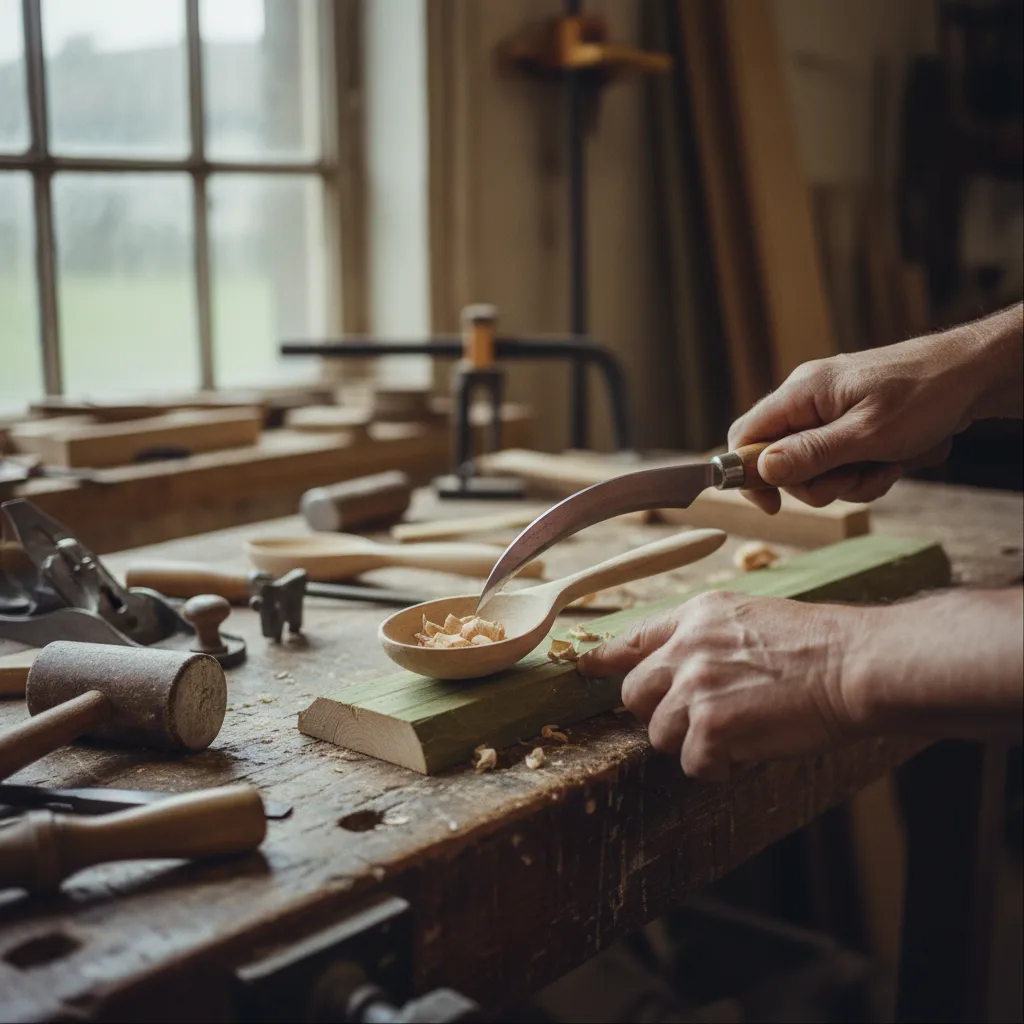
Green Woodcarving and Traditional Spoon Whittling
Woodcraft studios tucked near the historic market quarters invite crafters to discover the deeply meditative art of green woodworking. Surrounded by the fresh, sweet scent of unseasoned birch, cherry, and hazel timbers, students gather around sturdy carpenter workbenches equipped with shaving horses and antique bench vices.
Instructors emphasize safe, confident knife handling, teaching foundational push cuts, chest-leaver grips, and thumb-assisted lever strokes using specialized Swedish sloyd and hook knives. Crafters learn to follow natural wood grain fibers, whittling rough-hewn timber billets down into graceful, ergonomic eating spoons, cooking spatulas, or sculptural butter spreaders.
Carving freshly harvested unseasoned wood offers a buttery, fluid cutting resistance that seasoned kiln-dried lumber cannot match. Students finish their hand-carved utensils with food-safe raw linseed oil and organic beeswax, watching rich timber grain patterns leap into vibrant visual warmth.
Tutors demonstrate how to hollow out deep spoon bowls using curved crook knives, working across grain directions to achieve smooth, splinter-free interior hollows. Makers take immense pride in carrying home durable, functional wooden utensils shaped purely by hand from freshly felled local branchwood.
Instructors teach safe axe work for roughing out spoon blanks from green logs, demonstrating how controlled downward chops along split wood faces quickly remove surplus material before fine knife work begins. Understanding how grain orientation dictates axe splits prevents accidental tear-out and preserves maximum structural strength throughout the finished wooden handle.
Maritime Knotting and Traditional Rope Craft
Drawing on centuries of naval seamanship centered around the Old Royal Naval College, specialized maritime craft ateliers introduce students to the intricate world of nautical ropework and decorative knotting. Housed in historic brick vaults near the riverbank, these workshops feature hanging coils of natural Manila hemp, braided cotton cord, and polished brass maritime fittings.
Master riggers teach the structural engineering and decorative elegance of traditional shipboard knots, progressing from basic bowlines and Carrick bends to complex monkey's fist doorstops, Turk's head wristbands, and bell rope lanyards. Students learn how thread tension and symmetrical dressing create solid, ornamental rope forms that withstand harsh weather.
Participants craft handsome decorative rope coasters, nautical dog leads, or hanging plant slings, discovering how traditional sailor arts bridge functional seafaring utility and timeless maritime home decor aesthetics.
Instructors demonstrate traditional rope whipping techniques using waxed sailmaker's twine, ensuring that cut cord ends remain bound against fraying. Splicing eye loops into three-strand twisted cotton cord teaches participants structural braiding principles used on historic wooden sailing ships.
Students learn the historical origins of decorative knot craft aboard nineteenth-century tea clippers, discovering how sailors passed long watch hours knotting complex ditty bag handles and protective rope fenders. The repetitive tactile manipulation of heavy hemp cord strengthens finger dexterity and imparts a grounded, rhythmic sense of historical connection.
Riverside Ceramics and Hand-Built Clay Vessels
Pottery ateliers situated along Greenwich's riverside pathways celebrate the sensory tactile qualities of stoneware clay. Inside these light-filled studios overlooking tidal mudflats, participants work on electric wheels and broad hand-building islands to shape unique functional pottery inspired by maritime river textures.
Tutors explain the tactile nuances of centering and opening clay walls, guiding students as they shape generous tea mugs, rustic serving bowls, and textured vases. Makers experiment with pressing natural river stones, coarse linen cords, and antique timber stamps directly into leather-hard clay surfaces to create organic, tactile impressions.
Studio glaze specialists guide attendees through dipping their bisque-fired creations in sea-green celadon washes, foaming white magnesium glazes, and iron-rich Tenmoku finishes that evoke tidal estuaries. Completed vessels are fired to over twelve hundred degrees Celsius, ensuring microwave- and dishwasher-safe durability.
The relaxing hum of studio wheels combined with panoramic river views creates an inspiring sanctuary where students discover the patience of clay. Tutors encourage embracing subtle wobbles and textural fingerprints as enduring marks of handmade authenticity.
Neighborhood Atmosphere and Riverside Wandering
Greenwich's sweeping river vistas and historic architectural landmarks enrich your weekend creative itinerary with unforgettable sensory charm. Following a productive workshop, makers can stroll out along the Thames river path, watching river clippers glide past the majestic twin domes of the Old Royal Naval College.
Following the riverside pathway past the Cutty Sark dry dock brings makers to historic waterfront taverns with centuries of seafaring history. Sitting beside leaded glass windows overlooking the moving Thames currents offers a wonderful setting to review hand-carved wooden spoons and decorative rope knots over a warm lunch or refreshing cider.
Greenwich Market, located moments away, buzzes with independent food stalls, antique map dealers, and artisan craft stalls where you can sample hot international street food and chat with local makers. Climbing the gentle hillside path through Greenwich Park toward the Royal Observatory rewards visitors with one of London's most breathtaking panoramic skyline views stretching across Canary Wharf and the City.
The open, maritime feeling of Greenwich provides a refreshing, restorative escape from urban congestion, offering makers an expansive environment that nurtures fresh creative inspiration.
Studio Preparation and Practical Advice
Greenwich workshops provide comprehensive toolkits, raw timber materials, and protective work aprons for all attendees. Wear comfortable, casual clothing with closed-toe footwear suitable for woodworking and pottery environments where wood shavings or clay slip may encounter shoes. Knife work requires close visual focus, so bringing reading glasses if needed is helpful.
Bringing a durable canvas tote bag is recommended for carrying hand-carved utensils and treated hemp rope projects safely home. Timber pieces carved from green wood should be stored away from direct radiators during their initial drying weeks, allowing wood fibers to equalize ambient indoor moisture without warping or cracking.
Reaching Greenwich is exceptionally convenient via the Docklands Light Railway to Cutty Sark station or via scenic Thames Clipper riverboat from central London piers. Weekend courses are in high demand, so reserve your workshop dates well in advance to ensure availability.
Ask Karpo for more information.
Keep reading
- Richmond Park Sunset Viewing Planner: Deer Meadow Horizons
 South Bank Sunset Viewing Planner: Thames Riverside Walks
 Parliament Hill Sunset Viewing Planner: London Heath Vistas