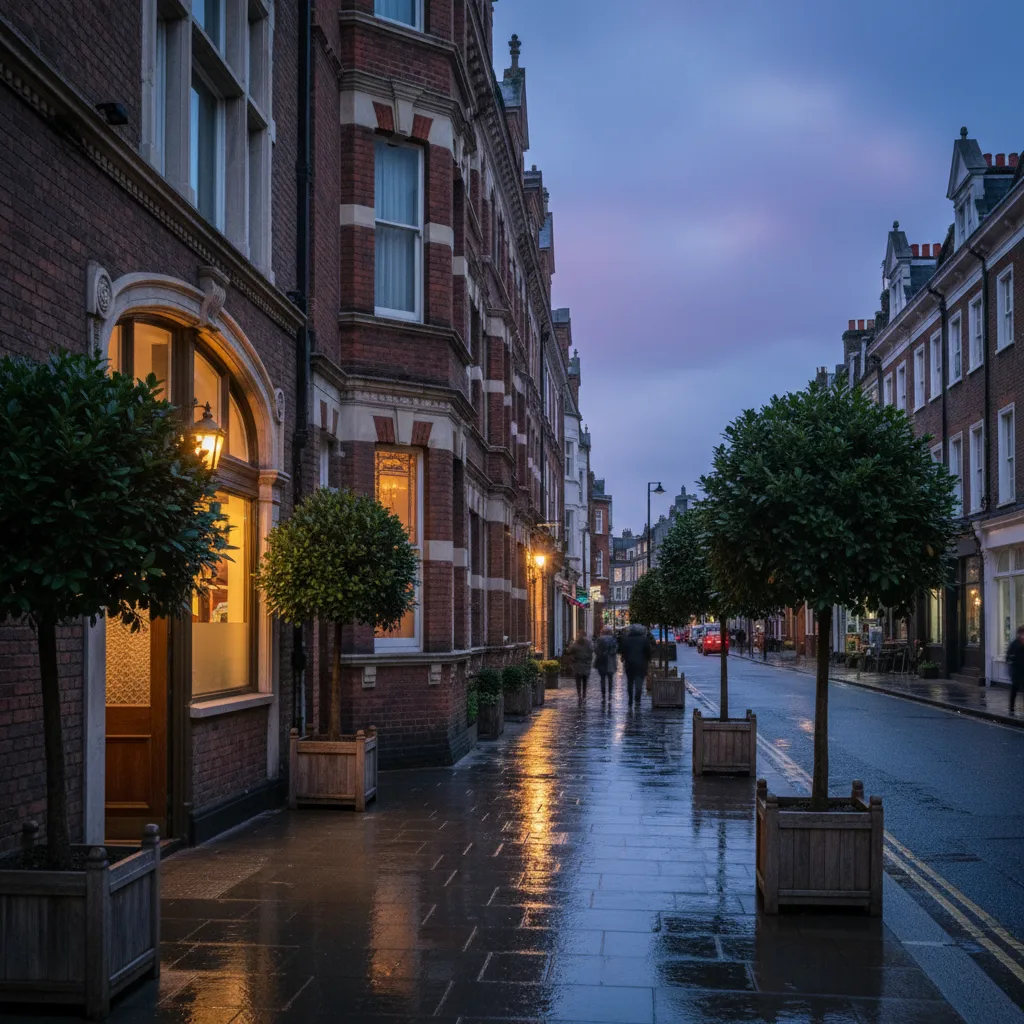
 Quiet Marylebone Irish Coffee Bar Night Picker in London
Bars & Nights Out
Plan an Indie Microbrewery Taproom Night in Soho Lanes
Plan an indie microbrewery taproom evening around Soho and Covent Garden, with Seven Dials as your compass, smart pacing, and an easy Tube ride home.
Soho and Covent Garden pack theatres, restaurants and old pubs into a few hundred metres of crooked streets, and that density is exactly why an indie microbrewery taproom evening here needs a plan. Without one, you drift from crowded bar to crowded bar and never taste anything you couldn't get at home. With one, you pick two or three small-brewery pours, leave room for a walk, and finish near a station instead of stranded on Shaftesbury Avenue at closing time. Think of it as an evening built around tasting rather than drinking, with the lanes doing half the work.
Start by deciding what kind of night you want. A quiet one suits an early slot, before the theatre crowds pour out around Covent Garden. A livelier one leans into the late buzz around Old Compton Street. Tell Karpo in the Karpo APP which mood you're after and how many stops you can manage, and it will help you sketch a route that keeps each leg short and walkable, the way a friend who knows the area would.
Reading the Lanes Before You Drink
Seven Dials makes a useful compass. Seven streets meet at its sundial pillar, so you can head out on any spoke and still find your way back without a map. Neal Street runs north toward Tottenham Court Road, Monmouth Street bends toward Cambridge Circus, and Earlham Street pulls you west toward Soho proper. Thinking in spokes stops you doubling back on the same busy pavement. It also means that wherever a pour takes you, the walk back to the pillar is rarely more than a few minutes.
Small passages matter too. Goodwin's Court, with its bowed shopfronts and old gas lamps, is a short cut between St Martin's Lane and Bedfordbury that most visitors walk straight past. Neal's Yard, tucked behind Short's Gardens, is a bright pocket that's at its best before the evening rush. Slipping through places like these between pours gives the night a texture that a single crowded bar never will.
How a Taproom Pour Usually Works
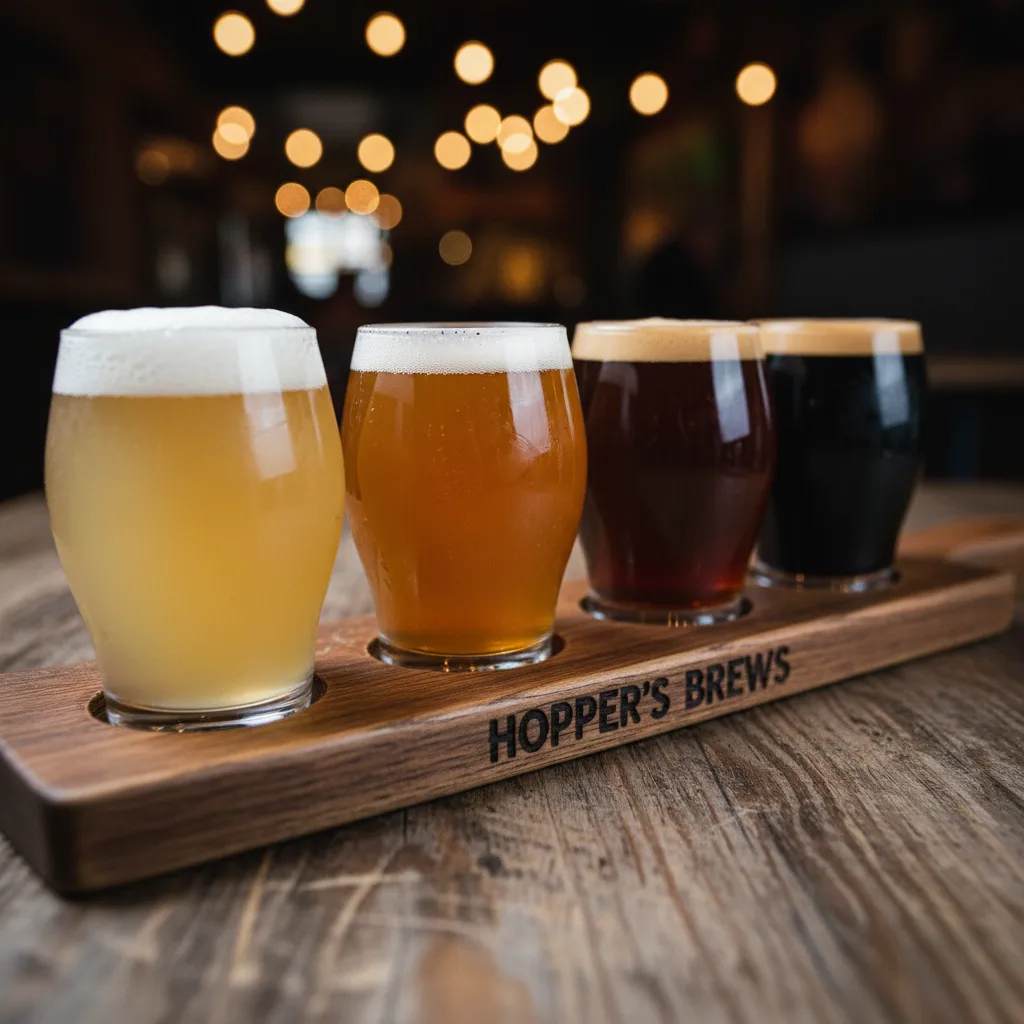
Most London taprooms and craft beer bars run counter service. You order at the bar, pay as you go, and carry your own glass back to a seat. Draught lists change often, so the chalkboard or screen behind the bar is the menu that counts. Many places will pour a third or a half rather than a full pint, and smaller measures are the simplest way to try several beers without losing the thread of the evening. If you're unsure, a flight of small measures is the easiest way to learn what you actually like.
Keep an eye out for the difference between cask and keg. Cask ale is served cooler than room temperature but far less cold and fizzy than keg beer, and it rewards a slow sip. Keg lines tend to carry hazy pales, lagers and sours. Ask the bar staff what's freshest and which beer they would drink themselves. That question usually gets a more honest answer than asking what's popular.
Food, Water and Pacing
Soho is one of the easiest parts of London to eat cheaply between rounds, so there's no reason to drink on an empty stomach. A bowl of noodles in Chinatown, a slice on the walk, or a shared plate somewhere small will carry you further than any amount of crisps. Plan the food stop as its own leg of the route rather than an afterthought, and the whole evening steadies. Chinatown's Gerrard Street sits only a short walk south of Shaftesbury Avenue, which makes it a natural halfway point.
Water is the other half of pacing. Ask for a glass of tap water with every round, which London bars will pour without fuss. Strong pale ales and imperial stouts in small breweries' ranges often sit well above typical pub strength, so check the percentage on the board before you commit to a full pint. Two smaller pours of different styles beat one large strong beer you can't finish. Your head the next morning will thank you for every glass of water you remembered.
A Stroll Between Rounds
Between stops, walk rather than ride. From Seven Dials, a loop through Covent Garden Piazza takes you past the market building and the portico of St Paul's Church, where street performers gather in the evening. From there, Floral Street and Long Acre lead back north, and the side streets off Long Acre are noticeably calmer than the Piazza itself. Even on a busy night, these few streets show how quickly central London can change its mood from one corner to the next.
If you're heading west instead, cross Charing Cross Road at Cambridge Circus and follow Old Compton Street into the heart of Soho. Greek Street and Frith Street fork off to the north, and Soho Square at the top makes a good place to pause on a bench, check the next leg in Karpo, and decide whether you have one more pour in you or whether it's time for dessert instead.
Practical Notes for the Night
Getting there is easy. Covent Garden, Leicester Square and Tottenham Court Road stations all sit within a few minutes' walk of Seven Dials, and Tottenham Court Road is also on the Elizabeth line. Covent Garden station can get very crowded in the evening, so walking to Leicester Square or Tottenham Court Road is often quicker. On Friday and Saturday nights the Night Tube runs on several lines, including the Central and Northern.
Go with a small group or solo. Large groups struggle to find space in compact bars and end up standing outside. Card and contactless payment are standard across central London, so carrying cash isn't necessary. Above all, keep the plan loose: if one bar is rammed, step out, try the next spoke off Seven Dials, and let Karpo suggest something nearby that fits the same mood. A good taproom night in Soho ends with you wanting to come back, not with you wishing you had stopped two rounds earlier.
Ask Karpo for more information.
Keep reading
- Quiet Marylebone Irish Coffee Bar Night Picker in London
 Richmond Pub Quiz Night Picker for Scenic London Evenings
 Fulham Pub Quiz Night Picker for Relaxed London Evenings