 Brixton Vintage Thrift Shop Finder: South London Retro Gems
Hidden Gems & Odd Finds
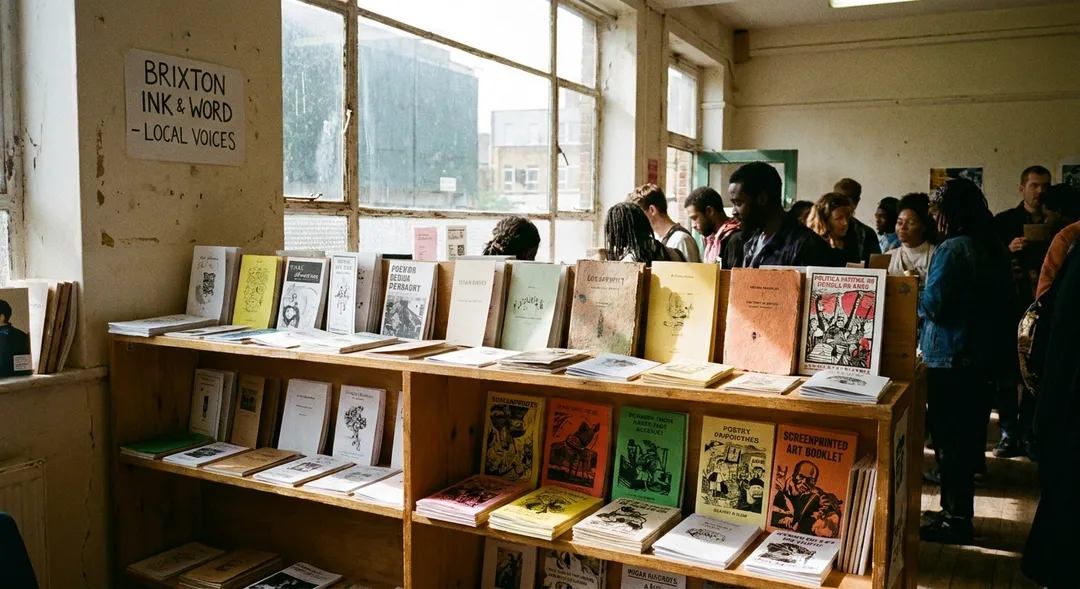
Brixton Independent Zine Shop Finder: South Indie Press
Locate grassroots community zines, radical poetry folios, and DIY screenprints in Brixton using our curated independent zine shop finder guide.
Brixton pulses with a proud legacy of grassroots activism, vibrant multicultural storytelling, and fiercely independent cultural expression. Across neighborhood landmarks like Electric Avenue, Coldharbour Lane, and Atlantic Road, this South London community nurtures an extraordinary tradition of self-published literature, radical political pamphleteering, and collective printmaking. Using an independent zine shop finder to explore Brixton's dynamic streets allows self-guided walkers to connect with handmade literary folios, bilingual poetry chapbooks, and screenprinted art posters that celebrate the resilient spirit of South London.
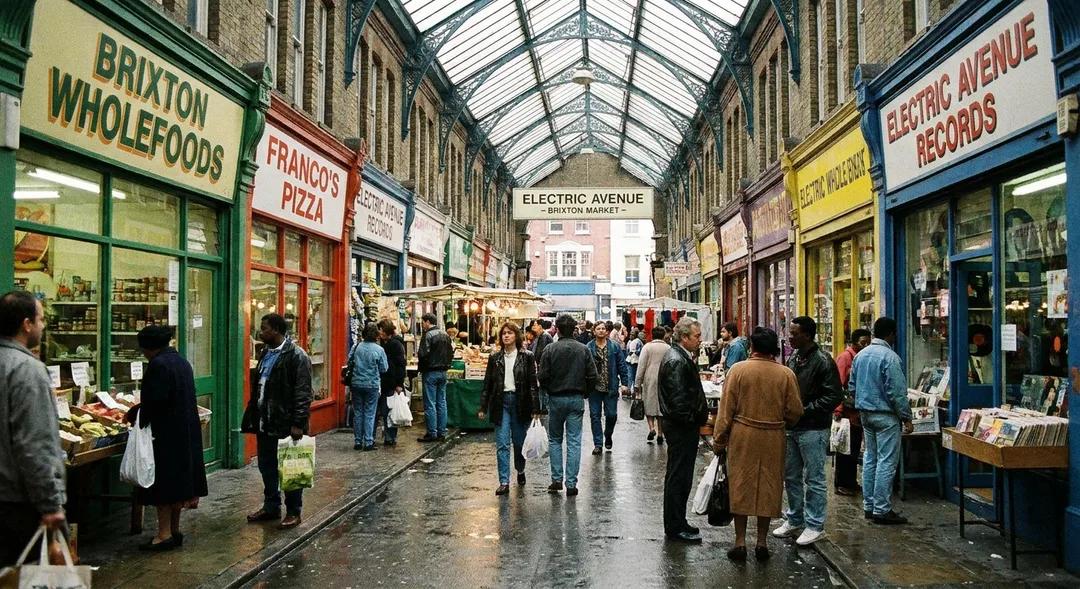
Grassroots Heritage and Contemporary Community Printmaking
Browsing independent print spaces in Brixton offers a cultural experience deeply informed by neighborhood history. Independent book collectives, cultural community centers, and covered market stalls showcase zines that prioritize community empowerment, immigrant narratives, and social justice. These publications stand as living testaments to Brixton's enduring role as a beacon of progressive British culture.
The historic connection between local community organizing and small-scale publishing remains palpable across the district. From the civil rights broadsides and anti-racist newspapers distributed here in decades past to today's youth-led risograph collectives, print has consistently served as an essential tool for community cohesion and public debate throughout Brixton.
A unique strength of the Brixton independent publishing community is its deep commitment to grassroots archival preservation. Several neighborhood print venues curate dedicated lending archives where out-of-print activist pamphlets, historic carnival programs, and vintage community newspapers can be studied on site. These fragile documents provide an invaluable primary source for local historians and younger generations eager to understand the district's social milestones.
Visiting these independent print counters introduces readers to an unpretentious, deeply welcoming community ethos. Bookshop operators frequently act as neighborhood cultural custodians, eager to discuss the origins of a particular grassroots project or highlight works produced by local youth workshops. The transactional nature of commercial shopping dissolves into meaningful cultural exchange.
Consignment practices in Brixton actively support underrepresented voices, ensuring that self-published writers, radical historians, and emerging illustrators have a direct platform to reach enthusiastic audiences. Proceeds from sales frequently circulate back into community print workshops, funding free paper and ink for neighborhood youth storytelling initiatives.
Grassroots creative workshops conducted in community spaces near Coldharbour Lane regularly introduce local teenagers to the fundamentals of DIY publishing. By teaching young people how to storyboard personal experiences, carve linoleum printing blocks, and hand-bind physical booklets, these initiatives ensure that Brixton's independent storytelling legacy continues to renew itself across generations.
The visual environment of Brixton book spaces combines warm timber shelves with bold community artwork, vibrant fabric accents, and historical event posters. This lively setting provides an inspiring atmosphere where every stapled pamphlet feels charged with authentic local resonance and artistic integrity.
Themes of Heritage, Caribbean Culture, and Urban Resilience
The content discovered across Brixton zine displays reflects the rich multicultural tapestry of South London. Publications celebrating Windrush generation histories, Caribbean culinary folklore, and South London sound system culture occupy cherished positions, preserving precious oral histories through handcrafted typography and evocative archival imagery.
Multilingual storytelling holds an essential place across Brixton zine shelves. Reflecting the cosmopolitan fabric of South London, self-published chapbooks often juxtapose English text with Caribbean Creole, West African folklore, and Portuguese poetry. This rich linguistic interplay honors the diverse cultural heritages that shape everyday neighborhood dialogue and community life.
In addition to written texts, Brixton small presses produce vibrant silkscreened broadsides and risograph art posters that adorn the walls of community cafes and cultural spaces. Printed on heavyweight recycled sugar paper using vibrant water-based pigments, these striking graphic works blend bold typography with powerful social commentary, creating accessible art intended for everyday public display.
Bilingual poetry chapbooks and spoken-word anthologies represent another vital cornerstone of local publishing. Young poets writing in Patois, Spanish, Portuguese, and vernacular London English capture the cadences of street life, transforming everyday observations into poignant, rhythmic literature bound within folded paper.
Handmade visual zines exploring local architecture and changing streetscapes provide thoughtful commentary on contemporary urban development. Illustrators document beloved market stalls, Victorian railway arches, and historic murals along Coldharbour Lane, creating visual tributes to the neighborhood's enduring identity.
DIY music fanzines celebrating dub, reggae, post-punk, and South London electronic music also find enthusiastic shelf space. Featuring interviews with vinyl record shop owners, retrospective accounts of legendary basement parties, and hand-cut collages, these fanzines chronicle the subcultural vitality of the area.
Educational mini-zines focusing on mental wellness, community gardening, and tenants' rights offer practical guidance for everyday living. Distributed at modest costs, these accessible publications embody the founding ethos of zine culture: practical knowledge shared freely among neighbors.
Navigating Your Brixton Self-Guided Print Itinerary
A self-guided walking route focused on Brixton's independent print treasures unfolds smoothly from the Brixton underground station. Stepping out onto Electric Avenue brings you immediately into the lively rhythm of market commerce, with historic arcades and pedestrian avenues branching toward Coldharbour Lane and Windrush Square.
Mid-morning on weekdays or early Saturday afternoons offer wonderful opportunities for leisurely exploration before market corridors reach peak density. Natural light streams across open-air stalls and book alcoves, inviting unhurried browsing. After selecting a handful of meaningful chapbooks, the tranquil open lawns of nearby Brockwell Park or Windrush Square provide peaceful outdoor reading spaces.
Gentle handling of delicate handmade editions shows appreciation for the craftsmanship invested by local creators. Because many zines feature hand-pressed linocut covers, delicate stitching, or risograph textures, treating sample copies with care ensures they remain pristine for future community readers.
To coordinate your journey between historic cultural monuments, community print counters, and neighborhood cafes, the Karpo APP provides intuitive city-walking assistance. The platform helps curious explorers plan pedestrian loops, curate architectural points of interest, and discover London's diverse neighborhoods with confidence.
Along your walking path, observe the vibrant interplay between Brixton's Victorian commercial architecture, iconic railway arches, and dynamic public murals. The built environment reflects the rich community resilience mirrored in the heartfelt literature found on independent zine tables.
Concluding your Brixton print tour while enjoying a traditional snack at a neighborhood bakery offers a moment to reflect on your discoveries. Engaging with the authentic voices, bold illustrations, and community pride preserved in independent zines highlights why Brixton continues to inspire London's creative landscape.
Ask Karpo for more information.
Keep reading
- Brixton Vintage Thrift Shop Finder: South London Retro Gems
 Notting Hill Vintage Thrift Shop Finder: Preloved Rails
 Soho Vintage Thrift Shop Finder: West End Designer Archives