 Brixton Vintage Thrift Shop Finder: South London Retro Gems
Hidden Gems & Odd Finds
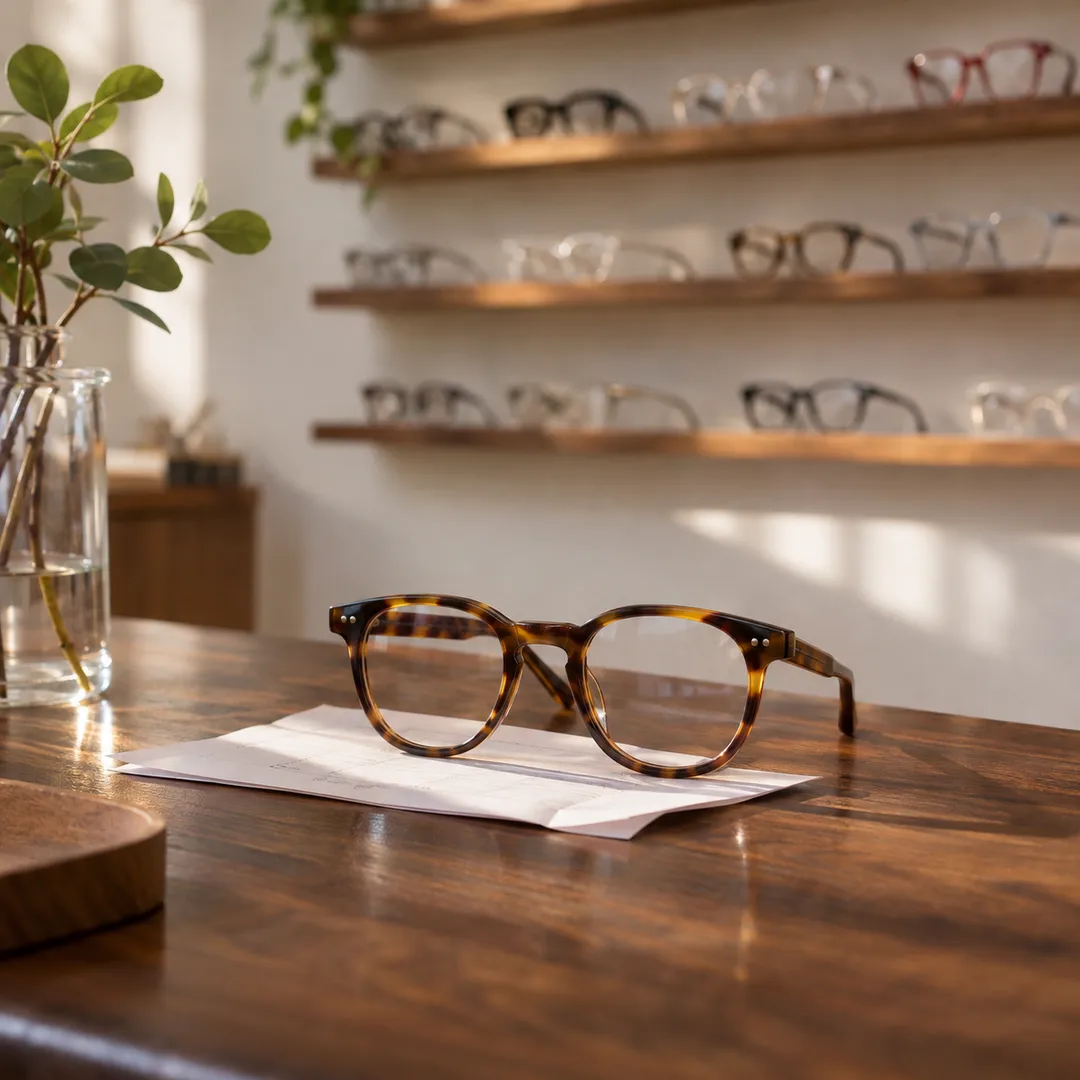
Marylebone Independent Eyewear Shop Finder After an Eye Test
Fresh from an eye test in Marylebone? Take your prescription to the small independent opticians nearby, try frames with patient staff, then decide by the park.
An eye test tells you what your eyes need, but it says nothing about what your face wants to wear for the next few years. Marylebone is one of the easiest places in London to close that gap. The village around Marylebone High Street has long been tied to eye care, with clinics and consulting rooms on the streets around Harley Street, and it has kept a cluster of small independent opticians who still fit glasses by hand. This finder shows how to carry a fresh prescription from the test chair to a frame you actually like, without rushing the choice.
Why Marylebone Works for a New Prescription
Most high street chains sell glasses as a quick add-on after the test. The independent opticians around Marylebone treat the frame as the main event. Many are run by an optician who also does the fitting, so the person who measures your face is the same person who suggests shapes. That continuity matters when your prescription has changed, because a stronger lens can look and feel very different in a frame that suited your old one.
The area is also compact. You can walk between several small shops on the High Street, Marylebone Lane and the quiet streets off Moxon Street in a few minutes, so comparing three or four places in one morning is realistic. The pace is calm, the shops are rarely crowded, and staff tend to expect people who want to take their time.
Bring the Right Paperwork From Your Test
Ask for a printed copy of your prescription before you leave the test, even if the clinic offers to email it. Independent opticians will want to see the sphere, cylinder and axis numbers for each eye, plus any reading addition if you are moving into progressives. Ask the tester to note your pupillary distance too, since some clinics measure it but do not write it down unless asked.
If you wear contact lenses, bring that prescription separately, because it is not the same as a glasses prescription. Bring your current glasses as well. A good optician will look at what you wear now, ask what you like and dislike about it, and use that as the starting point. It saves a lot of guesswork in front of the mirror.
Tell the Optician How Your Eyes Changed
Start the conversation with what the test found rather than with a frame you saw in the window. A bigger jump in short sight means thicker edges on the lenses, which usually looks neater in a smaller, rounder frame. A new reading addition points you towards frames with enough depth for the lens to fit a reading zone at the bottom. Strong astigmatism can make very wide frames feel odd at the edges.
Independent opticians are good at explaining these trade-offs plainly. Ask them which shapes will keep your lenses slim and which will make them heavy. Ask whether a thinner lens material is worth it for your numbers. The aim is to narrow the wall of frames down to a short list that will work with the prescription before you start judging looks.
Try Frames Slowly and in Daylight
Once you have a short list, try each frame for longer than feels natural. Put it on, look away from the mirror, talk to the optician for a minute, then look back. First impressions in a mirror are often wrong, especially when you are used to an old pair. Ask to step near the front window so you can see the colour of the acetate or metal in daylight rather than under shop lights.
Bring a friend if you trust their eye, or take a few photos from arm's length so you can compare later. Pay attention to small physical details too: whether the bridge sits evenly on your nose, whether the arms press behind your ears, and whether your eyebrows sit just above the top rim. Those details decide whether you will reach for the glasses every day.
Ask About Fit and Adjustments
One of the main reasons to buy from a small optician is the fitting. Ask how they will adjust the frame when the lenses arrive, and whether you can come back if the glasses slip or pinch after a few days. Many independents expect a second visit and treat small tweaks as part of the service. That ongoing relationship is hard to get from a busy chain counter.
If you are moving into progressives for the first time, ask the optician to explain how to use them: look through the top for distance, drop your eyes rather than your head to read, and expect a short adjustment period. Ask what to do if you still feel off balance after a couple of weeks. A clear answer is a good sign about the shop.

Look Beyond the Big Brand Names
Independent eyewear shops in Marylebone often stock small makers from France, Japan, Denmark and Britain alongside a few familiar names. Ask the optician what they would wear themselves and why. Often the answer is a quieter label known for good hinges, well finished acetate or very light titanium. These frames rarely shout, which suits a village where people dress well but understated.
Some shops also carry vintage or deadstock frames that can take new lenses. If you like the idea of an older shape, ask whether a particular frame is strong enough to glaze with your prescription. A careful optician will tell you honestly if a delicate vintage piece is better kept for sunglasses or for a weaker lens.
Plan the Morning Around Two or Three Shops
Trying more than three shops in one go usually ends in confusion. A better plan is to visit two or three in the morning, note your favourite frame in each, and stop. Start at the north end of Marylebone High Street and work south towards Wigmore Street, dipping into side streets as you go. The walk is short and flat, so it suits anyone recovering from dilating drops.
If your test involved drops, wait until your vision feels normal before judging frames. Dilated pupils make bright shop lights uncomfortable and blur near detail. A coffee on the High Street or a short sit down in one of the small garden squares is a sensible pause before you start trying things on.
Take the Short List to Regent's Park
Once you have a short list, walk north to Regent's Park. It is a few minutes from the top of the High Street and gives you space to think without a mirror or a salesperson nearby. Look at your photos on a bench in the Avenue Gardens or by the boating lake, and ask yourself which frame you would still choose on a tired Monday morning.
Many people find that the bold frame they loved in the shop feels less certain in the open air, while a quieter frame keeps coming back to mind. That second frame is usually the right one. If you are still undecided, there is no harm in going home and returning another day. Good independent opticians will hold a frame for you.
Who Uses Marylebone Opticians
On a typical weekday you will see a mix of people in these shops: patients coming from appointments on Harley Street, office workers on a lunch break, older residents who have used the same optician for years, and visitors who prefer a calm shop to a busy one. Staff tend to know their regulars by name and remember what they wore last time.
That loyalty is useful to you as a newcomer. Ask how long the shop has looked after a particular customer type, such as people with strong prescriptions or first time progressive wearers. An optician who handles many similar cases will spot problems early and make sensible suggestions about lens options and frame shapes.
An Honest Note on What to Skip
Skip the temptation to buy the most dramatic frame in the shop just because it is new and exciting. Big oversized shapes can look striking, but with a stronger prescription they magnify or shrink your eyes more and often feel heavy by mid afternoon. If you want something bold, choose a strong colour in a moderate size instead.
Also skip buying on the day of a difficult test result if you feel unsettled. A big change in your eyes can be a lot to take in, and frames are easier to choose with a clear head. Give yourself a day or two if needed. The prescription will still be valid, and the shop will still be there.
If It Rains or the Shops Are Busy
Marylebone is pleasant in the rain because the shops are close together and the side streets are quiet. If one optician is busy with a long fitting, do not wait at the counter for half an hour. Note the frames you want to try, walk to the next shop, and come back. Most independents would rather book you a proper slot than rush you.
If the weather is too wet for the park, sit in a cafe on Marylebone Lane or browse a bookshop nearby while you think it over. Daunt Books on the High Street is an easy indoor pause. The main thing is to put a little distance between trying frames and choosing one.
Use the Karpo APP to Find More Opticians
If you want to see more independent eyewear shops near Marylebone before you go, the Karpo APP can help you find opticians and frame shops close to where you are and plan a short walking route between them. It is useful if your test is somewhere else in central London and you want to know which small shops are within an easy walk.
However you plan it, the formula is simple. Bring the full prescription, start with what changed in your eyes, try a short list slowly, walk to the park to think, and only then decide. A new prescription is a good excuse to find glasses you love, not just glasses that work.
Ask Karpo for more information.
Keep reading
- Brixton Vintage Thrift Shop Finder: South London Retro Gems
 Notting Hill Vintage Thrift Shop Finder: Preloved Rails
 Soho Vintage Thrift Shop Finder: West End Designer Archives