 Marylebone Coffee Shop Finder: Village Cafes and Espresso
Coffee & Dessert
Covent Garden Independent Coffee Tasting Trail Walk
Navigate Covent Garden on an independent coffee tasting trail, linking historic piazza arcades with hidden Seven Dials single-origin pour-over bars.
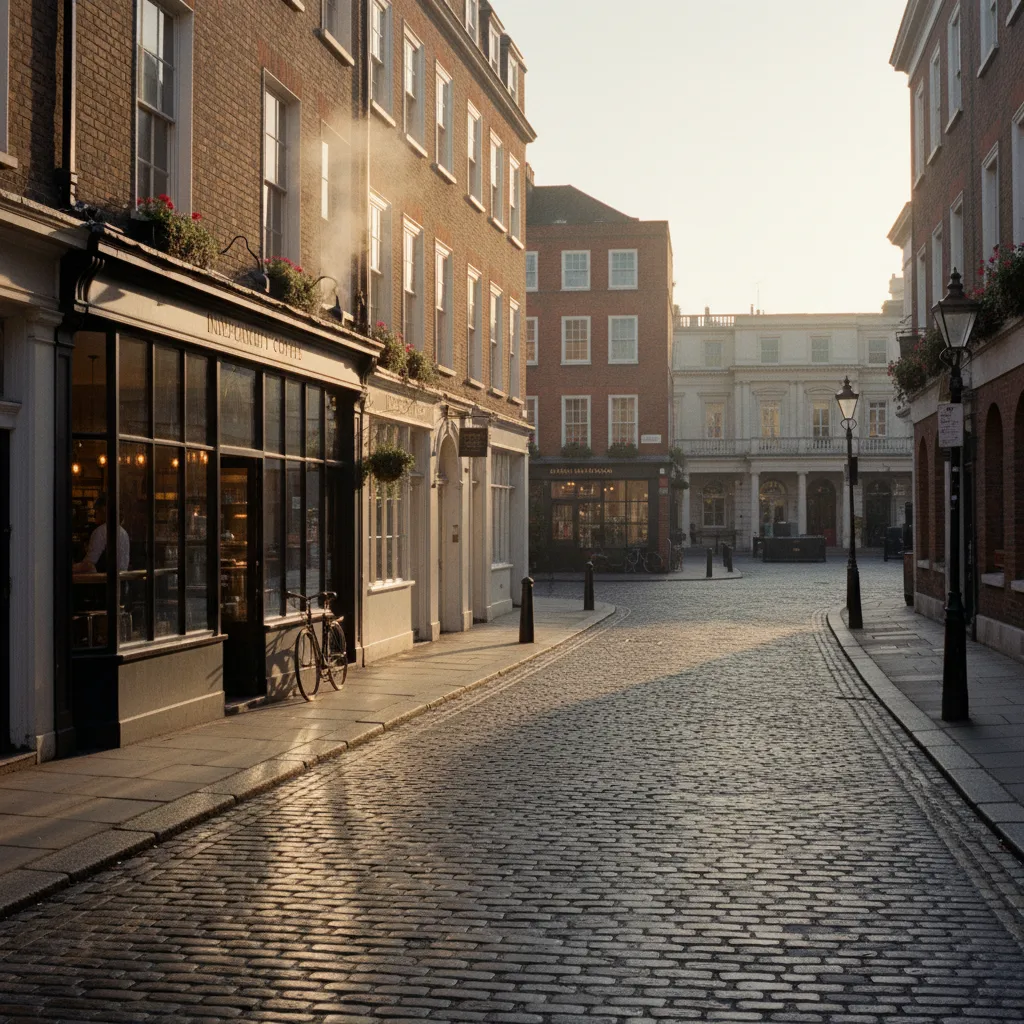
Early morning light breaks across the neoclassical arcades of Covent Garden, illuminating centuries-old cobblestones before the West End theatre crowds begin their afternoon surge. While the central piazza remains world-renowned for street performance and historic retail market halls, the labyrinth of surrounding side streets shelters one of London's most sophisticated independent specialty coffee tasting corridors. Navigating an independent coffee tasting trail across this historic precinct reveals tucked-away roaster counters, multi-origin pour-over bars, and intimate standing espresso stations where baristas dial in exceptional seasonal harvests. Turning to the Karpo APP provides conversational neighborhood context and curated district walking recommendations, making it straightforward to connect quiet courtyards, Victorian passages, and artisan brew bars during your morning walk.
Historic Arcades and Morning Piazza Roastery Culture
Wandering away from the main Piazza toward Floral Street brings coffee enthusiasts into quiet pedestrian passages where the aroma of freshly ground Ethiopian and Colombian beans drifts through open doorways. Local roasters occupying these historic brick storefronts prioritize transparency in sourcing, spotlighting microlots from high-altitude estates across East Africa and Latin America. Stepping up to a tiled espresso bar around eight in the morning provides a front-row view of dialed-in twin grinders, gleaming lever-pull machines, and calibrated weighing scales operated by skilled baristas. The atmosphere in early morning remains quiet and conversational, allowing visitors to discuss flavor profiles, washing processes, and brewing ratios before the neighborhood shifts into commercial bustle.
Specialty coffee establishments throughout Covent Garden frequently structure their morning offerings to highlight contrasting flavor profiles through paired espresso tastings. Ordering a split-shot presentation allows visitors to sample the same single-origin lot pulled both as a concentrated espresso and as a silky, milk-integrated flat white. This approach illuminates how micro-foamed dairy enhances natural caramel and cocoa sweetness while softening vibrant citric acidity. Standing along the narrow zinc counters, visitors encounter a mix of neighborhood architects, early-shift lighting technicians, and design professionals who treat these specialty counters as essential creative waypoints. The deliberate pacing encourages mindful sipping, letting delicate notes of bergamot, stone fruit, and jasmine unfold as the beverage cools naturally.
Seven Dials Dial-In and Pour-Over Bar Precision
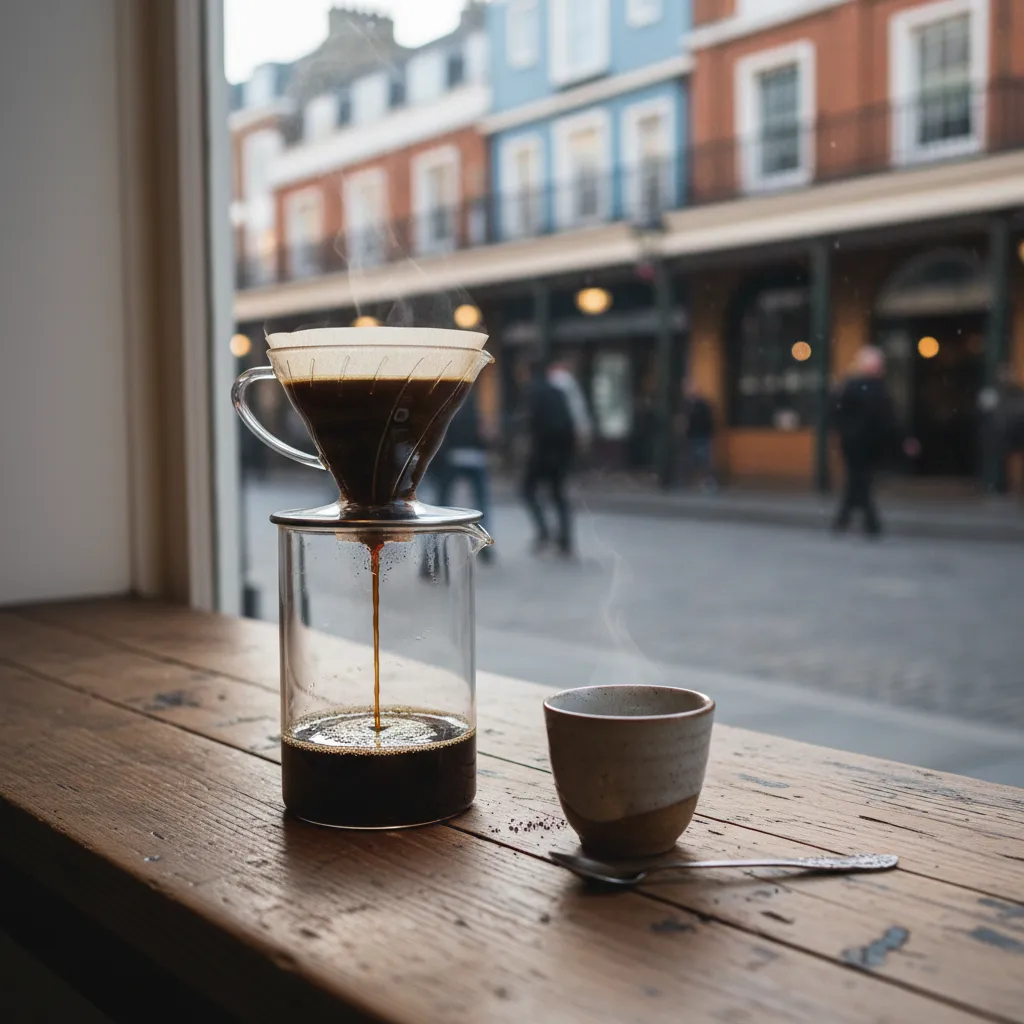
Following the gradual northward slope toward the Seven Dials monument leads into a network of radiating lanes famed for artisan boutiques and dedicated slow-bar coffee spaces. Here, specialty cafes celebrate manual filter brewing techniques, setting aside dedicated bar space for precision flat-bottom drippers and conical ceramic V60 apparatus. Water chemistry receives meticulous attention, with mineral-tuned filtration systems calibrated specifically to extract delicate floral aromatics and sparkling sweetness from high-density washed beans. Pulling up a stool at an open slow bar offers an immersive vantage point as hot water pours in concentric circles, blooming freshly ground coffee into a fragrant crust that releases vibrant citrus and honey notes.
Ordering a seasonal pour-over flight in Seven Dials introduces discerning drinkers to the profound impact of varietal and processing innovation on cup clarity. Flights often present naturally processed lots dried slowly inside raised African beds alongside honey-processed and experimental anaerobic micro-lots. Tasting these preparations side by side reveals distinct textural contrasts, shifting from tea-like clarity to viscous, winey berry depths. Baristas provide printed flavor cards specifying farm elevation, harvest months, and producer names, bridging the distance between distant mountain soils and London tasting cups. This educational emphasis transforms a simple caffeine stop into an enriching exploration of agricultural craftsmanship and meticulous roasting profiles.
Quiet Courtyards and Filter Stops Along Neal Street
Diverging from the radial spokes of Seven Dials into the whimsical perimeter of Neal's Yard reveals timber-framed facades painted in bright Mediterranean pigments and sheltered courtyards. Hidden beneath climbing ivy and tucked behind sustainable fashion storefronts, compact coffee bars offer shaded bench seating ideal for mid-morning savoring. The secluded square creates a natural sound buffer, muting urban traffic into a gentle background murmur of clinking ceramics and hiss from steam wands. Patrons linger across weathered wooden benches, enjoying crisp morning breezes while sipping cleanly extracted batch brews made from washed Kenyan beans exhibiting blackcurrant and grapefruit notes.
Batch brew counters along Neal Street demonstrate that quick-service filter coffee can achieve extraordinary quality when prepared in small thermal urns with rigorous temperature control. Choosing a batch brew offers an approachable, affordable route to discovering pristine single-origin roasts, allowing commuters and neighborhood wanderers to grab exceptional filter cups without waiting through lengthy manual pour times. The brisk turnover ensures that carafes remain fresh, delivering vibrant cup brightness and clean finishes from first sip to last drop. Sitting beneath the historic timber balconies while sampling small-batch pastries baked with organic British grains completes an idyllic morning ritual before continuing along the trail.
Sensory Pacing and Palate Cleansing Across Stops
Embarking on a multi-stop coffee tasting trail requires thoughtful sensory discipline to prevent palate fatigue and maintain an appreciation for subtle aromatic distinctions. Experienced tasters make a practice of drinking generous glasses of still or sparkling water between establishments to cleanse lingering oils and reset taste receptors. Alternating between dense espresso extractions and lighter filter preparations maintains sensory balance, preventing the palate from becoming overwhelmed by heavy sweetness or concentrated acidity. Pacing your walk across two to three hours allows natural digestion and lets each roast profile leave its distinctive impression before introducing new sensory inputs.
Observing tasting etiquette within compact London specialty coffee bars ensures an enjoyable experience for both guests and hard-working hospitality crews. During busy midday peaks, keeping orders straightforward and moving away from narrow pickup counters ensures smooth customer movement and clear sightlines for baristas. Taking a moment to appreciate the dry fragrance of freshly ground beans when invited by the barista demonstrates respect for the craft without delaying operational workflows. Carrying reusable tasting cups or requesting ceramic service for drink-in consumption aligns with the sustainable ethics shared by independent roasters throughout the West End corridor.
Monmouth Street Heritage and Roasting Evolution
Walking southwest along Monmouth Street connects modern specialty innovation with the foundational roots of London's third-wave coffee renaissance. This narrow avenue has served as a benchmark for conscientious green bean sourcing and transparent direct trade partnerships for decades. Victorian shopfronts along the pavement retain classic louvered timber windows, brass lettering, and rustic wooden communal tables that have hosted generations of coffee professionals. The enduring commitment to sourcing excellence continues to inspire younger roasting outfits across the capital, cementing Covent Garden's historic reputation as an epicenter of coffee culture.
Conversations around communal tables on Monmouth Street frequently center on evolving consumer preferences toward lighter roast profiles that preserve terroir and origin characteristics. Rather than masking green bean qualities behind heavy caramelization, local roasters celebrate the distinct acidity of high-elevation African terroirs and the refined sweetness of Central American washed coffees. The resulting cups exhibit clean, refreshing finishes that redefine expectations for London coffee lovers accustomed to traditional dark Italian roasts. Imbibing coffee within these storied rooms bridges historic mercantile trade traditions with cutting-edge extraction science, creating a deeply rooted sense of culinary continuity.
Afternoon Pedestrian Circuits and Architecture Along Floral Street
Transitioning from morning tastings into an afternoon architectural stroll, the pedestrian-friendly brick pavers of Floral Street offer a delightful link toward Covent Garden Tube station. The street features dramatic glass pedestrian skybridges connecting historic Royal Opera House facilities with classical terrace buildings above the roadway. Pausing outside heritage storefronts, travelers can examine ornate cast-iron lamp brackets and nineteenth-century brickwork that frame modern retail fashion flagships. The gentle incline toward King Street allows an unhurried, scenic passage where sensory reflections on the day's roasts blend harmoniously with appreciation for Victorian urban design.
Venturing westward along King Street toward St Paul's Church brings walkers to the tranquil portico known affectionately as the Actors' Church. The secluded garden courtyard offers lush lawns, shaded stone benches, and memorial plaques commemorating legendary British stage and screen performers. Resting under the canopy of mature plane trees while enjoying a final takeaway filter brew provides a serene conclusion to your walking itinerary. This tranquil pocket of historic stillness stands in captivating contrast to the vibrant theatrical plazas just steps away, highlighting the diverse textures that define central London exploration.
Transit Connections and Exploring with Karpo APP
Reaching the Covent Garden independent coffee tasting corridor is remarkably effortless via central London's extensive Underground and bus transit networks. Covent Garden station on the Piccadilly Line sits directly at the heart of the pedestrian shopping zone, though Leicester Square on the Northern Line provides a convenient alternative that avoids lift queues during peak weekend hours. Bus services along Strand and Charing Cross Road offer scenic upper-deck travel options, depositing visitors within a brief five-minute stroll of key roastery doors. Sheltered pavement canopies and pedestrianized zoning ensure seamless walking even during classic overcast British weather.
When planning your morning in Covent Garden, asking the Karpo APP for curated neighborhood insights offers helpful conversational recommendations for framing your walk around historic open spaces and independent roasters. The digital companion suggests memorable pedestrian corridors between Seven Dials, Neal's Yard, and the central piazza, helping you pair coffee breaks with nearby architectural landmarks, quiet garden benches, and seasonal market stalls. Rather than rushing across busy shopping thoroughfares, consulting conversational neighborhood guides provides steady orientation for an unhurried cultural morning in the heart of London.
Ask Karpo for more information.
Keep reading
- Marylebone Coffee Shop Finder: Village Cafes and Espresso
 Fitzrovia Coffee Shop Finder: Quiet Central London Espresso
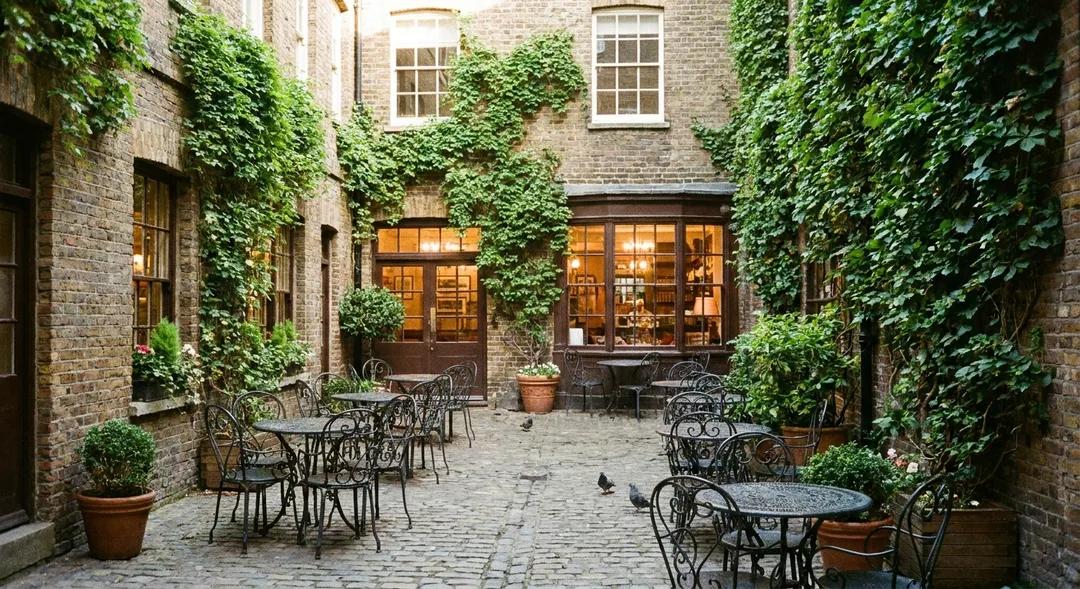 Covent Garden Coffee Shop Finder: Hidden Courtyard Cafes