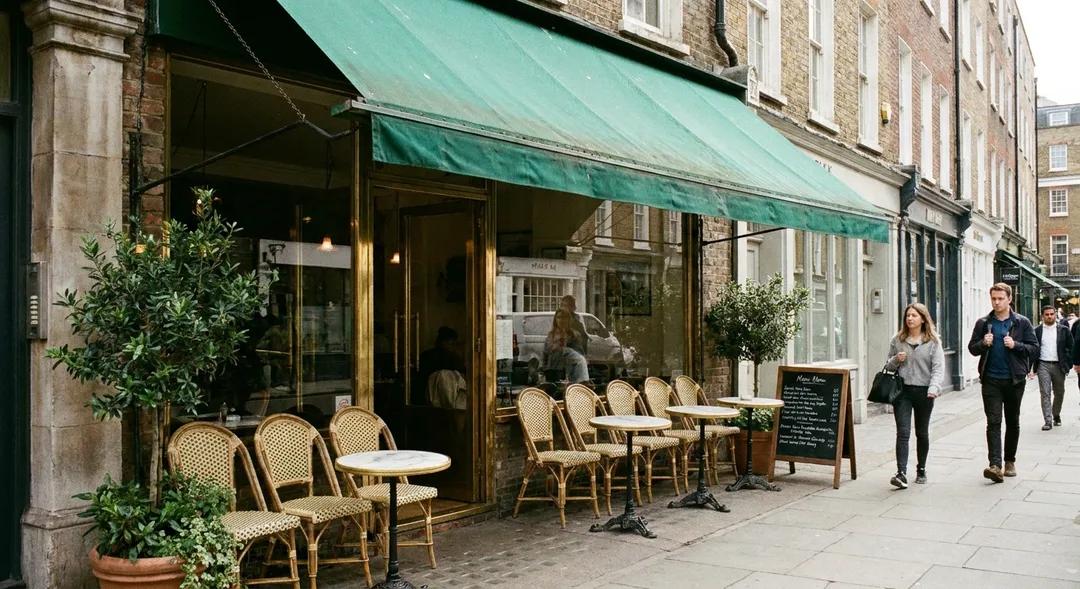
 Marylebone Coffee Shop Finder: Village Cafes and Espresso
Coffee & Dessert
Bloomsbury Independent Coffee Tasting Trail: Square Walk
Follow a Bloomsbury independent coffee tasting trail around Russell Square, discovering quiet academic lane espresso bars and filter counters.
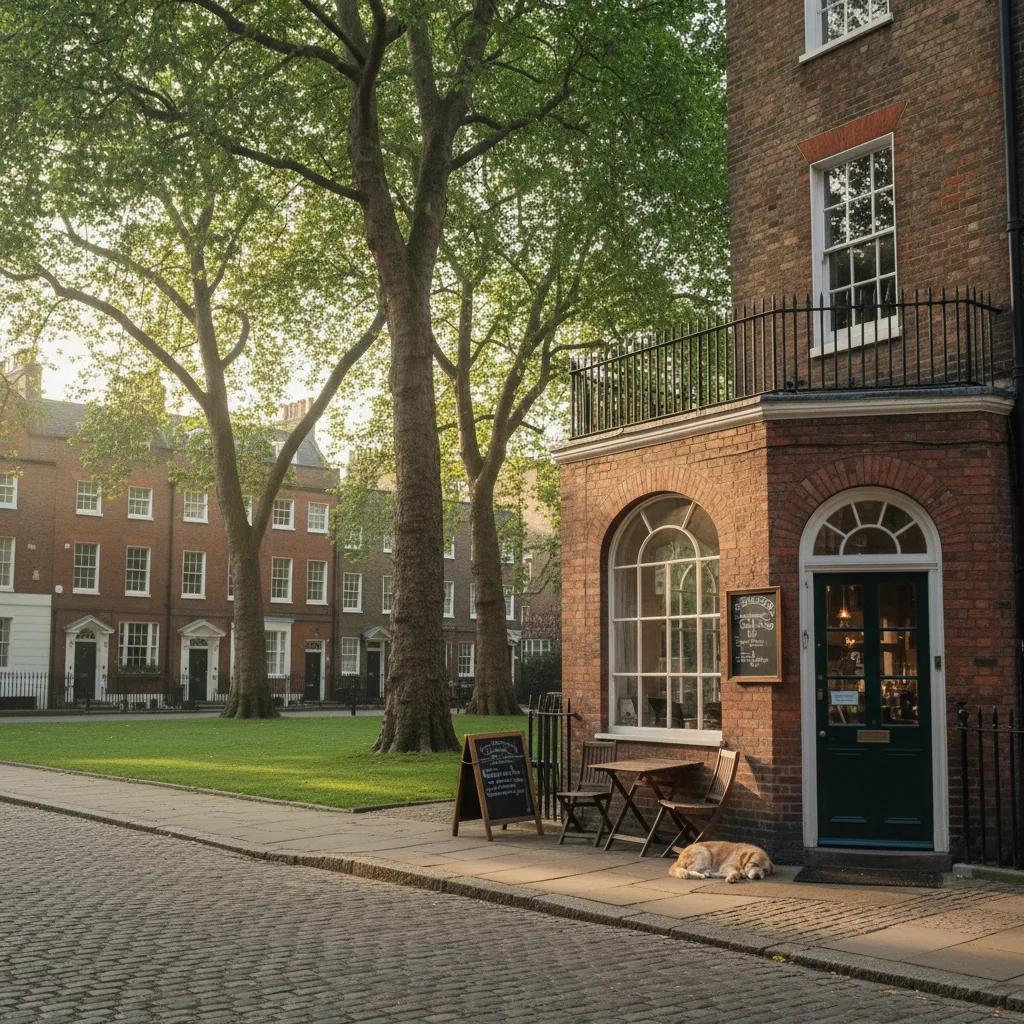
Towering London plane trees shade Russell Square and the surrounding academic enclaves of Bloomsbury, fostering a reflective neighborhood atmosphere uniquely suited to slow specialty coffee appreciation. Renowned for its literary heritage, historic university faculties, and neoclassical museum facades, this central London district offers an independent coffee tasting trail rich in thoughtful craft and tranquil outdoor pauses. Rather than prioritizing frenetic turnover, Bloomsbury's artisan coffee houses cultivate unhurried spaces where single-origin filter brews and balanced milk drinks are savored alongside printed manuscripts and architecture monographs. Walking the trail guides visitors through historic pedestrian arcades, quiet garden squares, and brick mews where passionate micro-roasters extract pristine seasonal beans. Consulting the Karpo APP for conversational neighborhood recommendations provides rich historical context, making it seamless to pair independent coffee stops with restorative walks across nearby garden squares.
Garden Squares and Literary Neighborhood Coffee Settings
Bloomsbury's historic garden squares and broad neoclassical thoroughfares provide an intellectually stimulating backdrop for specialty coffee exploration. Winding south from Russell Square, travelers pass dignified Portland stone terraces that once sheltered prominent twentieth-century writers, philosophers, and social reformers. Today, modern micro-roasters occupy heritage street-corner venues, blending contemporary timber counters and warm lighting with original plaster moldings and wrought-iron window grates. The ambient room noise remains gentle and scholarly, punctuated only by the soft thrum of commercial espresso grinders and low-voiced academic debates over morning flat whites.
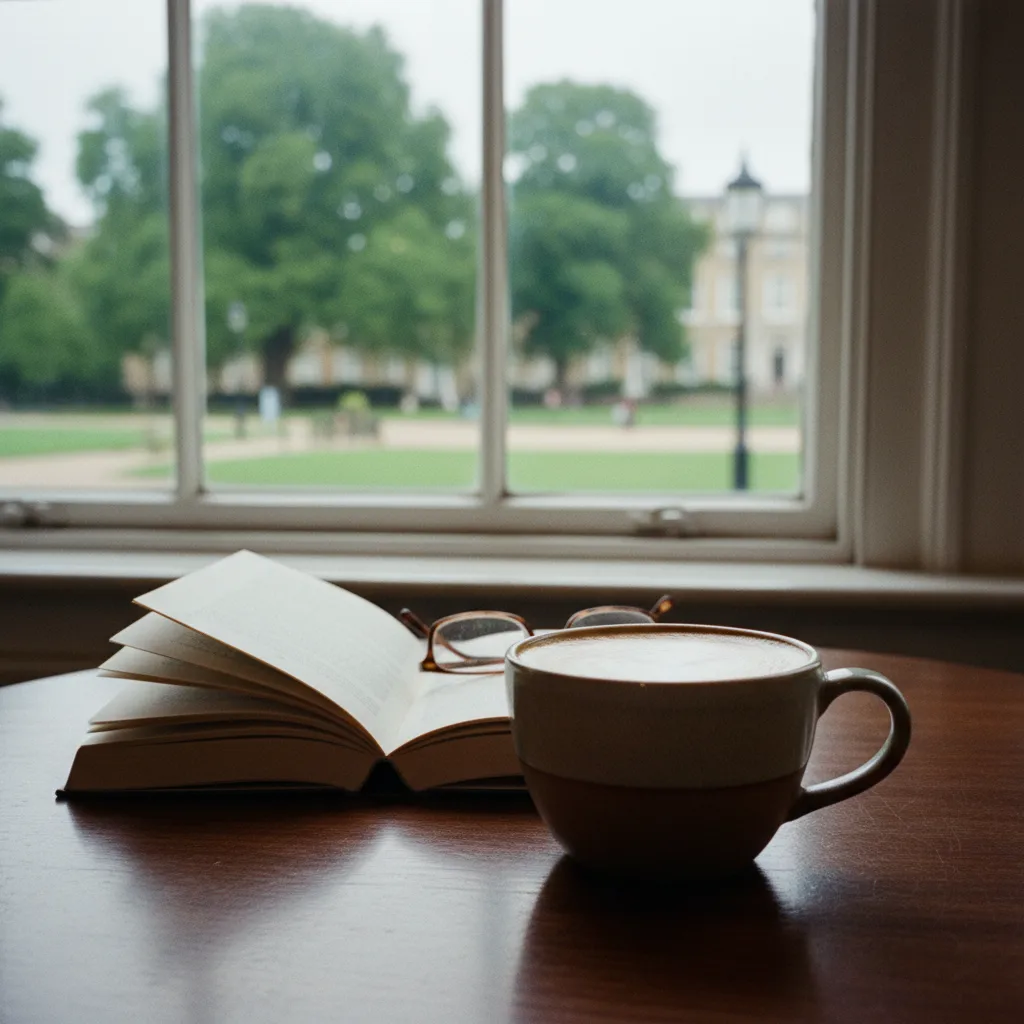
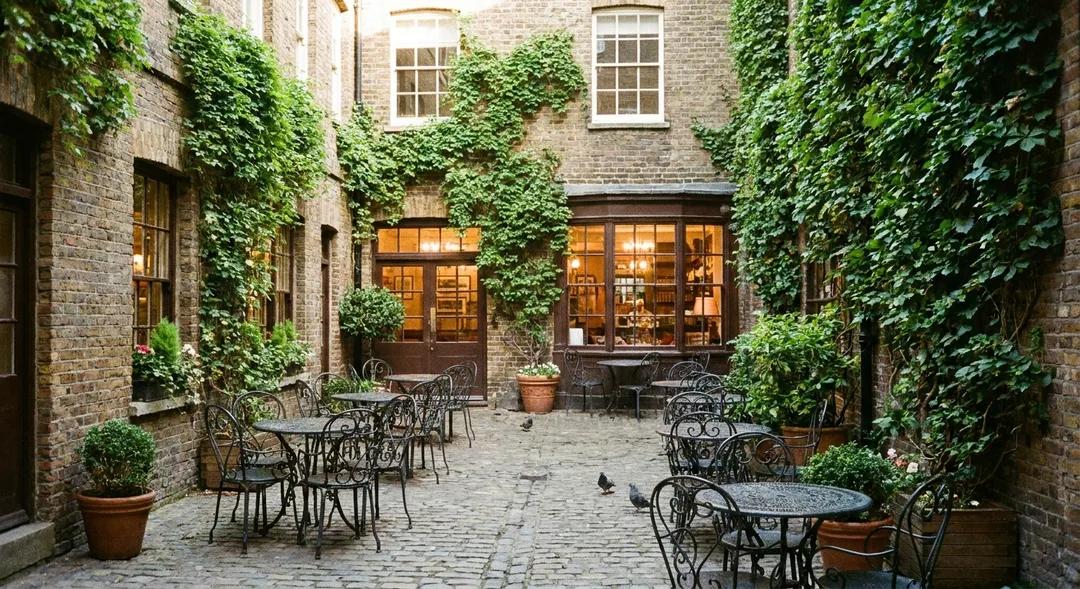
Independent cafes tucked into brick townhouses near university faculties feature expansive reading tables and quiet window nooks ideal for focused tasting. Customers frequently linger with notebooks or vintage paperbacks, creating an authentic community living room ambiance where rushing feels distinctly out of place. Baristas calibrate extraction parameters each morning to highlight the nuanced aromatics of washed Ethiopian and Kenyan beans, achieving radiant citric brightness and floral jasmine perfume. Sitting beside multi-pane sash windows while watching morning light filter through autumn foliage enhances the sensory enjoyment of meticulously extracted coffee.
Woburn Walk Heritage and Pedestrian Coffee Cut-Throughs
Strolling north toward Woburn Walk reveals London's first designed pedestrian shopping street, conceived in the 1820s by architect Thomas Cubitt. This exquisite Regency corridor features uniform bow-windowed shopfronts painted in glossy heritage black, adorned with classical pilasters, decorative fanlights, and gas-style street lanterns. Tucked along this pedestrian lane, specialty coffee counters offer sheltered outdoor cafe seating where visitors can sip warm brews while admiring historic nineteenth-century ironwork. The enclosed walkway shields pedestrians from commercial vehicle traffic, establishing an acoustic sanctuary that sharpens olfactory focus.
Boutique coffee bars set behind small-paned shop windows pull silky flat whites using custom-blended espresso beans roasted in small East London facilities. Blends typically unite washed Central American origins with naturally processed African coffees to deliver a harmonious profile of rich toffee sweetness, caramelized hazelnut, and delicate ripe blackberry. The steamed whole milk or oat base is textured to glossy micro-foam perfection, elevating sweetness without overpowering origin character. Savoring a handcrafted milk beverage while seated along Woburn Walk's historic flagstones offers an unforgettable glimpse into London's timeless urban charm.
Single-Origin Natural Lots and Brew Bar Dial-In
Micro-roasteries throughout Bloomsbury showcase exceptional natural-processed coffees from South American and African smallholders, celebrating intense fruit aromatics and wine-like complexity. Ripe cherries dried slowly under tropical sun on raised wooden beds develop elevated levels of natural sweetness and fruity esters that translate into extraordinary cup body. Local roasters roast these dense green coffees with delicate thermodynamic care, ensuring gentle caramelization that preserves sparkling acidity while avoiding roasty bitterness. The resulting cups offer vibrant flavor journeys marked by dried apricot, wild strawberry, and cocoa nib notes.
Comparative filter tastings along the bar reveal how processing methods transform bean density and volatile aroma compounds. Baristas often guide inquisitive guests through side-by-side tastings comparing washed, honey, and natural lots sourced from neighboring farms within the same micro-region. Drinking these brews through ceramic sensory cups illuminates how washed processing emphasizes clean lemon verbena and stone fruit, whereas natural processing highlights heavy berry jam and velvety dark chocolate. These sensory demonstrations bridge distant agricultural landscapes with Bloomsbury's rich tradition of empirical learning and culinary inquiry.
British Museum Perimeter and Academic Morning Rhythms
Approaching the grand colonnaded facade of the British Museum brings travelers into quiet residential side streets where academic life thrives in harmony with craft coffee. Great Russell Street and adjacent lanes feature independent bookshops specializing in antiquarian prints, oriental art, and classical archaeology. Coffee bars nestled along these corridors cater thoughtfully to museum curators, visiting scholars, and international literature enthusiasts seeking restorative refreshment. Morning queues move smoothly as patrons order takeaway batch brews or pull up high stools at outdoor window counters overlooking leafy museum courtyards.
Students, museum curators, and independent researchers frequent neighborhood espresso bars, creating a contemplative ambiance that celebrates focused creative work. Baristas maintain brisk yet cordial interactions, taking pride in providing perfectly extracted fuel for intellectual pursuits. Many cafes display rotating selections of specialty whole beans packaged with clear roast dates, elevation details, and producer bios, encouraging visitors to take home bags of freshly roasted coffee. Taking a brief pause outside museum railings with a hot filter coffee in hand provides a moment of grounding stillness before exploring world-famous archival treasures.
Slow-Bar Etiquette and Reading Corner Courtesies
Respecting the scholarly tranquility of Bloomsbury's specialty coffee rooms enhances the experience for every guest sharing these communal heritage spaces. When visiting during peak mid-morning hours, selecting seats that match your party size helps keep expansive tables open for communal study and conversation. Speaking at conversational levels and keeping phone audio muted preserves the library-like focus cherished by local residents and student researchers. Choosing to enjoy your coffee within in-house ceramic cups supports environmental sustainability while presenting the beverage at its intended thermal and sensory peak.
Baristas take immense pride in explaining bean traceability and farm elevation, welcoming questions during quiet afternoon hours when service naturally slows. Inquiring about grind calibration, water temperature curves, or recommended brewing devices often sparks enthusiastic, knowledgeable exchanges with passionate coffee professionals. Choosing to purchase a retail bag of roasted beans directly from the cafe supports fair trade supply chains and provides baristas with meaningful opportunities to share brewing recipes. This mutual respect elevates cafe visits from routine transactions into rewarding personal interactions.
Gordon Square Greenery and Contemplative Outdoor Bench Breaks
Taking a takeaway filter coffee into Gordon Square provides a peaceful outdoor interlude among mature ornamental trees and historic garden flower beds. Famous as the historic heart of the Bloomsbury Group's intellectual gatherings, the square features expansive lawns, winding gravel paths, and tranquil perimeter shrubbery. Resting upon weathered wooden benches beneath spreading sycamore branches allows coffee enthusiasts to cleanse their palate with fresh cool air while savoring the final drops of a clean batch brew. The gentle rustle of leaves overhead creates an acoustic haven far removed from London's bustling traffic corridors.
Historic commemorative plaques and weathered teak park benches offer peaceful places to rest and cleanse the palate between concentrated coffee tastings. Taking twenty minutes to stroll the perimeter of the square aids digestion and allows the palate to reset before moving toward subsequent roasters along the northern boundary. The visual harmony of classical brick townhouses framing verdant public lawns epitomizes Bloomsbury's enduring architectural grace. This leafy interlude highlights how central London's historic garden squares serve as essential outdoor extensions of neighborhood cultural life.
Bloomsbury Transit Links and Planning with Karpo APP
Navigating toward Russell Square is straightforward via Russell Square Underground station on the Piccadilly Line and nearby Euston and King's Cross terminals. The station's distinctive oxblood terracotta-tiled facade stands as an iconic landmark at the corner of Bernard Street, offering direct connections across central London and Heathrow Airport. Euston and King's Cross St Pancras stations lie within an easy ten-minute walk northward, connecting travelers to regional British rail and international Eurostar services. Numerous frequent bus routes serving Southampton Row and Euston Road provide comfortable surface transit across the neighborhood.
Taking advantage of the Karpo APP gives visitors conversational planning suggestions that connect Bloomsbury's specialty coffee counters with its tranquil garden squares and historic walkways. The conversational assistant offers district background and walking inspiration around Russell Square, Woburn Walk, and the British Museum perimeter, allowing you to pace each tasting stop alongside neighborhood architecture. Relying on conversational city recommendations helps you discover peaceful park benches and historic pedestrian lanes, creating a memorable, contemplative specialty coffee experience in central London.
Ask Karpo for more information.
Keep reading
- Marylebone Coffee Shop Finder: Village Cafes and Espresso
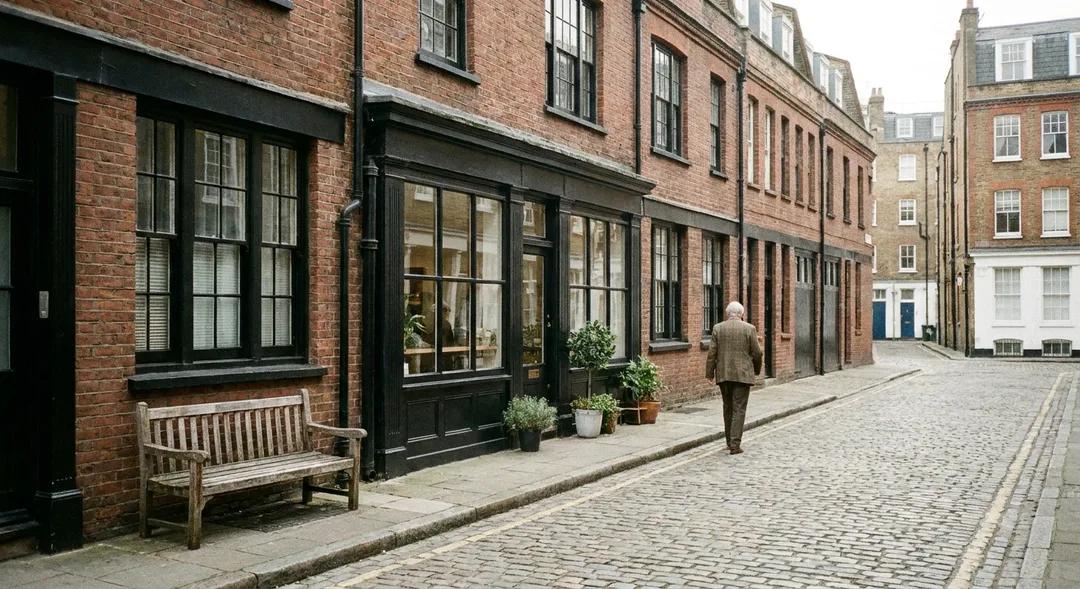 Fitzrovia Coffee Shop Finder: Quiet Central London Espresso
 Covent Garden Coffee Shop Finder: Hidden Courtyard Cafes