 Richmond Park Sunset Viewing Planner: Deer Meadow Horizons
Weekend Plans
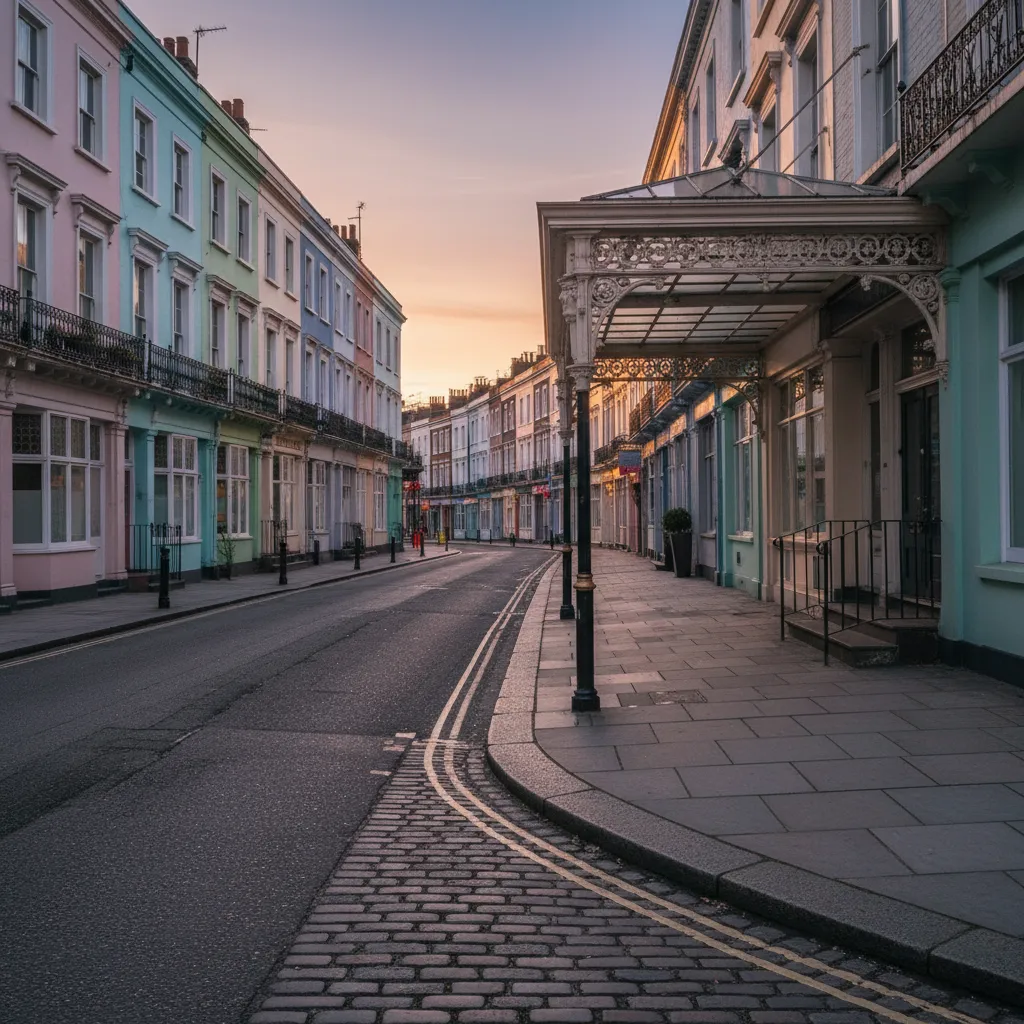
Notting Hill Independent Cinema Screening Finder: West Film
Track independent cinema screenings across Notting Hill. Discover Edwardian picture palaces, plush velvet armchairs, and curated international festival runs.
Notting Hill and West London preserve some of the grandest architectural expressions of early cinema culture anywhere in Western Europe. Along the world-famous antique corridor of Portobello Road and the lively transit hub of Notting Hill Gate, century-old picture palaces continue to illuminate silver screens with exceptional independent programming. The Electric Cinema on Portobello Road, opened in nineteen-ten inside an ornate Edwardian Baroque building, stands as one of Britain's oldest continuously operating film theatres, celebrated for its luxurious leather armchairs, footstools, and intimate foyer bar. Just uphill, The Gate Picturehouse at Notting Hill Gate, dating back to nineteen-eleven, boasts an Edwardian auditorium with gilded plaster mouldings and an international reputation for European arthouse premieres. Experiencing an independent film screening in Notting Hill combines peerless architectural romance with world-class curatorial standards.
Edwardian Architecture and Bespoke Viewing Luxury
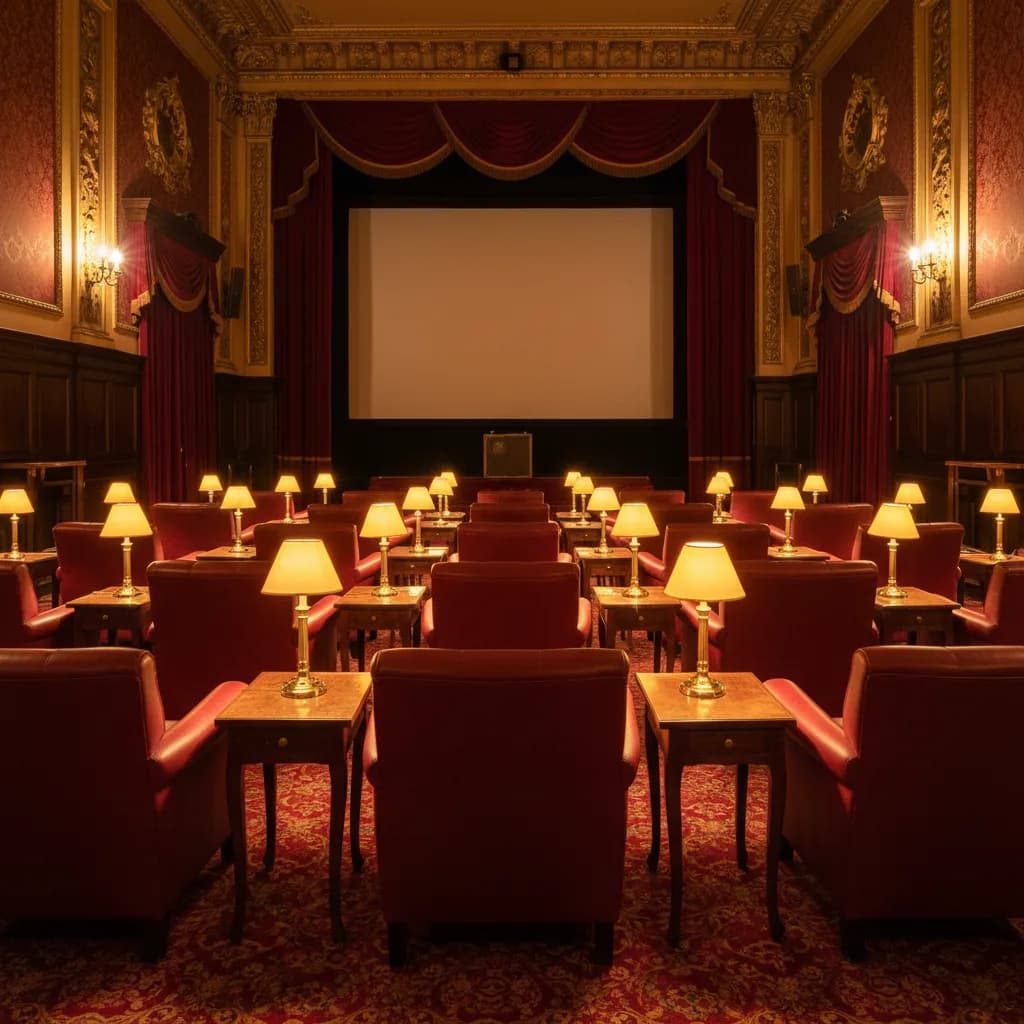
Crossing the threshold of a historic Notting Hill cinema constitutes an enchanting journey into the golden age of Edwardian picture palace design. Ornate plaster cornices, dramatic coffered barrel ceilings, and rich velvet proscenium drapes establish an atmosphere of timeless sophistication that modern multiplexes cannot duplicate.
The seating layouts within these West London heritage theatres redefine theatrical comfort. Instead of cramped stadium folding chairs, venues feature generously proportioned leather armchairs, private two-person velvet loveseats, and front-row leather double beds complete with individual cashmere blankets and brass reading tables.
Attentive in-auditorium service allows guests to enjoy sommelier-curated wines, classic cocktails, and artisan savouries before opening titles begin. House lighting dims gradually in harmony with original proscenium fixtures, signaling the commencement of an unhurried, luxury film screening.
Every architectural element has been painstakingly conserved under historic preservation guidelines, ensuring that original cast-iron radiators, mosaic floor tiles, and polished mahogany balustrades remain functional elements of daily cinema operations.
The interior design of the Electric Cinema celebrates the meticulous restoration of early twentieth-century decorative arts. The auditorium retains its historic proscenium arch, richly molded plaster cartouches, and ornate gilding, reflecting the civic optimism of the pre-war picture palace boom.
Discreet table lamps placed beside each leather armchair cast a gentle golden glow across individual side tables, allowing patrons to read program notes comfortably prior to the start of the feature presentation.
Repertory 35mm Celluloid and European Arthouse Runs
Despite their opulent appointments, Notting Hill's independent picturehouses maintain serious curatorial commitments to cinema history. Both The Gate Picturehouse and the Electric Cinema regularly project thirty-five-millimetre archival prints alongside modern digital releases, celebrating the irreplaceable photochemical richness and tonal depth of traditional celluloid.
Curatorial calendars place heavy emphasis on European auteur cinema, contemporary British independent voices, and restored festival gems. Film lovers can follow dedicated director retrospectives exploring the works of masters like Agnes Varda, Federico Fellini, Wim Wenders, and Michael Powell over consecutive weekend slots.
Midday matinee screenings offer serene, uncrowded viewing windows for retired residents, neighborhood artists, and visiting film enthusiasts who prefer immersing themselves in narrative cinema during quiet daylight hours.
Specialist film historians frequently introduce rare thirty-five-millimetre presentations, discussing the technical nuances of Technicolor dye-transfer processes, vintage aspect ratios, and the physical conservation challenges of preserving historical film stock.
Celluloid presentation remains an active priority at The Gate Picturehouse, where projectionists maintain specialized mechanical skills required to handle archival film prints with delicate care. Watching thirty-five-millimetre projections allows audiences to appreciate the subtle tonal graduations, rich shadow details, and natural grain structure that characterize photographic film.
Curators regularly collaborate with European film archives and international cultural institutes to secure rare prints of postwar art cinema classics, providing West London audiences with direct access to cinema history on the big screen.
Director Q and A Sessions and Festival Window Previews
Owing to Notting Hill's enduring connections with the British and European film industries, neighborhood screens routinely secure exclusive festival preview screenings and director discussion evenings. Acclaimed independent filmmakers and cast members frequently attend to introduce their latest features directly to discerning local audiences.
These intimate panel sessions offer rare behind-the-scenes insights into creative choices, casting journeys, and visual aesthetics, elevating an evening at the movies into an unforgettable cultural conversation.
Audience members receive opportunities to pose nuanced questions regarding thematic subtext, musical scoring collaborations, and distribution obstacles, establishing direct dialogue between creators and dedicated viewers.
Exclusive preview screenings hosted in Notting Hill frequently feature post-film question-and-answer panels with acclaimed directors, screenwriters, and leading actors. These intimate sessions provide audiences with candid insights into the challenges of independent film financing, casting processes, and visual world-building.
Audience participation during these panel events is thoughtful and informed, reflecting the deep cinematic literacy of the local neighborhood community.
Auditorium Acoustics and Optimal Sightline Selection
Historic architectural splendour does not compromise modern acoustic performance in West London's preserved auditoriums. Modern Dolby digital sound systems have been surgically concealed within century-old decorative plasterwork, delivering crisp dialogue reproduction and nuanced dynamic range while respecting historic building fabric.
Sightlines throughout both ground-floor stalls and upper balcony circles remain outstanding due to generous historic rake angles. Choosing seats near the acoustic center of the hall guarantees balanced stereo separation and ideal vertical viewing angles to the projection screen.
Calibrated acoustic baffling installed along rear auditorium walls prevents echo interference, allowing delicate ambient room whispers and intricate Foley sound effects to register clearly across every seating row.
Acoustic engineering in these historic venues is carefully tuned to optimize dialogue intelligibility without introducing harsh digital reflections. Soft upholstered wall drapes and heavy carpeting absorb stray audio flutter, ensuring an intimate, immersive listening environment across all seat selections.
Connecting Screenings with Portobello Cultural Walks
The immediate environs of Notting Hill's independent picturehouses offer endless opportunities for cultural exploration before and after showtimes. Portobello Road features world-renowned vintage markets, independent bookshops, and historic record stores that reward unhurried weekend wandering.
Historic pubs and cozy neighborhood bistros line the surrounding pastel-colored streets, providing atmospheric settings for post-film dinners and spirited debates regarding cinematography and screenplay structure.
With Notting Hill Gate and Ladbroke Grove Underground stations providing direct links via the Central, Circle, and District lines, accessing West London's premier independent cinema screens remains quick and dependable from all corners of the capital.
Evening strolls past Notting Hill's picturesque mews streets and communal garden railings offer tranquil contemplative space to process emotionally demanding narrative films before boarding homeward transit.
The cultural vitality of Portobello Road provides an ideal complement to an afternoon or evening film screening. Visitors can browse independent bookstores, antique arcades, and specialty coffee shops along the market street before heading to the cinema marquee.
Surrounding Victorian residential streets, lined with colorful stucco townhouses and mature plane trees, offer tranquil walking routes for leisurely post-film strolls through one of London's most picturesque quarters.
Ask Karpo for more information.
Keep reading
- Richmond Park Sunset Viewing Planner: Deer Meadow Horizons
 South Bank Sunset Viewing Planner: Thames Riverside Walks
 Parliament Hill Sunset Viewing Planner: London Heath Vistas