 Richmond Park Sunset Viewing Planner: Deer Meadow Horizons
Weekend Plans
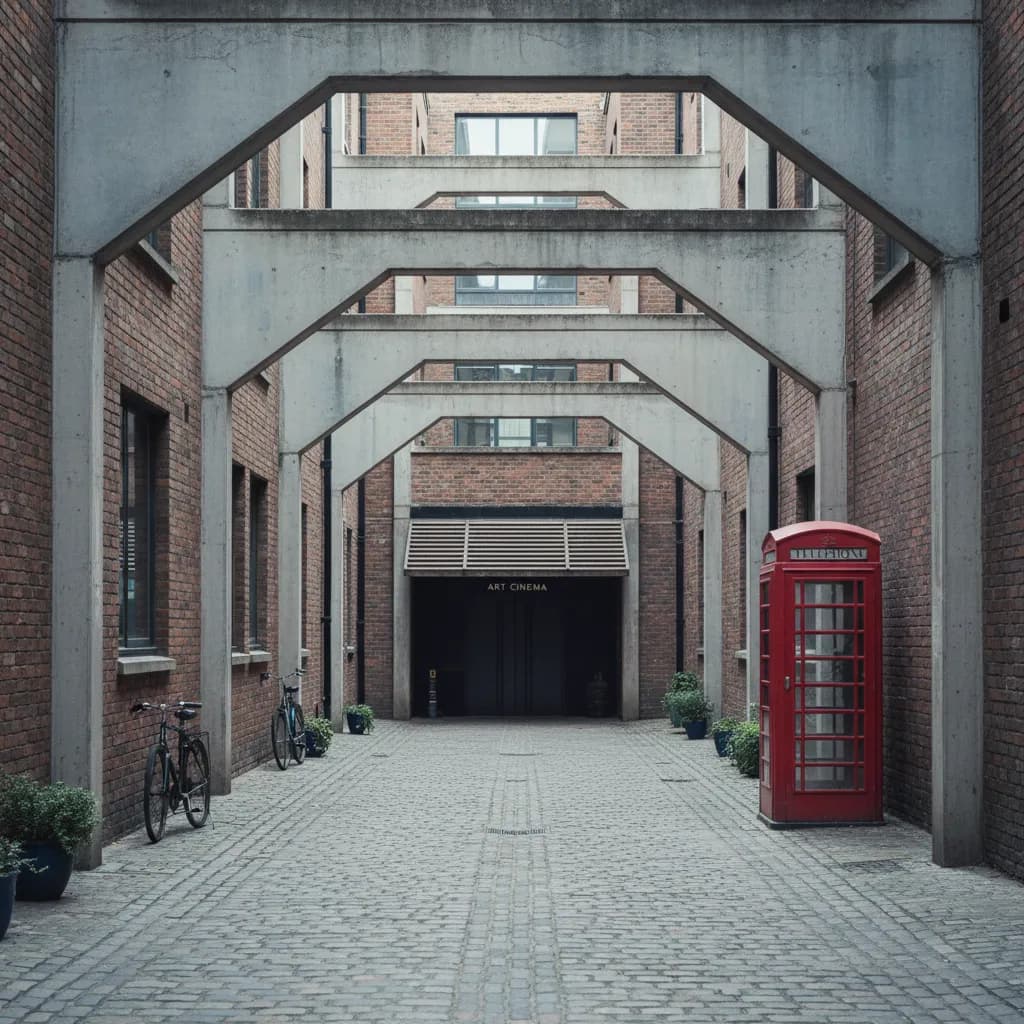
Bloomsbury Independent Cinema Screening Finder: Central Film
Find independent cinema screenings across Bloomsbury. Browse curated documentary seasons, foreign-language retrospectives, and intimate arthouse screens.
Bloomsbury has earned enduring worldwide acclaim as central London's quintessential literary and academic sanctuary, where tranquil garden squares and historic university faculties foster deep intellectual curiosity. This refined neighborhood character directly informs the area's independent cinema landscape, which prioritizes non-fiction inquiry, international auteur cinema, and rigorous thematic retrospectives over transient commercial blockbusters. Nestled beneath the bold brutalist concrete arches of the Brunswick Centre on Marchmont Street, Curzon Bloomsbury houses the Bertha Dochouse, recognized as the United Kingdom's only dedicated permanent cinema auditorium devoted exclusively to documentary filmmaking. Just a short stroll southward along Parker Street near the Holborn border, The Garden Cinema offers an impeccably designed independent Art Deco refuge committed to world cinema heritage and thoughtful contemporary releases. Navigating independent film screenings in Bloomsbury unlocks an extraordinary world of curated cinema for audiences who regard moviegoing as an inspiring intellectual pursuit.
The UK's Dedicated Non-Fiction Screen Sanctuary
The Bertha Dochouse provides Bloomsbury with an international cultural asset that has no parallel elsewhere in the United Kingdom. Operating as a sixty-seat specialist auditorium within Curzon Bloomsbury, this purpose-built venue champions feature-length non-fiction storytelling, investigative visual journalism, and groundbreaking human rights documentaries that seldom achieve sustained commercial theatrical distribution.
Screening calendars at Bertha Dochouse are meticulously structured to confront pressing planetary questions and explore complex historical narratives. Audiences regularly discover films addressing ecological conservation, investigative reporting, indigenous resistance movements, and profound biographical studies, presented using state-of-the-art digital laser projection systems with flawless acoustic definition.
A hallmark of the non-fiction programming here is the regular hosting of extended filmmaker question-and-answer panels. Following evening screenings, directors, field producers, and leading academic commentators frequently take the stage to unpack production methodologies, journalistic ethics, and the real-world political ramifications of their subjects.
For academic researchers, international university students, and socially engaged Londoners, this dedicated documentary screen represents an indispensable intellectual resource for lifelong visual education and cross-cultural understanding.
Curatorial programmers at the venue also maintain strong partnerships with major international documentary film festivals, hosting direct satellite screenings and exclusive London premieres of award-winning non-fiction titles from Sundance, IDFA, and Sheffield DocFest.
Archival non-fiction retrospectives periodically examine the evolution of documentary form, tracing the lineage from early ethnographic observation to modern essay films and interactive digital storytelling experiments.
Festival retrospective seasons hosted at Bertha Dochouse often examine the historical lineage of non-fiction cinema, presenting restorations of early Direct Cinema landmarks alongside modern digital verite investigations. These chronological pairings illuminate how technological innovations, such as lightweight handheld cameras and synchronous sound recording, continually reshaped documentary aesthetics over the past seven decades.
Specialized panel discussions frequently invite international human rights lawyers, investigative reporters, and environmental scientists to participate in post-screening symposiums. These conversations examine the factual evidence presented on screen, grounding cinematic storytelling in verified contemporary policy debates.
Arthouse Retrospectives and Foreign Language Cycles
Beyond documentary excellence, Bloomsbury's independent picturehouses curate masterfully programmed international film seasons. The Garden Cinema organizes rolling retrospective cycles celebrating seminal national film movements, including postwar Italian neorealism, golden-age Japanese cinema, and radical Latin American cinematic experimentation from the nineteen-sixties and seventies.
The curatorial vision at these central London independent venues favors thematic coherence and visual artistry over mere novelty. Programmers frequently curate insightful double features that juxtapose an influential historical classic with a modern independent work that explicitly responds to its aesthetic techniques and philosophical inquiries.
Foreign language cinema occupies a central position on daily screening schedules, reflecting Bloomsbury's cosmopolitan demographic and proximity to prestigious international research institutes. Viewers can regularly watch contemporary releases from France, South Korea, Iran, Germany, and Brazil, presented in their original audio languages with high-legibility English subtitles.
Every major retrospective cycle is accompanied by bespoke written program booklets featuring analytical essays written by film critics and university lecturers. These analytical notes clarify historical production circumstances, cinematic techniques, and artistic intentions, vastly deepening the viewer's appreciation of each screened work.
Specialist seasonal strands spotlight neglected female film pioneers and diaspora storytellers whose contributions were historically marginalized by mainstream studio distribution networks, restoring their artistic achievements to theatrical visibility.
Regular panel discussions feature university film scholars who deliver opening lectures before key screenings, offering audiences analytical tools to decode framing choices, editing tempos, and recurring visual motifs.
The international film programming at The Garden Cinema intentionally avoids algorithmic formulas, selecting films based on enduring aesthetic merit, narrative ambition, and philosophical depth. Audiences can follow comprehensive retrospectives dedicated to legendary masters of world cinema, exploring rare festival restorations that have been unavailable in British theatres for decades.
Printed screening notes provided to patrons at the box office offer essential historical analysis, providing detailed production backgrounds, director biographies, and critical commentary that frame the aesthetic significance of each selected masterwork.
Quiet Screening Manners and Intellectual Film Salons
A defining attribute that sets Bloomsbury's independent cinemas apart from mainstream West End multiplexes is an unyielding commitment to cinema etiquette. Venues like The Garden Cinema actively maintain strict quiet-room policies, firmly prohibiting smartphone illumination, whispered conversations, and disruptive food consumption inside auditoriums to protect total psychological immersion for every guest.
Auditorium seating configurations prioritize generous legroom and thoughtfully engineered raked tiers, guaranteeing unobstructed sightlines across every row in the hall. Plush velvet armchairs and wide cushioned armrests provide an exceptionally comfortable environment where viewers can engage with complex four-hour historical epics without physical fatigue.
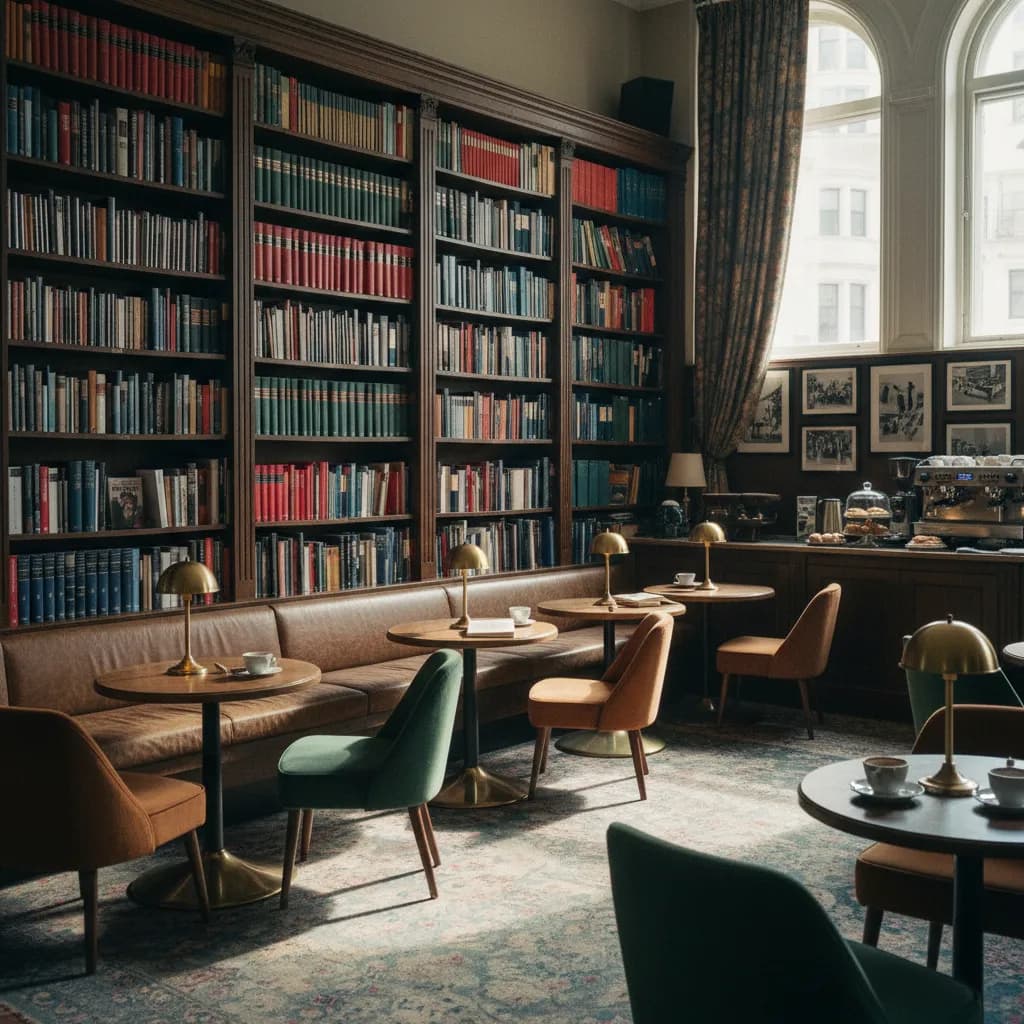
Following screenings, patrons routinely linger in book-lined cinema lounges and subterranean bars to discuss visual motifs, character psychology, and directorial pacing. These intimate communal spaces act as modern continuations of Bloomsbury's historic literary salons, fostering authentic intellectual connections among strangers united by a passion for cinema.
Karpo APP streamlines planning your visit to Bloomsbury's film sanctuaries by organizing daily showtimes, flagging filmmaker panel sessions, and highlighting serene neighborhood teahouses for post-screening conversation.
Quiet study corners within the cinema foyer provide curated reference bookshelves containing cinema journals, monographs, and critical screenplays, inviting moviegoers to arrive early and read before showtimes commence.
The presence of independent espresso bars serving pour-over coffees and artisan botanical teas inside the building ensures that patrons can sustain thoughtful conversations long after auditorium lights have returned.
The serene architectural environment of Bloomsbury's independent screens extends to their foyer spaces, where calm conversation areas replace the flashing digital displays and noisy gaming arcades typical of commercial multiplexes. Warm timber finishes, soft acoustic wall paneling, and comfortable seating clusters create an inviting atmosphere that encourages quiet reflection before and after screenings.
Patrons can enjoy organic loose-leaf teas, fair-trade coffees, and carefully selected natural wines from the cinema bar, designed to accompany contemplative discussion rather than quick consumption.
Ask Karpo for more information.
Keep reading
- Richmond Park Sunset Viewing Planner: Deer Meadow Horizons
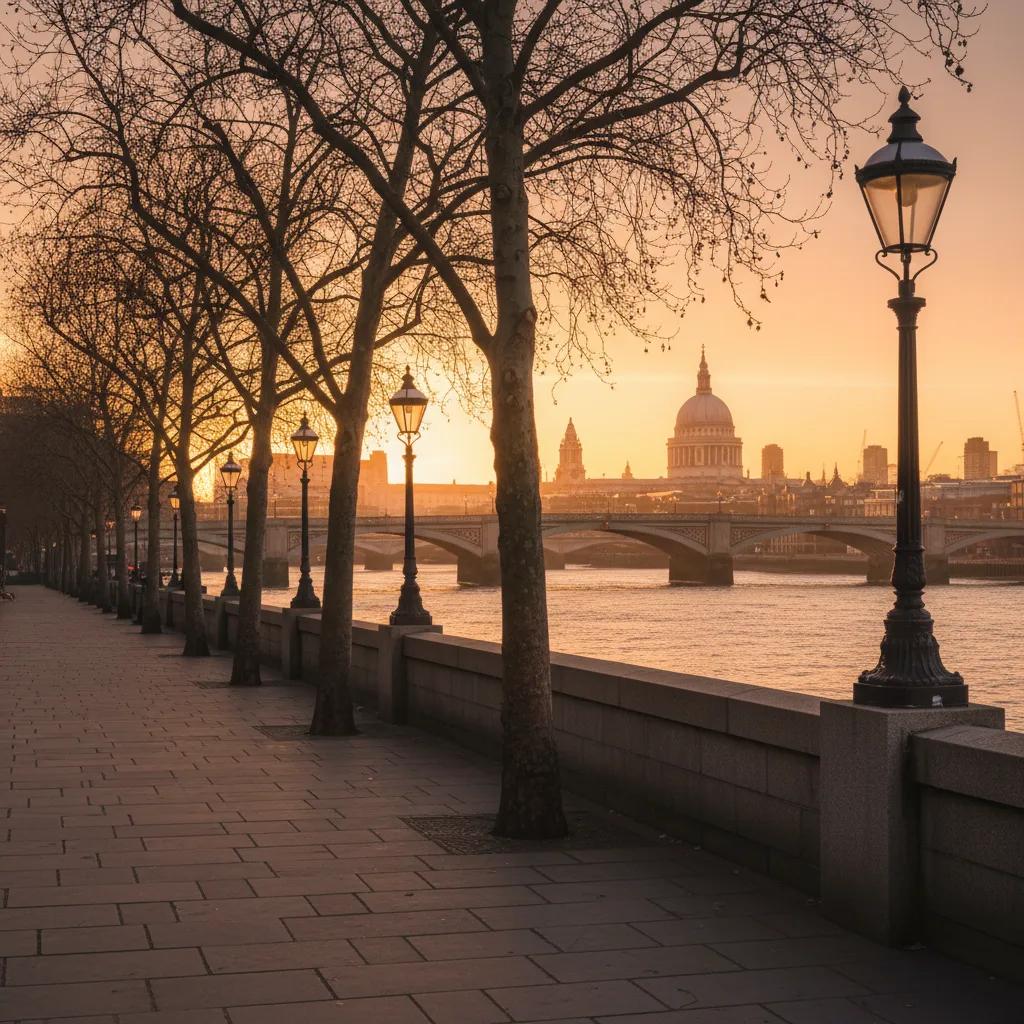 South Bank Sunset Viewing Planner: Thames Riverside Walks
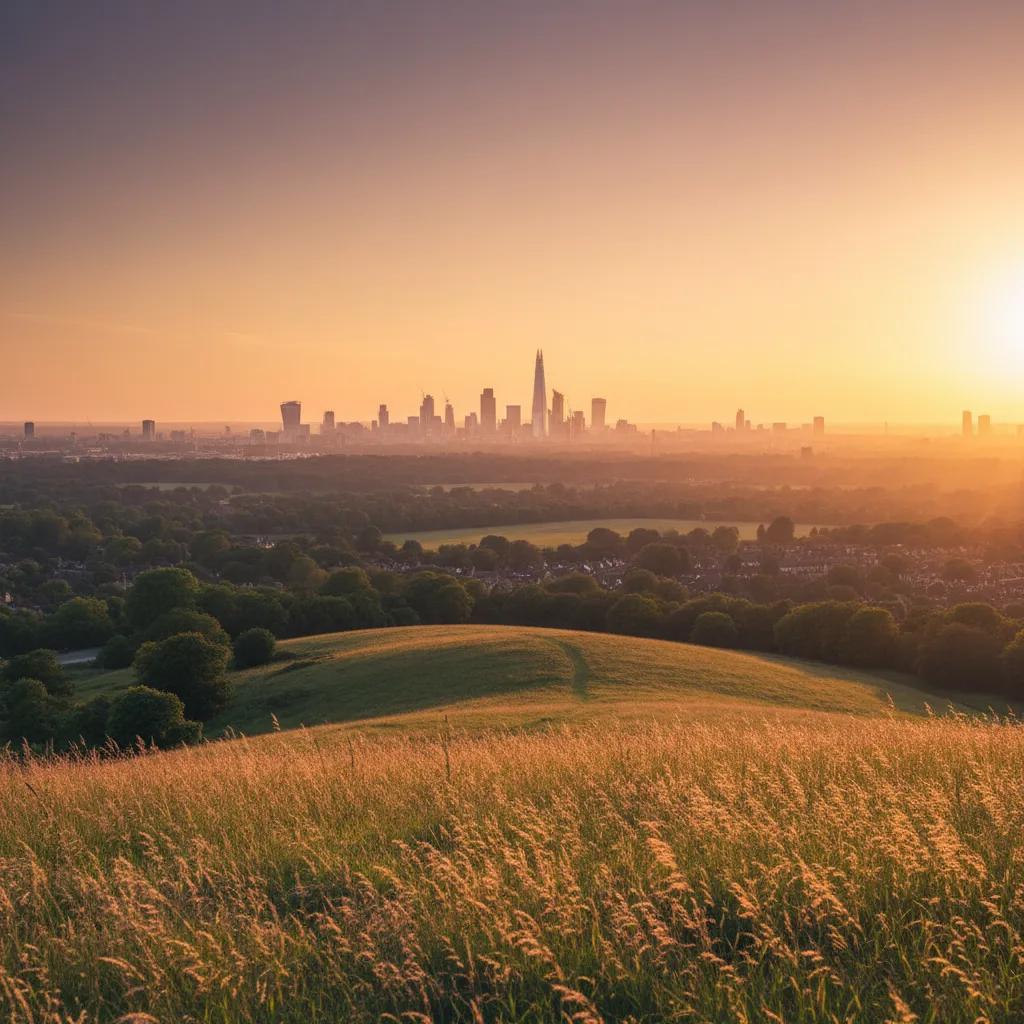 Parliament Hill Sunset Viewing Planner: London Heath Vistas