 Clapham Board Game Night Finder: New to London Meetups
Weekend Plans
Peckham Independent Cinema Night Picker for Film Students
Film students in Peckham can turn a weeknight film into a craft lesson: pick a title to study, sit centre, take quick notes, then debrief on Peckham Rye.
If you study film, every trip to the cinema is part homework, part pleasure. You want to see the new releases everyone is arguing about, catch the classics on a big screen and watch how directors, editors and sound designers shape what an audience feels. Peckham is a natural base for this. It sits close to the art and film schools of south east London, its independent multiplex is a long-time favourite with students, and the neighbourhood around it is full of cheap food and creative spaces. This picker is for film students who want to turn a night out into a proper study session without losing the fun.
Why Peckham Works for Film Students
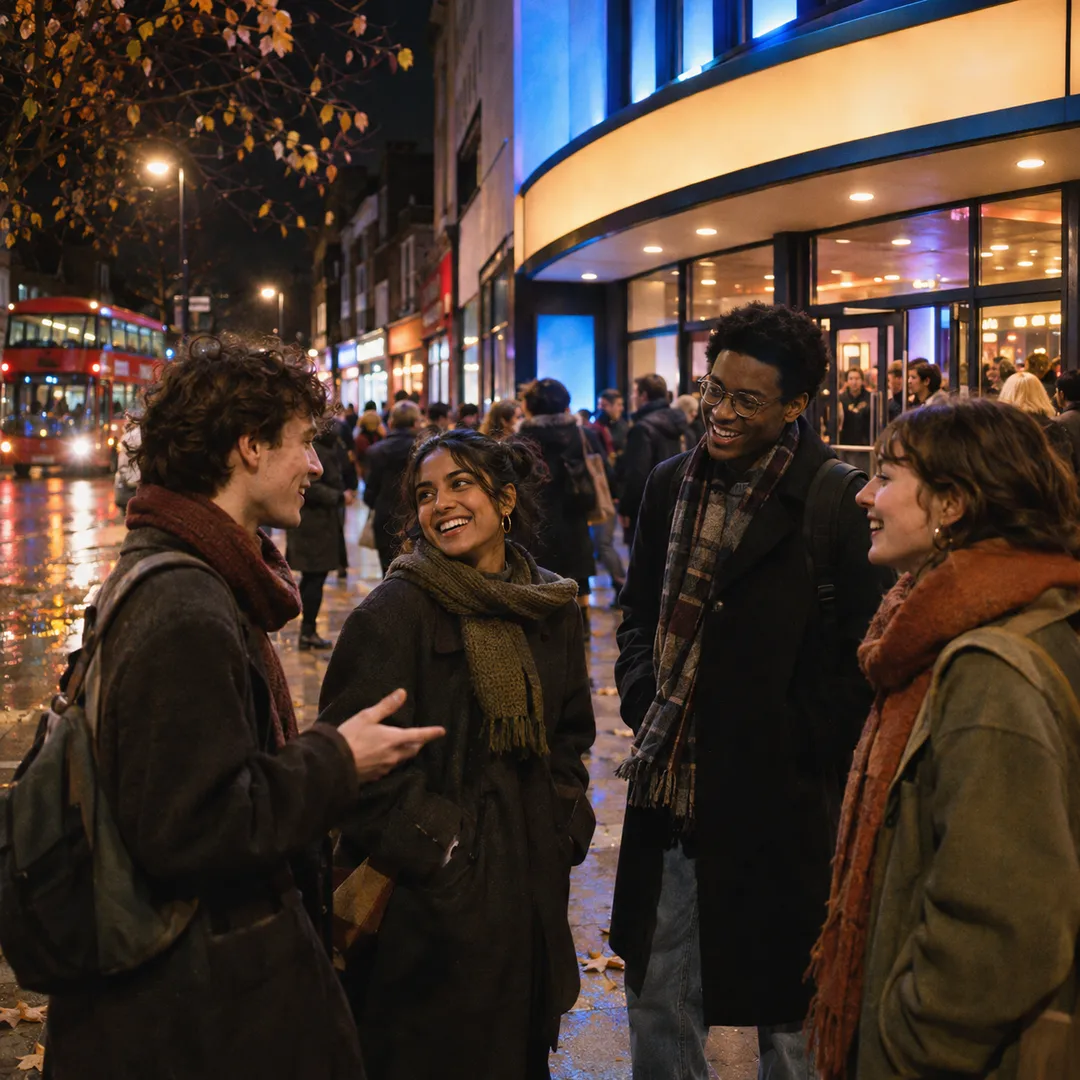
Peckhamplex, close to the station on Rye Lane, is an independently run multiplex that has long been known for keeping cinema affordable, and that reputation has made it a go-to for students across south London. It shows mainly new releases rather than repertory titles, which suits anyone who needs to keep up with what is on release and what people are talking about in seminars. Seeing the same film in a full, noisy, mixed audience can teach you as much as any lecture about how audiences really react.
The neighbourhood adds to the appeal. Peckham's warehouses, studios and former industrial buildings host exhibitions, pop-up events and occasional screenings, and in warmer months rooftop cinema nights draw crowds. In November those rooftop screenings are out of season, so the indoor screens become the centre of the film calendar, which is no bad thing for anyone trying to watch more and think harder.
Choosing a Film to Study, Not Just Watch
Before you go, decide what you want to learn. If you are interested in editing, pick a film known for its pace or structure. If you are drawn to cinematography, choose something with a strong visual style. If you are working on a screenplay, a dialogue-heavy drama or a tightly plotted thriller will give you plenty to analyse. Having a focus turns an ordinary screening into a lesson.
It also helps to vary your diet. Mix big studio releases with smaller independent films, and try to watch at least one film a month that sits outside your comfort zone. Blockbusters teach you about scale and audience expectations; small films teach you about economy and voice. Over a term, that mix will sharpen your eye far more than watching only the kind of film you want to make.
Where to Sit and What to Watch For
For study purposes, sit near the centre of the room, roughly two thirds of the way back. That is where the picture fills your vision without distortion and the sound mix is balanced, which matters if you want to notice how a film uses music, silence and sound design. Avoid the front rows unless you want to study how a film feels when it overwhelms you.
During the film, try not to analyse every second. Let yourself watch the first act as an ordinary viewer, then start noticing choices: where cuts land, how the camera moves, when the score comes in and when it drops away. Many students find it useful to pick one element to focus on in each screening, rather than trying to track everything at once.
Taking Notes Without Ruining the Film
Writing notes in the dark is an art of its own. A small paper notepad and a pen are less distracting than any screen, and nobody around you will be bothered by a quiet scribble. Keep notes short: a timestamp, a word or two about the shot, a quick sketch of a frame. You can expand them later on the bus home.
Some students prefer not to write anything during the film and instead jot down their impressions in the first ten minutes afterwards, while the memory is fresh. Try both and see which suits you. The goal is to capture enough to discuss and remember, without pulling yourself out of the experience so much that you forget how the film made you feel.
Debriefing on Peckham Rye
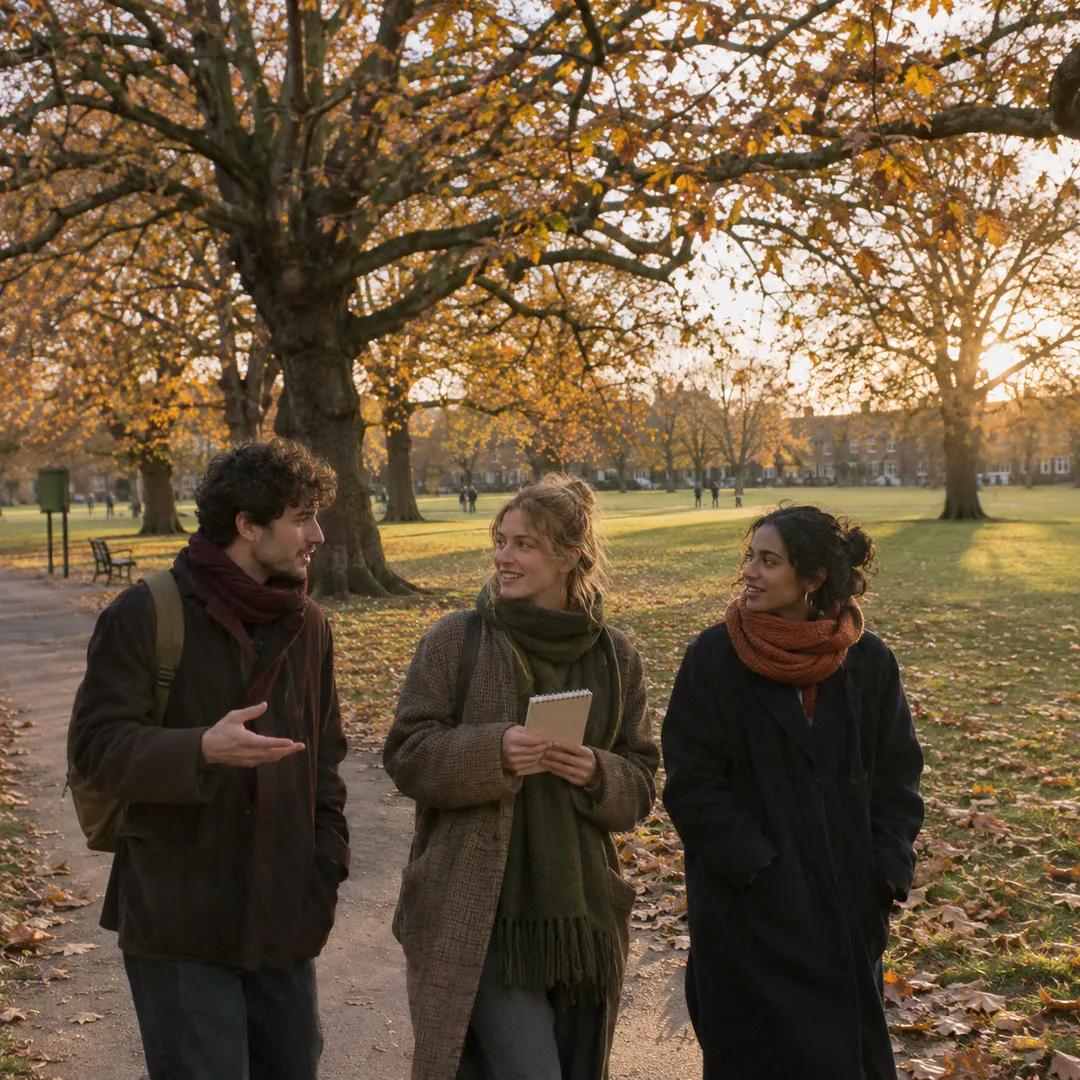
After the screening, give yourself time to talk it through. If the weather is dry and you have caught an earlier showing, Peckham Rye Common and Peckham Rye Park are a short walk from the high street, with wide open grass, old trees and quiet paths. Walking and talking about a film often unlocks ideas that a café table does not, and in autumn the park's colours make a beautiful backdrop.
Use the debrief to push each other. Ask what the director wanted you to feel at key moments and how they achieved it. Compare notes on what worked and what did not, and argue about the ending. Some study groups take turns leading the discussion, which keeps everyone engaged and makes the evening feel like a real seminar rather than a casual chat.
Cheap Eats and Creative Spaces Nearby
Rye Lane and the streets around it are packed with cheap and cheerful places to eat, from takeaway counters to bakeries and small cafés. A quick bite before or after the film keeps costs down and gives you somewhere warm to continue the conversation. Many students make a habit of choosing a different place each time, turning the neighbourhood itself into part of their routine.
Peckham's creative spaces are worth exploring too. The multi-storey car park that became Peckham Levels hosts studios, food stalls and events, and the area around the Bussey Building has long been a hub for parties, arts events and film nights. Look out for community screenings, short film nights and Q&A events, which are some of the best ways to meet other aspiring filmmakers.
Building a Study Group That Lasts
The best film education often comes from a small group of friends who watch and argue together regularly. Agree on a weekly or fortnightly screening, rotate who picks the film and keep a shared document of notes and reactions. Over a term or a year, you will build a valuable record of what you watched, what you learned and how your tastes changed.
Invite people from different courses if you can. A cinematographer, an editor, a writer and a sound designer will notice completely different things in the same film, and listening to each other will make you all better filmmakers. Some groups even plan short exercises after each screening, such as recreating a scene with a phone camera or rewriting a key moment of dialogue.
Making Peckham Your Film Classroom
With an affordable cinema, open green spaces and a creative scene on the doorstep, Peckham can become a classroom you look forward to visiting. The key is to treat each film night as both a pleasure and a lesson: choose with purpose, watch with attention and talk it through with people who care as much as you do. Peckham Library, with its striking award-winning building, is also a good place to read up on a director before or after a screening.
When you want to find what is playing near Peckham, or a cheap place to eat before or after the film, the Karpo APP can help you search the area for cinemas, cafés and casual spots that suit a student budget. Pick your film, grab your notepad and enjoy the screening.
Ask Karpo for more information.
Keep reading
- Clapham Board Game Night Finder: New to London Meetups
 Marylebone Board Game Night Finder: Baker Street Mysteries
 Notting Hill Board Game Night Finder: Two-Player Rainy Dates