 Richmond Park Sunset Viewing Planner: Deer Meadow Horizons
Weekend Plans
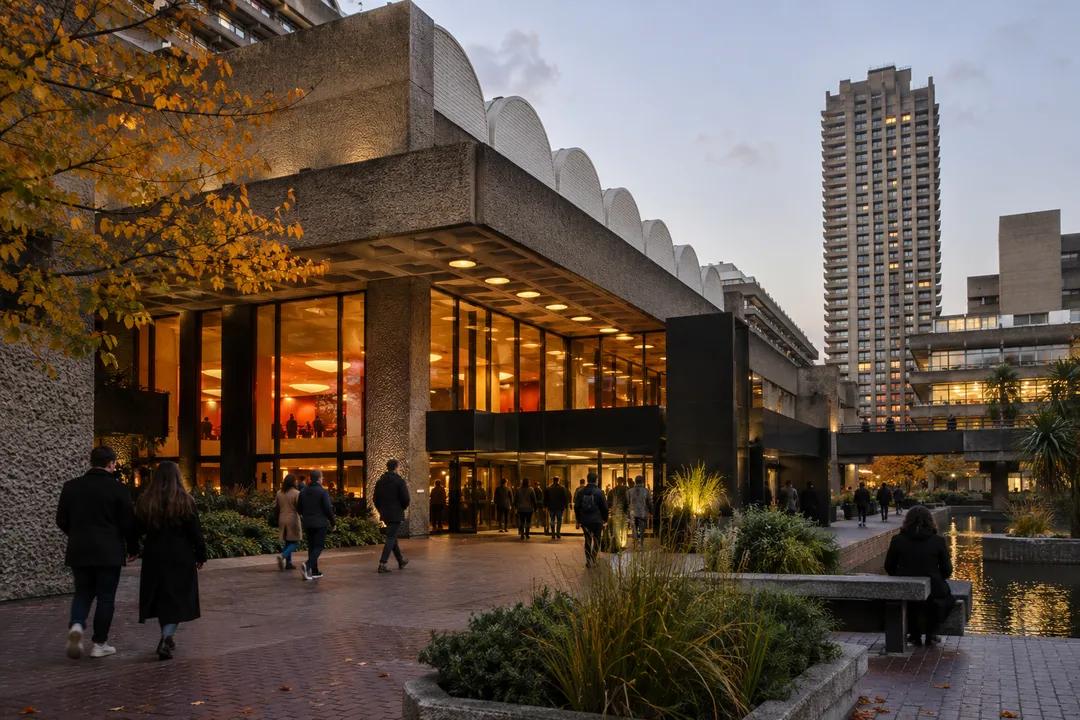
Prince Charles Horror Movie Screening: Soho Late Show Plan
Prince Charles Cinema at 7 Leicester Place, London WC2H 7BY offers a London horror movie screening in Soho. Plan the queue and post-film walk before you go.
A Soho horror night works because the cinema is part of the story. Start at Leicester Square while the streets are still busy, then move toward the small entrance at 7 Leicester Place with your ticket ready. Prince Charles Cinema has the kind of programme that makes a search for a horror movie screening feel specific: cult favourites, repertory discoveries, late shows, and films that invite a crowd reaction. The useful question is not simply whether the title is scary. Ask whether you want the room to laugh, gasp, or fall silent together. That choice changes the whole evening and is why this venue belongs on a planned Soho route.
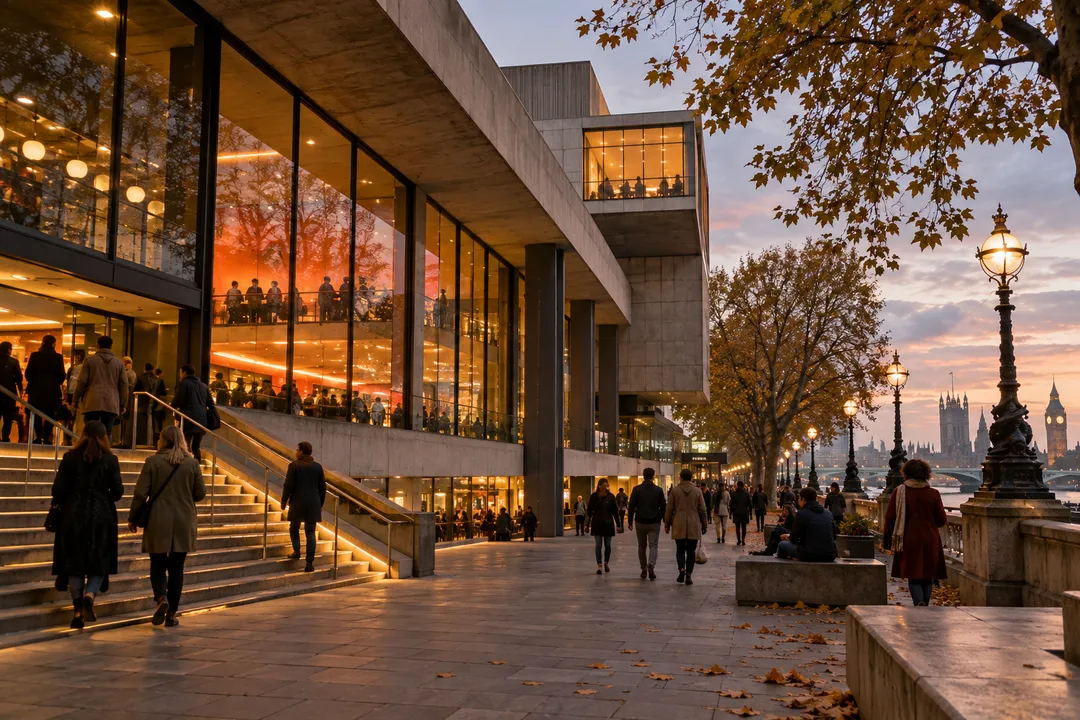
Getting there is simple: The Crown sits atop Hotel 50 Bowery, right where Chinatown meets the Lower East Side, a few minutes' walk from the Grand Street and Bowery subway stops. Take the hotel elevator straight to the top floor and you step out onto the roof.
Soho has a particular kind of pre-film energy: theatre crowds cross quiet side streets, Chinatown kitchens keep working, and Leicester Square never quite settles. Use that movement as a buffer rather than trying to arrive at the last possible minute. The cinema is small enough that the entrance can feel busy even when the wider street looks relaxed. A person who arrives ten minutes early has time to read the room, find the correct screen, and decide whether the night should continue afterward. A person who arrives exactly at the advertised start is gambling on every previous step. Horror is more enjoyable when the gamble belongs to the story, not the itinerary.
There is also a useful distinction between a title you admire and a title you want to share. Prince Charles works especially well for the second category because the audience's laughter or sudden silence can become part of the memory. If you are introducing a friend to an unfamiliar director, give them the tone in advance and choose a seat where leaving is simple. If everyone already knows the film, avoid over-explaining it in the queue. Let the room discover its reactions together. The best audience behaviour is generous, quiet during the feature, and lively only after the final image has passed.
Choose the film
A tiny preparation checklist prevents most friction: ticket reference saved, address copied, transport route chosen, phone silent, coat manageable, and a post-film meeting point agreed. Those details sound unglamorous, but they create the conditions for suspense. They also protect the people around you from the distractions that make a full auditorium feel smaller. When the credits roll, do not rush to diagnose the movie. Walk toward Chinatown, order something small, and let the argument about the ending begin naturally. Soho gives you enough light and motion to make the return to ordinary life feel complete.
Make the ending part of the plan. The film may finish with an image that needs a few quiet minutes before anyone names what it means. Soho gives you places to talk, but do not rush into the first loud room. A small dessert, a Chinatown table, or a slow circuit toward the theatre district can keep the conversation precise. Note the sound design, the lead performance, and the moment the room changed temperature. Those details are more memorable than an instant verdict.
Let the film settle
For newcomers, the venue is welcoming when the plan is clear. Explain the film's general tone, agree on a meeting point, and keep the exit optional rather than dramatic. A person who knows they can step outside is often more willing to stay with a difficult scene. That makes the group kinder and the screening stronger. The cinema's social energy should feel shared, never imposed.
For a visitor who wants one memorable London film night, the venue's advantage is concentration. You do not need a complicated plan with multiple attractions or a long cross-city transfer. Pick the show, build a short route before and after, and make the cinema the fixed point around which everything else bends. That is why a horror movie screening here works for a date, a small group, or a solo outing. The room offers social electricity without requiring conversation, and the surrounding streets offer choices without forcing another booking.
Practical notes
The final decision is simply whether this is your night for communal fear. If yes, choose the title with the strongest programme note, arrive before the queue peaks, and sit where the audience feels present but not distracting. If no, choose a quieter screening and let the film do the work privately. Both approaches are valid. The venue is flexible because its identity comes from the relationship between the film and the people who came to see it. A carefully timed Soho walk turns that relationship into an evening worth repeating.
For seating, think about what you want from horror. A centre position usually gives the cleanest balance of image and sound, while an aisle seat makes a late-night exit less awkward. If the title has a reputation for crowd participation, the middle rows can be more entertaining than a solitary edge seat. Do not treat the foyer as an extension of the auditorium; conversations and bright screens travel. Arrive with your drink settled, your bag under control, and your coat somewhere that will not become a trip hazard. Staff can solve practical problems quickly when the audience gives them room.
The must-see choice here is the programme item with a point of view. A midnight classic can be the right pick if you want communal nerves and jokes between shocks. A restored or cult film is better for viewers who like the texture of the print and the history around it. A new release makes sense when you want to avoid spoilers and experience the room's first reactions. Pick one headline screening rather than forcing two films into a narrow gap; the best horror evening has enough time for the story to end before the next plan begins. The small details are worth planning because the venue is close enough to many distractions that it is easy to overfill the evening. Keep the screening as the fixed point. A late meal can wait, a second bar can wait, and a review can wait. The film will give you better information than a search page once it has started. When you leave, notice how quickly the streets turn ordinary again. That shift is the final pleasure: the fear stays in the frame, while the city gives you back your own pace.
Ask Karpo for more information.
Keep reading
- Richmond Park Sunset Viewing Planner: Deer Meadow Horizons
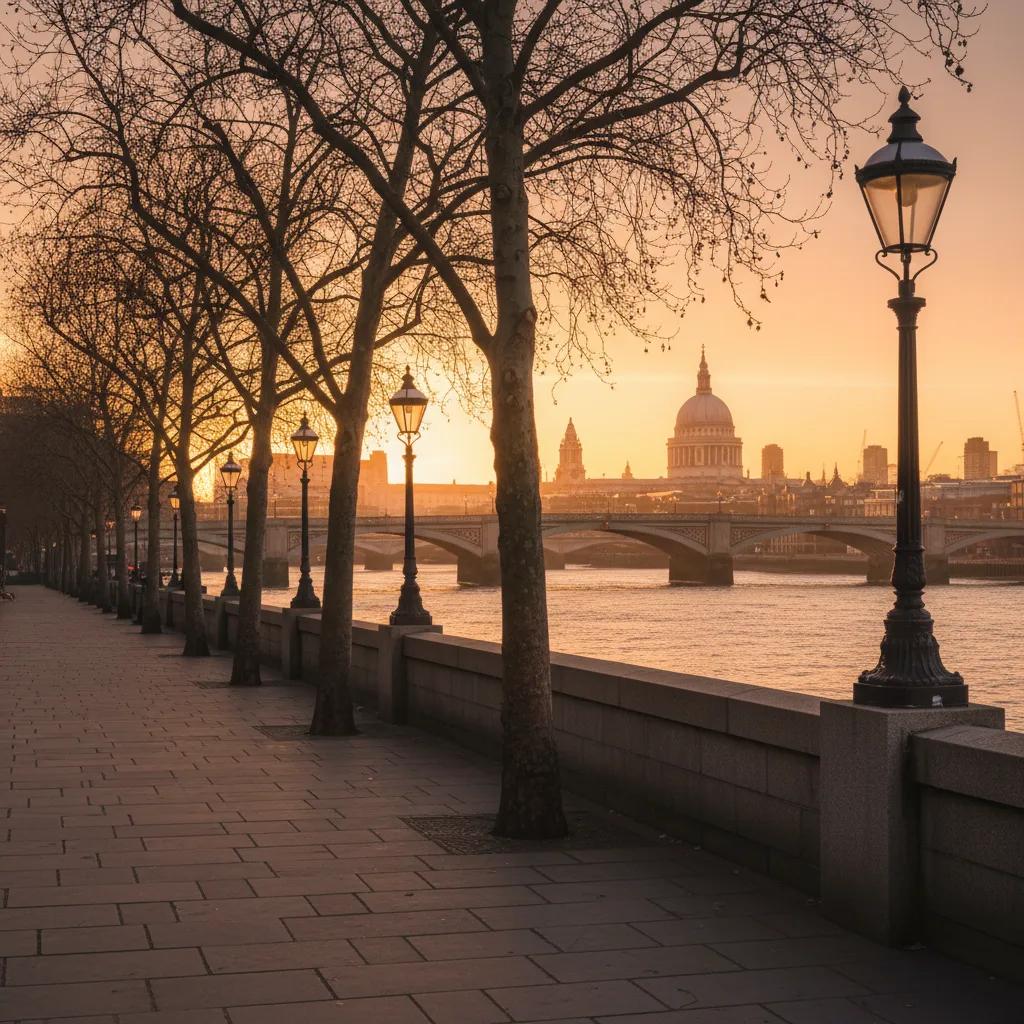 South Bank Sunset Viewing Planner: Thames Riverside Walks
 Parliament Hill Sunset Viewing Planner: London Heath Vistas