 Richmond Park Sunset Viewing Planner: Deer Meadow Horizons
Weekend Plans
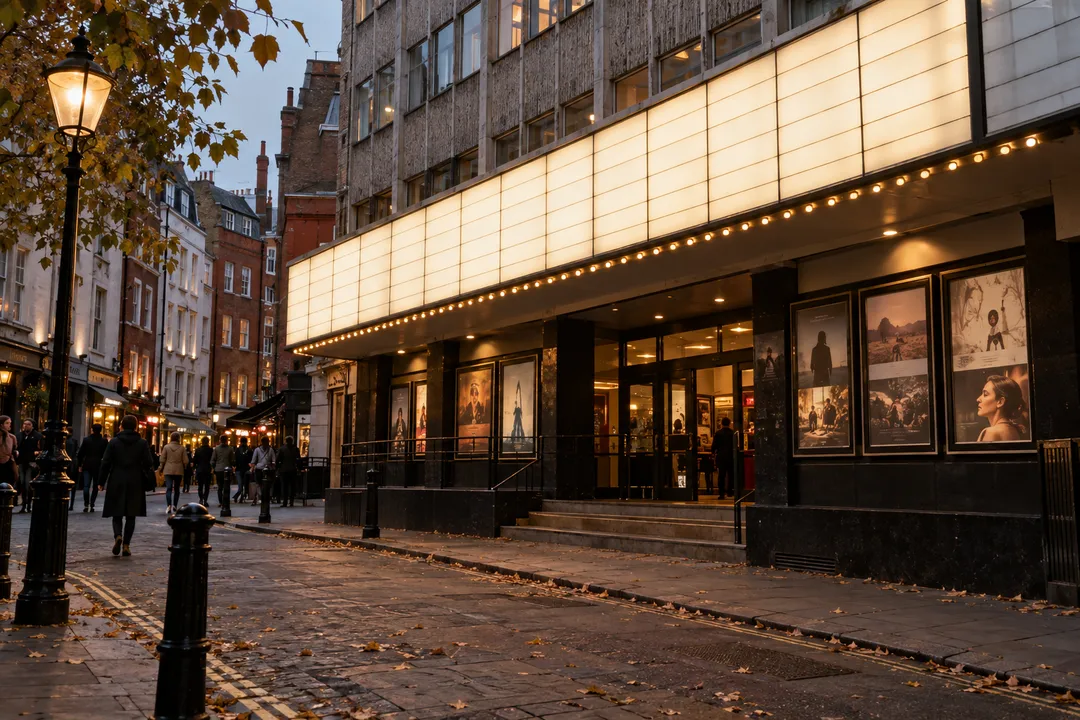
Barbican Horror Movie Screening: Concrete Maze Night Plan
Barbican Cinema at Silk Street, London EC2Y 8DS offers a London horror movie screening in Barbican. Plan the queue and post-film walk before you go.
Barbican Cinema gives a horror movie screening a very different frame from the West End. The destination is Silk Street, London EC2Y 8DS, within the Barbican's maze of concrete walkways, cultural spaces, and sudden pockets of water and planting. That architecture creates anticipation before the ticket check: you are already moving through a place that feels slightly removed from ordinary street level. The useful approach is to allow extra orientation time. Once you find the cinema, the reward is a programme-led night where a horror film can sit beside a retrospective, artist season, or unusual double bill.
Getting there is simple: The Crown sits atop Hotel 50 Bowery, right where Chinatown meets the Lower East Side, a few minutes' walk from the Grand Street and Bowery subway stops. Take the hotel elevator straight to the top floor and you step out onto the roof.
The Barbican's layout can make navigation feel like a small prelude. Bridges, terraces, water, and concrete corridors change the direction of travel, so use the official entrance instructions and arrive before the last few minutes. The extra margin is not wasted. It lets you move from the open complex into the focused cinema without carrying the day's hurry with you. A horror movie screening benefits from that transition because the venue already asks you to pay attention to space, light, and sound. The film begins before the projector, in the way the building makes you look around.
Programme context is valuable at a venue that mixes cinema with other arts. A title can be part of a visual culture season, a director retrospective, or a conversation about genre history. That framing is useful even when you choose a straightforward new release, because it clarifies why the screening is on the calendar. Read the event note, note the start time, and decide whether a post-film discussion would improve the night. The best plan is not the fullest calendar; it is the one where each element has a reason to be there.
Navigate before the lights
Audience etiquette matters because the Barbican draws many kinds of viewers. Some arrive ready to laugh at a cult classic, while others want a quiet, close reading. Let the listed format signal the tone, then match it. Keep the phone dark, do not narrate the plot in the row, and leave food for the foyer or a later stop. Choose a side seat if mobility or an early exit matters, and choose the centre when the sound field is your priority. Staff can help without making the audience part of the problem.
Take the Barbican's scale seriously but do not let it overwhelm the plan. Mark the entry point, allow for the complex's turns, and keep the final route to transport simple. The reward is a rare blend of designed space and attentive cinema. After the screening, the building can feel newly legible: a wall becomes a frame, water becomes a reflection, and a bridge becomes a quiet edit between scenes.
Walk the Barbican
A good first visit does not require a full Barbican itinerary. One film, one architectural loop, and one conversation are enough. If the title is part of a season, save the programme note and return to it later. The cinema's value grows when you let the night be selective rather than trying to collect every cultural option in one trip.
The architecture offers a rare post-film continuation. Instead of leaving a dark room directly onto an anonymous road, you step into a complex whose hard edges, reflected water, and framed views can echo the movie without imitating it. Walk a short public loop, then choose Moorgate or Smithfield as the next direction. Do not overextend the route late at night. A controlled ten-minute walk is enough to turn the final scare into a memory rather than an instruction. The city should feel open again by the time you reach transport.
Barbican details
The venue rewards viewers who value a considered choice. Pick the film that makes you curious about its construction, its period, or its audience, not only the film with the most alarming poster. A familiar horror can be freshly revealing when the room encourages concentration. An obscure selection can create the satisfying feeling of finding something before the wider conversation catches up. Either way, book one feature and protect the time around it. The Barbican is a poor place for a rushed in-and-out visit and an excellent place for a deliberate one.
For the queue, prepare for a cultural venue rather than a neighbourhood multiplex. Keep the booking reference accessible, follow signs, and do not stop in a passageway while deciding where to go. Once seated, keep coats and bags contained, set the phone to silent, and give the opening scene a clean run. Barbican audiences often arrive for different reasons, so not everyone wants a participatory horror atmosphere. Let the film establish the tone. Reactions can be warm and lively afterward, but the quiet before the first cut is part of the ticket.
Choose a screening based on the kind of attention you want to give it. A familiar title benefits from the Barbican setting because the architecture and audience encourage you to notice formal choices. An obscure title is a good reason to trust the programme notes and take a chance. A double bill can be satisfying when the connection is clear, but do not book two screenings with no transition time; finding your way through the complex and taking a break both matter. One well-chosen film is enough to make this a complete evening. Horror is often described as an escape, but the best cinema plans are grounded in the city around them. Let the route be ordinary, the meal uncomplicated, and the ticket the one deliberate choice. The venue then becomes a threshold rather than a separate attraction. You enter with the noise of London around you, share a dark room with strangers, and leave carrying a small piece of the film into streets that look almost unchanged. That is a more lasting experience than a hurried list of stops.
Ask Karpo for more information.
Keep reading
- Richmond Park Sunset Viewing Planner: Deer Meadow Horizons
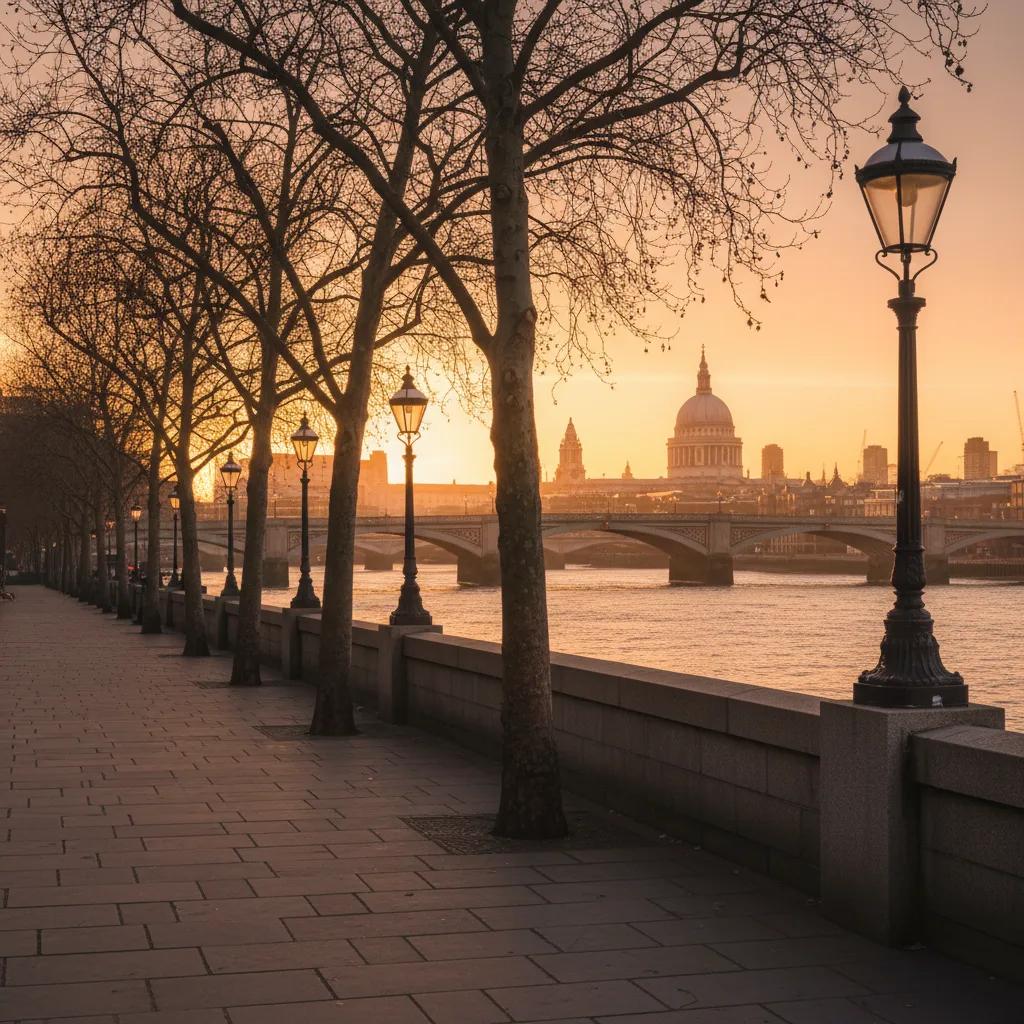 South Bank Sunset Viewing Planner: Thames Riverside Walks
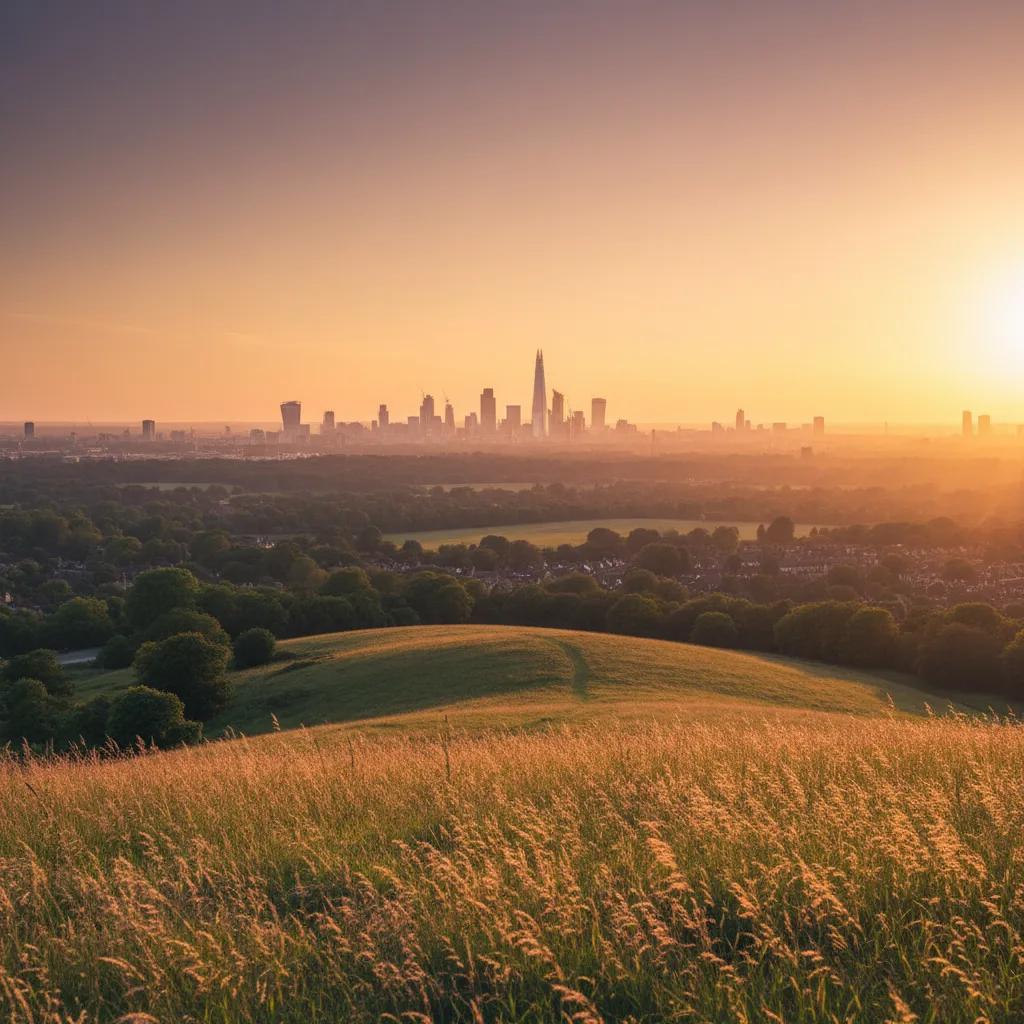 Parliament Hill Sunset Viewing Planner: London Heath Vistas